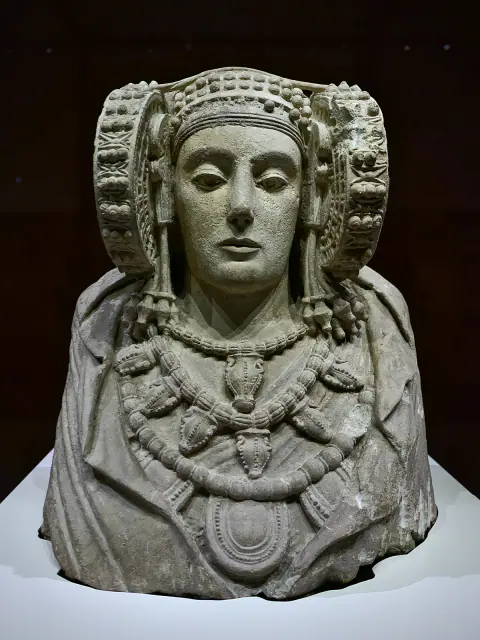
Museums
Objects, places and people from cultures all over the world, each with its sources.
You can read the exhibits without an account. To walk through a museum in 3D, create a free account.
 TRACEKEEPERS
Museums · Library · Game
Online museums, books and a game for exploring history through evidence. Your companions are Veritas and Aletheia, two fictional travellers who have come to understand us.

01What you can do today
Start wherever you like. The museums, the books and the game share the same places, characters and sources.
Objects, places and people from cultures all over the world, each with its sources.
You can read the exhibits without an account. To walk through a museum in 3D, create a free account.
The first novel in the series can be read in full online.
No sign-up and no email address needed.
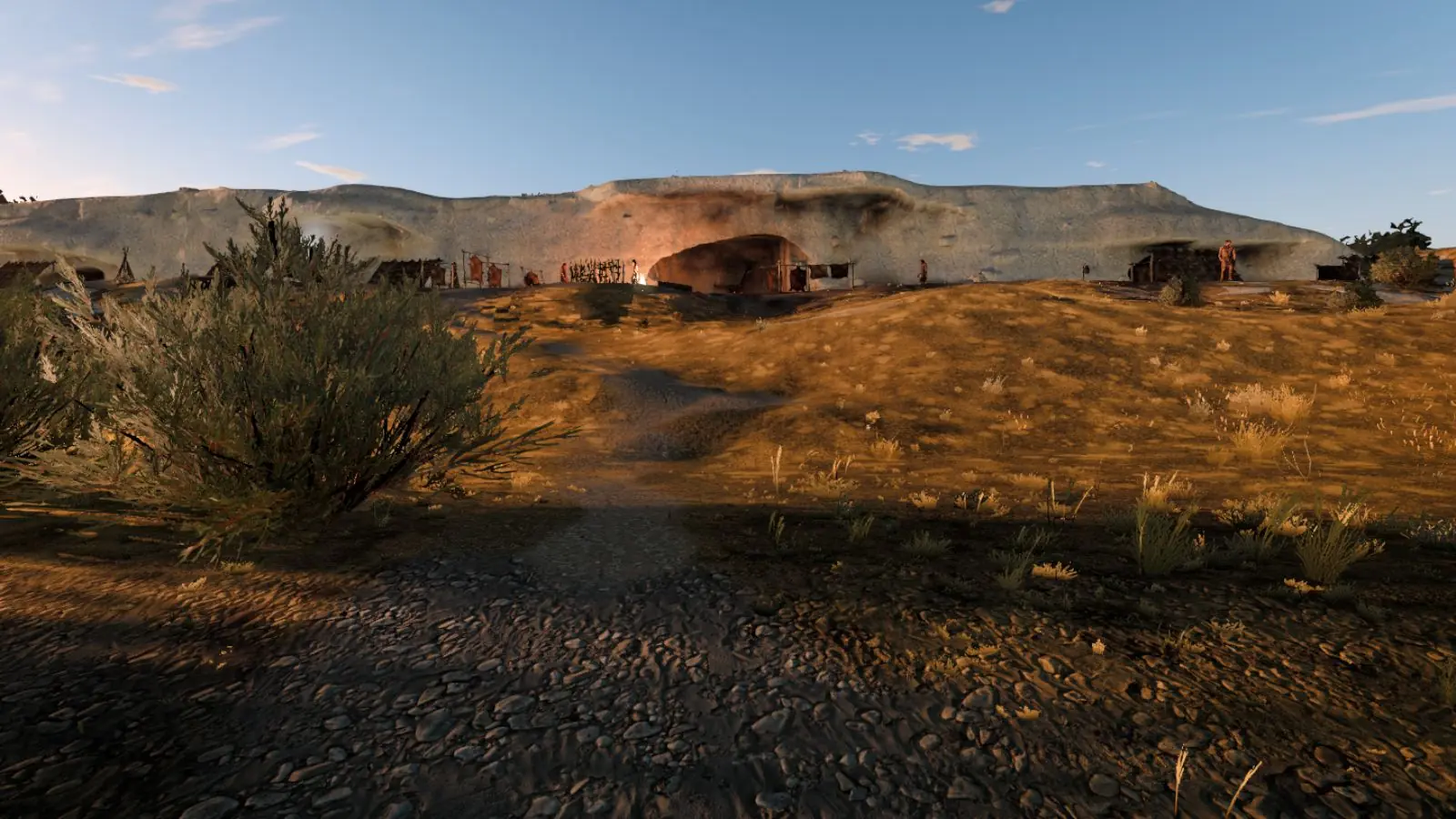
Step into a camp from more than 11,000 years ago and help its people through ten adventures.
No account needed. Your progress is saved in this browser.
02The story
It begins with a real message and carries on as a science-fiction adventure.
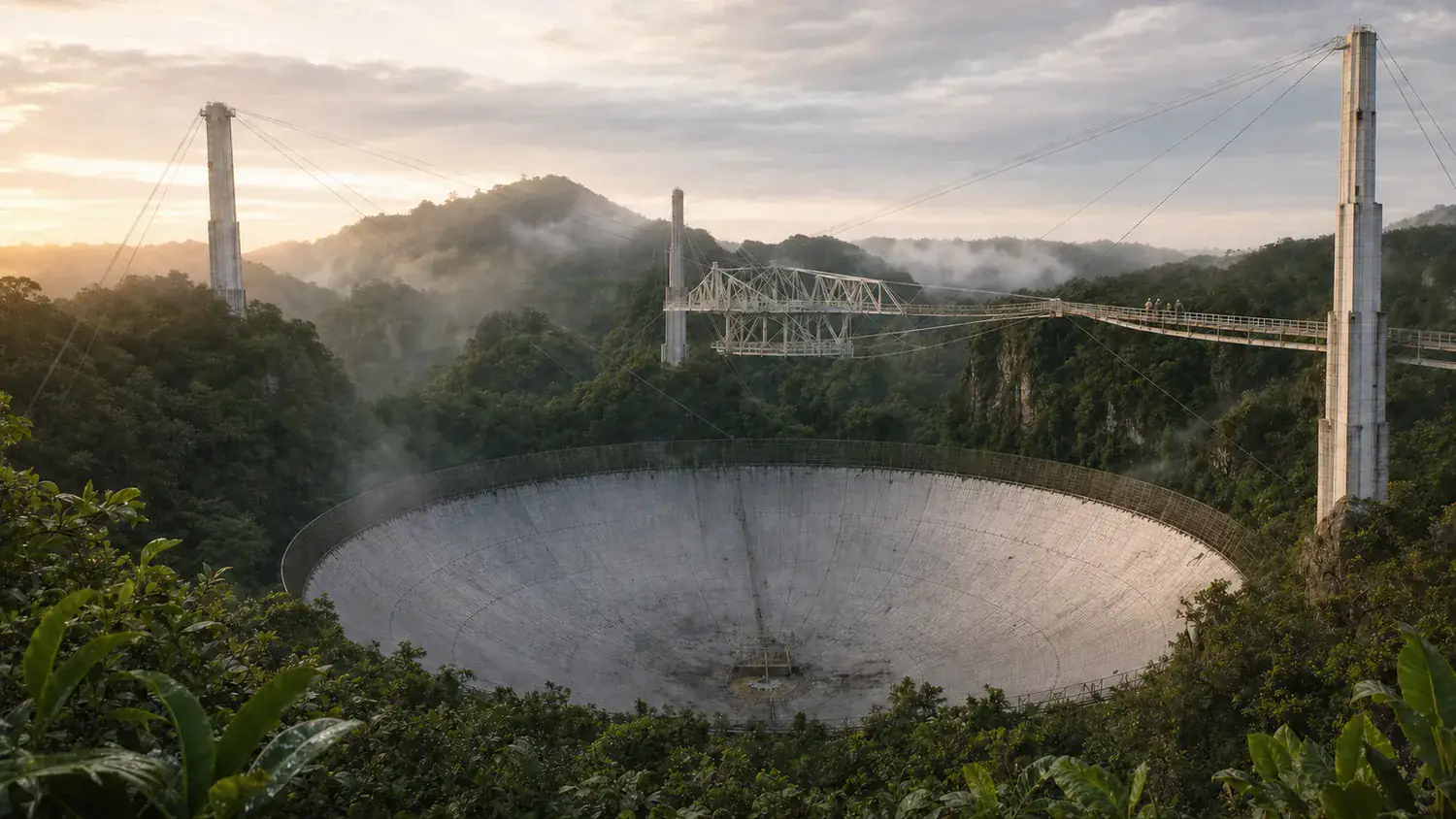
The Arecibo message and the site of Çakmaktepe are real. The beacon, Arca, the Avenyth, their travellers and the Sarımğara clan are fiction.
1974Real
On 16 November 1974, the Arecibo radio telescope in Puerto Rico sent 1,679 ones and zeros towards the star cluster M13. Arranged in 73 rows of 23, they form a picture: numbers, DNA, a human figure, the Solar System and the telescope itself.
Fiction
A beacon belonging to the Avenyth, a distant civilisation, finds the trace the signal left in time and alerts its network.
Fiction
The Avenyth decide not to reply yet. First they send the ship Arca to meet the people who asked the question.
Fiction
Two travellers from Arca open windows onto the past. They can watch and help, but never change what happened.
c. 9600 BCEReal place
This is where the first window opens, in what is now south-eastern Turkey. A group of hunter-gatherers was spending more and more time here.
03How we work
Every exhibit uses four labels, always the same ones, so you can see how much we can say for sure.
| Label | What it means | For Ötzi |
|---|---|---|
| Verified | There is enough evidence to support the basic idea. | He had 61 tattoos and an arrowhead lodged in his shoulder. |
| Possible | It fits the clues, although another explanation may exist. | Many of his tattoos sit over worn joints. They may have been meant to ease pain. |
| Debated | Specialists interpret the evidence in different ways. | What he did for a living. Some see a chief; others, a herder or a shaman. |
| Reconstructed | We imagine it from clues, and we say so. | His face. The portrait takes a 2023 DNA study into account, but the features are imagined. |
Nobody painted Ötzi or the man in grave 43 at Varna. Giving them a face helps us see a person where only remains were left. Every recreation explains what it is based on and what we have imagined.
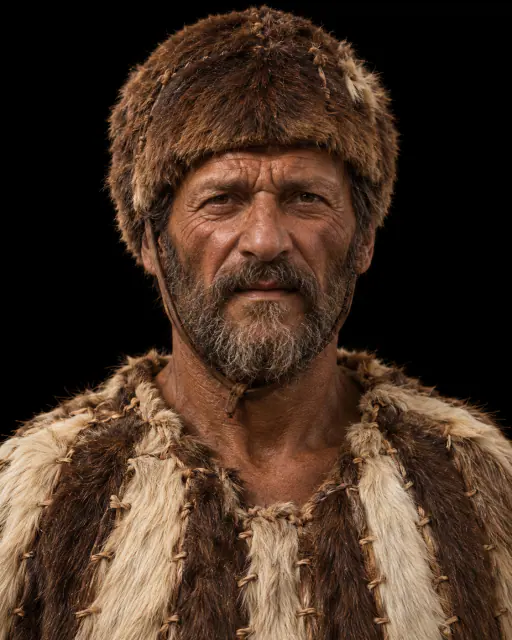
The Alps, c. 3300 BCE. His body, his clothes and his tools survived.
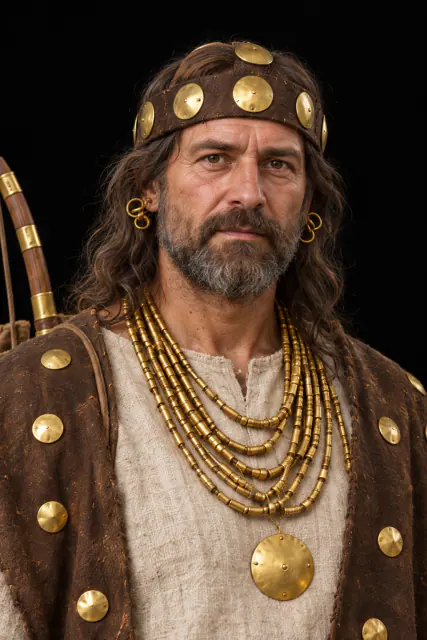
Bulgaria, c. 4500 BCE. He was buried with a sceptre and a wealth of gold ornaments. We know neither his name nor his face.
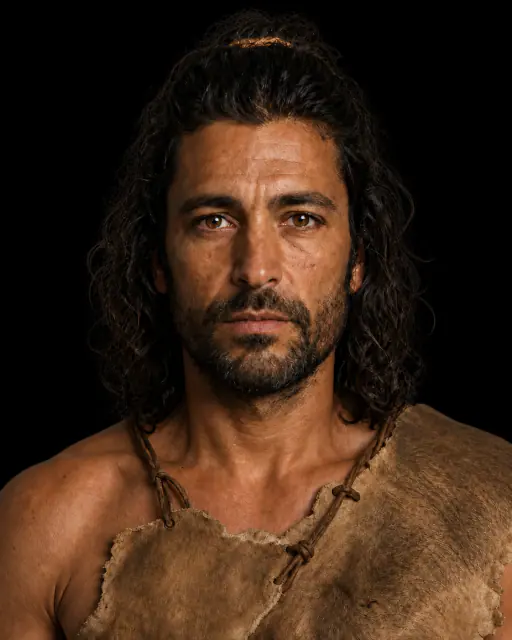
c. 9600 BCE. He never existed: we invented him for the game, in a real place, Çakmaktepe.
04The game · free alpha
The first campaign takes you to Sarımğara Çakmaktepe, around 9600 BCE. You explore the camp, meet its people and help them with everyday problems: fire, warm clothing, food. Nobody hands you the answer; you work it out from the clues.
Free, in your browser and, for now, in Spanish only. The first load downloads over 100 MB.
Your travelling companions
Both will cross the first window with you. Aletheia asks whose voice is missing; Veritas asks what we can verify. Both listen, compare evidence and help without deciding for you.
In the alpha, Aletheia and Veritas are with you from the start, though you cannot see them yet.
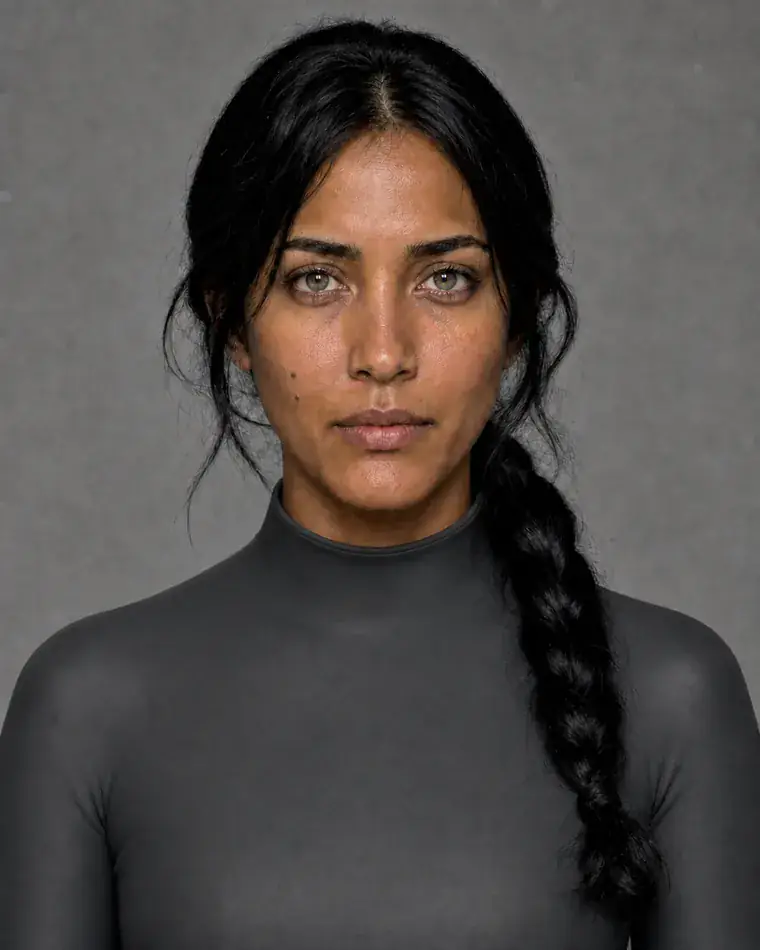
Wants to hear from everyone.
Joins you as you get to know them.
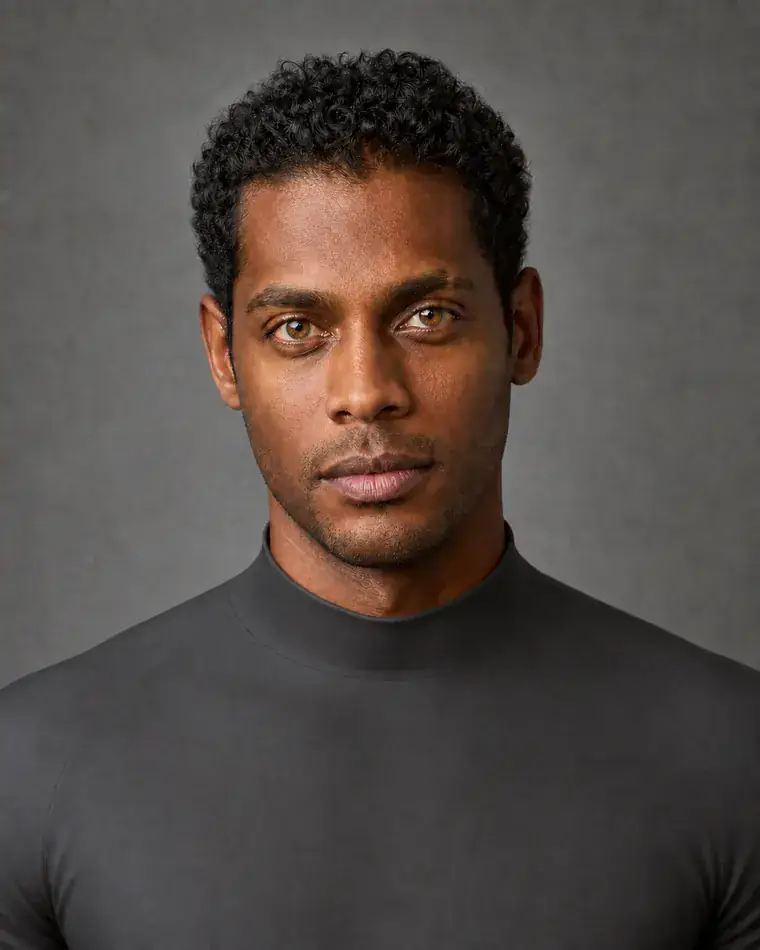
Pays attention to details.
Helps you check your ideas.
These are some of the people you will meet in Sarımğara. Other adults, children and elders share the camp with them. Their names, faces and choices are invented, and their portraits are made with AI. The place, the tools and the remains are real.
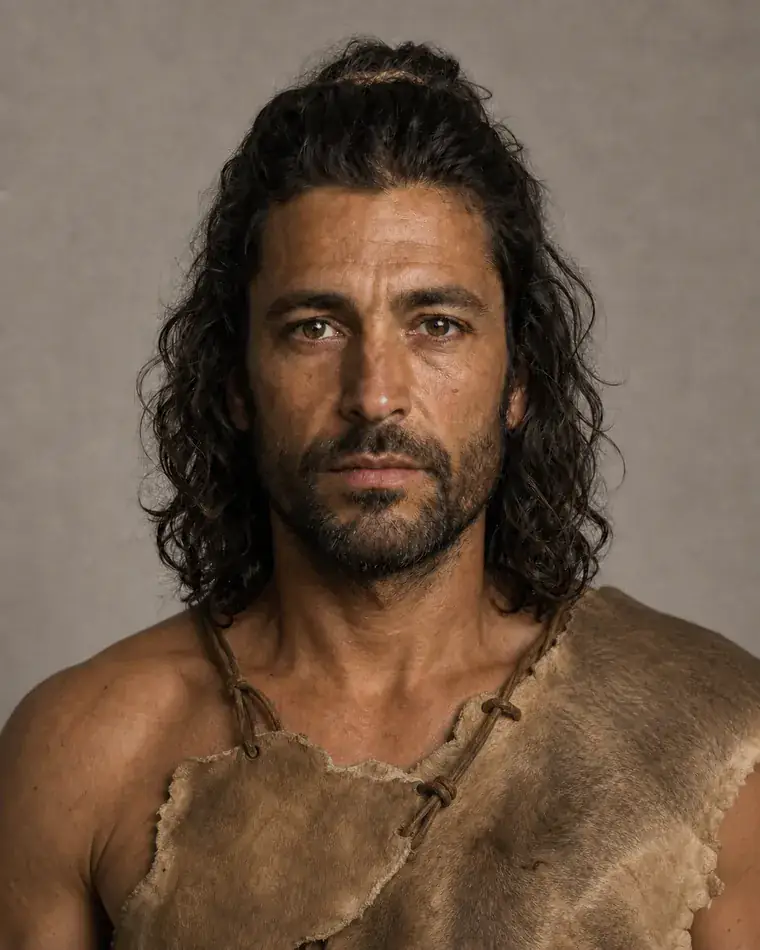
Knows the paths and the hunt.
Welcomes you to the camp.
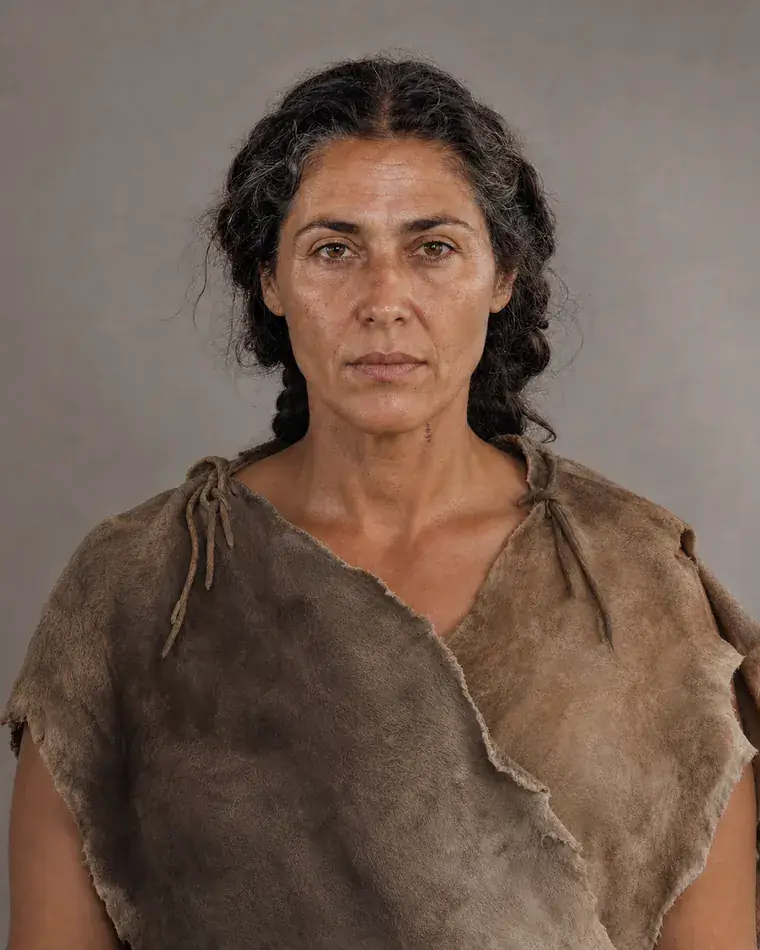
Prepares hides for warm clothing.
Helps people who need a hand.
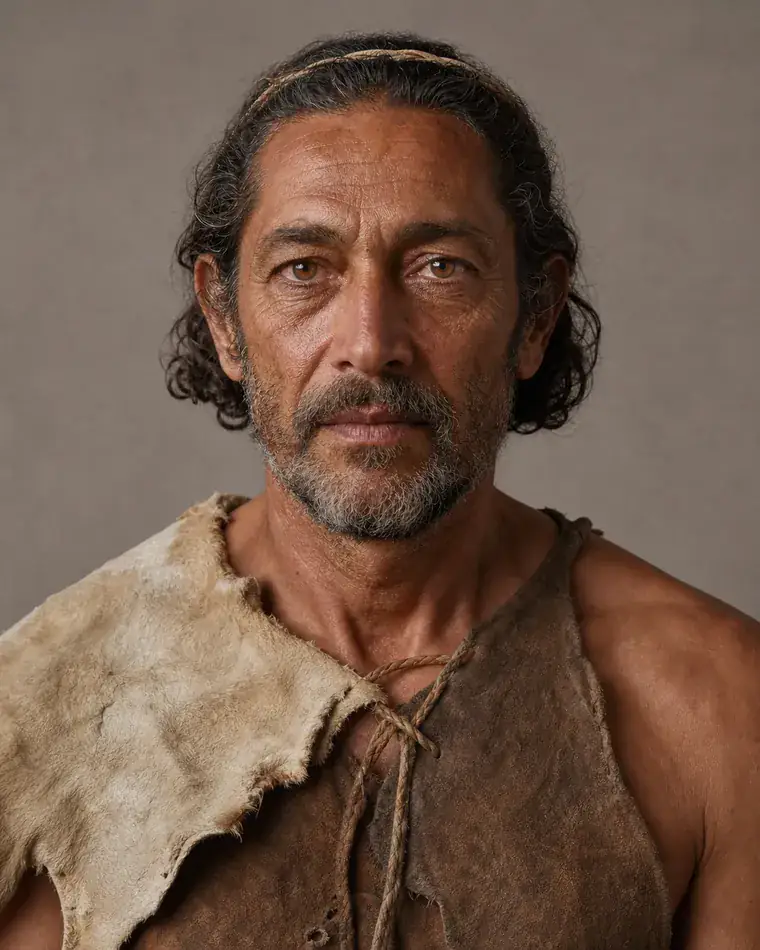
Paints and tells stories.
People listen by the fire after dinner.
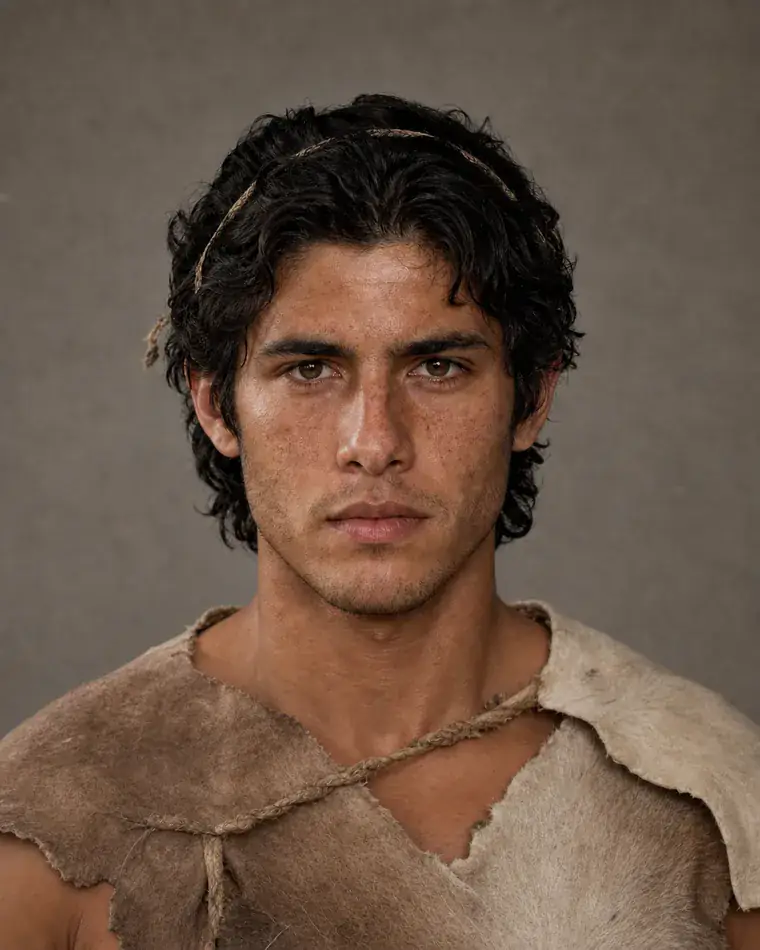
Follows animal tracks.
Shows you what to look for.
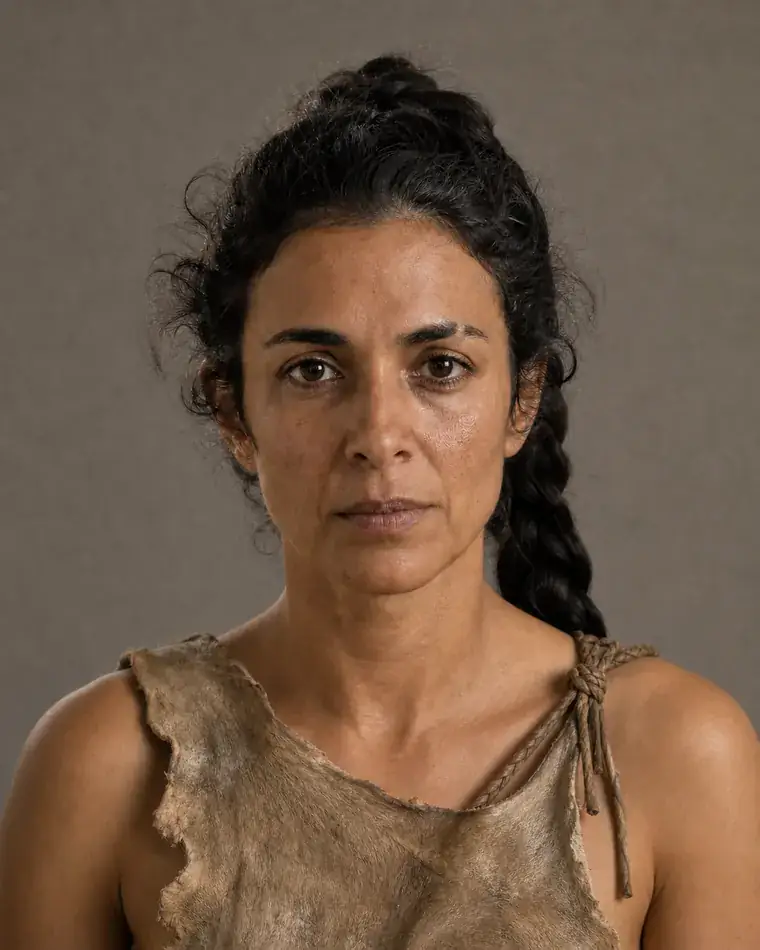
Gathers plants for food.
Keeps some for later.
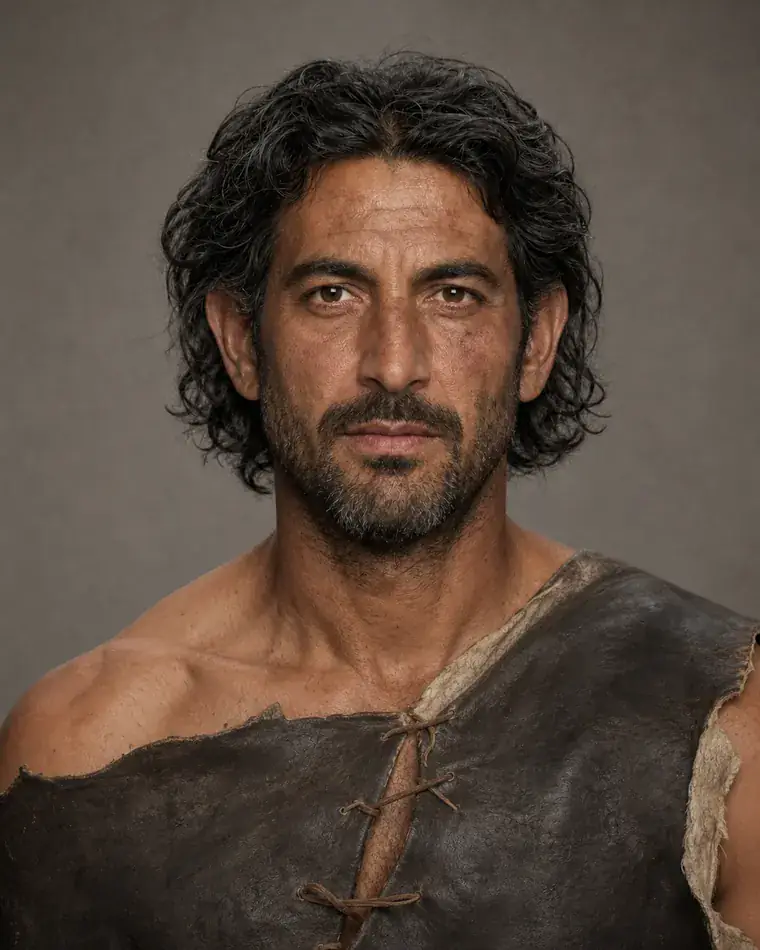
Works with stone and wood.
Shows you how he tests his tools.
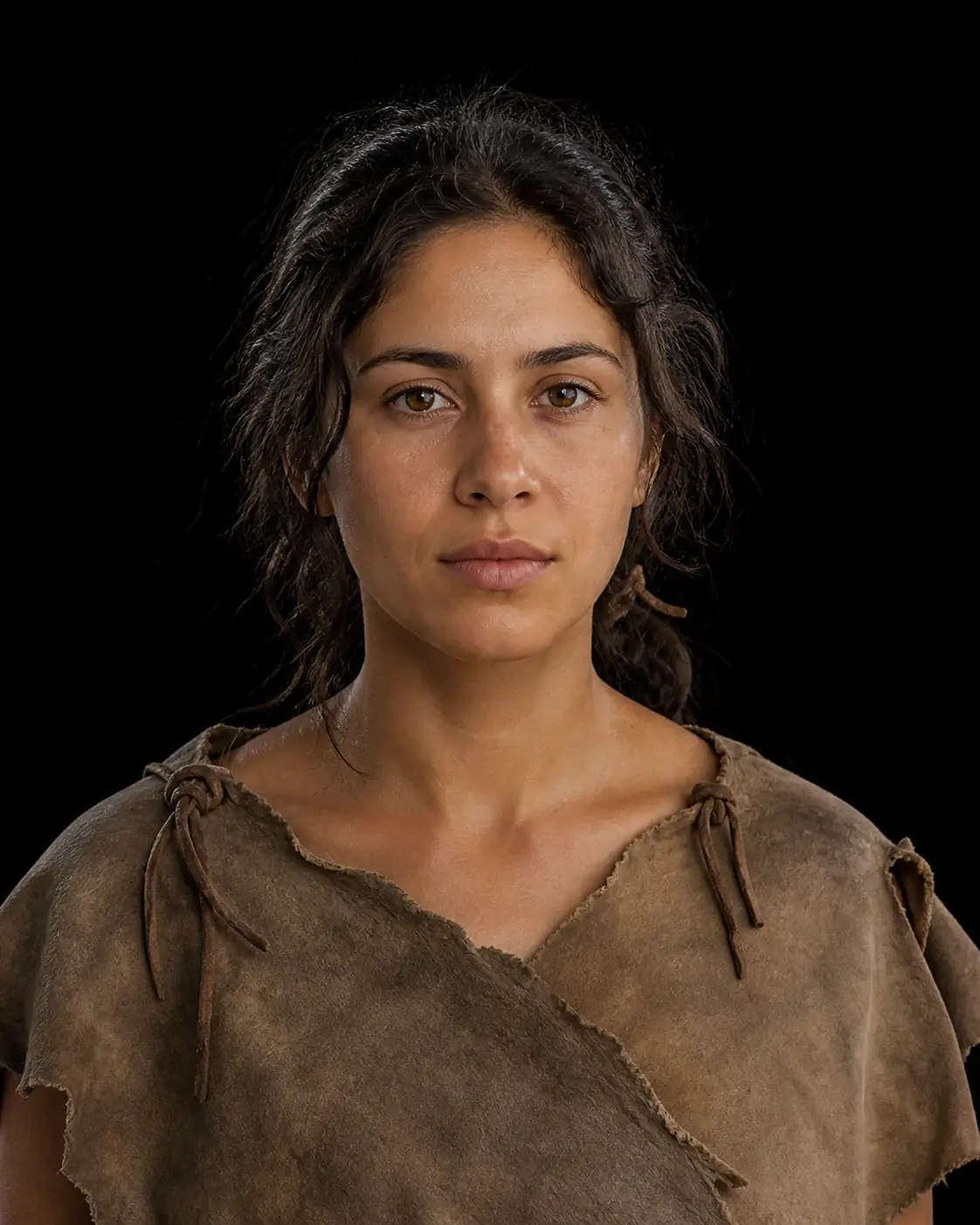
Makes a necklace for her daughter.
Shares the work with her family.
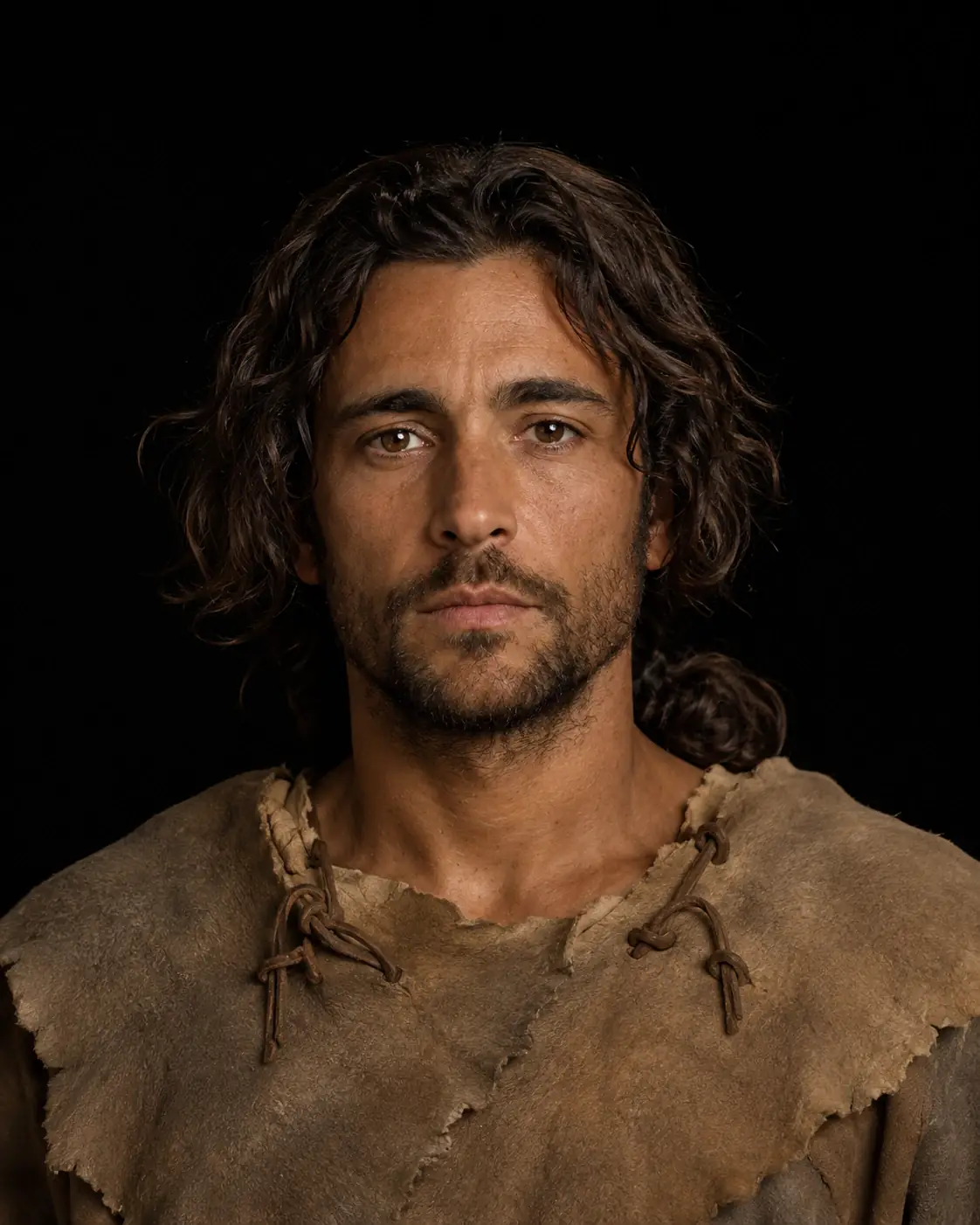
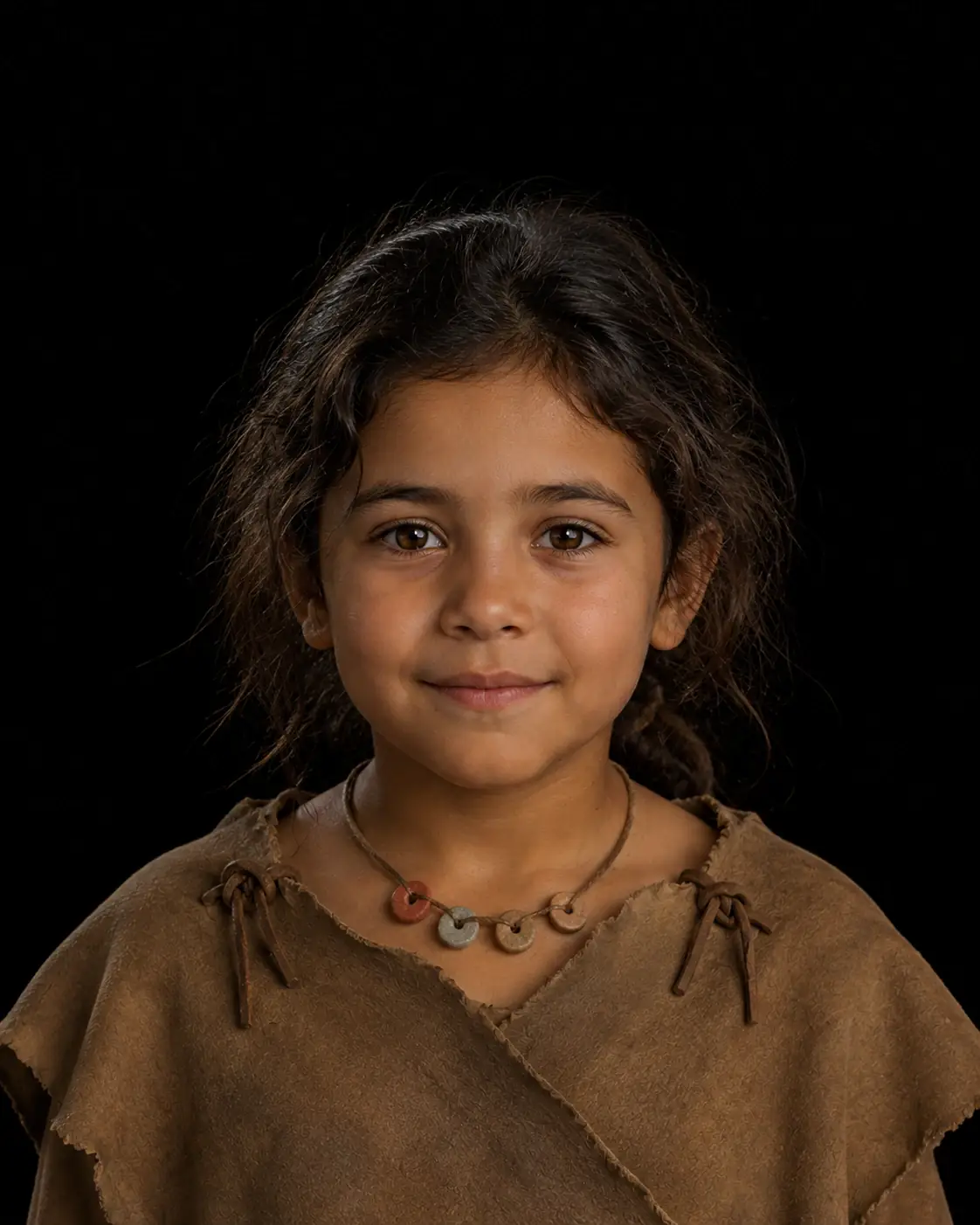
Wants to choose a necklace bead.
Always has another question.
The alpha can now be played all the way through, from the arrival to the end.
05Museums by region
Start with Prehistory, which is free, then follow whichever region draws you in. These cultures meet and influence one another: they are not rungs on a ladder of progress.
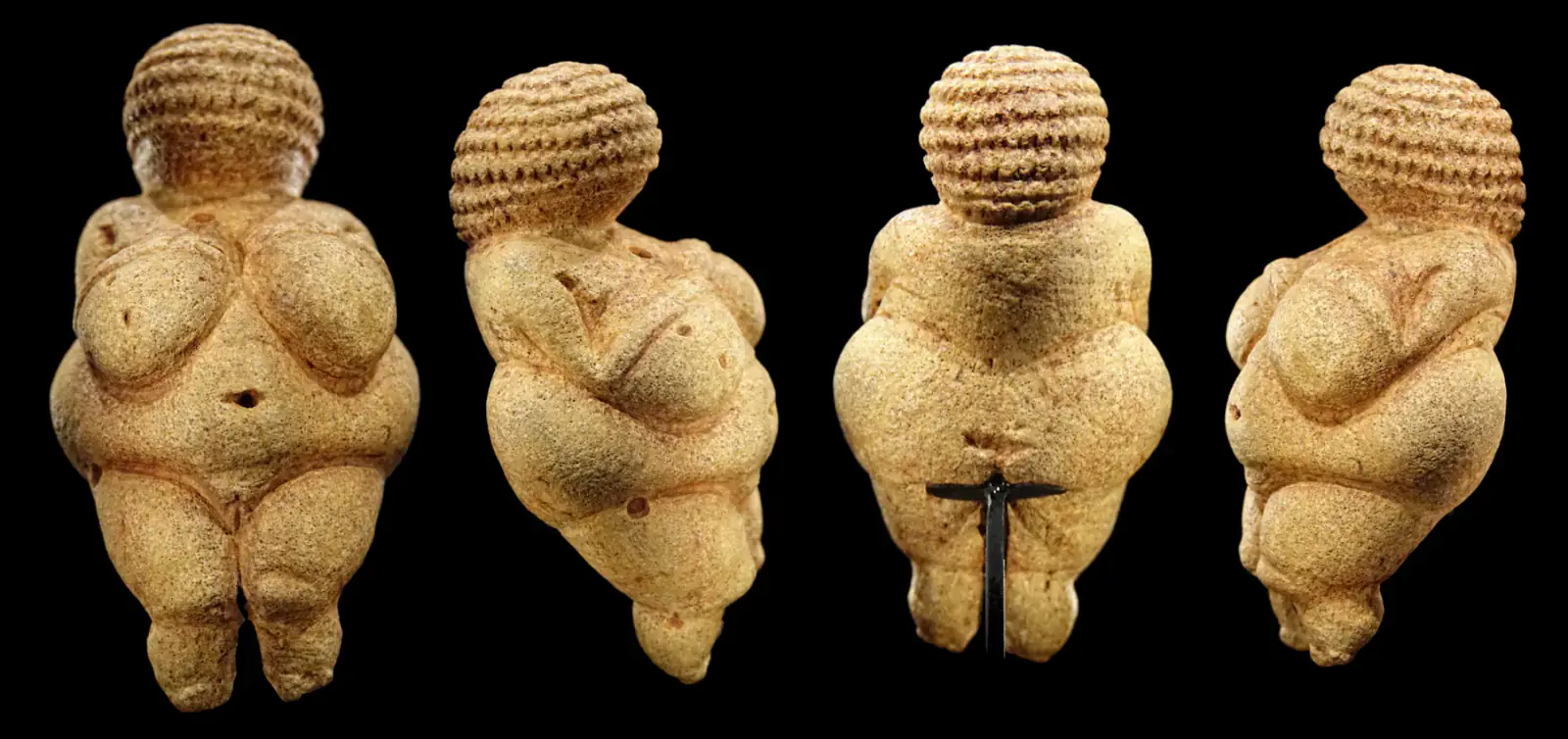
The beginning
From the first humans to the Copper Age: tools, art and people.
06Families and schools
It is made for anyone from about 10 upwards: clear writing for beginners, and sources for anyone who wants to know more.
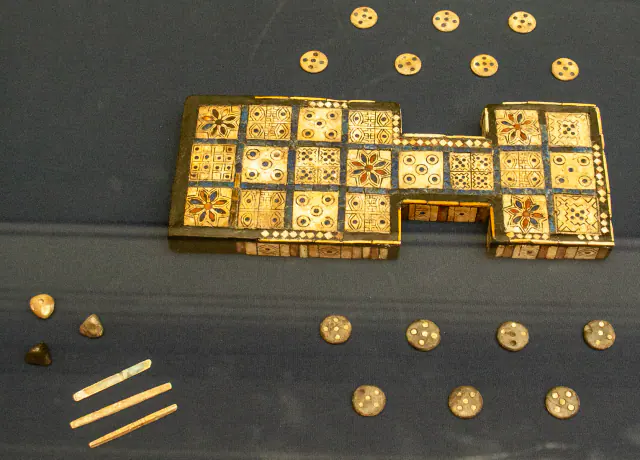
The museum reads each exhibit aloud, with a text suited to whoever is listening. You can always choose a simpler version.
Up to 30 people, including the organiser. The organiser prepares up to 20 questions, and the group looks for the answers in the exhibits, individually or in teams.
Adult Patrons and school staff can organise a visit. Joining with an invitation is free.
Organise or join a group visitYour school can ask for a yearly price for all its pupils, based on the number of pupils and the museums you need.
Ask for a school price07Prices
Prehistory is free. For the other museums you will pay once, with no subscription.
Until payments are switched on, all museums remain open with your free account.
Free
The museum and the game. They will stay free once payments are switched on.
$2.50 per museum
One-off payment: the museum stays in your account, with the 3D visit, the gallery and the audio guides.
$3 per museum
Everything in the ticket, plus extra stories with sources. If you already have the ticket, you only pay the difference.
$49 once
Every museum with a VIP pass, for ever, and everything we publish later.
Prices in US dollars (USD), taxes included.
See prices and Patron08In the works
None of this is ready yet. We share it so you know where we are heading.
09Questions
Prehistory is free. Each of the other museums will have a $2.50 ticket or a $3 VIP pass, paid once, and Lifetime Patron will cost $49. Until payments are switched on, all museums remain open with your free account.
Not to read the exhibits or Volume 1, or to play the alpha. You do need one to walk through the museums in 3D and save your visit. The account is free and we never ask for a card.
Anyone from about 10 upwards. The audio guides adapt to each age. If you are under 18, ask a parent or guardian to help you create your account.
Create your account, open Group visits and set up your educator profile. You can invite up to 29 people, and each joins with their own free account. To use it all year, ask for a price for your school.
Yes, as an alpha: the whole Prehistory campaign, free in your browser and in Spanish only for now. It takes three to four hours, with mouse and keyboard or touch controls. The PC and console edition has no release date yet.
The places and objects in the museums are real, and every exhibit cites its sources. When a person has been recreated or invented, the exhibit says so and explains why. In the story that ties it all together, the Arecibo message is real; Arca, the Avenyth, Veritas, Aletheia and the Sarımğara clan are fiction.
Not yet. The conversations are being prepared and will start with Prehistory. Meanwhile, you can read their stories in the museum.
The website and the museums are translated: choose your language from the menu. The game and Volume 1 are only in Spanish for now.