 English
 Español
 Français
 Italiano
 Deutsch
 Русский
 Português
 Polski
 Română
 Svenska
 Norsk bokmål
 Suomi
 Türkçe
 العربية
 简体中文
 한국어
 हिन्दी
 Ελληνικά
01 · INITIAL ATLAS · ORIGIN AND EXPANSION
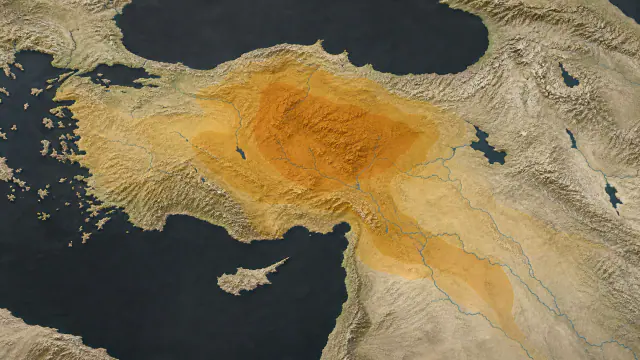
Hittite Map
Explore the Hittite cities of Anatolia and the changes of their frontiers.
Read the complete record → TRACEKEEPERS
HISTORY · OPEN COLLECTION
The Hittite kingdom emerged within a multilingual Anatolian world of towns and merchant quarters. Trading networks and the conquests of rulers from Kussara helped reshape the region before the Old Kingdom.
29 complete records · free to read, no account needed
Read freely here. A free account saves your visits inside the museum.
Before you begin · Hittites
Hittite power formed in a region with a long history of agricultural villages, cities and trade routes.
c. 7400–6200 BCE
Houses, crops and symbolic practices document settled communities very anterior to any Hittite kingdom.
Beginning of the 2nd millennium BCE
The routes between Anatolia and Mesopotamia leave archives of contracts, letters and family life.
II millennium BCE
The city heads a power that transforms the political relations of Anatolia and Syria.
In Anatolia, Neolithic settlements such as Çatalhöyük document agricultural life thousands of years before the Hittites. Between approximately 7400 and 6200 BCE, its inhabitants built attached houses, paintings and reliefs, and organised domestic and ritual activities. This past helps to understand the historical depth of the region; it does not identify those communities as Hittite nor establish a direct descent.
During the Bronze Age, Anatolia brought together cities and principalities with distinct languages and cults. At the beginning of the 2nd millennium BCE, Assyrian and Anatolian merchants coexisted in Kanesh. Their clay archives record business, debts and family matters. The routes linked Anatolia with Mesopotamia long before Hattusa headed an empire; the preserved writing comes here, above all, from private relations.
The conquests of rulers of Kussara altered the balance between cities. During the 2nd millennium BCE, Hattusa became the capital of a kingdom that extended its influence over Anatolia and northern Syria. Its organisation combined regional traditions and external contacts. Temples, fortifications, treaties and archives allow studying how that plural world came to sustain a great power.
The museum pieces show how commerce, laws, war and ritual participated in the construction of Hittite power.
Interpreting these traces. The Neolithic villages and the Assyrian merchants are regional antecedents, not phases of a single Hittite identity.
≈1650 BCE · WESTERN ASIA
Access to the museum brings together the atlas and the background of the Hittites. Then, seven areas organise the historical context, culture, architecture, figures and society, treasures and equipment, beliefs and curiosities, and four historical doors to other museums. Each file preserves narrative layers, cautions and differentiated sources.
The room combines a specific visual catalog with an audited thematic dossier. Separates facts, interpretations and cautions; the 3D volumes continue to be replaceable markers until models with provenance and license are incorporated.
The crisis of the mercantile quarters and the conquests of the kings of Kussara reordered an urban and multilingual world from which the Old Hittite Kingdom emerged.
The merchants were largely Assyrian and the Anatolian populations spoke several languages; the Kanesh archive must not be presented as a Hittite state administration.
Read the background and its sources →EXPLORE THE COLLECTION
Follow the museum’s curated order or go straight to a section. Every record includes its full public documentation and sources.
01 · COLLECTION
Consult the maps and initial context sheets to situate this museum in time and territory; then choose the areas that interest you most.
01 · INITIAL ATLAS · ORIGIN AND EXPANSION
Explore the Hittite cities of Anatolia and the changes of their frontiers.
Read the complete record →02 · BEFORE HATTI · c. 3000–1650 BCE
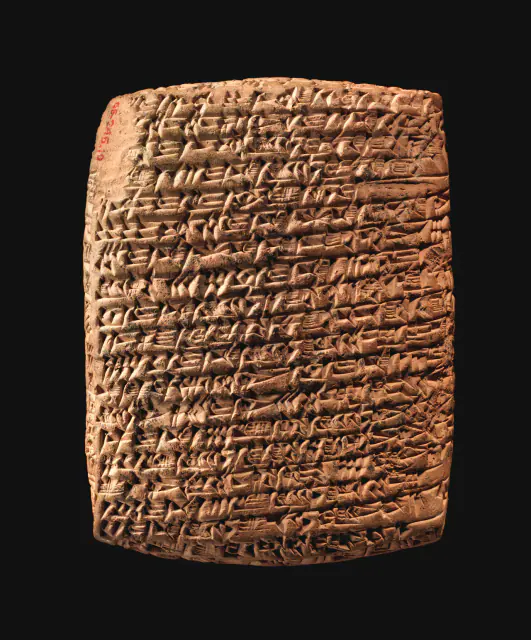
Before the Hittite empire, the cities of Anatolia already had merchants, debts and written accounts.
Read the complete record →02 · COLLECTION
The first stop reconstructs the area before the Hittites; afterwards, places and processes allow entry into their history without reducing it to a start date or an inevitable destiny.
01 · 01 · HATTUSA · FORTIFICATION
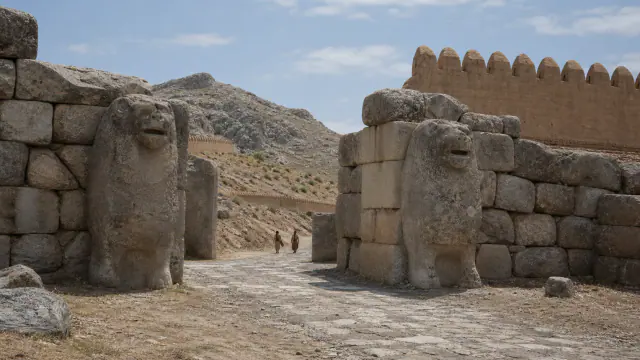
Two stone lions flanked an entrance to Hattusa, whose walls combined stone, mudbrick and timber.
Read the complete record →02 · 02 · LOWER CITY · GREAT TEMPLE
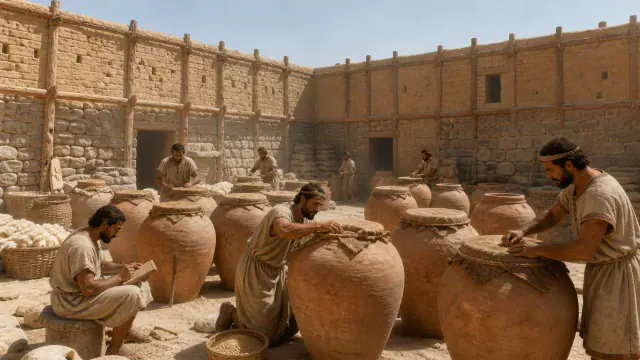
The temple storerooms held resources needed for staff, festivals and offerings.
Read the complete record →03 · 06 · ROCK SANCTUARY · LANDSCAPE
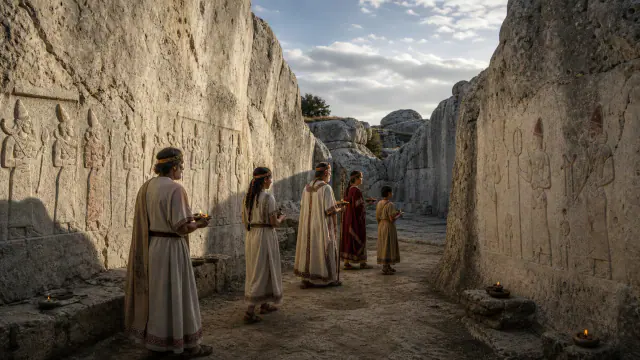
The figures of gods and goddesses were carved into the walls of two natural rock chambers.
Read the complete record →04 · 08 · CONFLICT · ORONTES
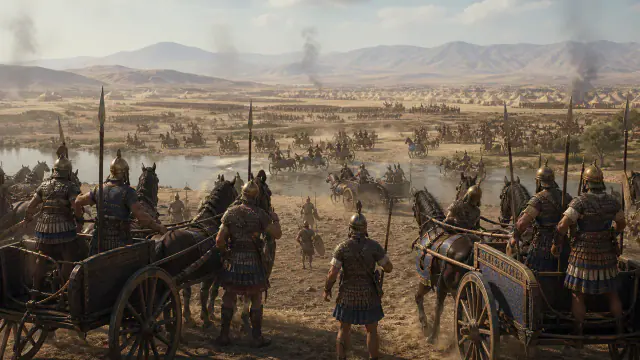
The Battle of Qadesh pitted Hittites against Egyptians; the images of Ramesses II tell his own version.
Read the complete record →05 · 12 · LEGACY · SYRO-HITTITE KINGDOMS
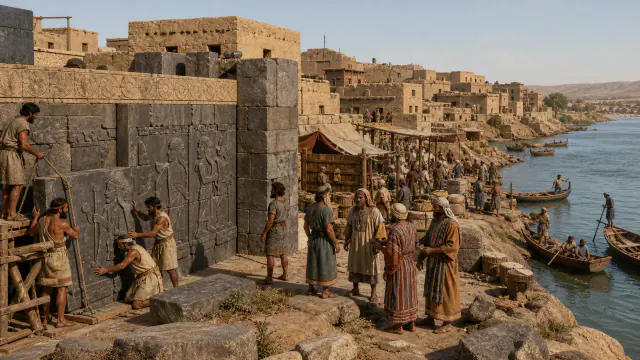
After the abandonment of Hattusa, other kingdoms retained titles, gods and images of Hittite tradition.
Read the complete record →03 · COLLECTION
These stops distinguish instruments, ritual actions, orality or writing and visual culture. Where there is no theatre, score or certain meaning, the museum preserves the limit.
01 · LIVING AND DOCUMENTED CULTURE · 01
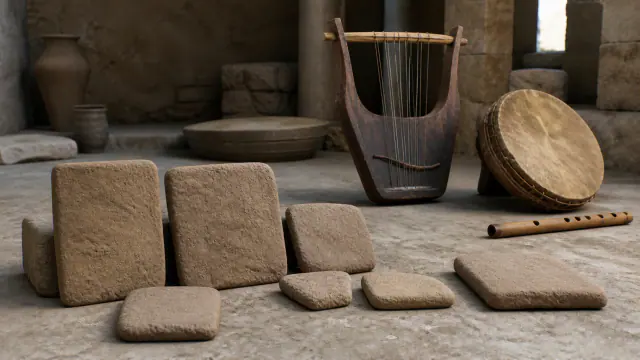
The tablets indicate when singers and musicians intervened in ceremonies, but do not preserve the melodies.
Read the complete record →02 · LIVING AND DOCUMENTED CULTURE · 02
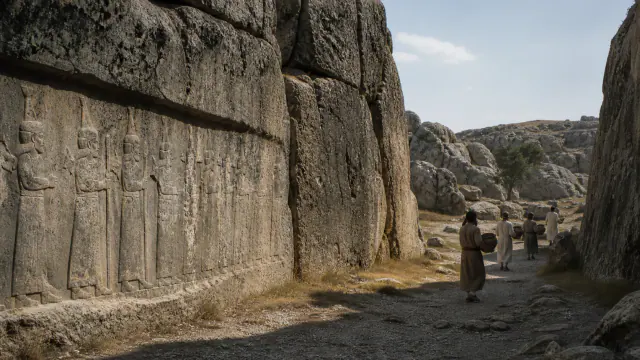
The ceremonies combined recitations in several languages, gestures, food and processions.
Read the complete record →03 · LIVING AND DOCUMENTED CULTURE · 03
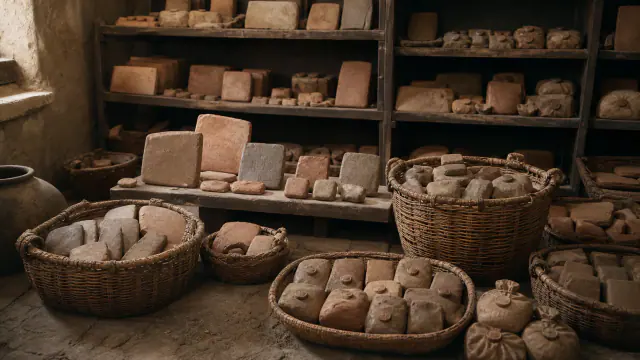
The archives of Hattusa kept texts in several languages, used for treaties, prayers and other matters.
Read the complete record →04 · LIVING AND DOCUMENTED CULTURE · 04
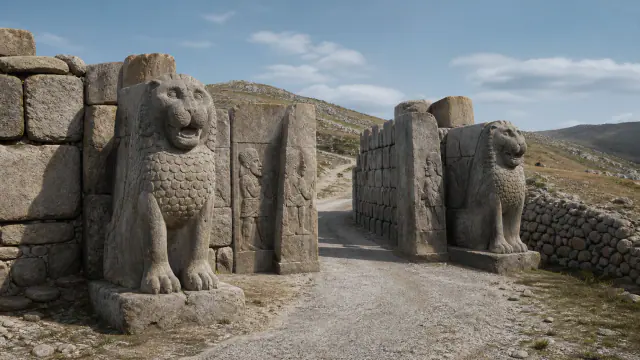
Lions, sphinxes and reliefs formed part of the gates and sanctuaries, not isolated pieces.
Read the complete record →04 · COLLECTION
These architectures explain how materials, water, work and memory organized the territory without converting an elevation reconstruction into certainty.
01 · ARCHITECTURE AND LANDSCAPE · 01
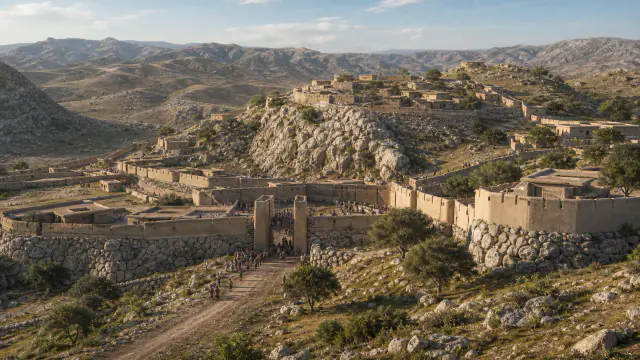
Hattusa adapted its walls, gates and buildings to a terrain of steep slopes.
Read the complete record →02 · ARCHITECTURE AND LANDSCAPE · 02
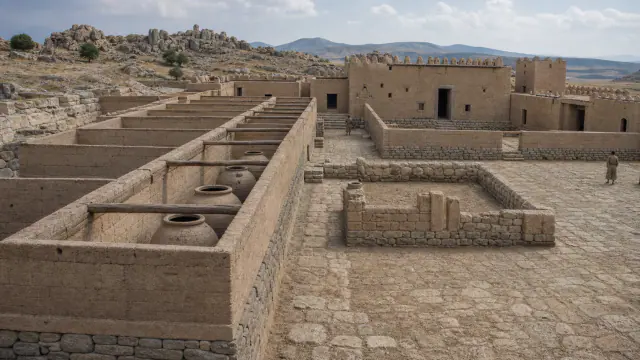
Large vessels and storerooms allowed the conservation of the products the temple needed.
Read the complete record →03 · ARCHITECTURE AND LANDSCAPE · 03
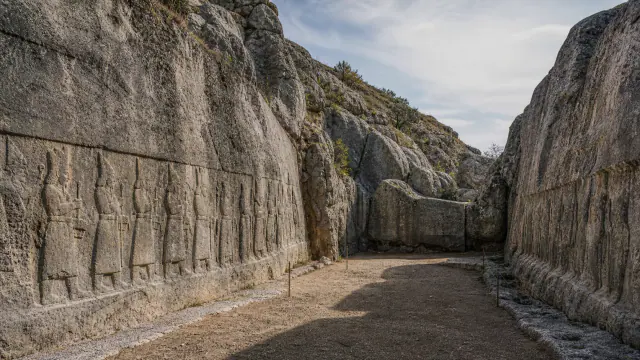
Two natural chambers received reliefs and ceremonial processions.
Read the complete record →05 · COLLECTION
Known people, reconstructed voices and collective footprints. From oldest to most recent according to life, reign or scene. The periods may overlap; The voices without a determinable date close the journey.
01 · 11 · CRISIS · POLITICAL MEMORY
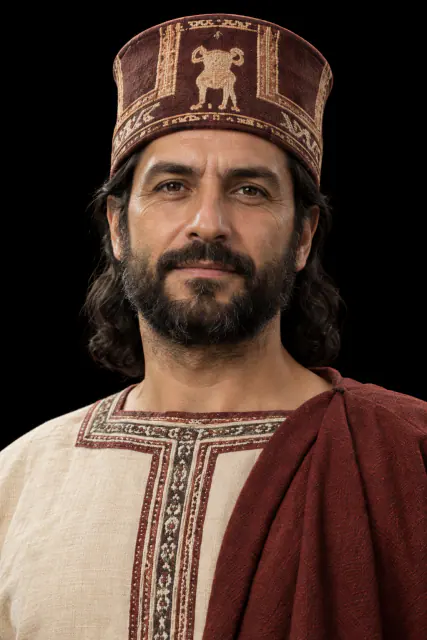
In the face of a long epidemic, Mursili II consulted archives and oracles seeking a religious explanation.
Read the complete record →02 · 04 · DISCOVERY · MULTILINGUALISM
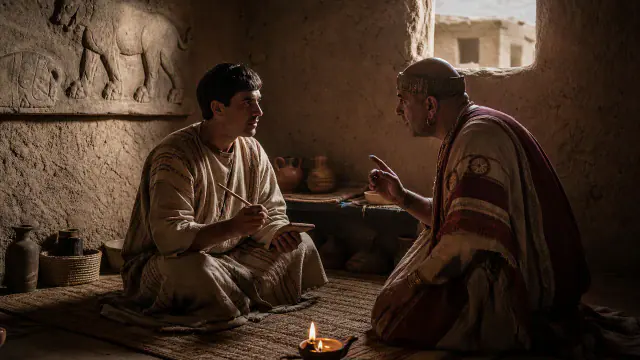
A tablet written in Hittite includes a ritual in another language, now called Kalasmaic.
Read the complete record →03 · 05 · DIPLOMACY · TAWANANNA
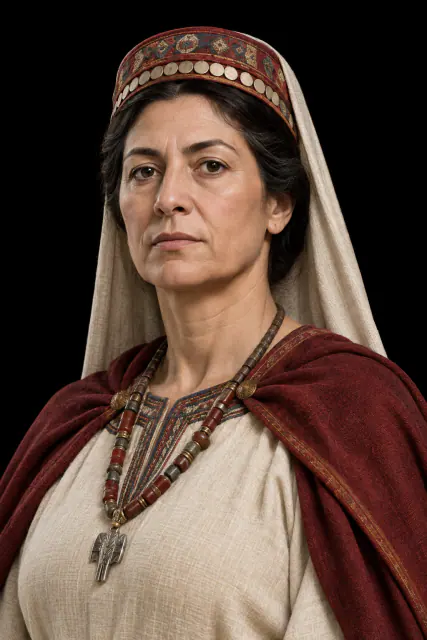
Puduhepa directed palace and cult affairs and maintained correspondence with the Egyptian court.
Read the complete record →06 · COLLECTION
Concrete pieces to understand materials, decisions and knowledge systems, with separate evidence and interpretation.
01 · 03 · TABLETS · MEMORY OF THE WORLD
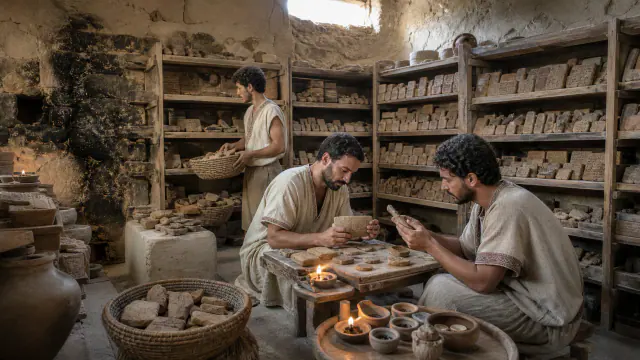
Treaties, ritual recipes and letters survived because the fire baked part of the clay.
Read the complete record →02 · 07 · RITUAL · PRECIOUS METAL
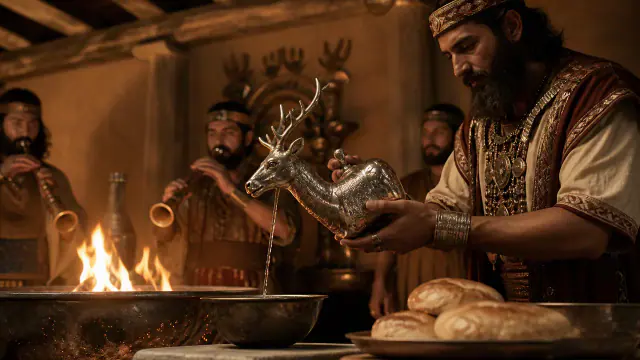
This silver vessel in the shape of a stag is decorated with a scene of offering to the gods.
Read the complete record →03 · 09 · DIPLOMACY · QADESH
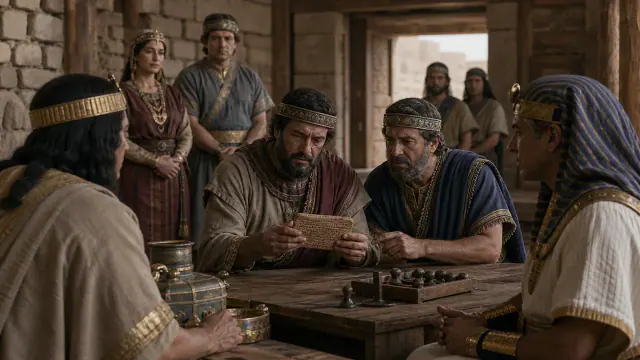
Egypt and Hatti agreed peace, mutual aid and extradition in a treaty preserved in two versions.
Read the complete record →04 · 10 · TREATY · WESTERN ANATOLIA
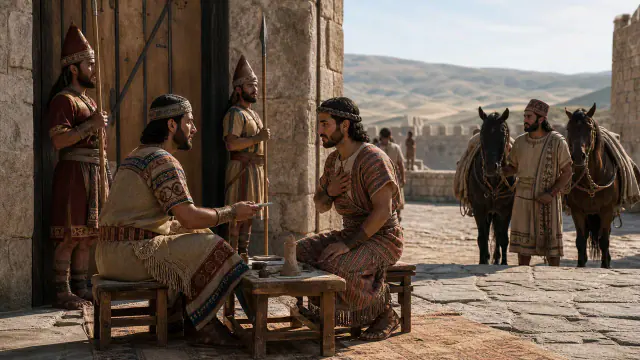
The treaty with Alaksandu of Wilusa fixed obligations of protection and loyalty towards the Hittite king.
Read the complete record →05 · DOCUMENTED OUTFIT · CLOSED CONTEXT OR CONTROLLED COMPARISON
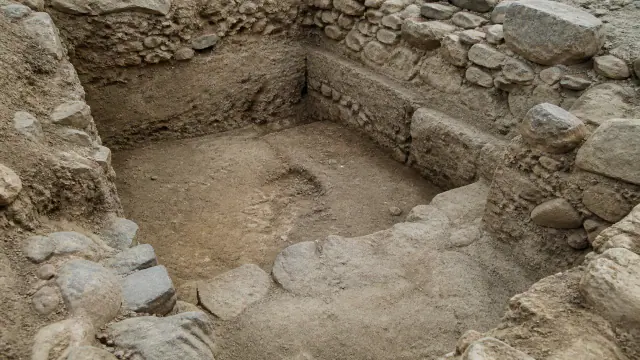
The known cemeteries include cremations and inhumations, but we do not have an identified Hittite royal tomb.
Read the complete record →07 · COLLECTION
These cards separate what is documented from what is interpreted and recover practices, questions and details capable of changing our image of this culture.
01 · BELIEFS AND CURIOSITIES · 01
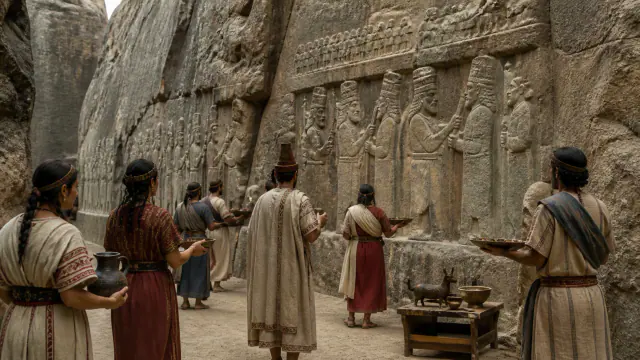
The Yazılıkaya sanctuary gathers gods of different traditions in processions carved in the rock.
Read the complete record →02 · BELIEFS AND CURIOSITIES · 02
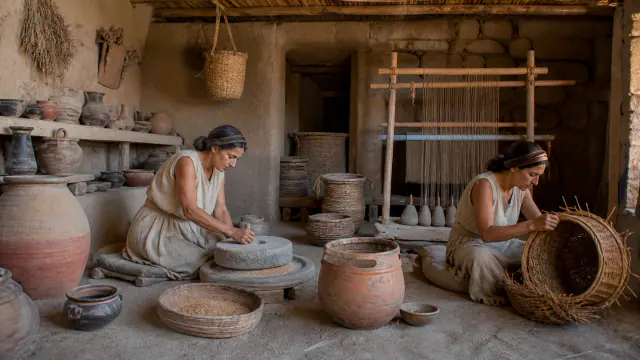
The texts preserve tasks of scribes, messengers and specialists, but tell us less about other people.
Read the complete record →03 · BELIEFS AND CURIOSITIES · 03
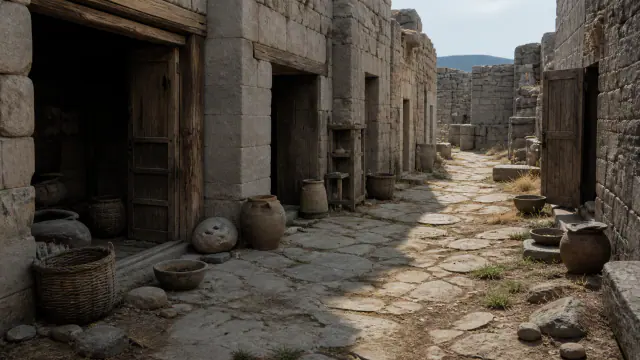
Mursili's prayers show how the king linked an epidemic to the actions of his predecessors.
Read the complete record →08 · COLLECTION
Each door explains why the link exists, when it occurred, and what limits prevent contact from being converted into shared identity.
01 · GATE 01 · AFRICA · CONFLICT
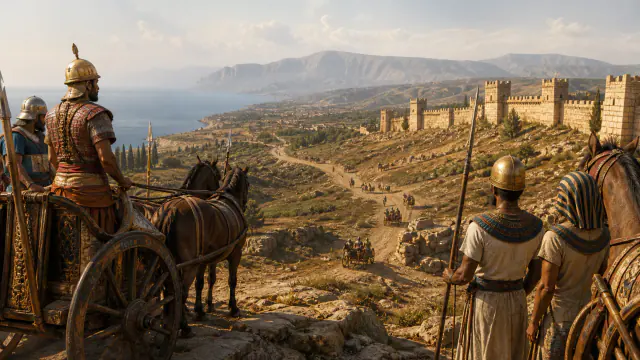
Continues in the Egypt museum
Read the complete record →02 · DOOR 02 · ASIA · INFLUENCE
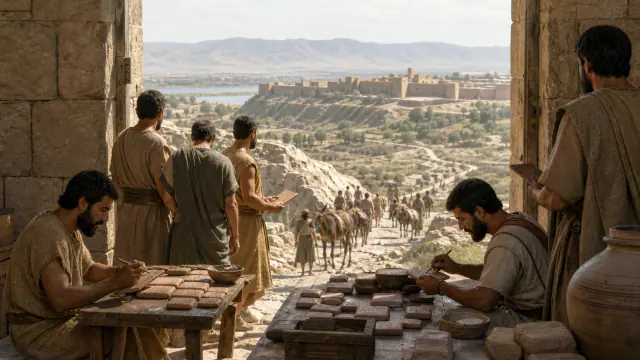
Continues in the Sumeria museum
Read the complete record →03 · DOOR 03 · ASIA · CONTACT
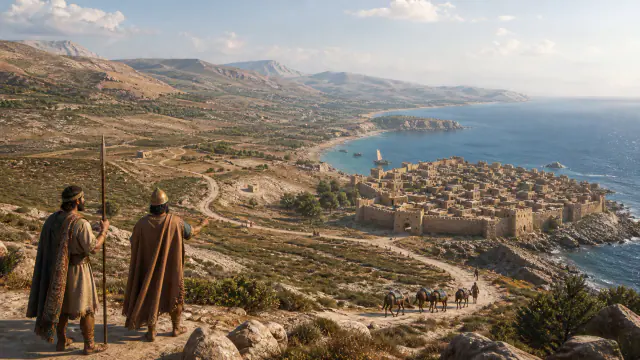
Continues in the Phenicia museum
Read the complete record →04 · GATE 04 · EUROPE · CONTACT
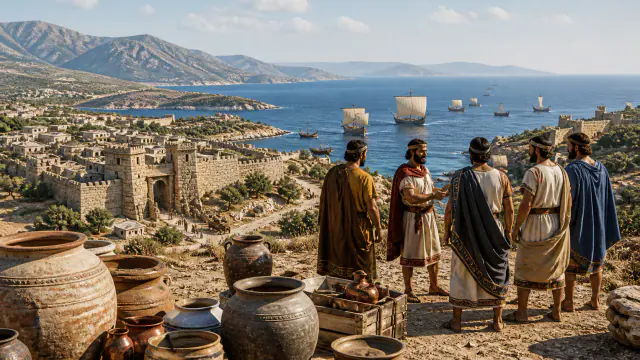
Continues in the Greek museum
Read the complete record →El juramento bajo la tormenta
Discover the connected fiction project. The available Prehistory reader is in Spanish; other volumes are not presented as finished products for sale.
Explore the books →Try the available Prehistory browser alpha. Campaigns for the other cultures are still in development.
Open the game (Spanish) →Use each record’s institution and heritage links to continue your research. Country-by-country historical travel guides are planned, not yet published.
Historical travel →Discover artistic designs inspired by the collections and check each product’s availability. Museum access remains free.
Explore the collection →