 English
 Español
 Français
 Italiano
 Deutsch
 Русский
 Português
 Polski
 Română
 Svenska
 Norsk bokmål
 Suomi
 Türkçe
 العربية
 简体中文
 한국어
 हिन्दी
 Ελληνικά
01 · INITIAL ATLAS · ORIGIN AND EXPANSION
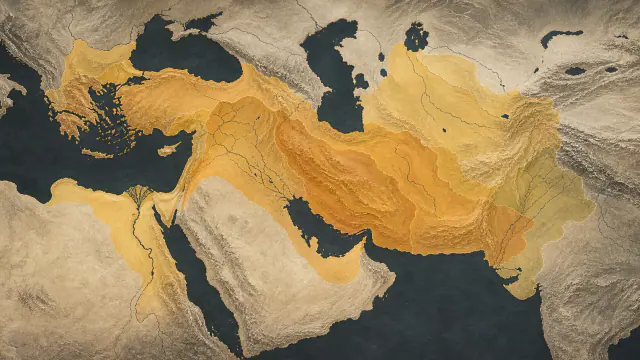
Map of Persia
Follow the empire's expansion and the routes linking Pasargadae, Persepolis and Susa.
Read the complete record → TRACEKEEPERS
HISTORY · OPEN COLLECTION
The Achaemenids transformed regional authority into a transcontinental empire. Elamite languages and specialists remained important while new forms of Persian kingship organised a diverse political world.
36 complete records · free to read, no account needed
Read freely here. A free account saves your visits inside the museum.
Before you begin · Persia
The Achaemenid Empire was born in a territory that had already accumulated centuries of settlement, writing and experiences of government.
Prehistory of Fars
Ceramics and village remains document prehistoric communities prior to Elamite cities and Persian kings.
4th–2nd millennia BCE
Cities, inscriptions and archives connect Fars with Susa within changing political and economic networks.
From c. 550 BCE
The defeat of the Medes initiates an imperial expansion that incorporates territories, populations and institutions already existing.
The lands of present-day Iran hosted very diverse prehistoric communities. Sites such as Tal-i Bakun in Fars preserve ceramics and settlement remains predating the empire. The valleys, mountains and routes towards Mesopotamia favoured different forms of cultivation, livestock rearing and interaction; Persian history did not begin on an empty space.
From the end of the 4th and during the 3rd millennium BCE, Anshan, identified with Tall-i Malyan, was an important centre in Fars. It formed part of the Elamite world, connected with Susa. Inscriptions, bricks and administrative documents allow recognition of institutions and a language of its own, long before Persian kings dominated the region.
In the 1st millennium BCE, Persian rulers adopted the title of kings of Anshan. With Cyrus II, the defeat of Median power around 550 BCE opened an expansion that incorporated large neighbouring kingdoms. The new empire brought together distinct traditions of administration, craftsmanship and representation of power; its scale arose from conquests and the adaptation of those earlier experiences.
The reliefs, prestige objects and testimonies of government in the museum acquire meaning within that history of contacts and inheritances.
Interpreting these traces. Elamite and Persian are not interchangeable names; the transformation of Anshan was not an immediate substitution of its entire population and culture.
≈700–550 BCE · empire from ≈550 · WESTERN ASIA
Access to the museum brings together the atlas and the antecedents of Persia. Afterwards, seven areas order the historical context, culture, architecture, persons and society, treasures and grave goods, beliefs and curiosities, and five historical gates towards other museums. Each file preserves narrative layers, cautions and differentiated sources.
The room combines a specific visual catalog with an audited thematic dossier. Separates facts, interpretations and cautions; the 3D volumes continue to be replaceable markers until models with provenance and license are incorporated.
The Achaemenids turned a regional tradition of authority into a transcontinental empire, conserving Elamite languages and specialists while articulating new Persian forms of kingship.
Do not present Elam as a Persian phase nor Kurangun as Achaemenid: both are regional antecedents whose influence is documented without implying continuous ethnic identity.
Read the background and its sources →EXPLORE THE COLLECTION
Follow the museum’s curated order or go straight to a section. Every record includes its full public documentation and sources.
01 · COLLECTION
Consult the maps and initial context sheets to situate this museum in time and territory; then choose the areas that interest you most.
01 · INITIAL ATLAS · ORIGIN AND EXPANSION
Follow the empire's expansion and the routes linking Pasargadae, Persepolis and Susa.
Read the complete record →02 · BEFORE THE EMPIRE · ANSHAN AND ELAM · III MILLENNIUM–SEVENTH CENTURY BCE
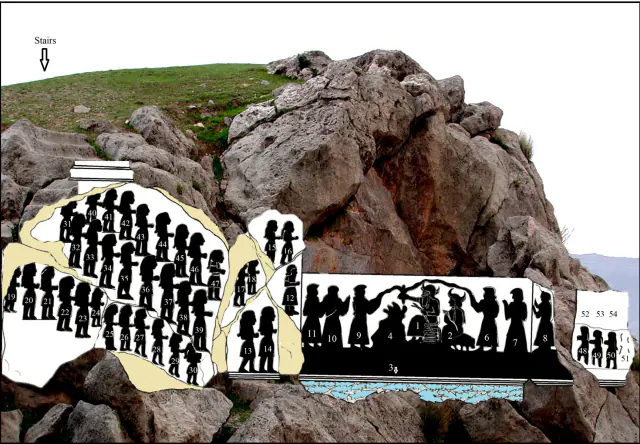
Before the Persian Empire, the region of Fars already had cities, sanctuaries and relations with Susa.
Read the complete record →02 · COLLECTION
The first stop reconstructs the area before Persia; afterwards, places and processes allow entry into its history without reducing it to a start date or an inevitable destiny.
01 · 01 · Fars · architecture of a new dynasty
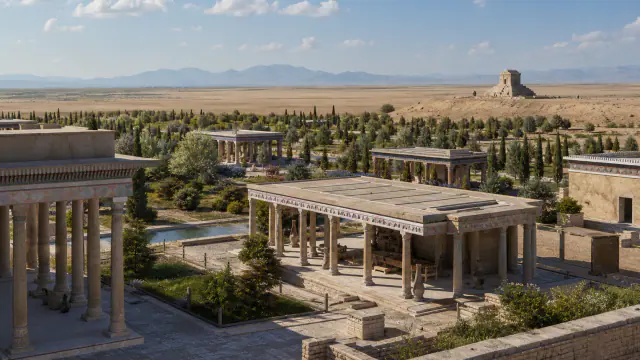
Separate palaces among gardens combined techniques and forms of peoples incorporated by Cyrus.
Read the complete record →02 · 11 · Fars · the empire carved into a mountain
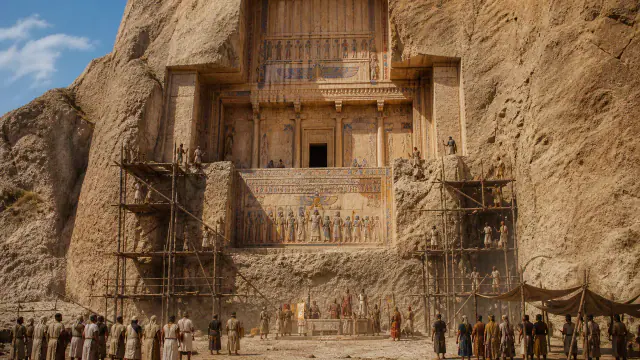
The façade shows the king on a platform borne by representatives of the empire’s territories.
Read the complete record →03 · COLLECTION
These stops distinguish instruments, ritual actions, orality or writing and visual culture. Where there is no theatre, score or certain meaning, the museum preserves the limit.
01 · LIVING AND DOCUMENTED CULTURE · 01
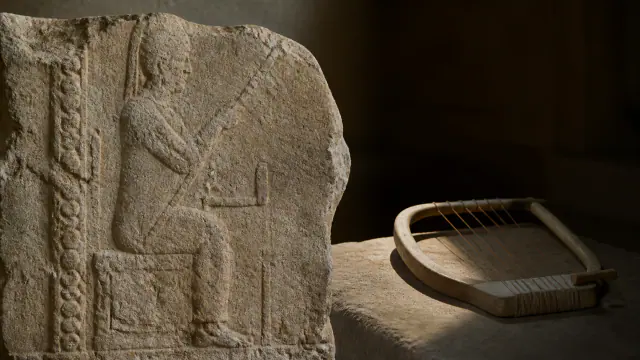
The testimonies speak of musicians and court ceremonies, but they do not allow a secure reconstruction of how they sounded.
Read the complete record →02 · LIVING AND DOCUMENTED CULTURE · 02
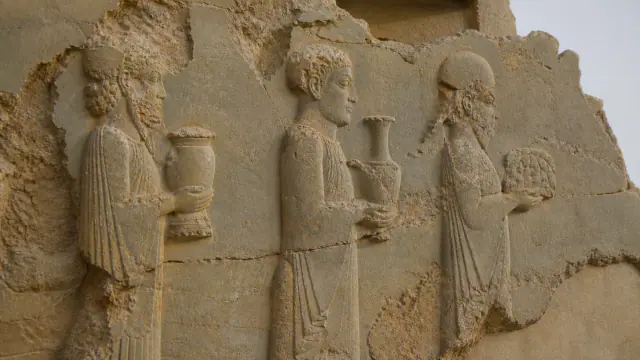
The reliefs show delegations bringing gifts to the king.
Read the complete record →03 · LIVING AND DOCUMENTED CULTURE · 03
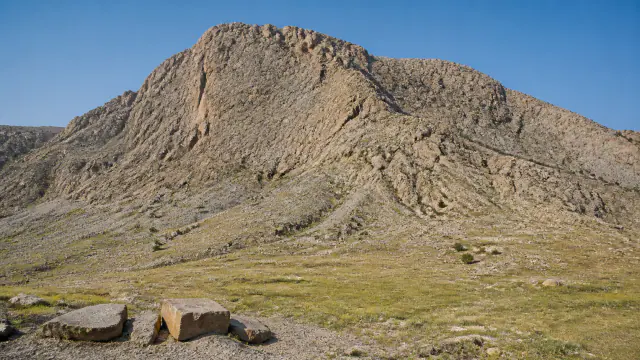
Bisotun combines Old Persian, Elamite and Akkadian to narrate Darius's victory.
Read the complete record →04 · LIVING AND DOCUMENTED CULTURE · 04
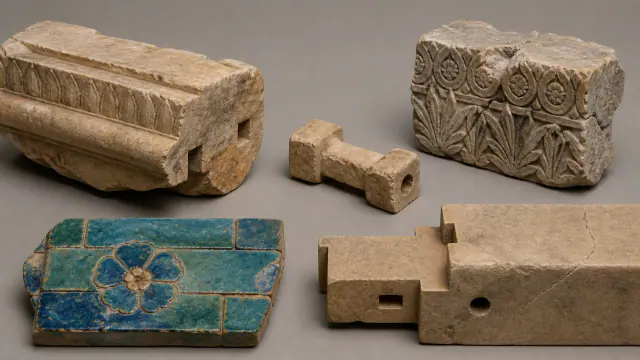
Artisans from different regions contributed techniques and designs to the palaces and their objects.
Read the complete record →04 · COLLECTION
These architectures explain how materials, water, work and memory organized the territory without converting an elevation reconstruction into certainty.
01 · ARCHITECTURE AND LANDSCAPE · 01
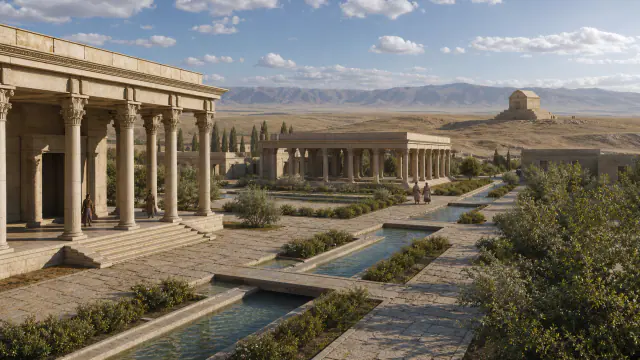
Canals and gardens surrounded the pavilions of the royal complex at Pasargadae.
Read the complete record →02 · ARCHITECTURE AND LANDSCAPE · 02
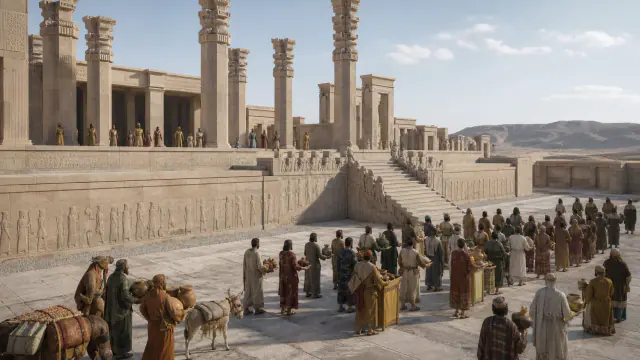
Stairs, columns and great halls organised the entrance and receptions of the royal complex.
Read the complete record →03 · ARCHITECTURE AND LANDSCAPE · 03
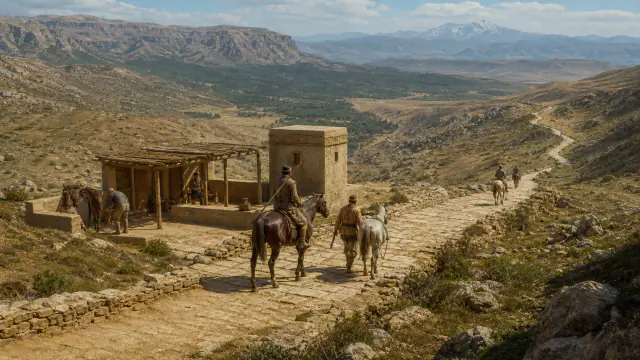
Routes, bridges and stations for messengers connected the provinces of the empire.
Read the complete record →05 · COLLECTION
Known people, reconstructed voices and collective footprints. From oldest to most recent according to life, reign or scene. The periods may overlap; The voices without a determinable date close the journey.
01 · 02 · Pasargada · founder's memory
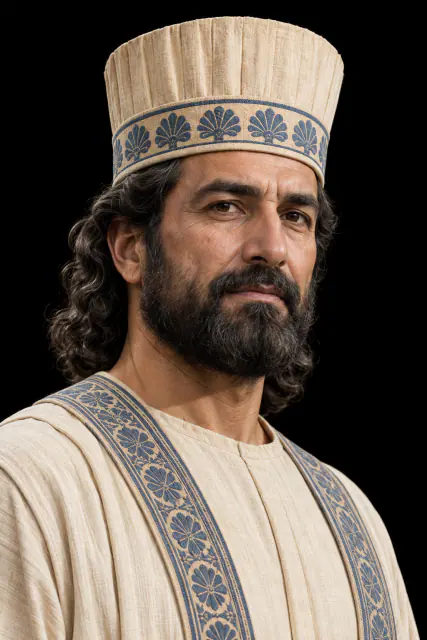
A compact chamber on six steps survived when entire palaces became foundations.
Read the complete record →02 · 04 · 521 BCE · victory at sixty metres height
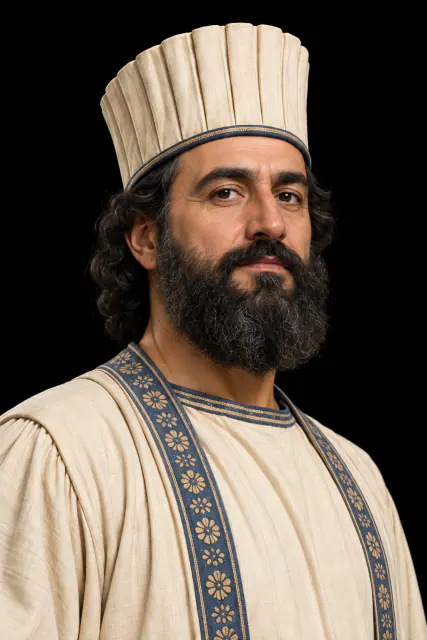
Darius carved his version of the accession to the throne in Old Persian, Elamite and Babylonian.
Read the complete record →03 · 09 · Administration · governing in stages
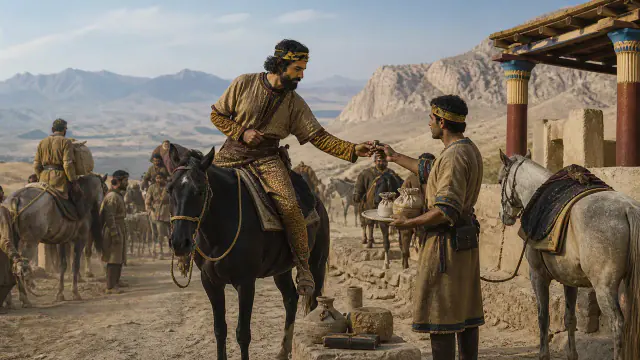
Fresh horses, stations and documents allowed orders and resources to cross enormous distances.
Read the complete record →04 · CANONICAL CHARACTER · RELIEF · HISTORICALLY ATTESTED FIGURE
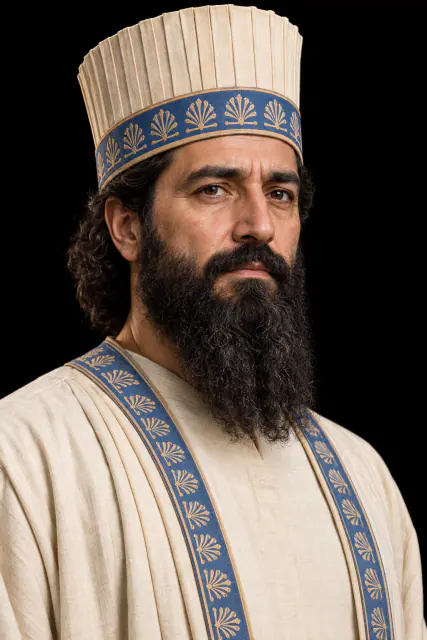
Xerxes continued Darius's works and left inscriptions identifying his name and lineage.
Read the complete record →05 · 12 · 330 BCE · conquest and dynastic end
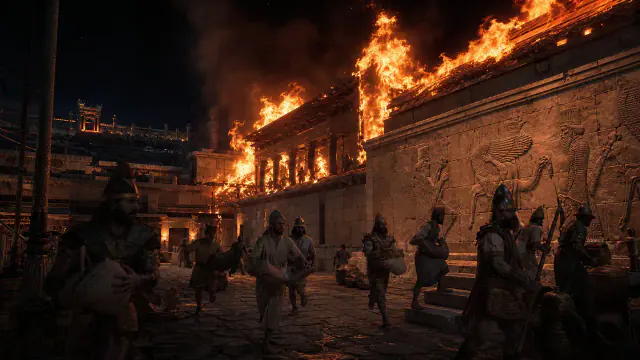
The fire destroyed roofs and ceremonial power, but baked some tablets and left readable ruins.
Read the complete record →06 · CHRONOLOGICAL BAR · COIN · HISTORICALLY ATTESTED FIGURE
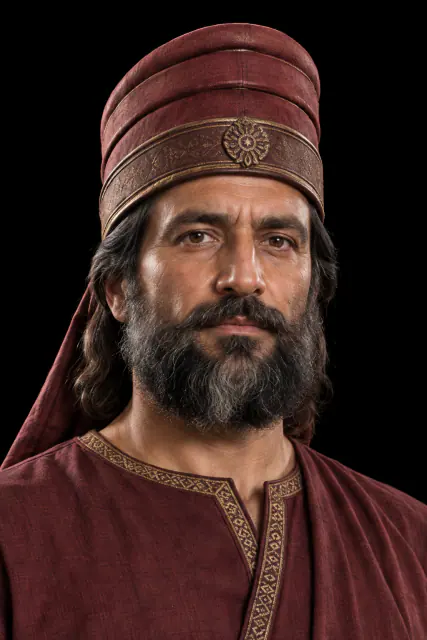
Mithridates expanded Parthian power and disseminated his image and his titles through the coins.
Read the complete record →07 · CHRONOLOGICAL WING · RELIEF · HISTORICALLY ATTESTED FIGURE
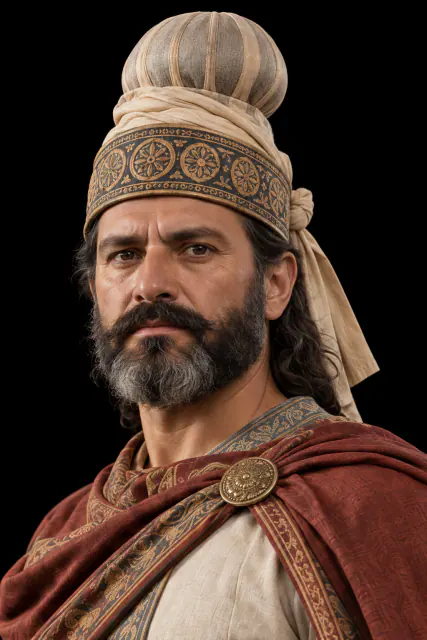
Centuries after the Achaemenids, Ardashir defeated the Arsacid king and founded a new dynasty.
Read the complete record →08 · CHRONOLOGICAL WING · RELIEF · HISTORICALLY ATTESTED FIGURE
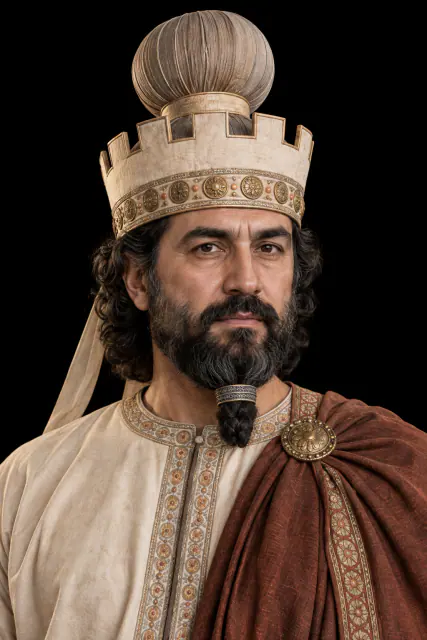
Shapur had his victories represented, including the capture of the Roman emperor Valerian, in inscriptions and reliefs.
Read the complete record →09 · CHRONOLOGICAL WING · RELIEF · HISTORICALLY ATTESTED FIGURE
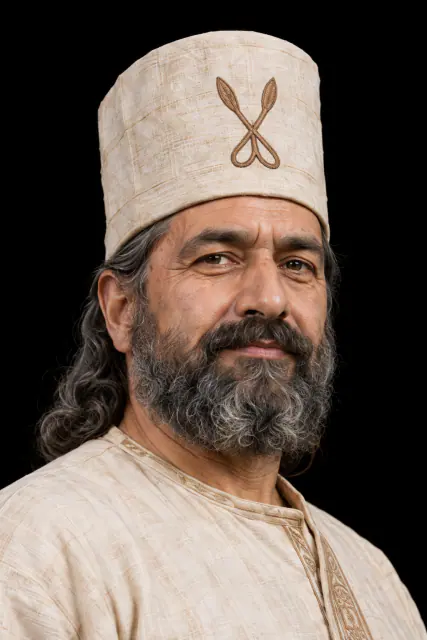
Kartir had his offices and religious career engraved, an exceptional testimony from someone who was not a king.
Read the complete record →10 · SASANIAN KING · 4th CENTURY
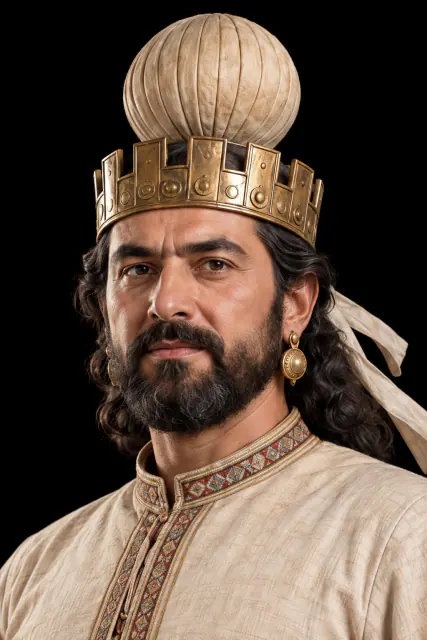
The emblem of a crown allows attribution of the image, without certifying the monarch's face.
Read the complete record →06 · COLLECTION
Concrete pieces to understand materials, decisions and knowledge systems, with separate evidence and interpretation.
01 · 03 · 539 BCE · conquest, restoration and propaganda
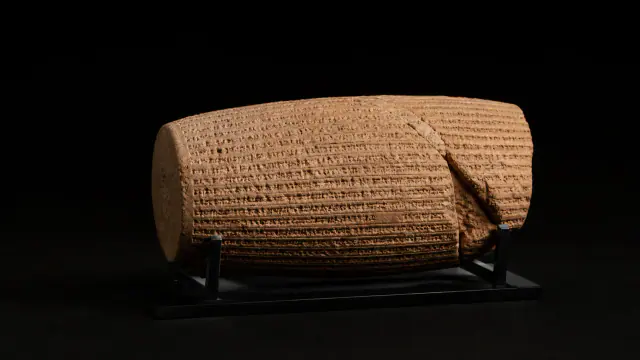
The conqueror of Babylon presented himself in Babylonian language as chosen by Marduk and restorer of order.
Read the complete record →02 · 05 · Designed landscape · governing water
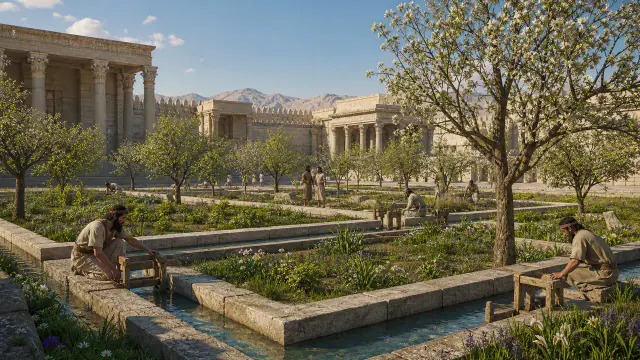
Stone channels divided a space of palaces, shade and cultivation that became a lasting model.
Read the complete record →03 · 07 · Imperial reception · diversity under control
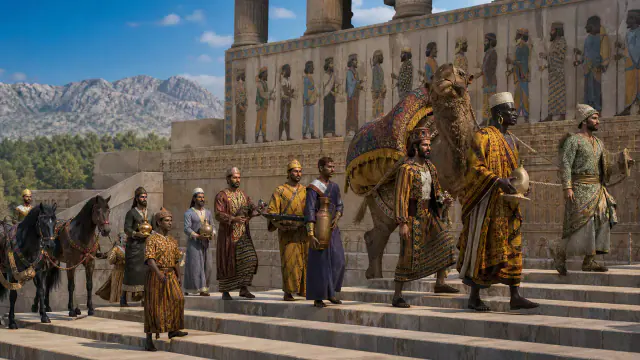
Peoples from across the empire advance with distinct dress, animals and products towards the king.
Read the complete record →04 · 08 · Administrative archive · the everyday empire
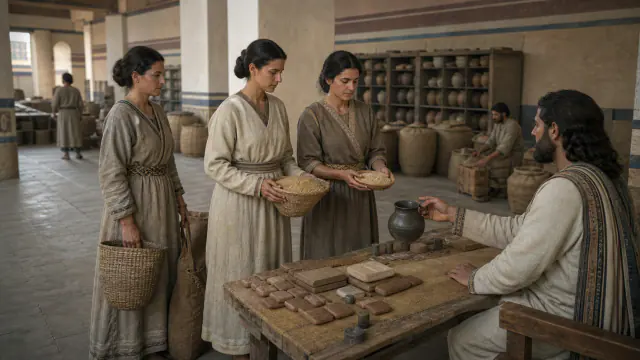
Small clay tablets recorded grain, wine and beer for workers, travellers, animals and mothers.
Read the complete record →05 · DOCUMENTED OUTFIT · CLOSED CONTEXT OR CONTROLLED COMPARISON
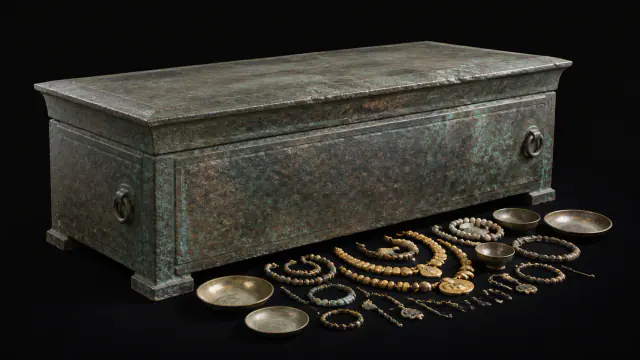
A bronze sarcophagus, jewellery and tableware formed the grave goods of a high-ranking person buried in Susa.
Read the complete record →06 · WEAPONS AND EQUIPMENT
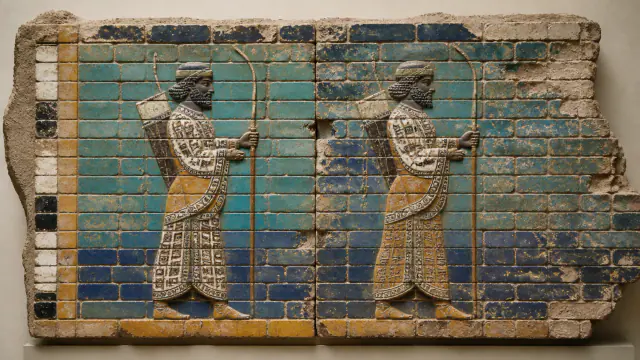
Rosettes, spears and bows were repeated in moulded bricks that made an ideal guard visible.
Read the complete record →07 · WEAPONS AND EQUIPMENT
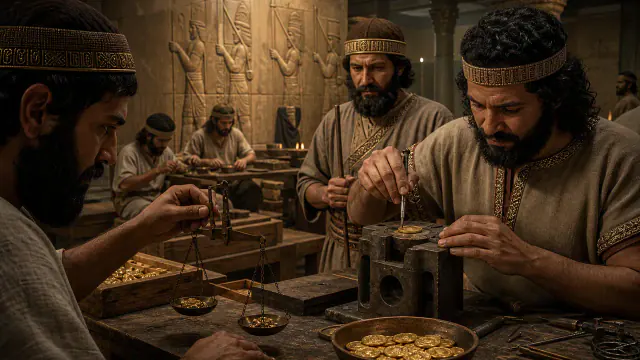
These gold coins bore a royal figure with weapons and served for high-value payments.
Read the complete record →07 · COLLECTION
These cards separate what is documented from what is interpreted and recover practices, questions and details capable of changing our image of this culture.
01 · BELIEFS AND CURIOSITIES · 01
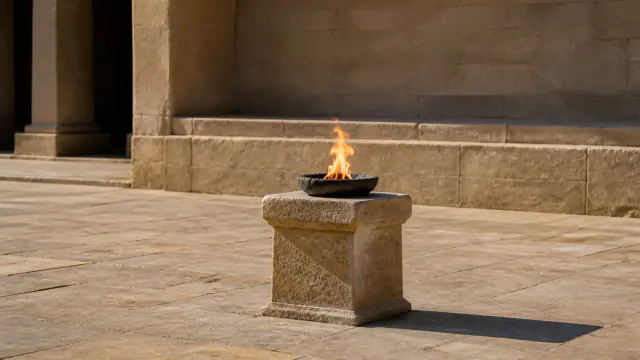
The kings invoked Ahuramazda while governing communities that venerated other gods.
Read the complete record →02 · BELIEFS AND CURIOSITIES · 02
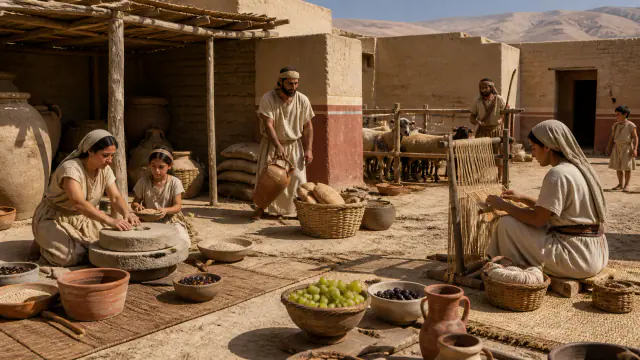
The Persepolis tablets allow us to know workers, mothers, children and travellers who do not appear in the royal reliefs.
Read the complete record →03 · BELIEFS AND CURIOSITIES · 03
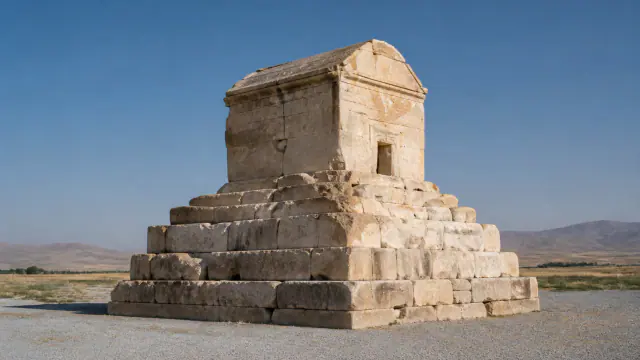
Cyrus's tomb and the tombs cut into the cliffs show different ways of burying and remembering the kings.
Read the complete record →08 · COLLECTION
Each door explains why the link exists, when it occurred, and what limits prevent contact from being converted into shared identity.
01 · GATE 01 · AFRICA · CONFLICT
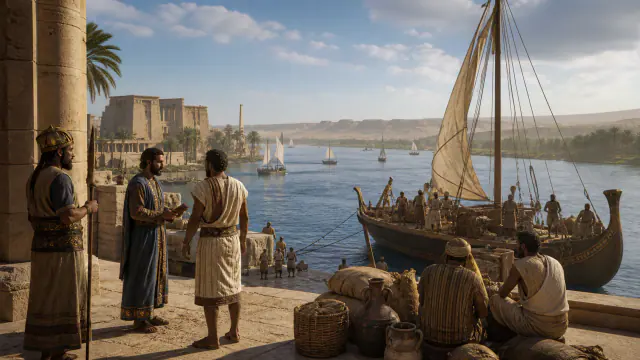
Continues in the Egypt museum
Read the complete record →02 · GATE 02 · ASIA · CONTACT
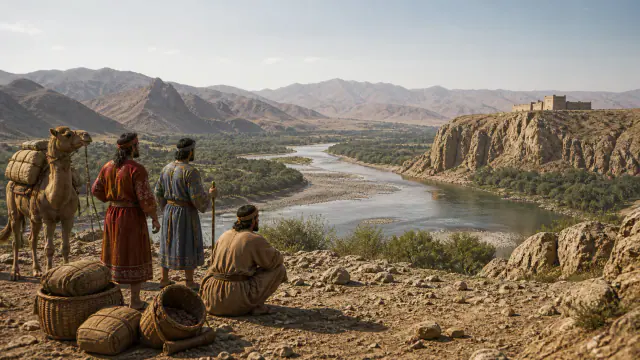
Continues in the Vedic India museum
Read the complete record →03 · DOOR 03 · ASIA · CONTACT

Continues in the Phenicia museum
Read the complete record →04 · DOOR 04 · EUROPE · CONFLICT
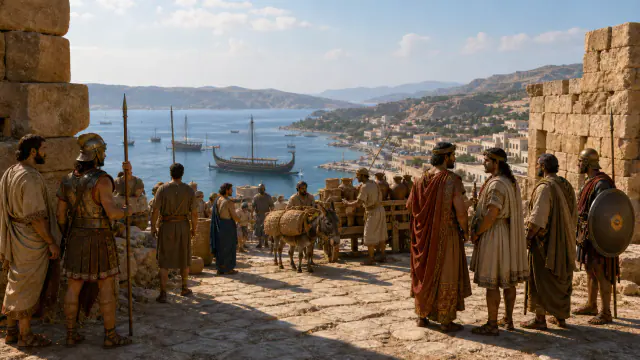
Continues in the Greek museum
Read the complete record →05 · DOOR 05 · EURASIA · CONFLICT
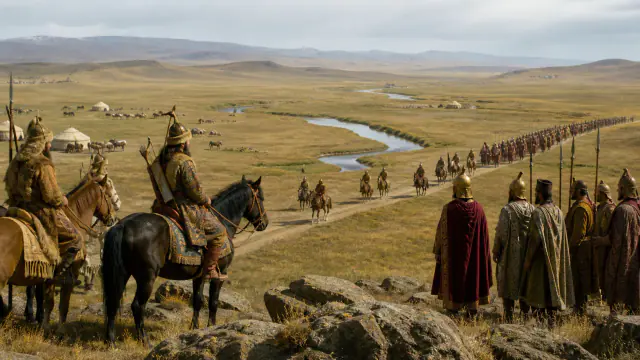
Continues at the Scythians and Saka Museum
Read the complete record →El imperio de los caminos
Discover the connected fiction project. The available Prehistory reader is in Spanish; other volumes are not presented as finished products for sale.
Explore the books →Try the available Prehistory browser alpha. Campaigns for the other cultures are still in development.
Open the game (Spanish) →Use each record’s institution and heritage links to continue your research. Country-by-country historical travel guides are planned, not yet published.
Historical travel →Discover artistic designs inspired by the collections and check each product’s availability. Museum access remains free.
Explore the collection →