 English
 Español
 Français
 Italiano
 Deutsch
 Русский
 Português
 Polski
 Română
 Svenska
 Norsk bokmål
 Suomi
 Türkçe
 العربية
 简体中文
 한국어
 हिन्दी
 Ελληνικά
01 · INTRODUCTION · HUMAN BEHAVIOUR
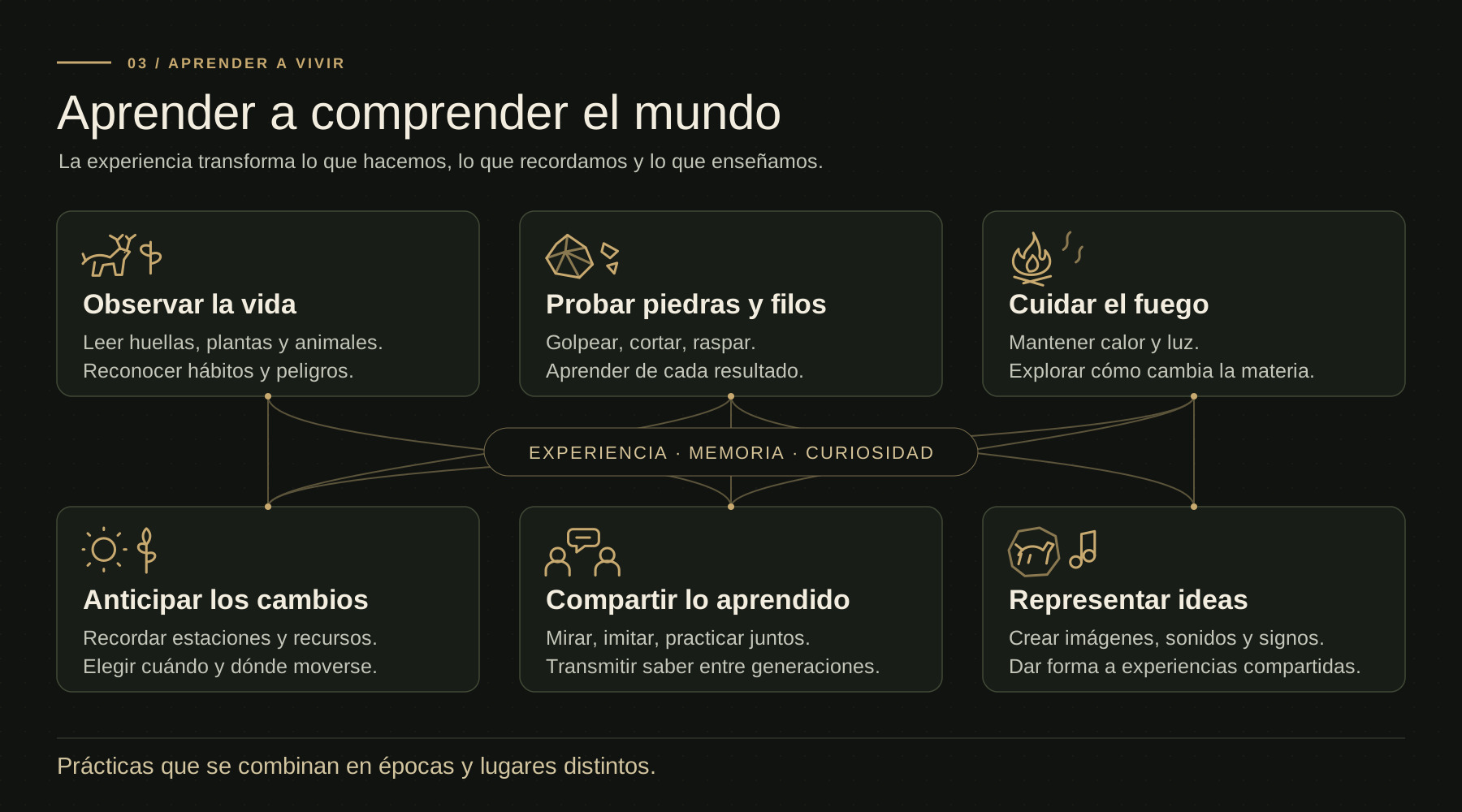
Learning to Understand the World
Observing nature, transforming materials and sharing what was learned.
Read the complete record → TRACEKEEPERS
HISTORY · OPEN COLLECTION
Before cities and written records, different human species shared a changing world. Explore the evidence for tools, art, music and life together, then meet a fictional clan grounded in the archaeology of early Neolithic Anatolia.
94 complete records · free to read, no account needed
Read freely here. A free account saves your visits inside the museum.
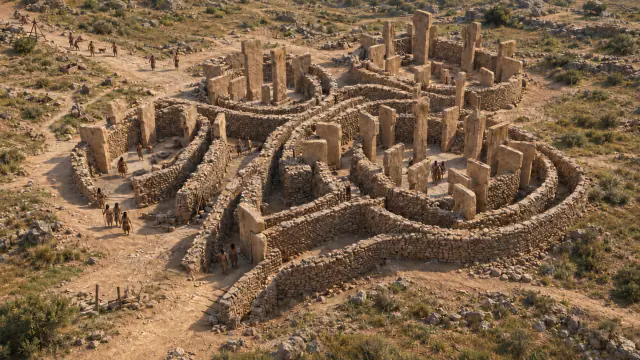
ATLAS 7 MA—2500 BCE · EPILOGUE 1850—1700 BCE
A transparent museum in eight realms: world context, culture, architecture, characters and fauna, treasures, female figurines, beliefs and mapped continental gateways.
The nine characters of Sarımğara are fictional and form part of a larger group. The Upton Lovell woman, the fauna, the artefacts and the sites distinguish what we know from what has been proposed as explanation.
EXPLORE THE COLLECTION
Follow the museum’s curated order or go straight to a section. Every record includes its full public documentation and sources.
01 · COLLECTION
Begin with the atlas of traces and the species network. Then discover how we learned to understand the world and what you will find in the museum and why.
01 · INTRODUCTION · HUMAN BEHAVIOUR
Observing nature, transforming materials and sharing what was learned.
Read the complete record →02 · INTRODUCTION · VISIT KEYS
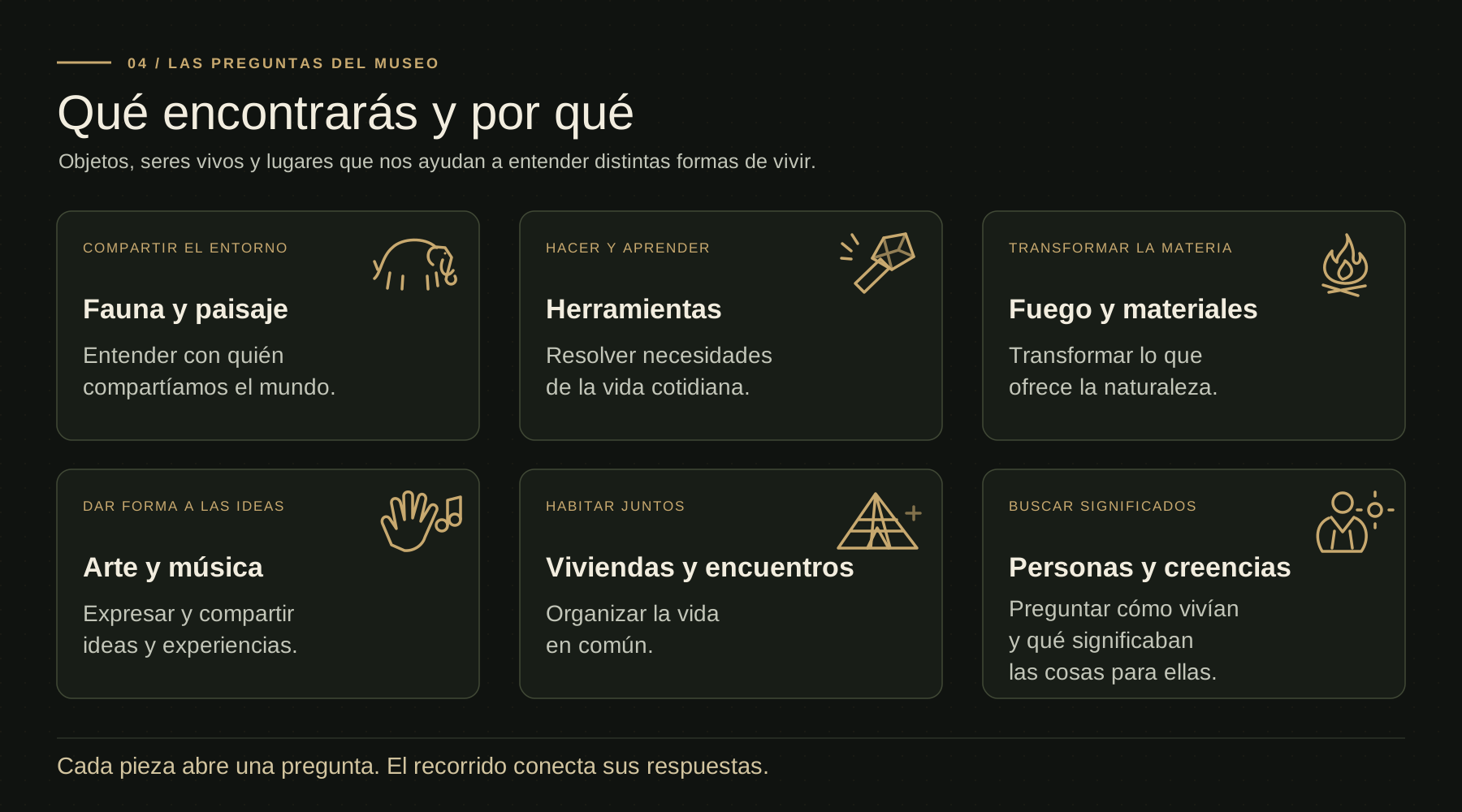
Each animal, object, place and character helps answer a question.
Read the complete record →02 · COLLECTION
Flutes, signs, sculpture and ten rock art landscapes show expressive practices without inventing melodies, deciphered scripts or a prehistoric theatre.
01 · GESTURE · MIDDLE PALAEOLITHIC
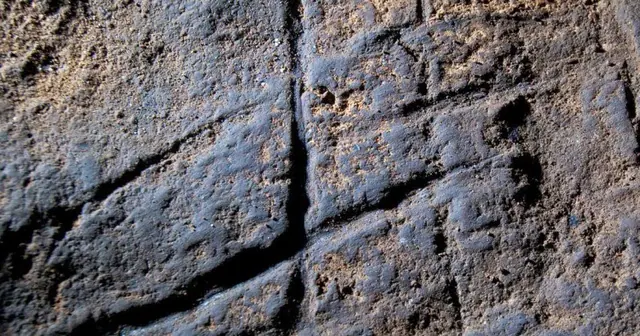
A few lines engraved on a cave floor show that someone wanted to leave a mark.
Read the complete record →02 · SOUND · AURIGNACIAN
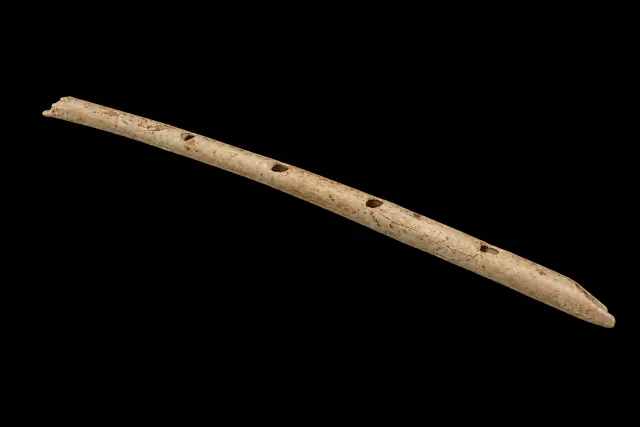
Four holes survive; a fifth is reconstructed at the broken end.
Read the complete record →03 · CULTURE · BODY · SOUND · DOCUMENTARY LIMIT
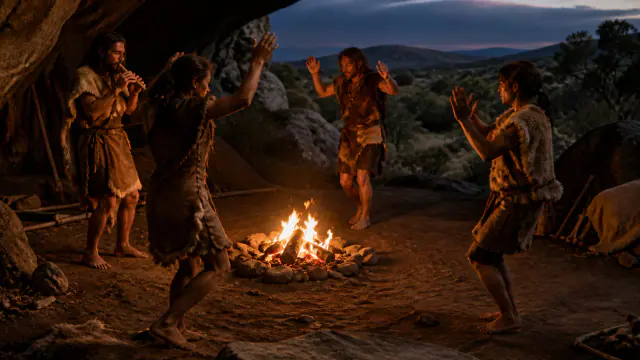
Ancient images may show people dancing, but they do not tell us what their dance was like.
Read the complete record →04 · CULTURE · INFORMATION · ≈77,000–75,000 YEARS
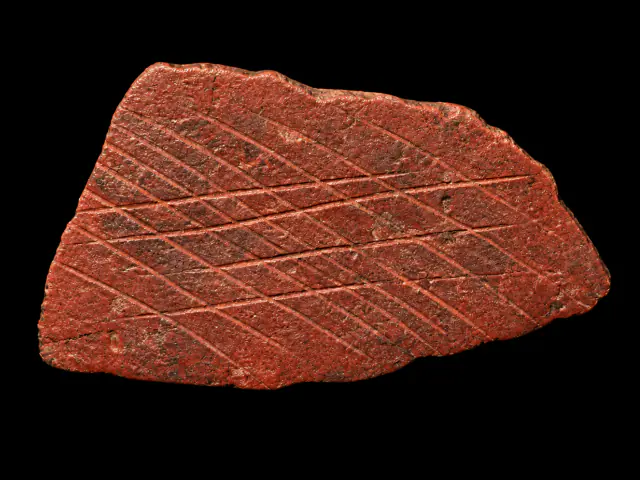
Someone engraved these lines around 75,000 years ago. We still do not know what they meant.
Read the complete record →05 · MOBILIARY ART · MIDDLE MAGDALENIAN · MAS-D'AZIL
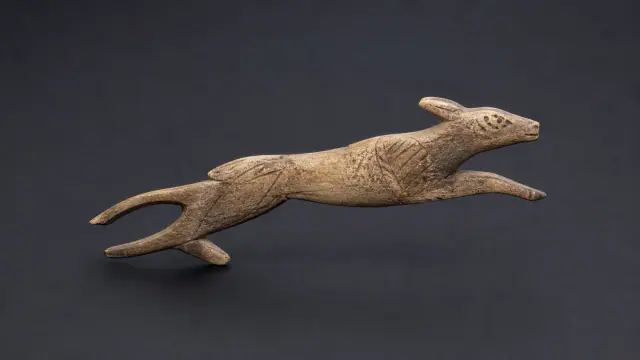
This tool helped launch projectiles further and was decorated with animal figures.
Read the complete record →06 · AURIGNACIAN · ≈40,000 YEARS · MAMMOTH IVORY
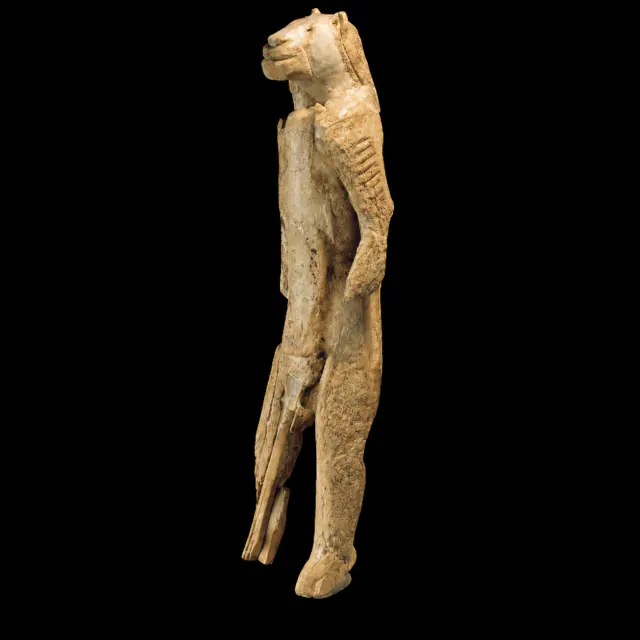
Whoever carved it combined human and animal traits. We do not know what it represented for their community.
Read the complete record →07 · EASTERN GRAVETTIAN · ≈23,000–21,000 YEARS
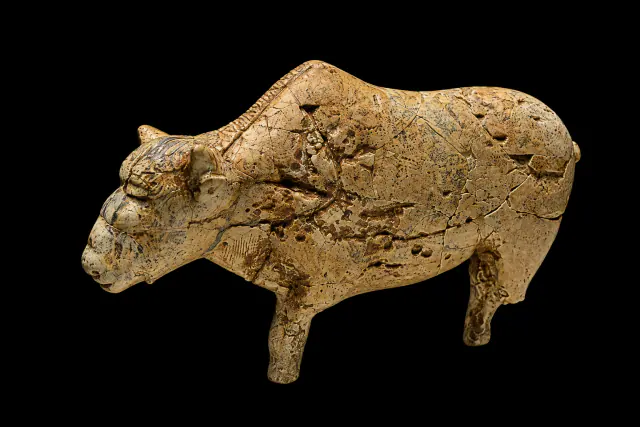
This small bison figure retains ochre traces and was found placed upside down in a pit.
Read the complete record →08 · MORAVIAN GRAVETTIAN · ≈28,000 YEARS CAL BP
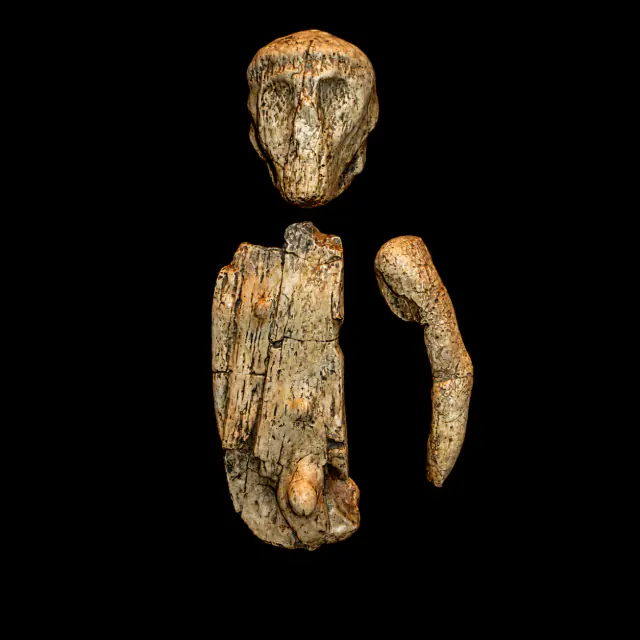
The holes in its pieces suggest they could be joined. We do not know if it was used as a puppet.
Read the complete record →09 · MIDDLE MAGDALENIAN · ≈18,000–16,000 YEARS
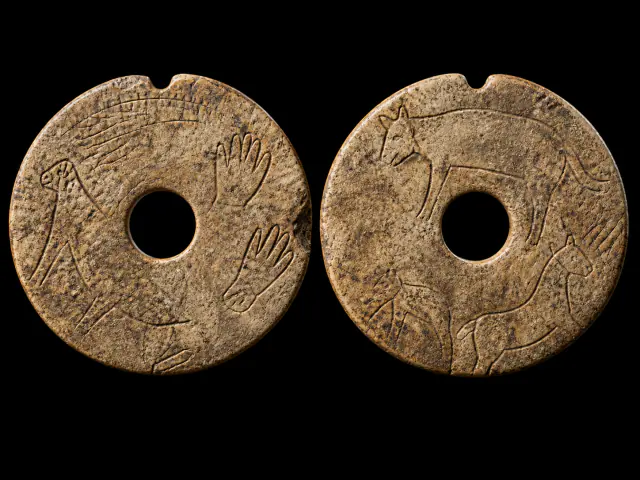
A small engraved disc shows people and animals, but we do not know what it was used for.
Read the complete record →10 · EARLY NEOLITHIC CARDIAL · VI–V MILLENNIA BCE
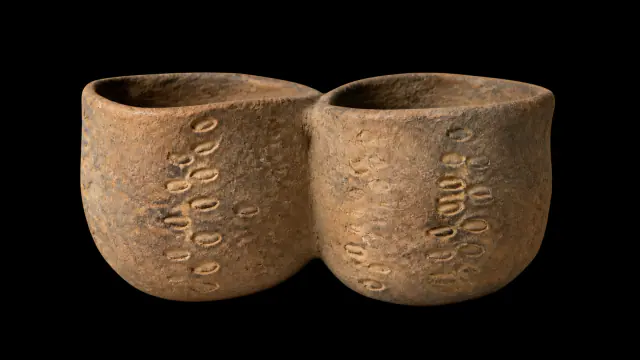
This object has two connected vessels. Its form survives, but its use remains an open question.
Read the complete record →11 · MAGDALENIAN · LIGHT, FAT AND ENGRAVED STONE
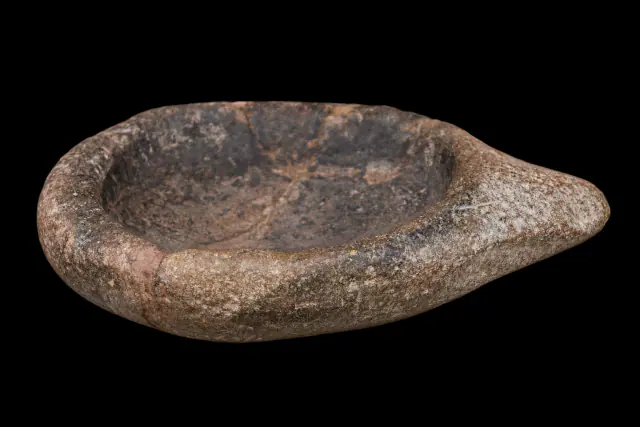
This stone lamp has an engraved ibex head on the handle.
Read the complete record →12 · EUROPE · CANTABRIA
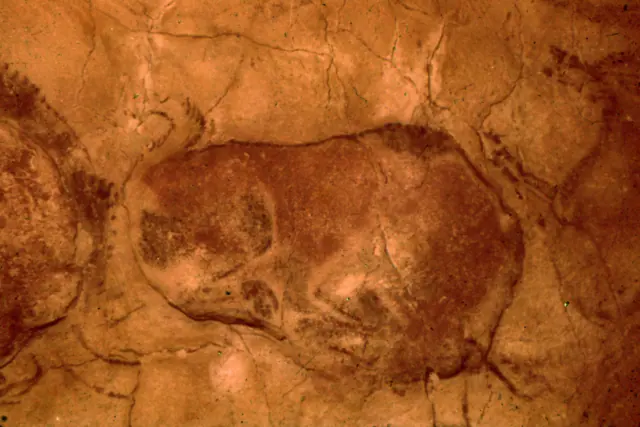
Look at the backs and bellies of the bison: their painters used the rock's shapes to give them volume.
Read the complete record →13 · EUROPE · DORDOGNE
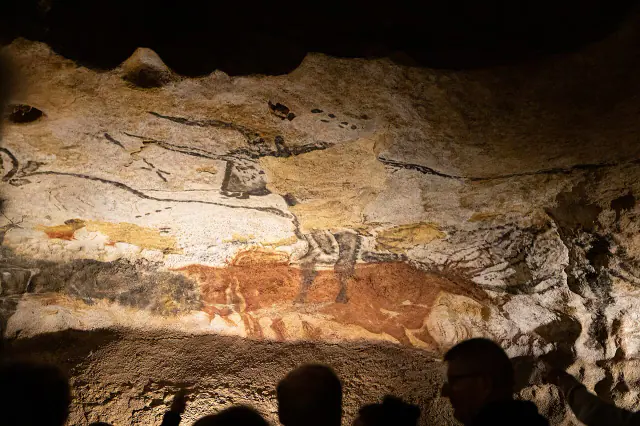
Aurochs, horses and deer cover the walls. Notice their sizes and how the figures are distributed.
Read the complete record →14 · AFRICA · ALGERIA
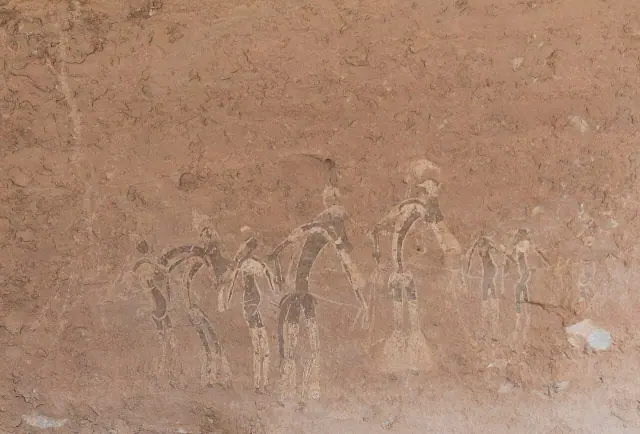
The paintings show people and animals from times when the Sahara was wetter.
Read the complete record →15 · AFRICA · MALOTI-DRAKENSBERG
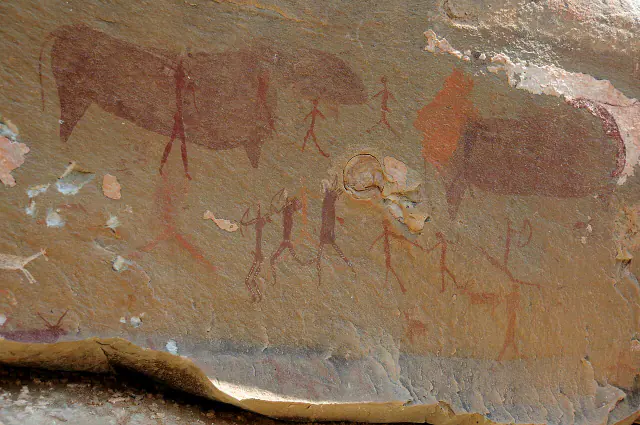
This large antelope held importance in the diet and beliefs of San communities.
Read the complete record →16 · ASIA · SULAWESI
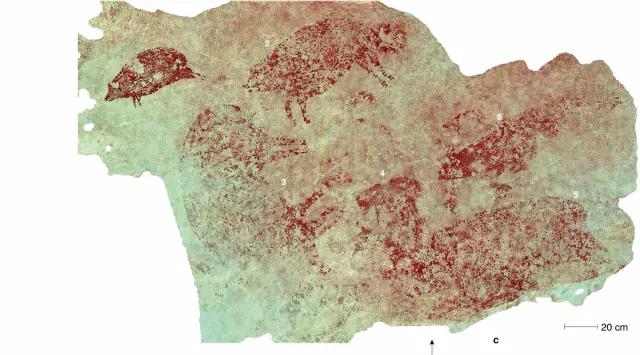
A pig and three figures form a scene painted at least 51,200 years ago, according to its published dating.
Read the complete record →17 · ASIA · CENTRAL INDIA
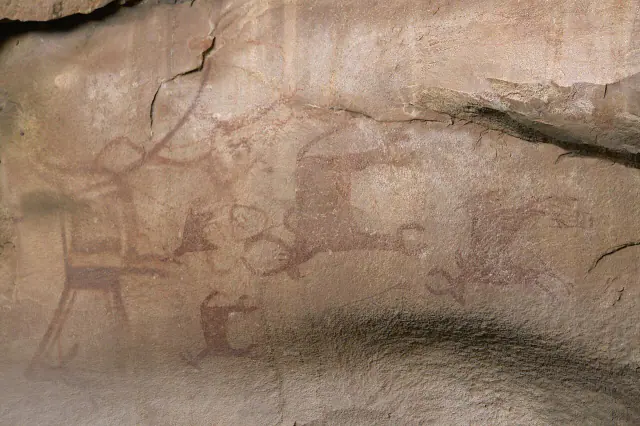
Some figures are painted over others: different generations used the same walls.
Read the complete record →18 · OCEANIA · BININJ/MUNGGUY COUNTRY
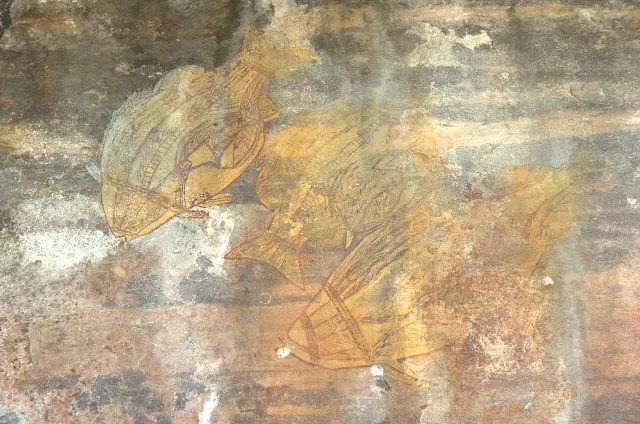
Some paintings show the skeleton and organs of animals, in addition to their silhouette.
Read the complete record →19 · OCEANIA · CAPE YORK
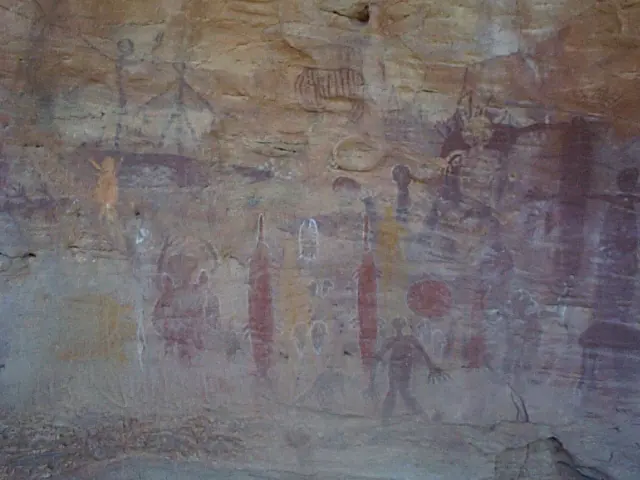
These figures remain part of the traditions of the region's Aboriginal communities.
Read the complete record →20 · AMERICAS · PATAGONIA
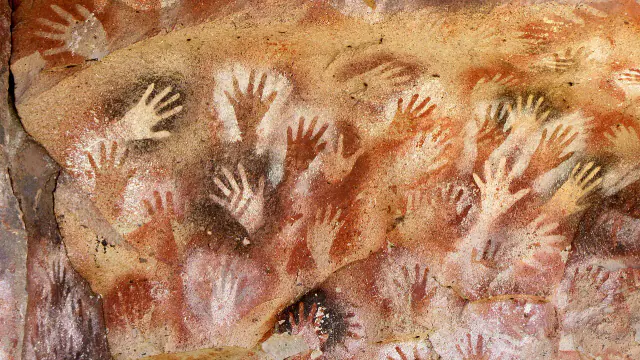
To leave these silhouettes, pigment was applied around hands placed on the rock.
Read the complete record →21 · AMERICAS · BAJA CALIFORNIA
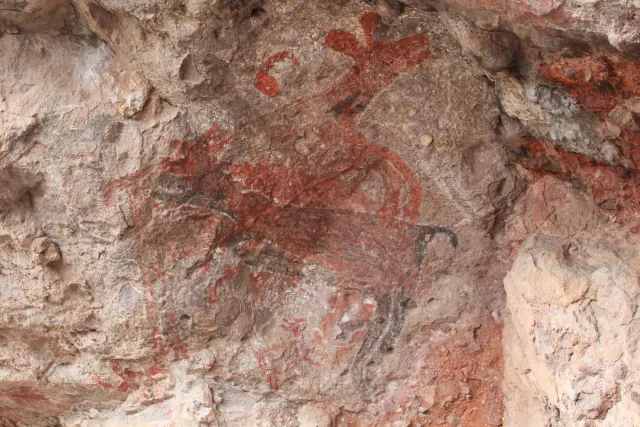
Some human figures are larger than a real person and are painted in red and black.
Read the complete record →03 · COLLECTION
From two joined logs to dwellings, towers and monumental enclosures: a global selection that counters the stone preservation bias.
01 · PLACE · PRE-POTTERY NEOLITHIC
Monumental architecture before cities.
Read the complete record →02 · STRUCTURAL WOOD · AT LEAST 476,000 ± 23,000 YEARS
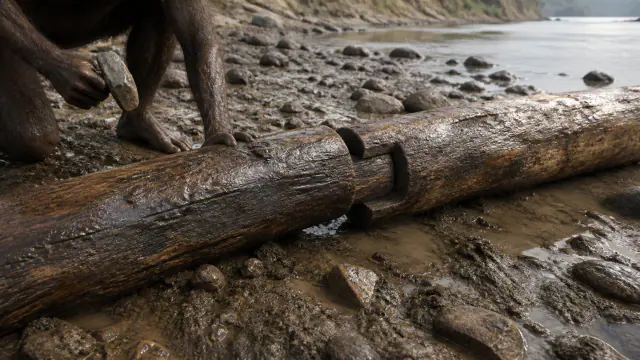
A notch allowed the two logs to interlock. The wood preserves the work marks.
Read the complete record →03 · CAMP · ≈23,000 YEARS
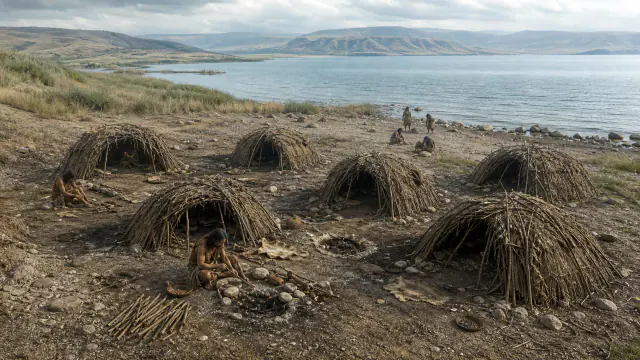
Remains of six huts, hearths and areas where their inhabitants carried out various tasks are preserved.
Read the complete record →04 · JERICHO · 9TH–8TH MILLENNIUM BCE
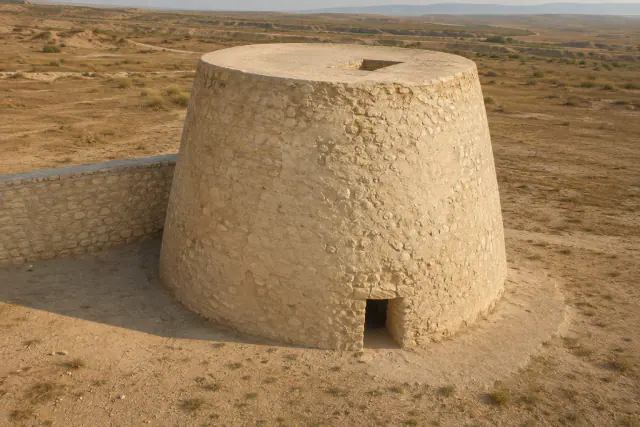
Building the tower, wall and ditch required shared labour. Their exact function remains debated.
Read the complete record →05 · ANATOLIA · c. 7400–6200 BCE
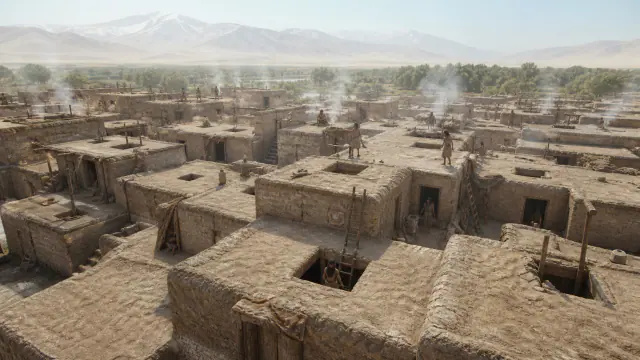
The houses were clustered together. Their inhabitants moved across the roofs to enter them.
Read the complete record →06 · JŌMON · c. 3900–2200 BCE
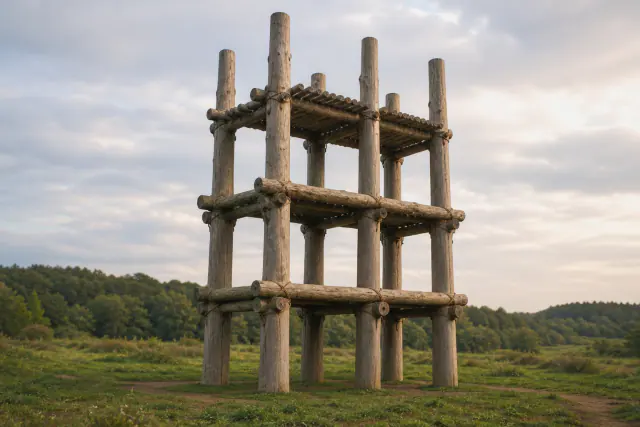
Postholes survive, but the building's height and form are a reconstruction proposal.
Read the complete record →07 · ORKNEY · c. 3100–2500 BCE
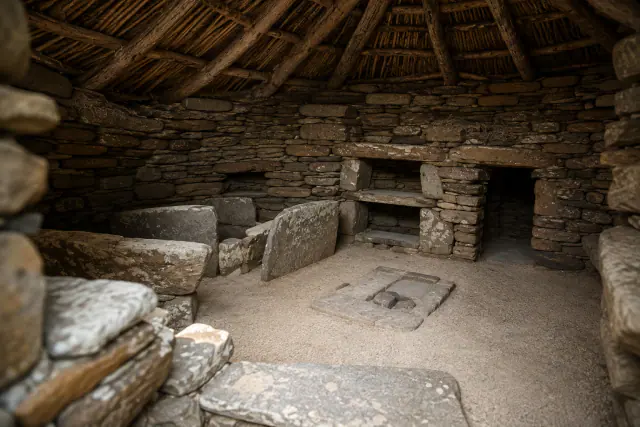
These dwellings preserve hearths, beds and storage spaces built of stone.
Read the complete record →08 · BRÚ NA BÓINNE · LATE 4TH MILLENNIUM BCE
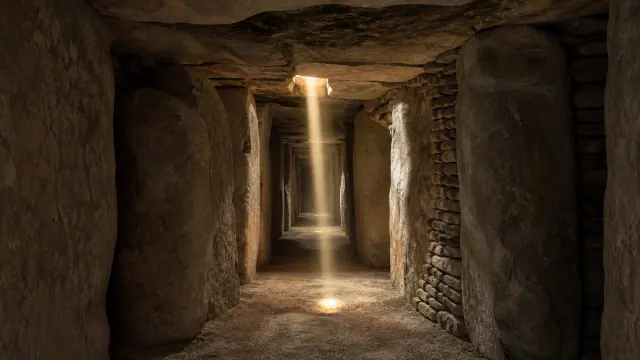
Dawn light enters the chamber at the winter solstice. The monument also had a funerary use.
Read the complete record →04 · COLLECTION
Characters on the left; fauna on the right. From oldest to most recent according to life, reign or scene. Periods may overlap; undated voices close the journey.
01 · CHARACTER · GUIDE
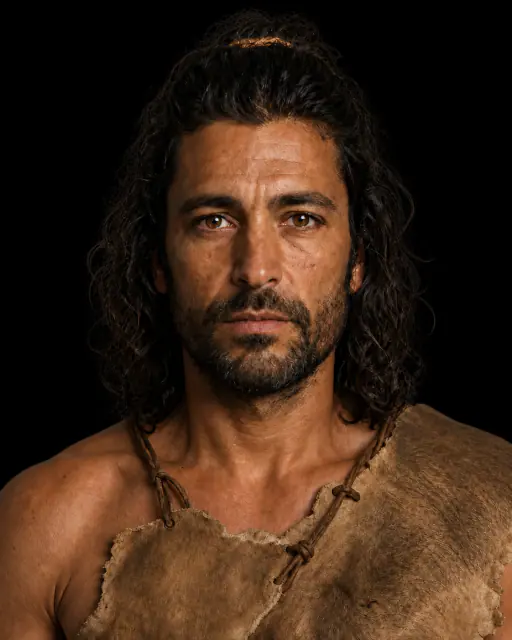
Hunter, protector and first guide of Sarımğara.
Read the complete record →02 · CHARACTER · CARE
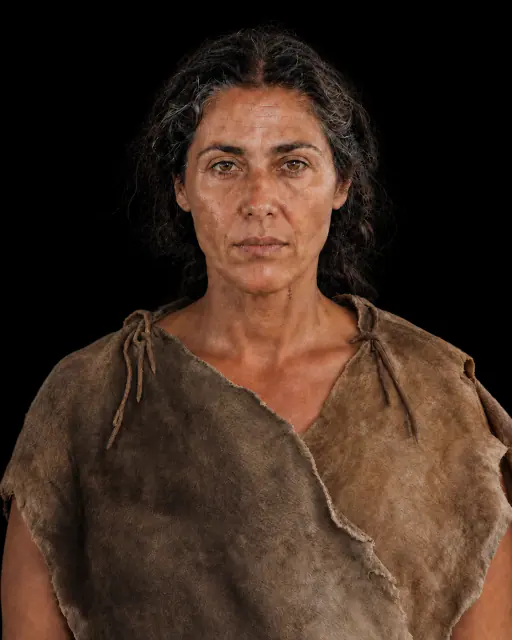
Repairs hide clothing and helps organise camp tasks.
Read the complete record →03 · CHARACTER · FORAGING
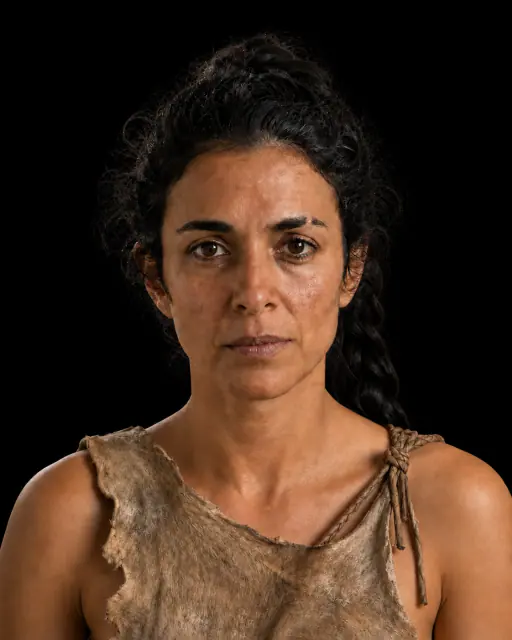
Compares the plants she finds and separates the samples she does not recognise.
Read the complete record →04 · CHARACTER · MEMORY
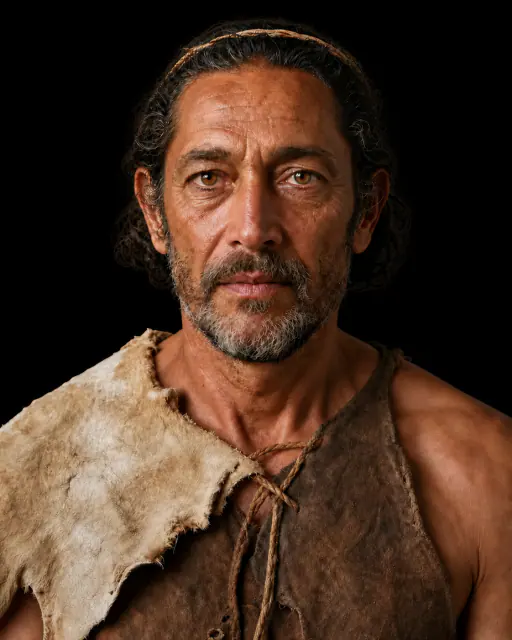
After dinner, some people stay by the fire to listen to him.
Read the complete record →05 · CHARACTER · ARTISAN
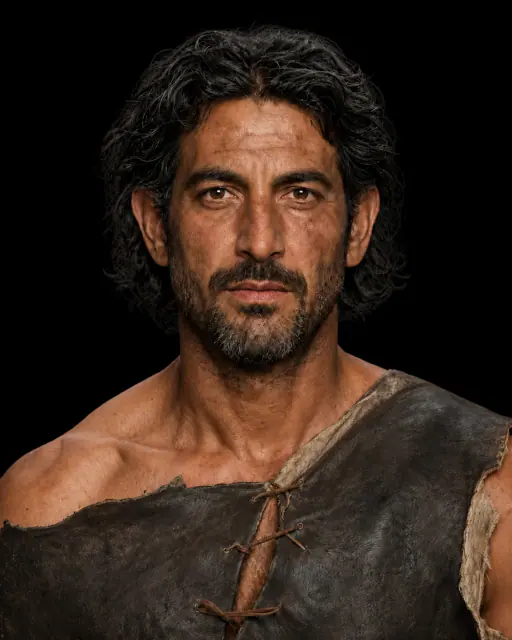
Works stone, bone, and wood, and tests what each material is good for.
Read the complete record →06 · CHARACTER · TRACKER
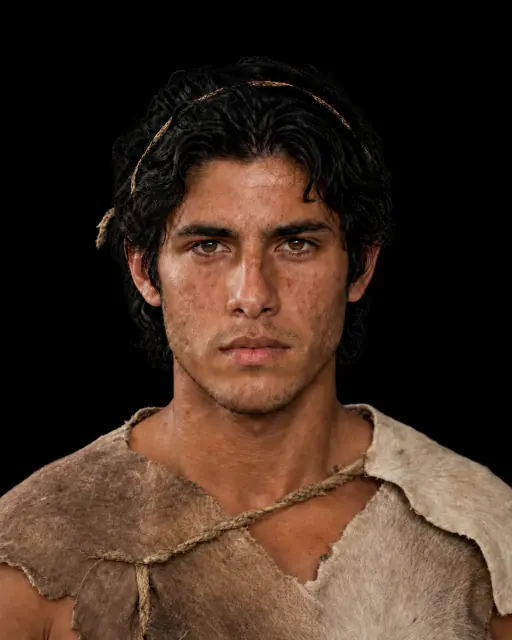
Observes tracks, wind and terrain before approaching an animal.
Read the complete record →07 · FICTIONAL CHARACTER · SARIMĞARA
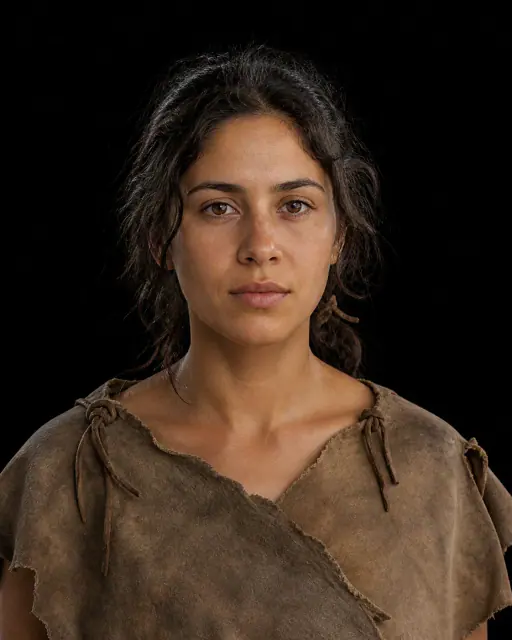
Ena is making a necklace for her daughter with some stones Daro brought.
Read the complete record →08 · FICTIONAL CHARACTER · SARIMĞARA

Daro returns from his journeys with news, some stones and a promise he has not yet told at home.
Read the complete record →09 · FICTIONAL CHARACTER · SARIMĞARA
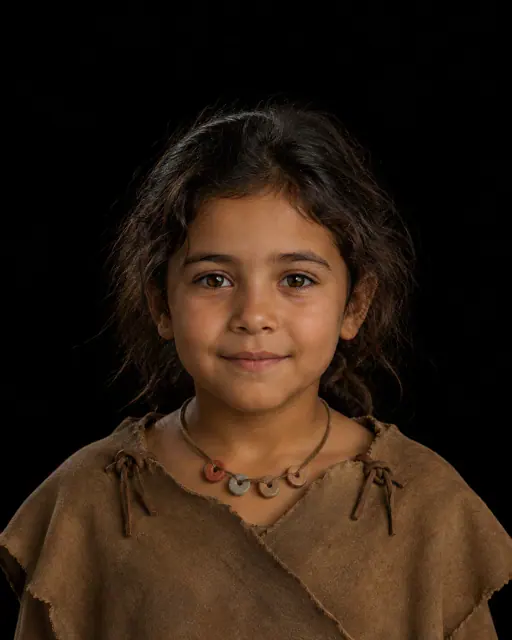
Luma is seven years old and wants to choose one of the beads for her necklace.
Read the complete record →10 · ARCHAEOLOGICAL INDIVIDUAL · COPPER AGE · VARNA
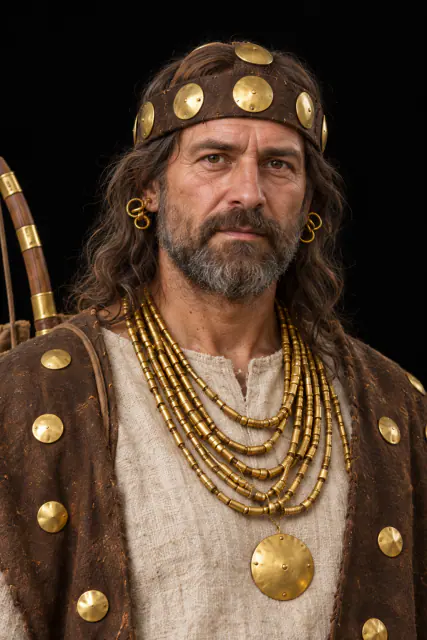
An extraordinary grave assemblage distinguishes a possible leader from around 6500 years ago.
Read the complete record →11 · REAL PERSON · COPPER AGE · ALPS
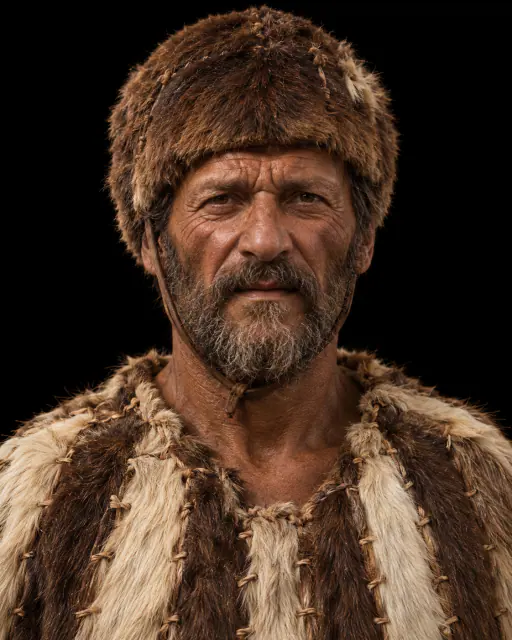
Clothing, tools and body allow investigation of a life from around 5,300 years ago.
Read the complete record →12 · PERSON · EARLY BRONZE AGE
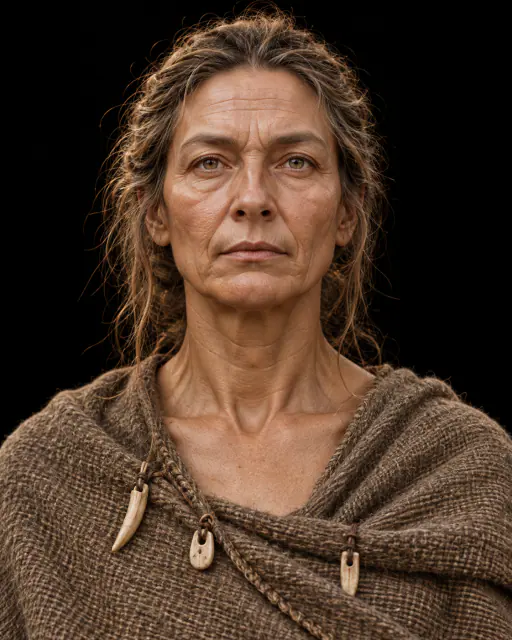
The buried person was a woman. Her grave goods have given rise to various interpretations, including that of a goldworker.
Read the complete record →13 · FAUNA · PLEISTOCENE
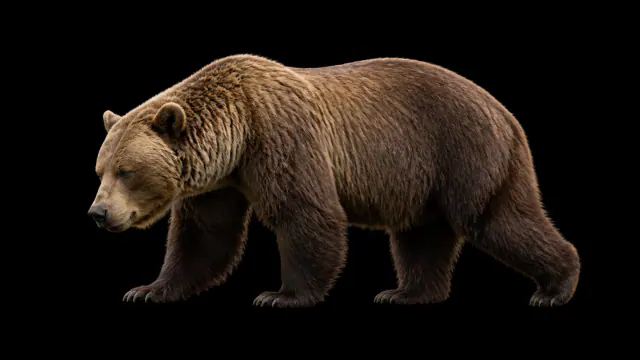
Although it belongs to the carnivore family, its diet was mainly vegetarian.
Read the complete record →14 · FAUNA · BOS PRIMIGENIUS
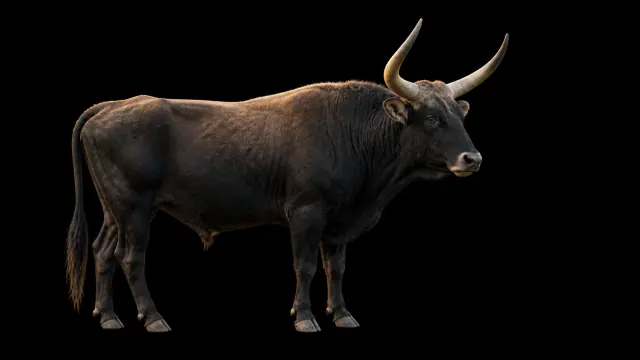
The aurochs was a large wild bovine. It became extinct after coexisting for thousands of years with people.
Read the complete record →15 · FAUNA · PANTHERA SPELAEA
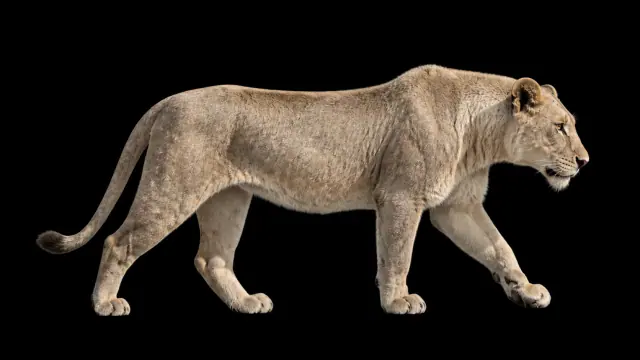
This feline lived in cold regions. Palaeolithic depictions do not usually show a mane like that of many modern lions.
Read the complete record →16 · FAUNA · OVIS ORIENTALIS
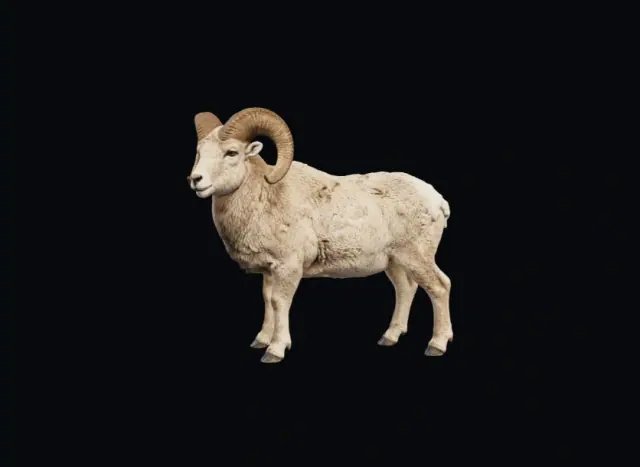
Remains of wild sheep have been found at Göbekli Tepe. Their presence does not prove that they were already being kept in flocks.
Read the complete record →17 · FAUNA · VULPES VULPES
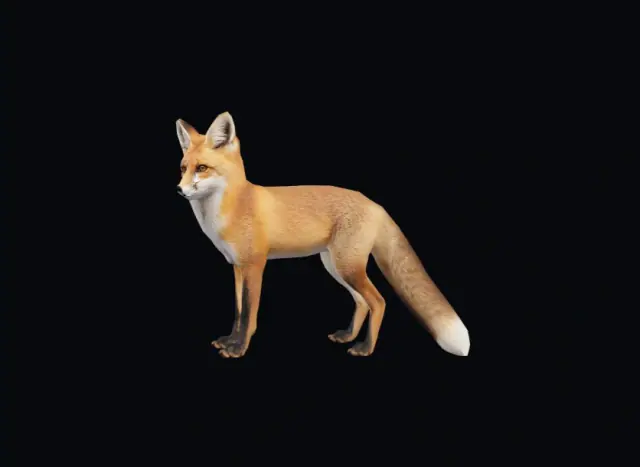
Fox bones and stone-carved figures of this animal have been found at Göbekli Tepe.
Read the complete record →18 · COMPARATIVE FAUNA · AHL AL OUGHLAM, MOROCCO
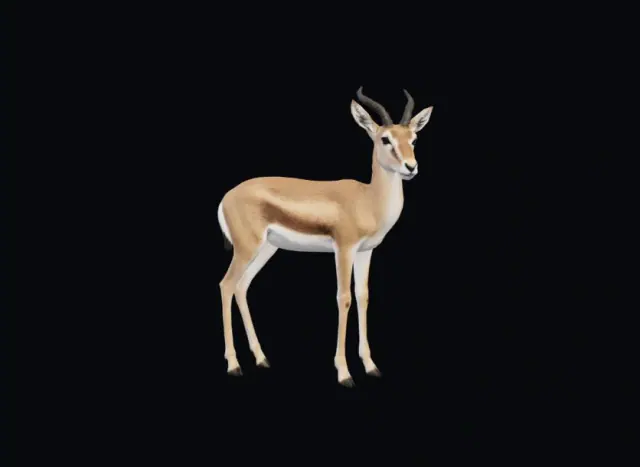
It did not coexist with the Neolithic community we present in Sarımğara.
Read the complete record →19 · FAUNA · FOOD SOURCE · ASIA AND AFRICA
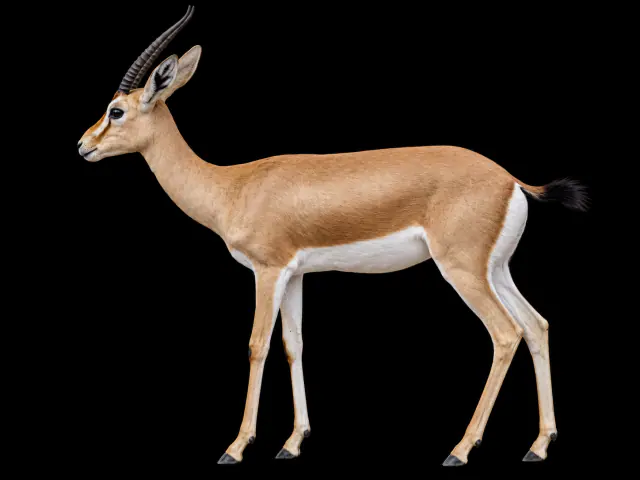
Fast, gregarious and abundant, gazelles were for millennia one of the most widely eaten meats in southwest Asia.
Read the complete record →05 · COLLECTION
The harpoon, the bone needle and the Nahal Hemar knives bring us closer to past techniques. Use-wear traces help determine what they were used for; their form alone is not always enough.
01 · FUNERARY ADORNMENT · PRE-POTTERY NEOLITHIC B
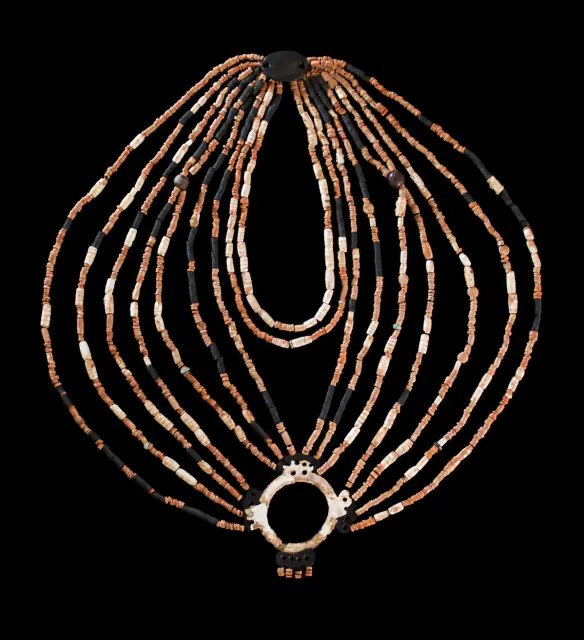
The necklace of a girl from Ba’ja comprised thousands of beads arranged in ten rows.
Read the complete record →02 · TOOL · LOWER PALAEOLITHIC · ACHEULEAN
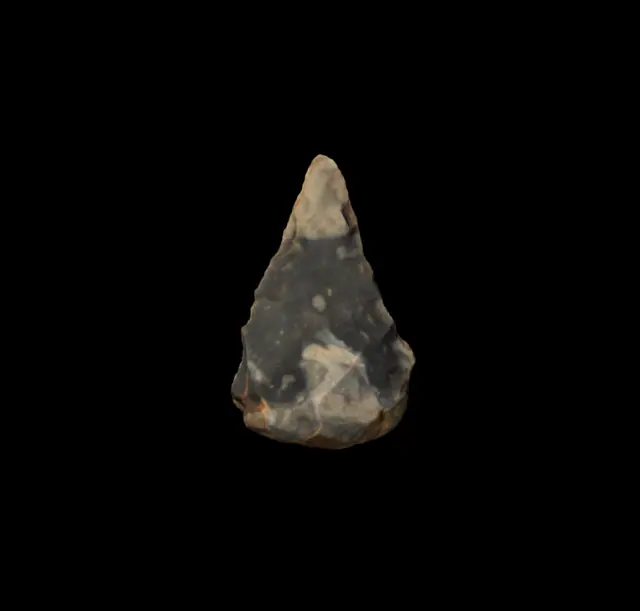
A planned form in flint, knapped about 400,000 years ago on the banks of an ancient Thames.
Read the complete record →03 · ARCHERY · MESOLITHIC AND EARLY NEOLITHIC
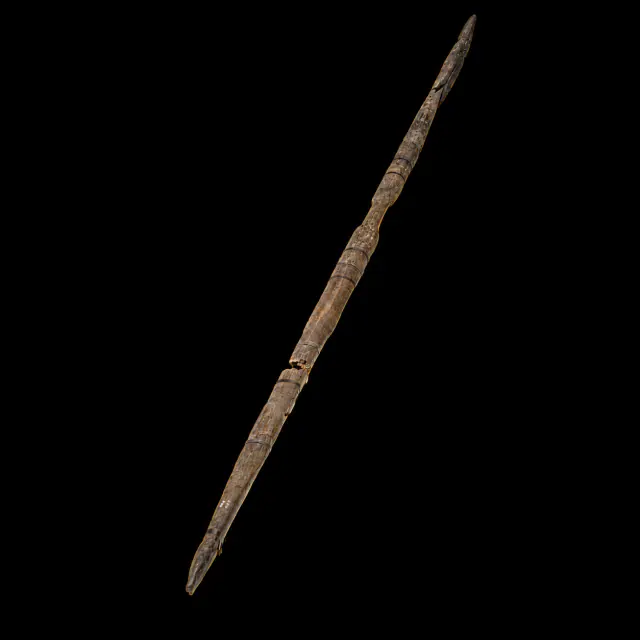
A peat bog preserved the wood of the bow; a dry cave preserved sinew cords—probable bow strings—that almost never survive.
Read the complete record →04 · TREASURES · PRE-POTTERY NEOLITHIC A
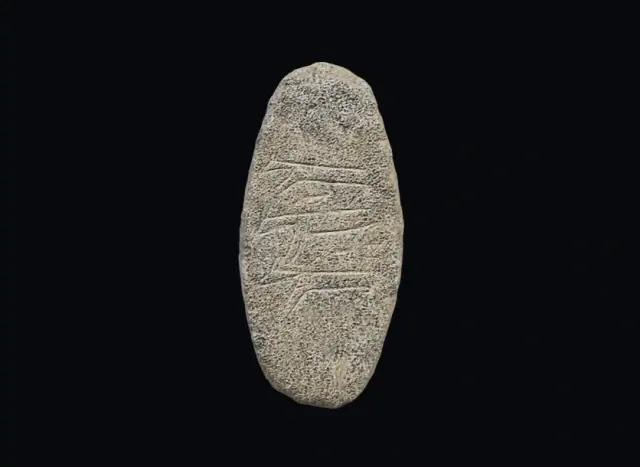
Possible animals and arrows have been identified on this stone. The interpretation of the engraving is not certain.
Read the complete record →05 · TREASURES · FOOD · PRE-POTTERY NEOLITHIC
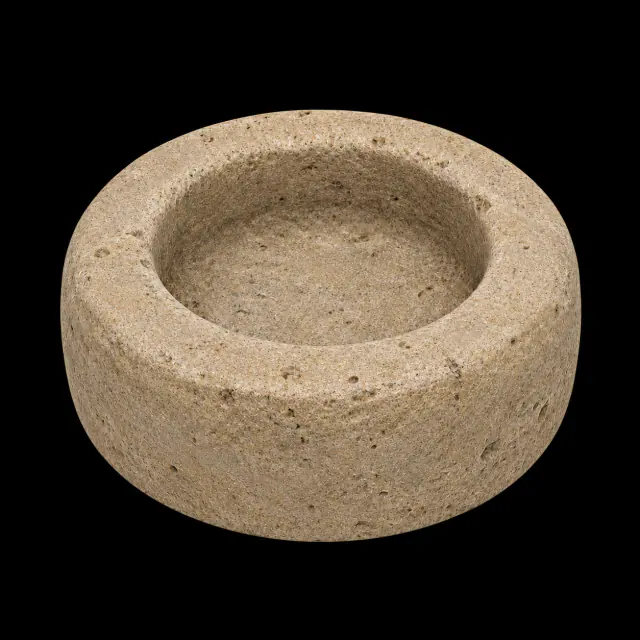
At Çakmaktepe, stones for grinding food were found, preceding fully established agriculture.
Read the complete record →06 · TREASURES · SEWING · TYPOLOGICAL RECONSTRUCTION
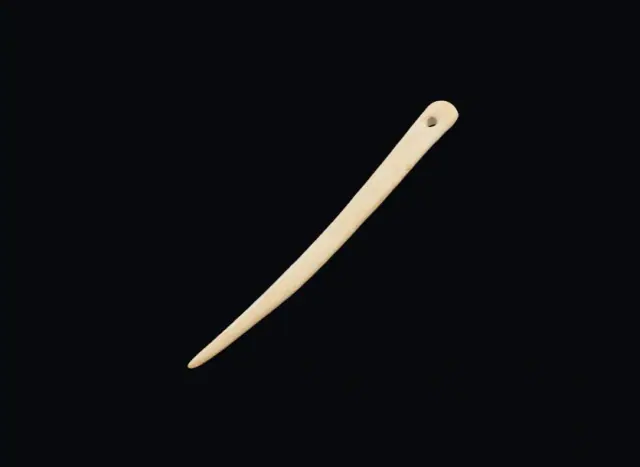
Its point pierces the material and the eye allows the thread to pass through. Needles are better preserved than many garments.
Read the complete record →07 · PRE-POTTERY NEOLITHIC B · 8TH MILLENNIUM BCE · FLINT
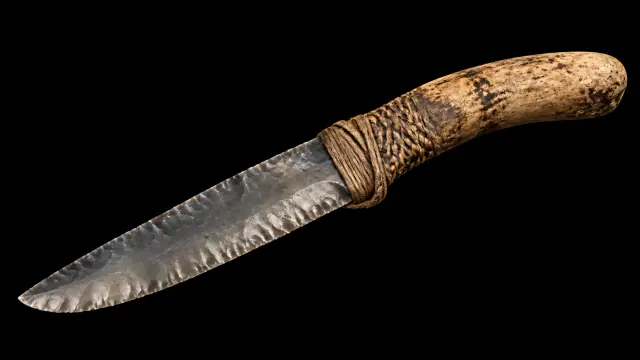
Wear helps study these knives. Their possible link to funerary practices remains an interpretation.
Read the complete record →08 · TECHNOLOGY · MAGDALENIAN · LAUGERIE-BASSE
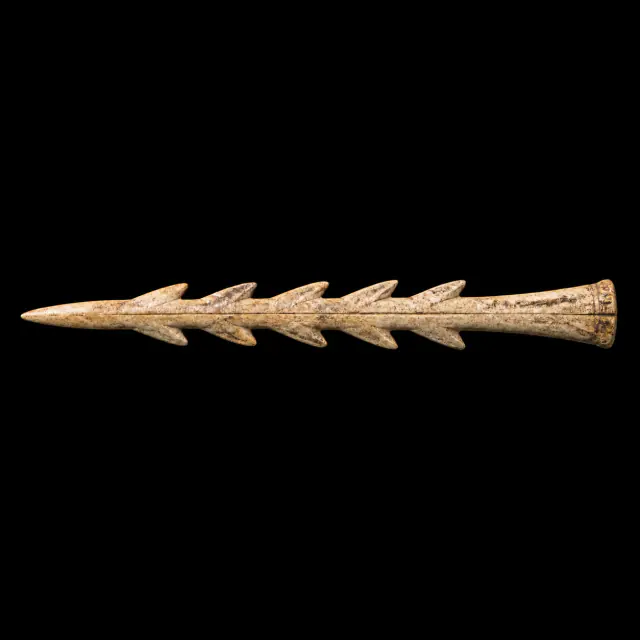
The barbs helped secure the prey. We do not know which animal was caught with this piece.
Read the complete record →06 · COLLECTION
Hohle Fels, Lespugue, Dolní Věstonice, Willendorf and Kostenki form a catalogue of images, materials and contexts; "Venus" is a modern name.
01 · FEMALE FIGURINE · AURIGNACIAN · ≈40,000 YEARS
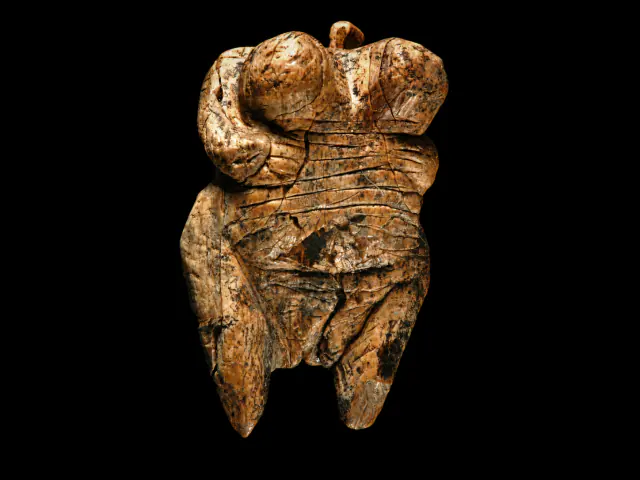
Wear on the loop suggests this figurine may have been worn suspended.
Read the complete record →02 · FEMALE FIGURINE · GRAVETTIAN · ≈28,000 YEARS
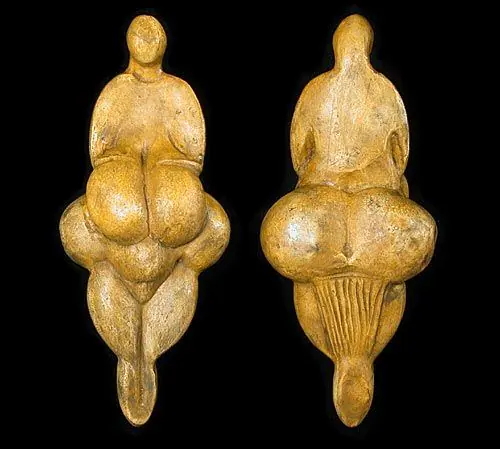
The figurine broke upon discovery. Its exaggerated forms, by contrast, are part of the original carving.
Read the complete record →03 · PAVLOVIAN/GRAVETTIAN · ≈29,000–27,000 YEARS
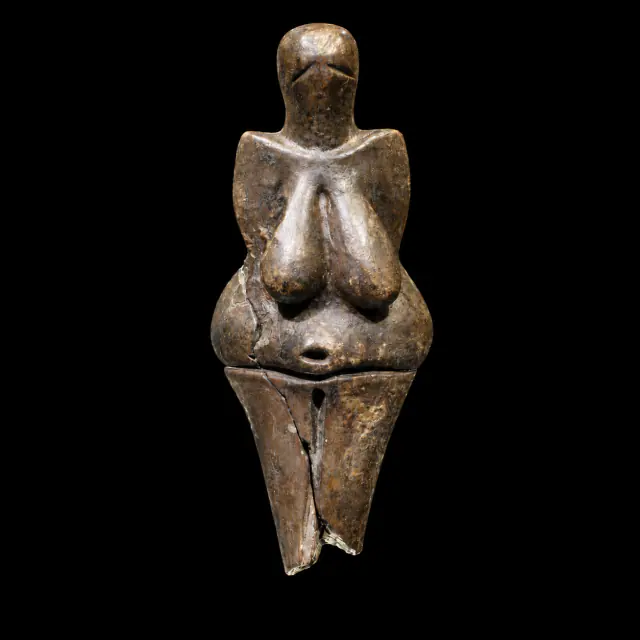
Analysis of the interior ruled out that the clay mixture contained powdered bone.
Read the complete record →04 · FEMALE FIGURINE · ≈29,500 YEARS
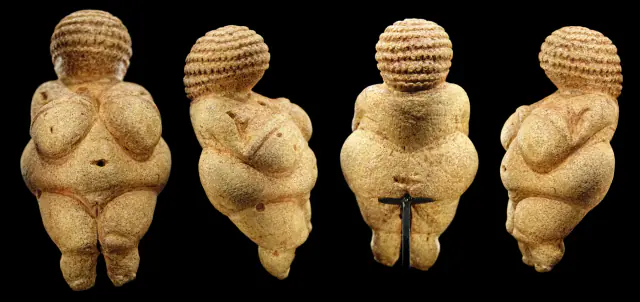
The stone does not come from the find area. It resembles limestones from the Italian Alps, but a specific quarry has not been identified.
Read the complete record →05 · EASTERN GRAVETTIAN · ≈23,000–21,000 YEARS
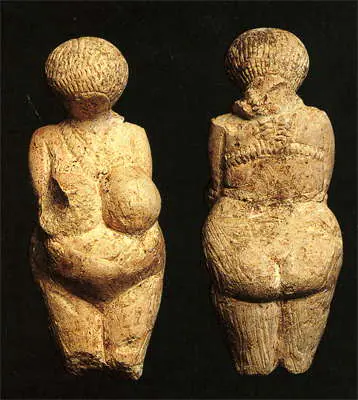
We can study its breaks and how it was deposited. Its meaning and relationship with possible rituals remain uncertain.
Read the complete record →07 · COLLECTION
Seven stories separate the material trace from what we can only propose about memory, celebration and other forms of humanity.
01 · BELIEFS AND CURIOSITIES · RAQEFET
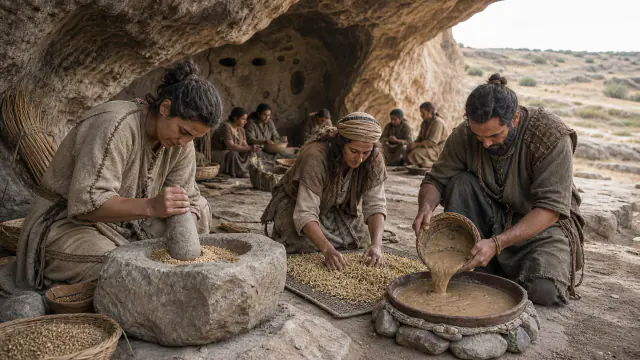
The Raqefet remains suggest that fermented beverages were prepared in a funerary context.
Read the complete record →02 · BELIEFS AND CURIOSITIES · DNA AND FOSSILS
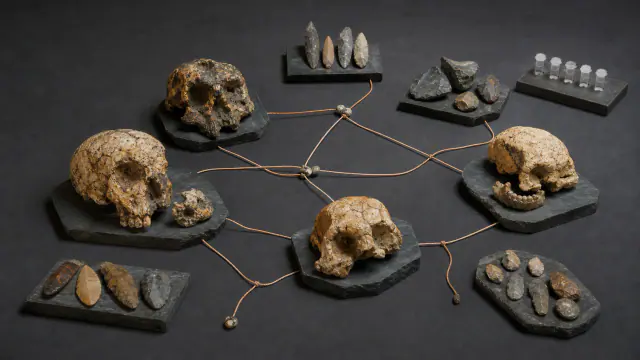
Several human species lived at the same times. Some also had offspring with each other.
Read the complete record →03 · PRE-POTTERY NEOLITHIC B · 8TH MILLENNIUM BCE · LIMESTONE
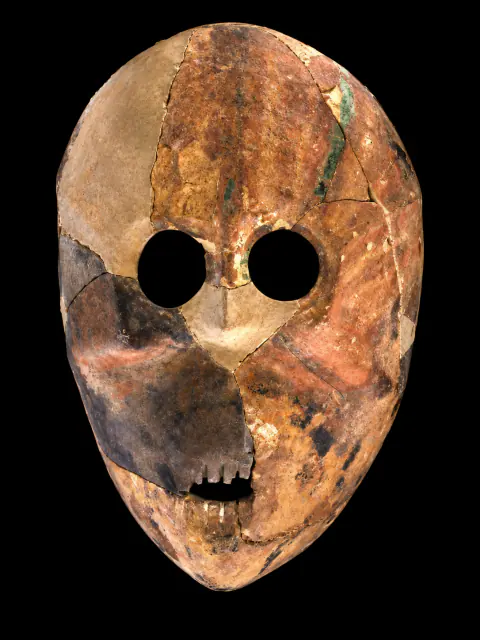
The holes allowed the mask to be fastened. We do not know if it was worn or placed on a support.
Read the complete record →04 · URALS · C. 10,000 BCE · APPROXIMATE AND DEBATED DATING
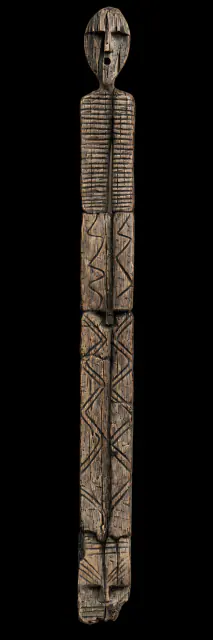
The sculpture was preserved in a peat bog. Its exact date and the meaning of its figures remain under discussion.
Read the complete record →05 · FINAL NEOLITHIC · ≈4000–3800 CAL BCE
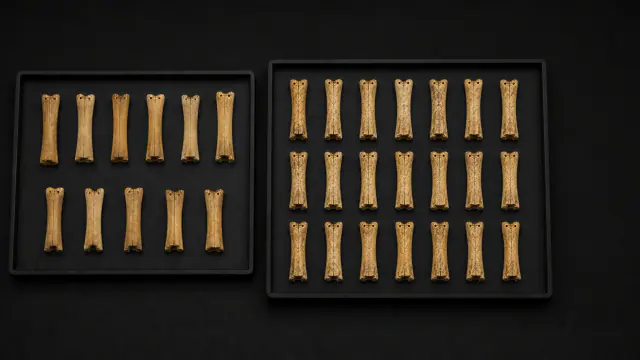
These bone pieces appeared in a collective burial. Calling them 'idols' does not mean we know what belief they belonged to.
Read the complete record →06 · LATE NEOLITHIC–EARLY CHALCOLITHIC · ALENTEJO
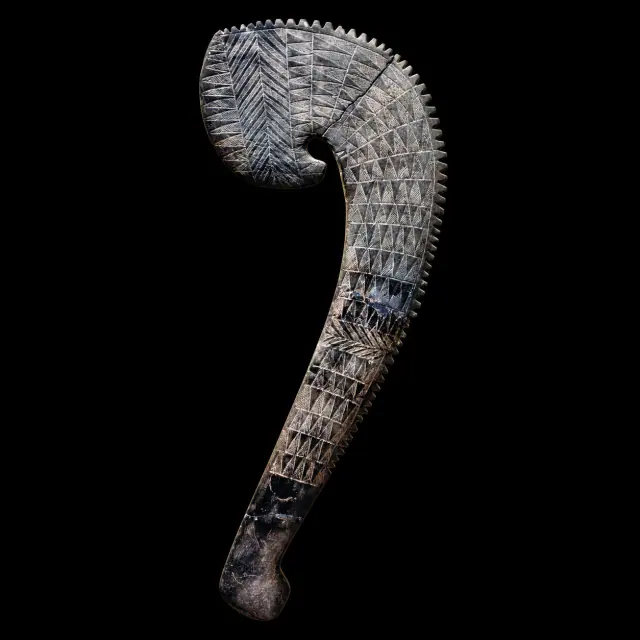
Its form and decoration have suggested a prestige object, but we do not know who used it or for what purpose.
Read the complete record →08 · COLLECTION
Twenty-five thresholds ordered by continent situate each trajectory on real maps; they do not form a ladder of progress.
01 · EGYPT · STATE FORMATION
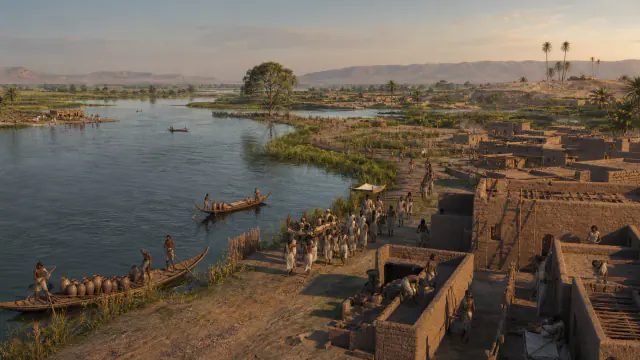
The communities of the Nile valley and delta gradually united to form a kingdom.
Read the complete record →02 · AFRICA · HISTORICAL REGION · SUCCESSIVE KINGDOMS
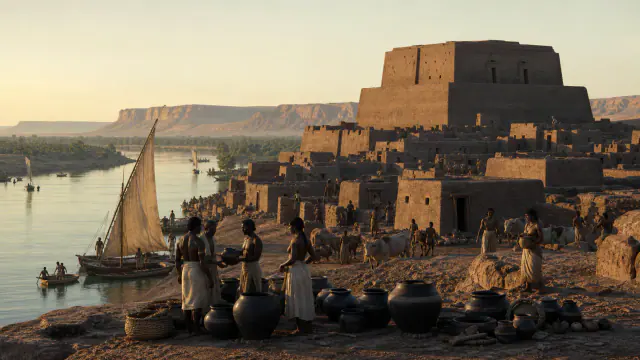
South of Egypt, a power grew that eventually came to rule it.
Read the complete record →03 · AFRICA · CONSTELLATION OF PEOPLES, LANGUAGES AND LIVING TRADITIONS
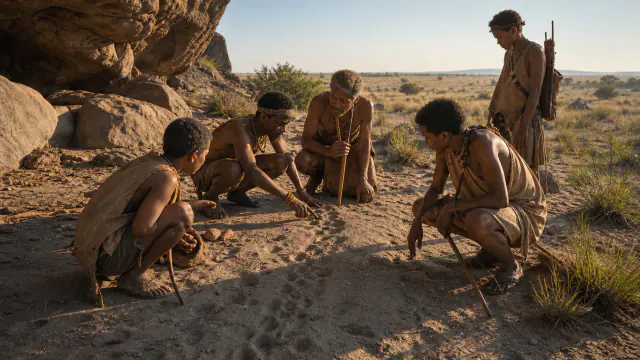
Learn about the stories, knowledge and traditions of various San peoples of southern Africa.
Read the complete record →04 · AFRICA · OASIS NETWORK · SAHARAN POLITICAL FORMATION
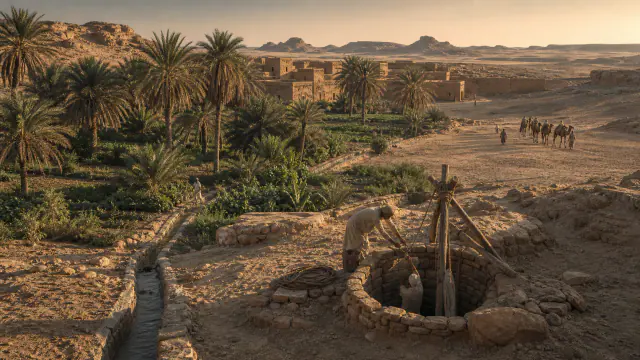
The Garamantes built underground channels to obtain water and cultivate in the oases of the Sahara.
Read the complete record →05 · AFRICA · CONSTELLATION OF COMMUNITIES · LIVING HISTORIES
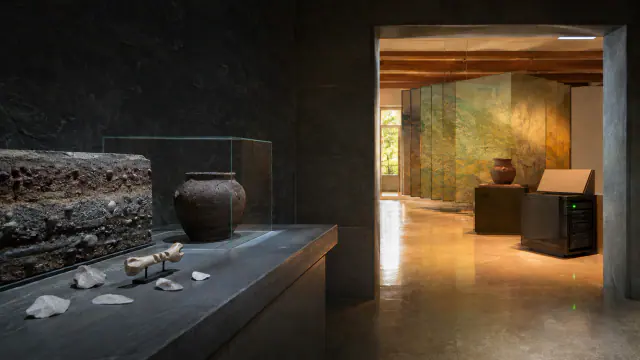
Forests have been essential to the lives of many Batwa and Twa communities, with different histories and traditions.
Read the complete record →06 · AFRICA · LINGUISTIC MACROHISTORY · DIVERSE SOCIETIES
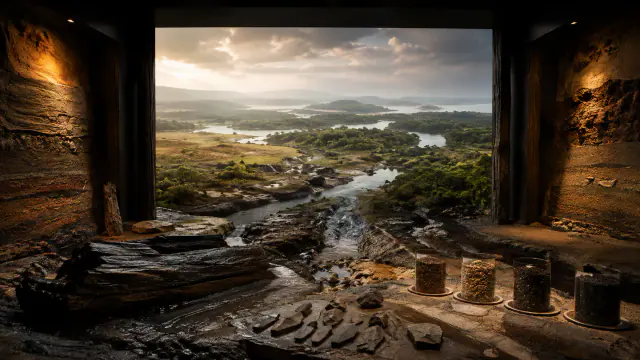
Bantu languages connect many African societies. This is not a single people nor a single kingdom.
Read the complete record →07 · AFRICA · LINGUISTIC FAMILY · CULTURAL AND POLITICAL NETWORKS
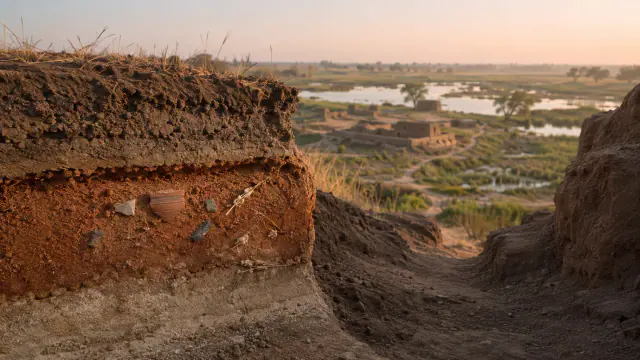
Mande oral traditions transmit stories of people, journeys and kingdoms of West Africa.
Read the complete record →08 · MESOPOTAMIA · URUK
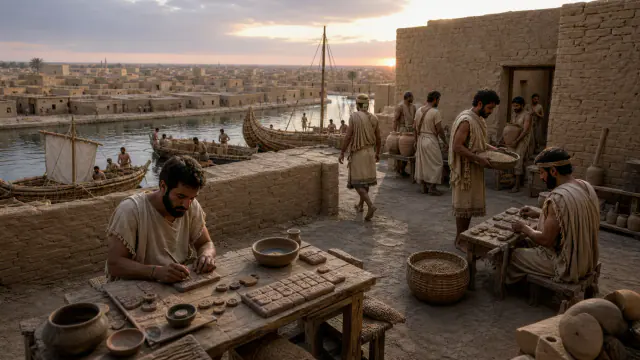
Some of the earliest written documents recorded quantities, products and rations.
Read the complete record →09 · INDO · URBANISATION
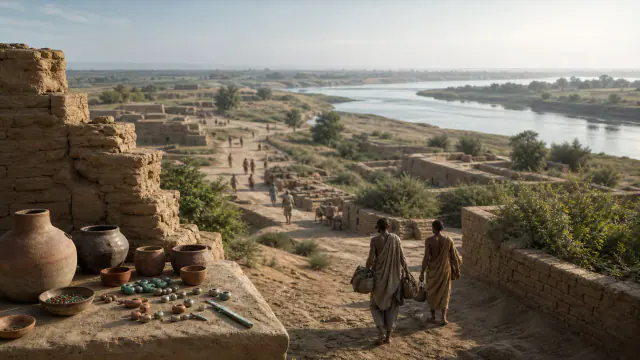
Harappa allows us to follow the growth of a settlement until it became a great city.
Read the complete record →10 · CHINA · LONGSHAN
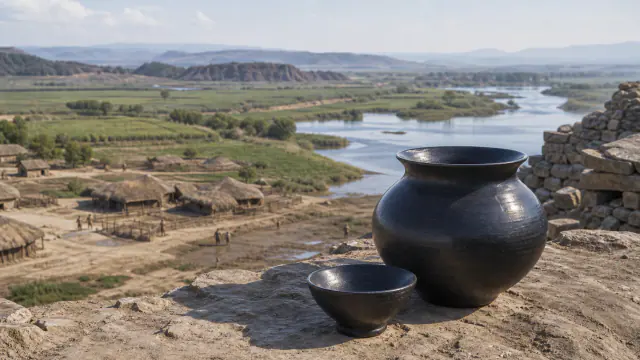
A vessel so fine it looks like metal.
Read the complete record →11 · WESTERN ASIA · IMPERIAL KINGDOM · MULTILINGUAL SOCIETY
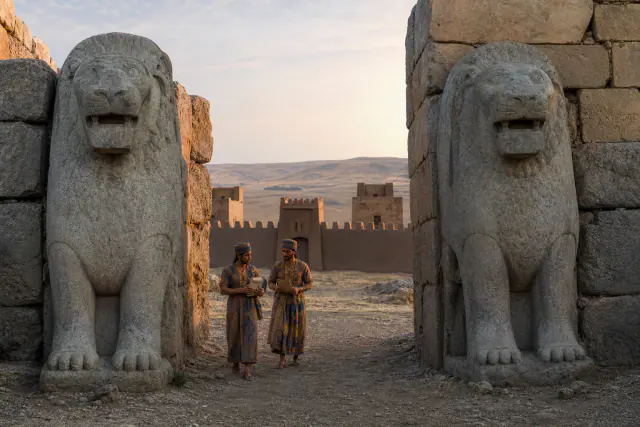
The Hittite kings ruled part of Anatolia and related to their neighbors through wars, trade, and treaties.
Read the complete record →12 · SOUTH ASIA · LINGUISTIC AND RITUAL TRADITION · REGIONAL SOCIETIES
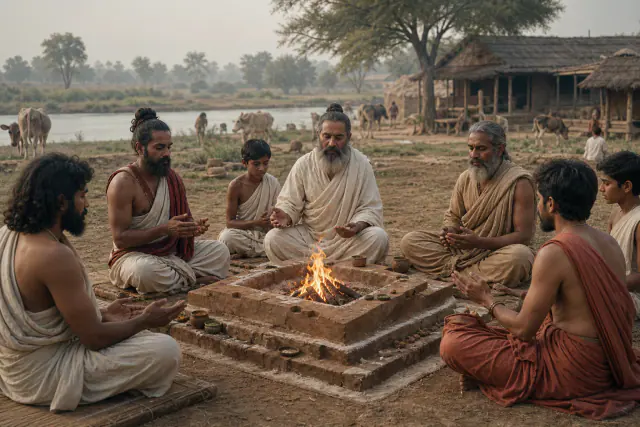
The Vedic texts were transmitted orally for centuries through careful memorisation techniques.
Read the complete record →13 · WEST ASIA · HEBREW RAMA
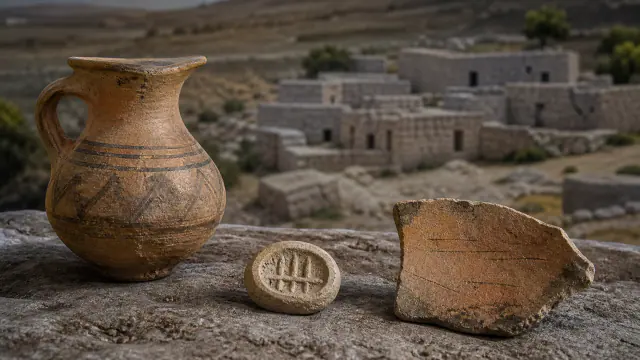
The history of these communities combines archaeological remains and texts written in different eras.
Read the complete record →14 · WESTERN ASIA · PORT CITIES · MARITIME NETWORK
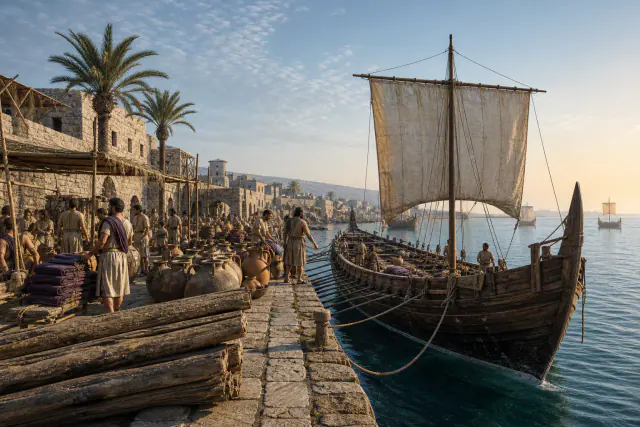
Phoenician cities connected different parts of the Mediterranean through navigation and trade.
Read the complete record →15 · EUROASIAN STEPPE · HORSE PEOPLES · MOBILE CONFEDERATIONS
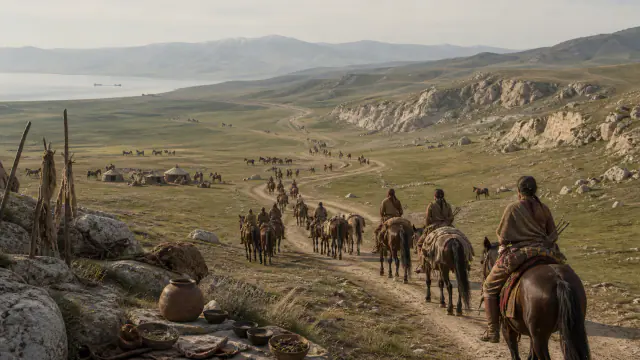
The horse facilitated movement, exchange, and warfare among the peoples of the steppe.
Read the complete record →16 · WESTERN ASIA · KINGDOM · TERRITORIAL EMPIRE
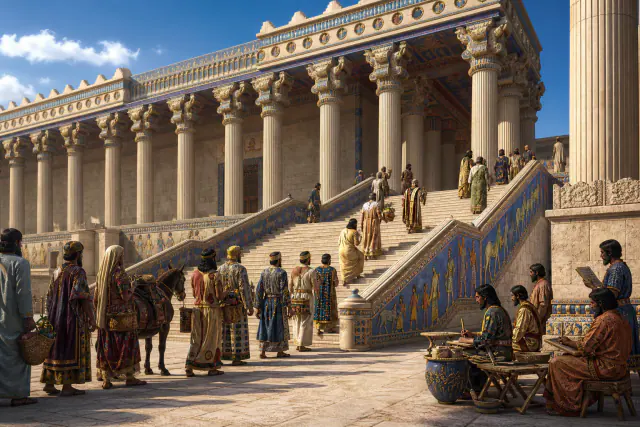
The Achaemenid Empire brought together peoples with different languages, customs and forms of government.
Read the complete record →17 · EAST ASIA · REGIONAL STATE FORMATION
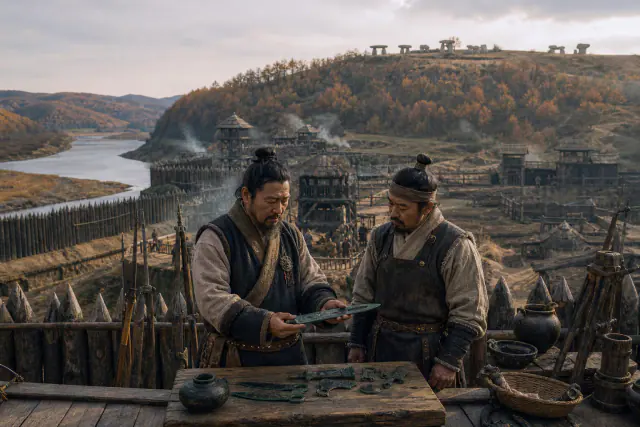
To understand Gojoseon, one must distinguish foundation traditions from the remains and documents that can be dated.
Read the complete record →18 · EAST ASIA · ARCHAEOLOGICAL CULTURE · REGIONAL SOCIETIES
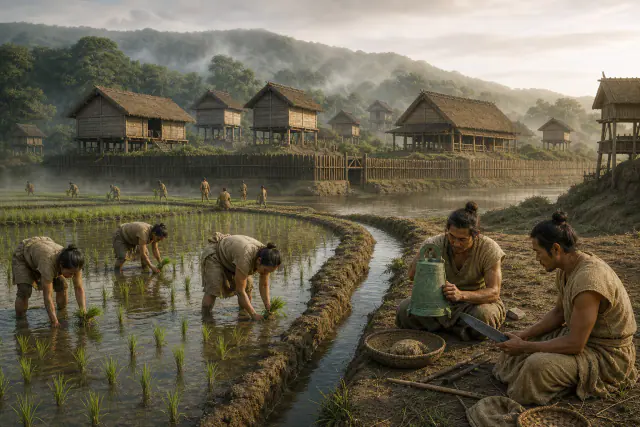
Rice, metal and continental contacts reorganised an archipelago.
Read the complete record →19 · GREEKS · BEGINNING IN THE MINOAN PHASE
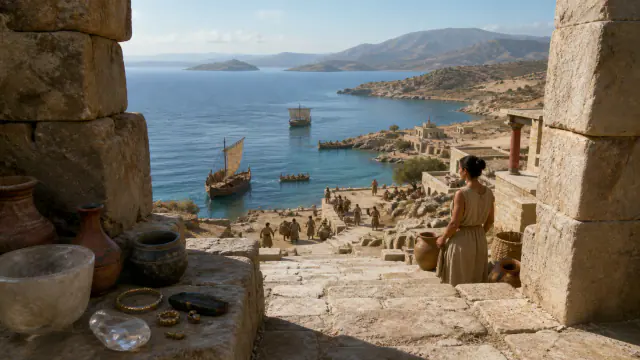
The route begins in Crete and continues towards Mycenae and the Greek worlds.
Read the complete record →20 · EUROPE AND AEGEAN · ETRUSCAN CITIES · ROMAN STATE
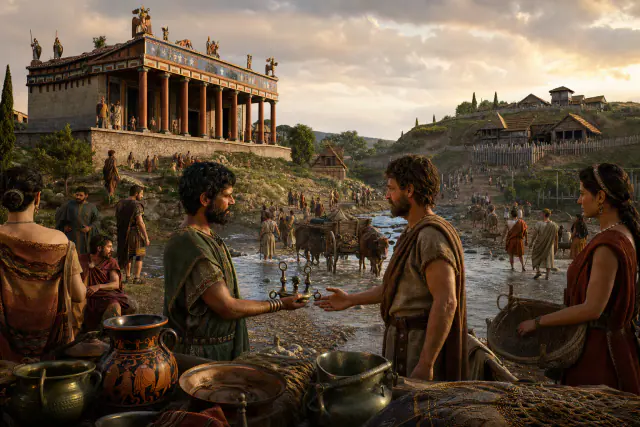
Rome was not born alone: it learned from its neighbours before dominating them.
Read the complete record →21 · EUROPE · IBERIAN PEOPLES
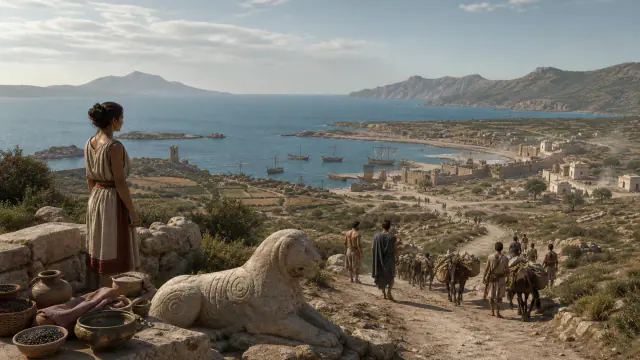
The Iberian peoples shared some cultural traits, but did not form a single kingdom.
Read the complete record →22 · EUROPE AND THE AEGEAN · LINGUISTIC AND CULTURAL CONSTELLATION
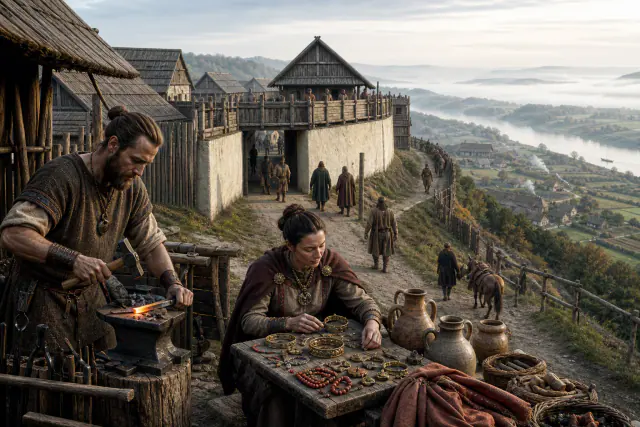
Distinct communities associated with the Celtic world lived from the Atlantic to Anatolia. They never formed a single empire.
Read the complete record →23 · EUROPE · BALKANS, AEGEAN AND LOWER DANUBE
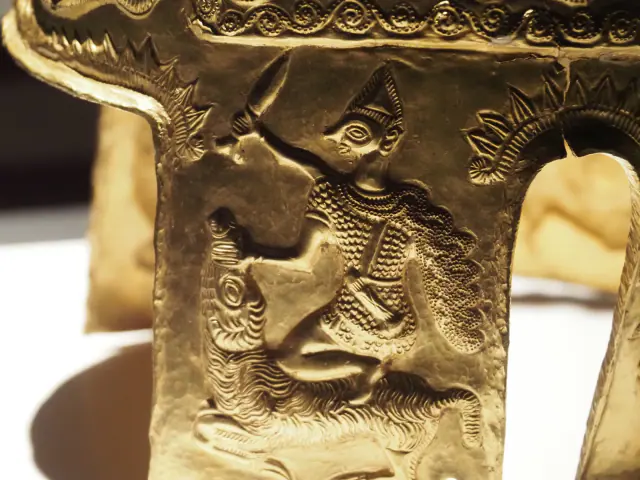
The settlements, graves and treasures allow us to know the Thracian peoples and their contacts with other cultures.
Read the complete record →24 · AMERICA · LIVING CULTURAL TRADITION · FORMATIVE ROOTS · CITY-STATES
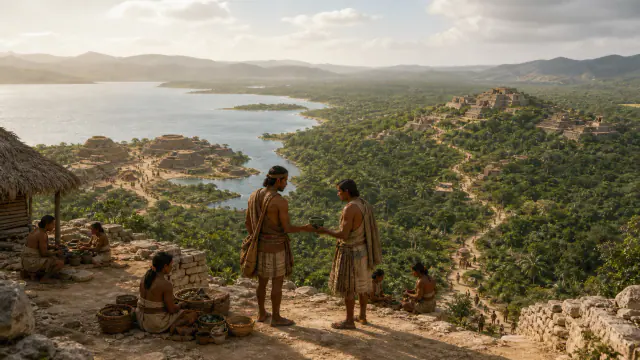
The Maya peoples developed cities, writing and calendars, and maintained contact with other societies of Mesoamerica.
Read the complete record →25 · AMÉRICA · MUSEUM-UMBRELLA · SEVEN ANDEAN TRADITIONS
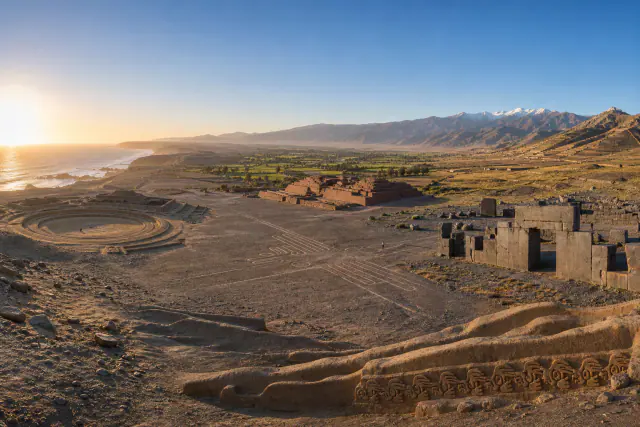
Caral, Chavín, Nazca, Moche, Tiahuanaco, Wari and Chimú had their own histories before the Inca Empire.
Read the complete record →Antes de las ciudades
Discover the connected fiction project. The available Prehistory reader is in Spanish; other volumes are not presented as finished products for sale.
Explore the books →Try the available Prehistory browser alpha. Campaigns for the other cultures are still in development.
Open the game (Spanish) →Use each record’s institution and heritage links to continue your research. Country-by-country historical travel guides are planned, not yet published.
Historical travel →Discover artistic designs inspired by the collections and check each product’s availability. Museum access remains free.
Explore the collection →