 English
 Español
 Français
 Italiano
 Deutsch
 Русский
 Português
 Polski
 Română
 Svenska
 Norsk bokmål
 Suomi
 Türkçe
 العربية
 简体中文
 한국어
 हिन्दी
 Ελληνικά
01 · INITIAL ATLAS · DIVISIONS AND REGIONS
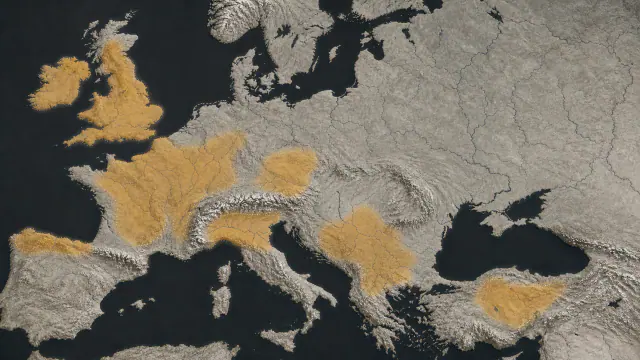
Map of Celts
Explore Hallstatt, La Tène and related communities, without confusing them with a single country.
Read the complete record → TRACEKEEPERS
HISTORY · OPEN COLLECTION
Mining wealth and Alpine routes help explain the emergence of Hallstatt elites and centres. These are part of the archaeological background to a diverse cultural landscape later associated with Celtic peoples.
29 complete records · free to read, no account needed
Read freely here. A free account saves your visits inside the museum.
Before you begin · Celts
The Celtic world is better understood by following regional exchanges and changes than by seeking a single date of birth.
Bronze Age
Salt mining in Hallstatt requires tools, transport, and cooperation, and connects the valley with other territories.
From c. 800 BCE
Burials, metallurgy, and exchanges characterise a broad world of the early European Iron Age.
From the 5th century BCE
New styles and objects circulate among societies that participate in different ways in the Celtic world.
Before Iron Age societies, Europe was traversed by farming, herding, and artisan communities. In the Alps, the salt deposits of Hallstatt attracted specialised activity during the Bronze Age. Extracting and transporting salt required knowing the mountain, making tools, and organising work in underground spaces.
Salt, metals, and other products connected valleys and regions. From approximately 800 BCE, the name Hallstatt also designates an archaeological assemblage of the early Iron Age. Its burials and objects allow studying social differences and long-distance contacts. The exceptional conservation of the mine also returns textiles, wood, and traces of everyday work.
During the 5th century BCE, the La Tène horizon develops, recognised by new artistic repertoires and object forms. The names used by Greek and Roman authors, the Celtic languages, and these archaeological assemblages provide distinct evidence. Together they help understand related societies, but with their own trajectories and political organisations.
In the museum, weapons, adornments, and ritual objects can be read alongside this history of work, mobility, and relations.
Interpreting these traces. Hallstatt and La Tène are archaeological categories: their distribution does not exactly equate to a map of Celtic peoples or languages.
≈800–500 BCE · EUROPE AND THE AEGEAN
Access to the museum brings together the atlas and the background of Celtas. Afterwards, seven areas order the historical context, culture, architecture, characters and society, treasures and equipment, beliefs and curiosities, and four historical doors to other museums. Each file preserves narrative layers, cautions, and differentiated sources.
The room combines a specific visual catalog with an audited thematic dossier. Separates facts, interpretations and cautions; the 3D volumes continue to be replaceable markers until models with provenance and license are incorporated.
Mineral wealth and Alpine routes help understand the emergence of elites and Hallstatt centres, one of the archaeological roots of the cultural mosaic that later sources will associate with Celtic peoples.
Hallstatt is first an archaeological category. It does not demonstrate that every Bronze Age miner spoke a Celtic language or that a homogeneous Celtic people existed.
Read the background and its sources →EXPLORE THE COLLECTION
Follow the museum’s curated order or go straight to a section. Every record includes its full public documentation and sources.
01 · COLLECTION
Consult the maps and initial context sheets to situate this museum in time and territory; then choose the areas that interest you most.
01 · INITIAL ATLAS · DIVISIONS AND REGIONS
Explore Hallstatt, La Tène and related communities, without confusing them with a single country.
Read the complete record →02 · BEFORE ‘CELTIC’ · ALPINE BRONZE · 2100–800 BCE
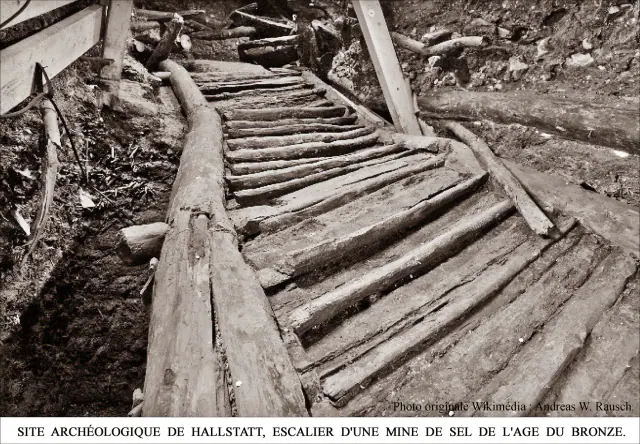
Alpine communities were already extracting salt and building wooden stairways long before sources spoke of the Celts.
Read the complete record →02 · COLLECTION
The first stop reconstructs the area before Celtas; afterwards, places and processes allow entering its history without reducing it to a start date or an inevitable destiny.
01 · 01 · Eastern Alps · underground wealth
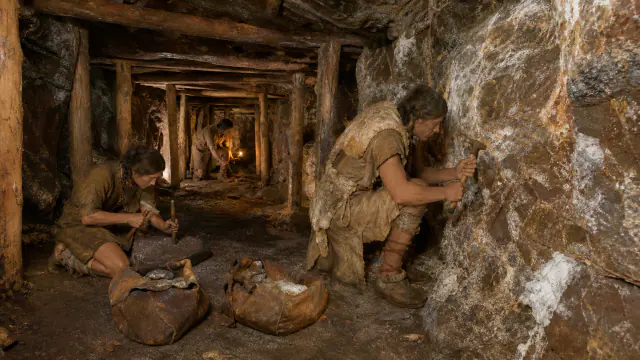
Salt preserved food, sustained exchanges and also preserved traces of those who hewed it from the rock.
Read the complete record →02 · 07 · Mont Beuvray · urbanising in wood and earth
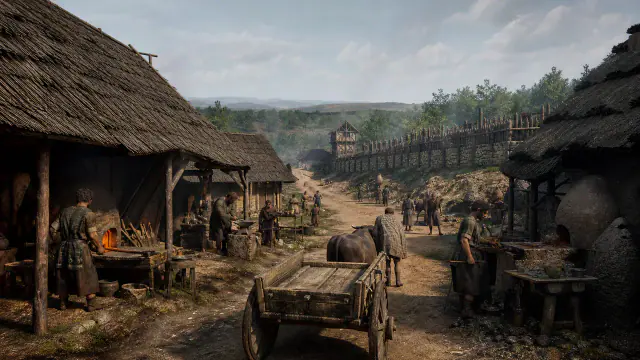
Before the forest covered it, a town of streets, walls and workshops was transforming metal on a large scale.
Read the complete record →03 · 12 · Roman Gaul · a language that continued measuring time
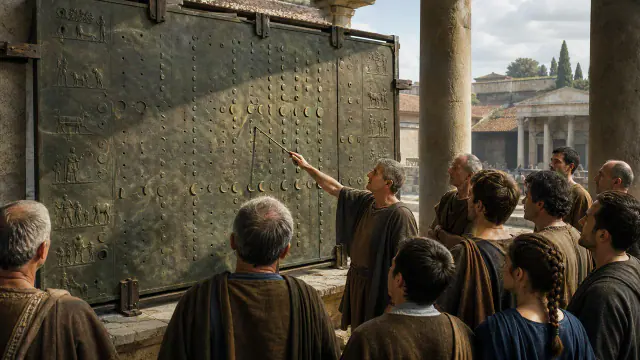
Six hundred Celtic words were engraved in Latin letters on a plate calculated for lunar and solar cycles.
Read the complete record →03 · COLLECTION
These stops distinguish instruments, ritual actions, orality or writing and visual culture. Where there is no theatre, score or certain meaning, the museum preserves the limit.
01 · LIVING AND DOCUMENTED CULTURE · 01
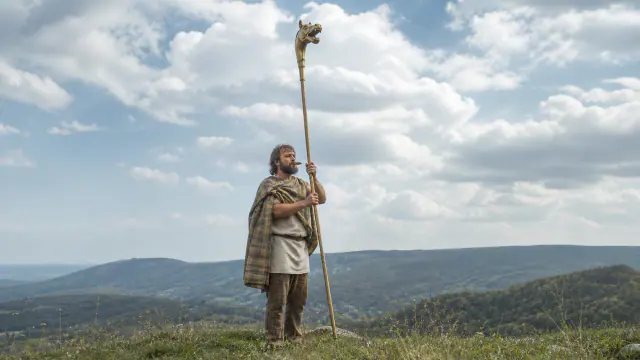
War and ceremony trumpets ended in ritual deposits.
Read the complete record →02 · LIVING AND DOCUMENTED CULTURE · 02
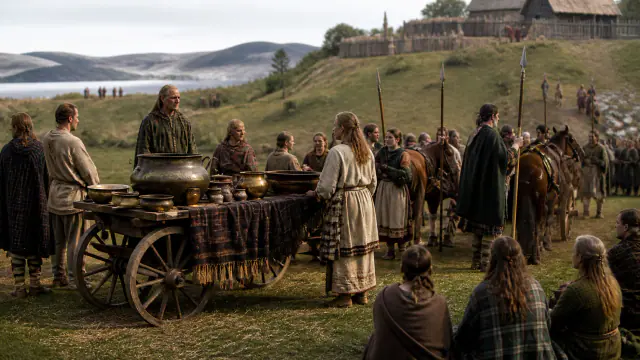
Vessels, cauldrons and wagons help study the gatherings and ceremonies of elites.
Read the complete record →03 · LIVING AND DOCUMENTED CULTURE · 03
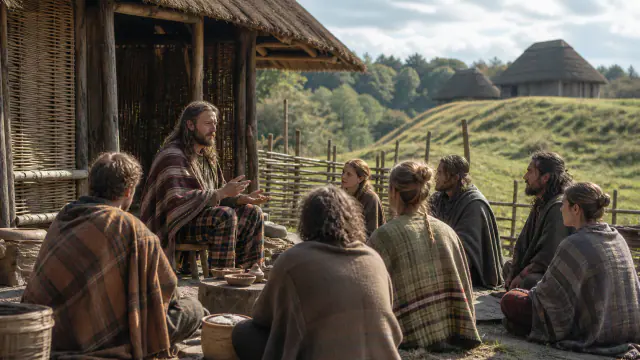
Ancient authors describe oral tradition specialists, but they speak from outside.
Read the complete record →04 · LIVING AND DOCUMENTED CULTURE · 04
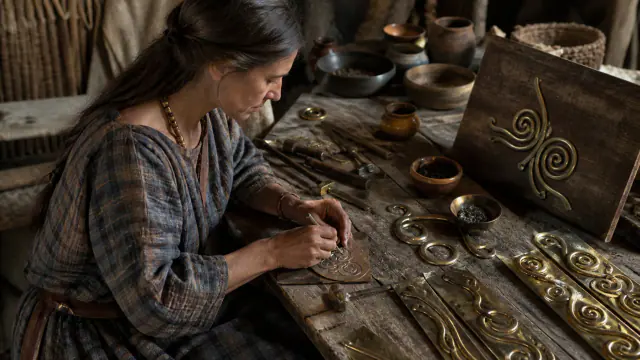
Artisans combined curves and recognisable figures to decorate their objects.
Read the complete record →04 · COLLECTION
These architectures explain how materials, water, work and memory organized the territory without converting an elevation reconstruction into certainty.
01 · ARCHITECTURE AND LANDSCAPE · 01
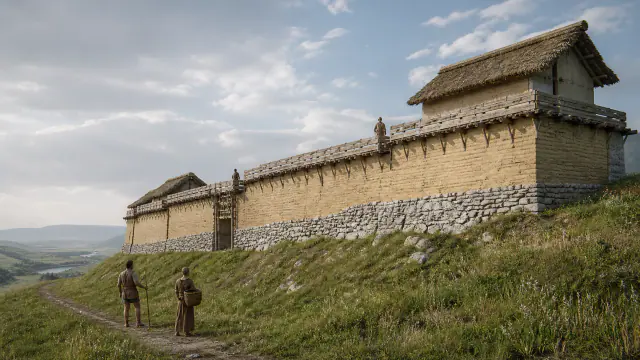
A stone base supported an adobe wall, a Mediterranean technique unusual north of the Alps.
Read the complete record →02 · ARCHITECTURE AND LANDSCAPE · 02
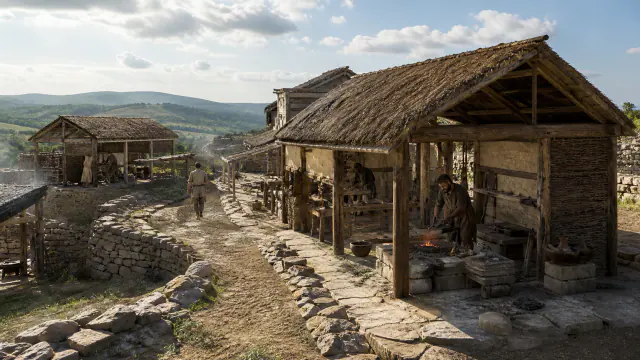
This fortified settlement had streets, artisan quarters and public spaces.
Read the complete record →03 · ARCHITECTURE AND LANDSCAPE · 03
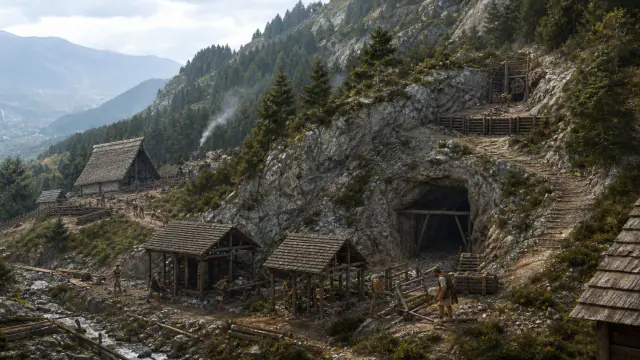
Mine, settlement and cemetery depended on salt.
Read the complete record →05 · COLLECTION
Known people, reconstructed voices and collective footprints. From oldest to most recent according to life, reign or scene. The periods may overlap; The voices without a determinable date close the journey.
01 · 03 · Hochdorf · banquet for the dead
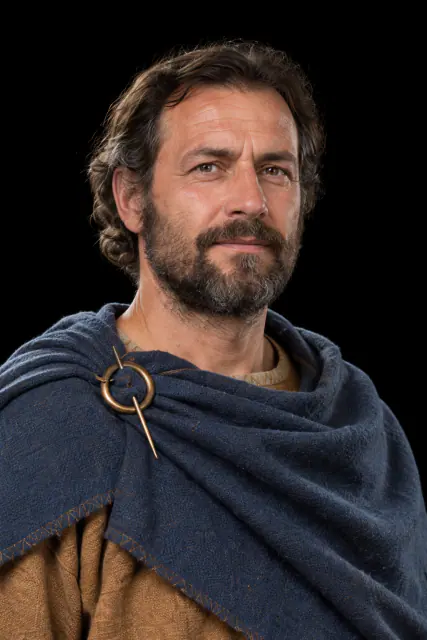
The tomb included a bronze couch and utensils for a banquet of nine people.
Read the complete record →02 · 04 · Mont Lassois · a woman at the centre of the network
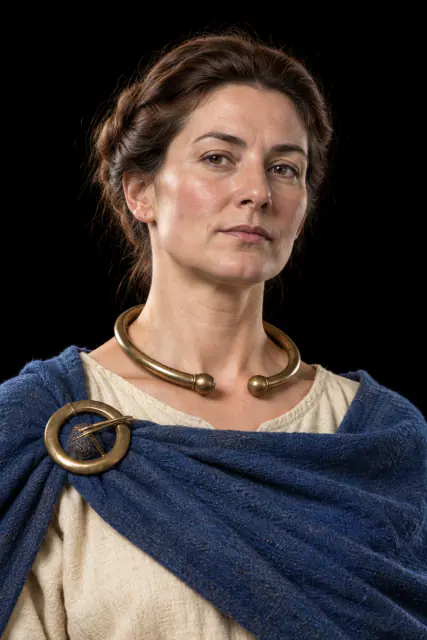
The largest known bronze krater travelled from Greek workshops to the tomb of a woman in inland Europe.
Read the complete record →03 · 05 · Character · Early La Tène · Hesse
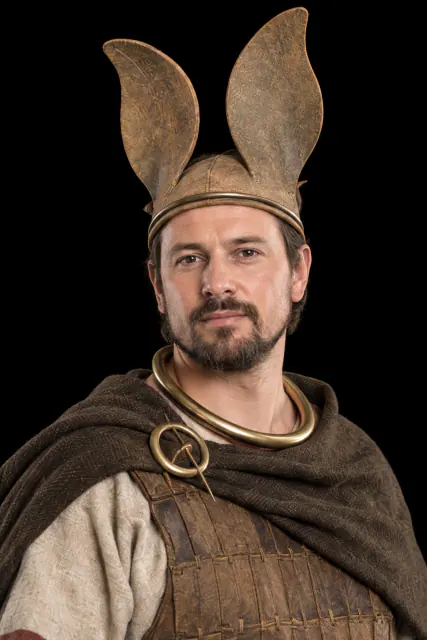
The statue and the grave goods show the importance of this man, although we do not know his name.
Read the complete record →04 · 11 · 52 BCE · Caesar, Vercingetorix and archaeology
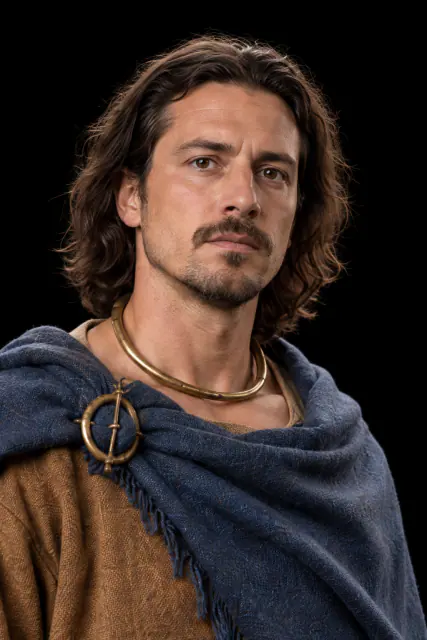
A Roman army built fortifications looking inward and outward; the victor wrote the most famous version.
Read the complete record →05 · 10 · Cheshire · violence without verdict
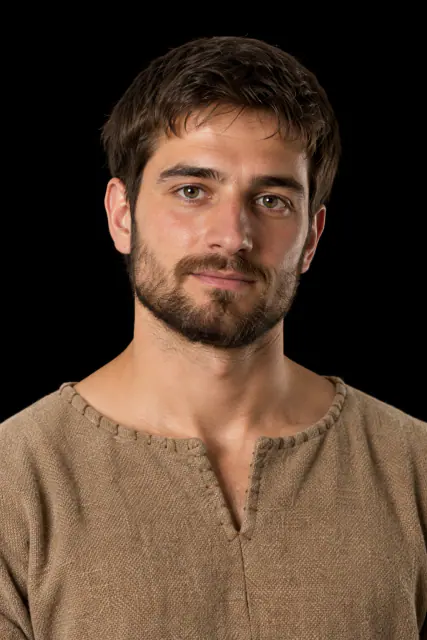
His skin, his hair and remnants of his last meal were preserved in the bog; the motive for his death remains under discussion.
Read the complete record →06 · COLLECTION
Concrete pieces to understand materials, decisions and knowledge systems, with separate evidence and interpretation.
01 · 02 · Upper Danube · travelling architecture
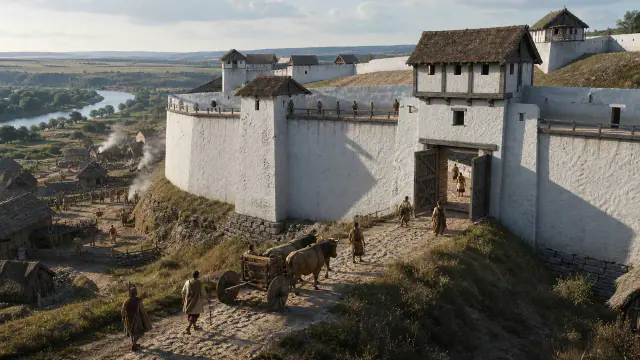
A Mediterranean technique appeared north of the Alps and changed the profile of a fortified centre.
Read the complete record →02 · 06 · Lake Neuchâtel · the site that gave its name to an epoch
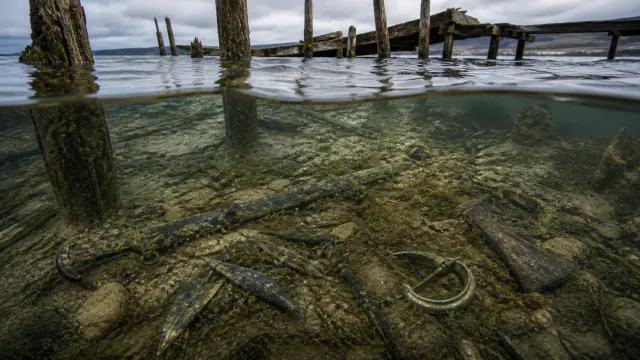
Beside a wooden walkway appeared weapons, tools, ornaments and human remains.
Read the complete record →03 · 09 · Jutland · images without a single homeland
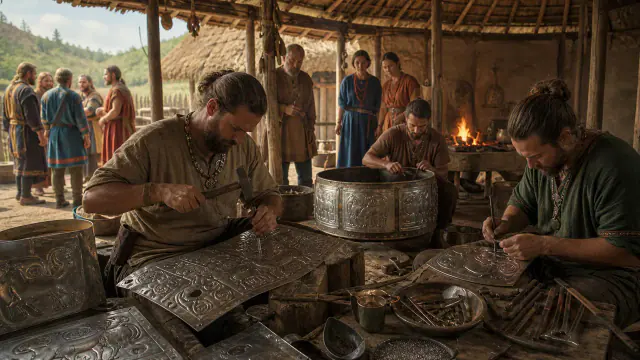
The cauldron appeared dismantled, with figures of people, animals and ritual scenes on its silver plates.
Read the complete record →04 · DOCUMENTED OUTFIT · CLOSED CONTEXT OR CONTROLLED COMPARISON
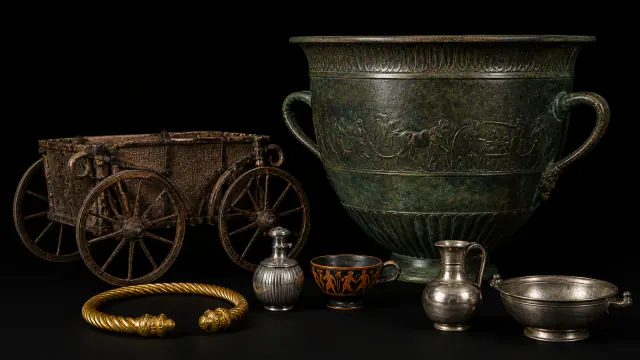
Jewellery, a wagon and tableware arriving from afar accompanied a high-status woman.
Read the complete record →05 · WEAPONS AND EQUIPMENT
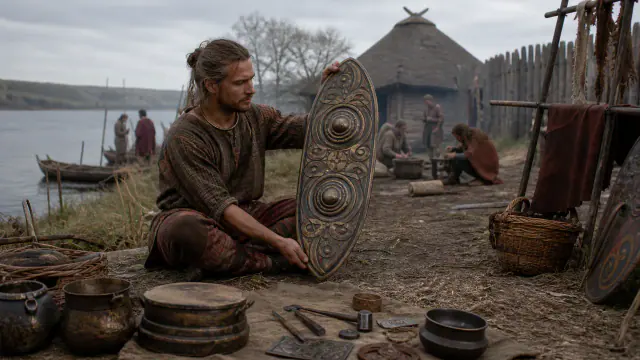
This shield covering, decorated with red enamel, appeared in the Thames; it does not seem to be everyday combat equipment.
Read the complete record →07 · COLLECTION
These cards separate what is documented from what is interpreted and recover practices, questions and details capable of changing our image of this culture.
01 · BELIEFS AND CURIOSITIES · 01
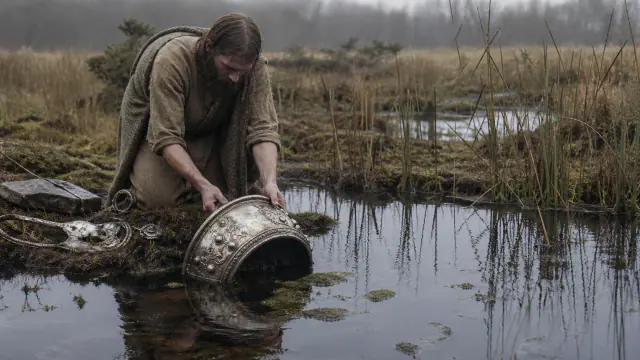
Objects deposited in rivers and lakes allow the study of rituals whose meaning is not always known.
Read the complete record →02 · BELIEFS AND CURIOSITIES · 02
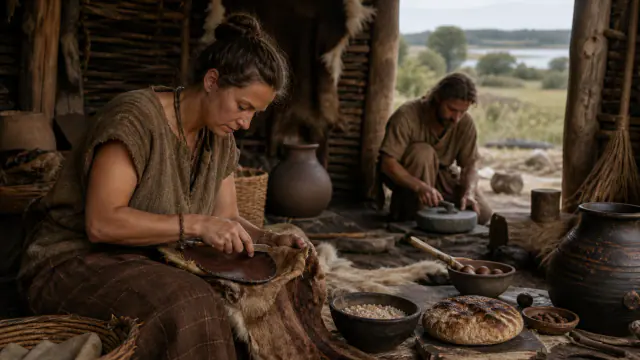
Salt preserved clothing, leather and other materials that help us know daily work and care.
Read the complete record →03 · BELIEFS AND CURIOSITIES · 03
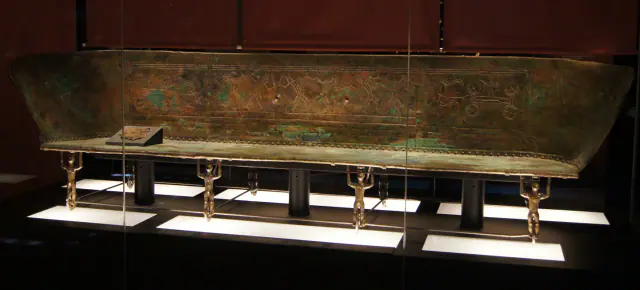
Graves and preserved bodies show very different practices, not a single Celtic way of understanding death.
Read the complete record →08 · COLLECTION
Each door explains why the link exists, when it occurred, and what limits prevent contact from being converted into shared identity.
01 · DOOR 01 · ASIA · EXCHANGE
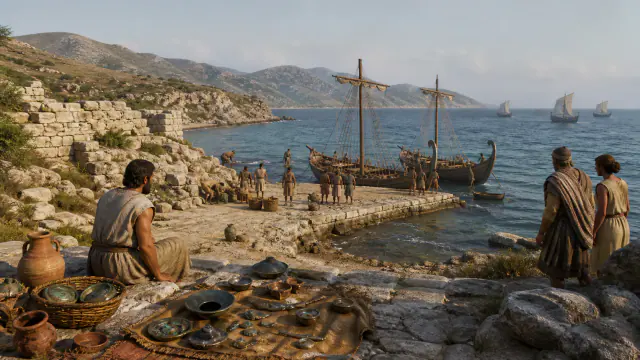
Continues in the Phenicia museum
Read the complete record →02 · GATEWAY 02 · EUROPE · EXCHANGE
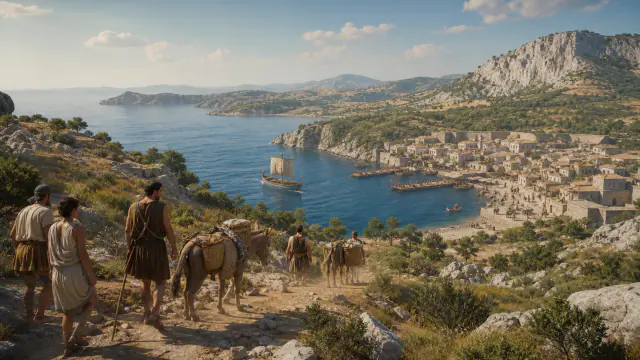
Continues in the Greek museum
Read the complete record →03 · GATEWAY 03 · EUROPE · CONTACT
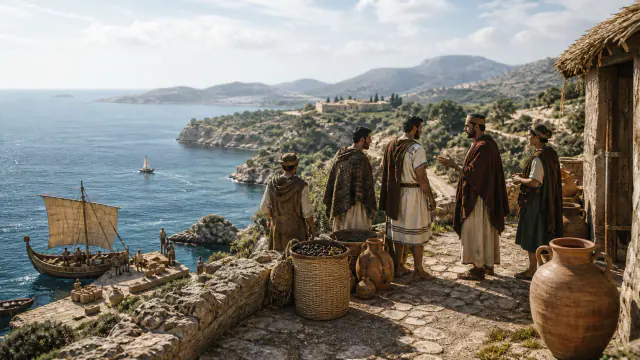
Continues in the Etruscans and Rome museum
Read the complete record →04 · DOOR 04 · EURASIA · EXCHANGE
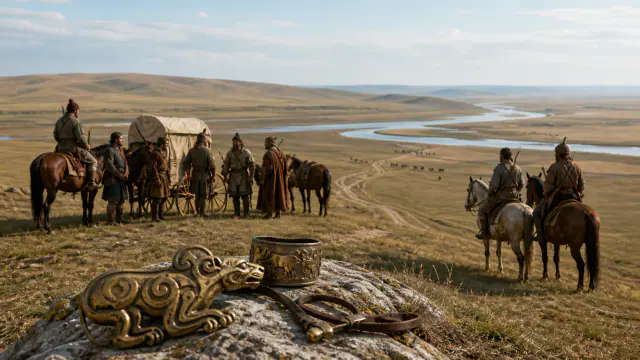
Continues at the Scythians and Saka Museum
Read the complete record →El bosque que otros nombraron
Discover the connected fiction project. The available Prehistory reader is in Spanish; other volumes are not presented as finished products for sale.
Explore the books →Try the available Prehistory browser alpha. Campaigns for the other cultures are still in development.
Open the game (Spanish) →Use each record’s institution and heritage links to continue your research. Country-by-country historical travel guides are planned, not yet published.
Historical travel →Discover artistic designs inspired by the collections and check each product’s availability. Museum access remains free.
Explore the collection →