 English
 Español
 Français
 Italiano
 Deutsch
 Русский
 Português
 Polski
 Română
 Svenska
 Norsk bokmål
 Suomi
 Türkçe
 العربية
 简体中文
 한국어
 हिन्दी
 Ελληνικά
01 · INITIAL ATLAS · ORIGIN AND EXPANSION
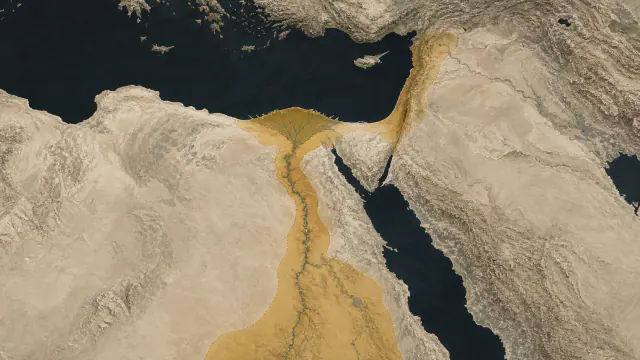
Egypt map
Walk through the periods of Egypt and see how its borders and rulers changed.
Read the complete record → TRACEKEEPERS
HISTORY · OPEN COLLECTION
Long before a unified kingdom, communities along the Nile developed farming, exchange networks and specialised crafts. Badarian and Naqada cemeteries reveal growing social differences before the political integration of the valley and delta.
45 complete records · free to read, no account needed
Read freely here. A free account saves your visits inside the museum.
Before you begin · Egypt
Egypt was formed by connecting communities in the valley and delta that already had their own crops, exchanges and customs.
Ca. 4400–4000 BCE
Small agricultural settlements in Upper Egypt produce careful ceramics and work with various materials.
Ca. 4000–3000 BCE
Exchanges, crafts and unequal tombs allow us to observe profound changes in social organization.
End of the 4th millennium BCE
The political integration of the valley and the delta opens the history of pharaonic Egypt.
Before the pyramids, Nile farming communities lived in small settlements and took advantage of different landscapes. In Upper Egypt, the Badarian tradition, approximately between 4400 and 4000 BCE, left fine ceramics, copper objects and burials with selected goods. These traces speak of work and rituals prior to any known dynasty, although the homes were less well preserved than the tombs.
During the Naqada period, approximately between 4000 and 3000 BCE, some centers grew, artisans specialized and products circulated between regions. The differences between grave goods became more visible: certain families could gather more objects, materials and work than others. Boats, animals and human figures also occupied a prominent place in the images of this predynastic world.
The integration of the valley and the delta was a political process, with competition between centers and concentration of authority. At the end of the 4th millennium BCE the first dynasties of the Egyptian State appear. Kings drew on previous networks, techniques, and symbols, but gave them new functions: expressing dominance over vast territories and organizing resources in the name of the monarchy.
The museum pieces allow us to follow how agricultural work, rituals and royal authority came to be related.
Interpreting these traces. Badari and Naqada are archaeological categories; Its limits and chronological relationship do not coincide with dynasties or closed towns.
Backgrounds ≈5300 BCE · Dynastic State 3100–30 BCE · AFRICA
Access to the museum brings together the atlas and background of Egypt. Then, seven areas organize the historical context, culture, architecture, characters and society, treasures and grave goods, beliefs and curiosities, and 5 historical doors to other museums. Each card preserves narrative layers, cautions and differentiated sources.
The room combines a specific visual catalog with an audited thematic dossier. Separates facts, interpretations and cautions; the 3D volumes continue to be replaceable markers until models with provenance and license are incorporated.
Networks of exchange, craft specialization, and visible competition in Badari and Naqada cemeteries preceded the political integration of the valley and delta.
Pharaonic unification was not the inevitable destiny of all villages; Badari and Naqada are archaeological traditions, not dynasties or closed ethnicities.
Read the background and its sources →EXPLORE THE COLLECTION
Follow the museum’s curated order or go straight to a section. Every record includes its full public documentation and sources.
01 · COLLECTION
Consult the maps and initial context sheets to situate this museum in time and territory; then choose the areas that interest you most.
01 · INITIAL ATLAS · ORIGIN AND EXPANSION
Walk through the periods of Egypt and see how its borders and rulers changed.
Read the complete record →02 · BEFORE THE PHARAOHS · ca. 5300–3300 BCE
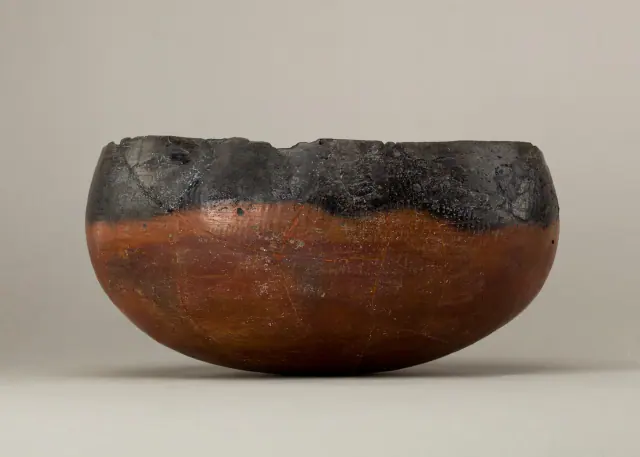
Long before the pyramids, Nile communities made fine ceramics and buried their dead with offerings.
Read the complete record →02 · COLLECTION
The first stop reconstructs the area before Egypt; Later, places and processes allow us to enter into its history without reducing it to a start date or an inevitable destination.
01 · 02 · SITE · DYNASTY I–II
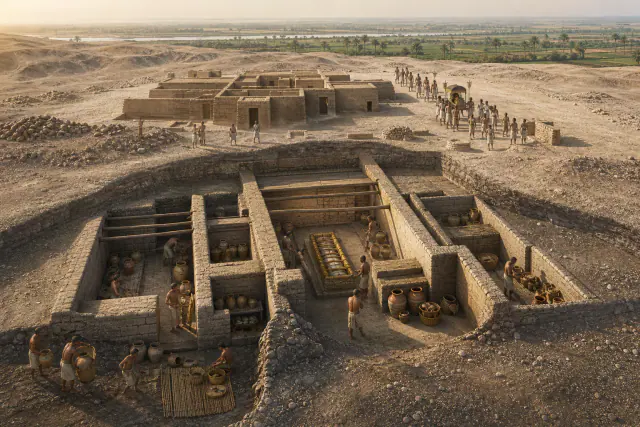
The tombs of Abydos allow us to learn about the first kings of Egypt and their administration.
Read the complete record →02 · 06 · SITE · SAQQARA
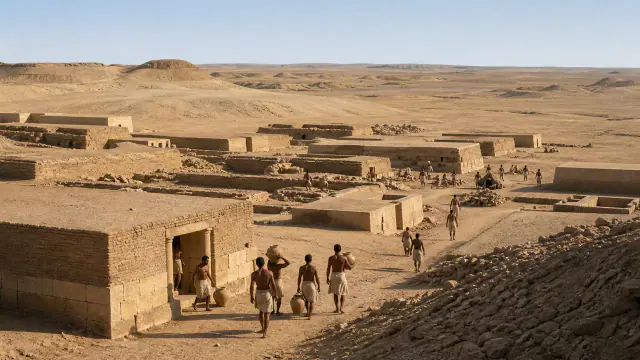
The adobe and stone mastabas preceded the great pyramids.
Read the complete record →03 · 07 · SITE · FUNERAL COMPLEX
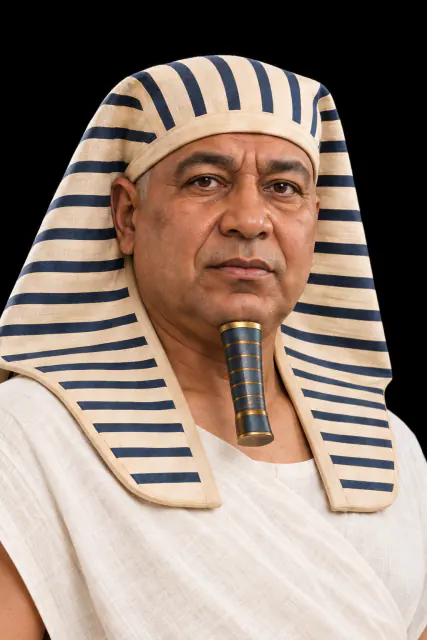
Djoser's pyramid was part of a complex with courtyards, chapels and spaces for ceremonies.
Read the complete record →04 · 11 · LEGACY · OLD KINGDOM
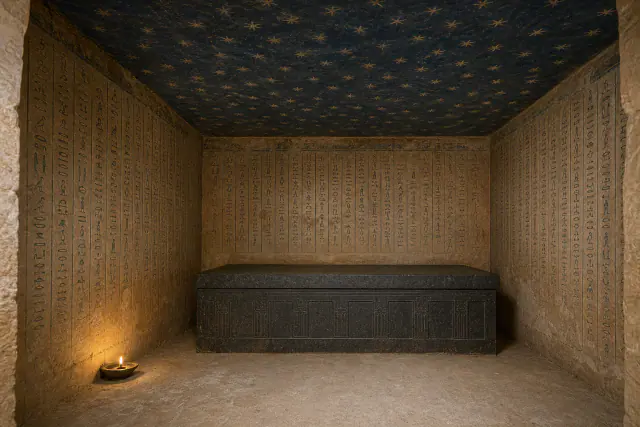
The inscriptions in the funerary chambers gathered formulas to help the king after death.
Read the complete record →05 · 12 · SITE · ANCIENT EMPIRE
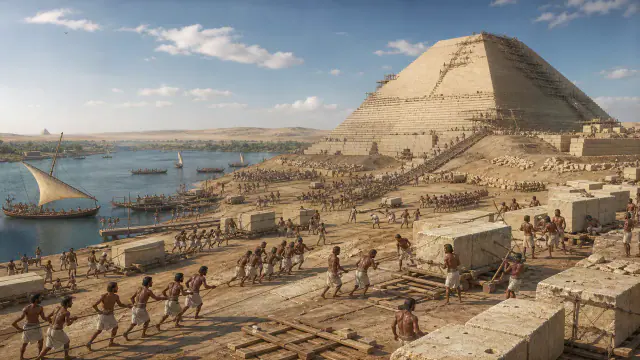
Building the pyramids required organizing quarries, transportation along the Nile and thousands of tasks.
Read the complete record →03 · COLLECTION
These stops distinguish instruments, ritual actions, orality or writing and visual culture. Where there is no theatre, score or certain meaning, the museum preserves the limit.
01 · LIVING AND DOCUMENTED CULTURE · 01
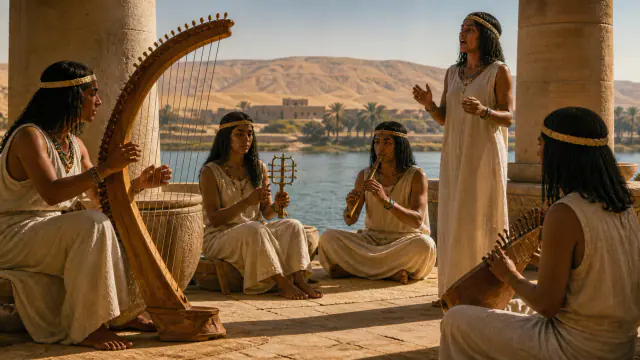
Images and funerary objects show instruments and singers from different stages of Egypt.
Read the complete record →02 · LIVING AND DOCUMENTED CULTURE · 02
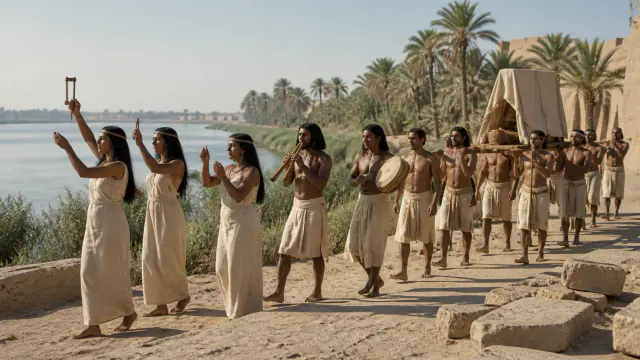
Dance, lamentations and processions were part of Egyptian ceremonies.
Read the complete record →03 · LIVING AND DOCUMENTED CULTURE · 03
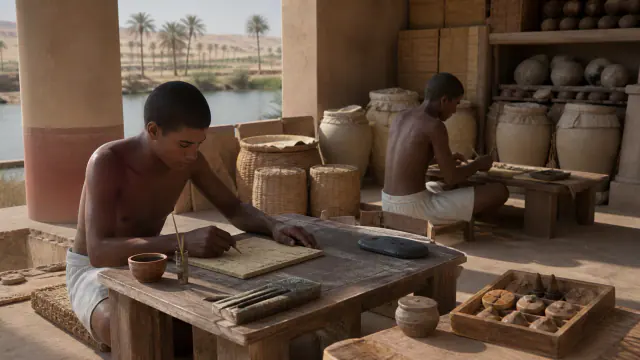
In addition to the hieroglyphs on monuments, scribes used faster forms of writing.
Read the complete record →04 · LIVING AND DOCUMENTED CULTURE · 04
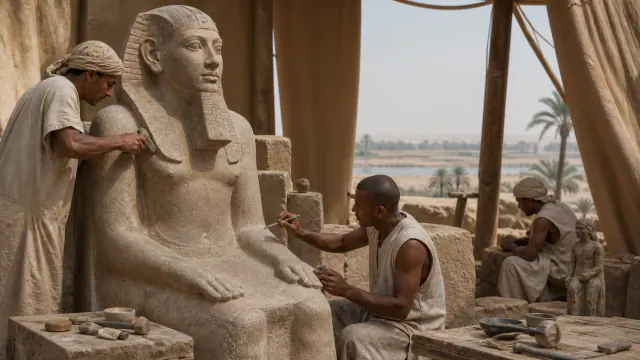
The size, colors and posture of a figure indicated who it represented and what importance it had.
Read the complete record →04 · COLLECTION
These architectures explain how materials, water, work and memory organized the territory without converting an elevation reconstruction into certainty.
01 · ARCHITECTURE AND LANDSCAPE · 01
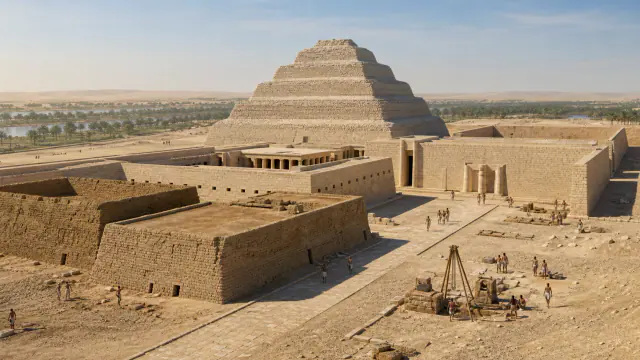
In Saqqara, the Djoser complex brought to stone forms previously built with other materials.
Read the complete record →02 · ARCHITECTURE AND LANDSCAPE · 02
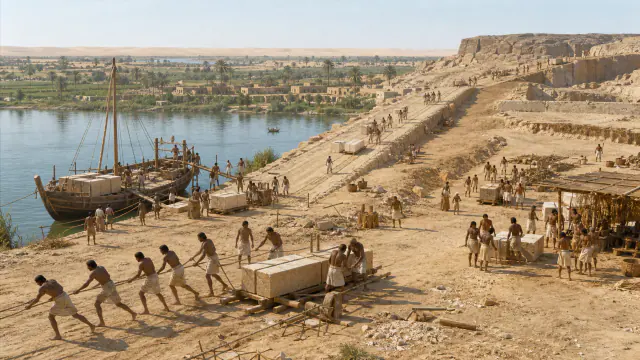
Quarries, ramps, ports, villages and specialized equipment made the pyramids possible.
Read the complete record →03 · ARCHITECTURE AND LANDSCAPE · 03
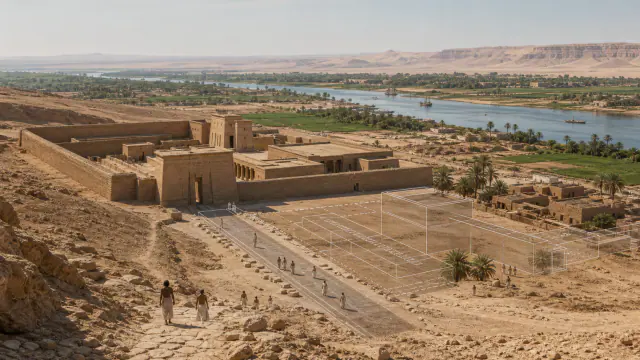
Abydos went from being a royal burial place to an important center of Osiris worship.
Read the complete record →05 · COLLECTION
Known people, reconstructed voices and collective footprints. From oldest to most recent according to life, reign or scene. The periods may overlap; The voices without a determinable date close the journey.
01 · CANONICAL CHARACTER · INSCRIPTION · HISTORICALLY ATTESTED FIGURE
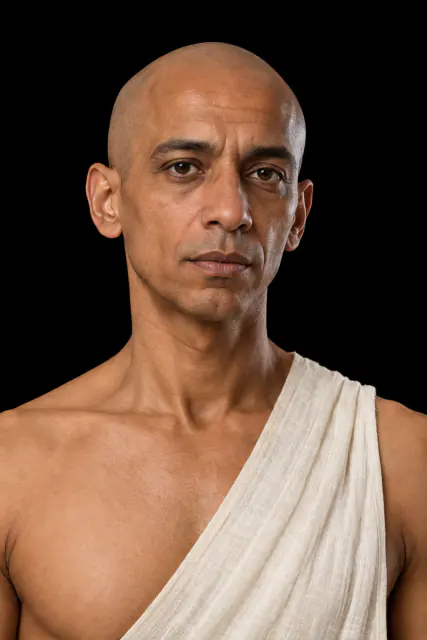
Imhotep was associated with Djoser and, much later, was remembered as a sage and healer.
Read the complete record →02 · CANONICAL CHARACTER · TEXT · HISTORICALLY ATTESTED FIGURE
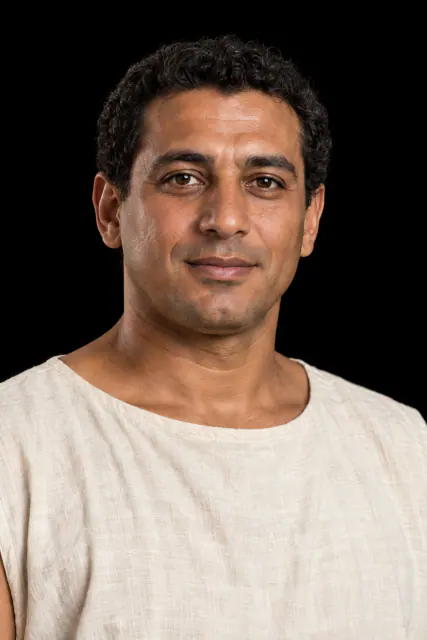
The scribe Ahmes left his name on a papyrus with problems of fractions, areas and distribution.
Read the complete record →03 · CANONICAL CHARACTER · SCULPTURE · HISTORICALLY ATTESTED FIGURE
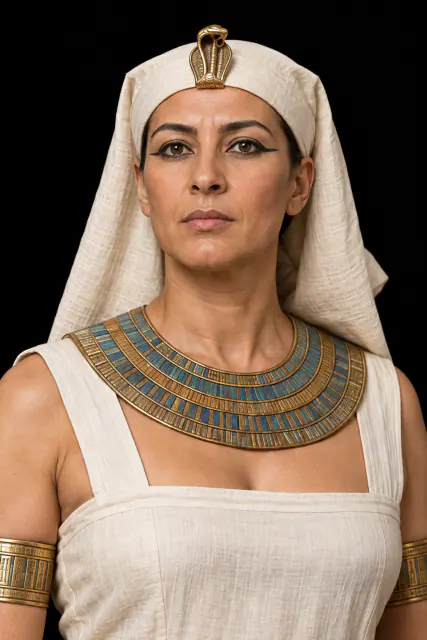
Hatshepsut ruled as pharaoh and was depicted with various combinations of body, titles, and royal insignia.
Read the complete record →04 · CANONICAL CHARACTER · SCULPTURE · HISTORICALLY ATTESTED FIGURE
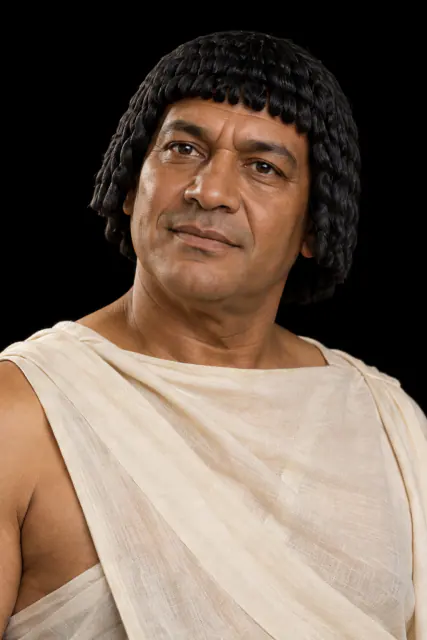
Senenmut held important positions alongside Hatshepsut; His titles and statues allow us to follow his career.
Read the complete record →05 · CANONICAL CHARACTER · RELIEF · HISTORICALLY ATTESTED FIGURE
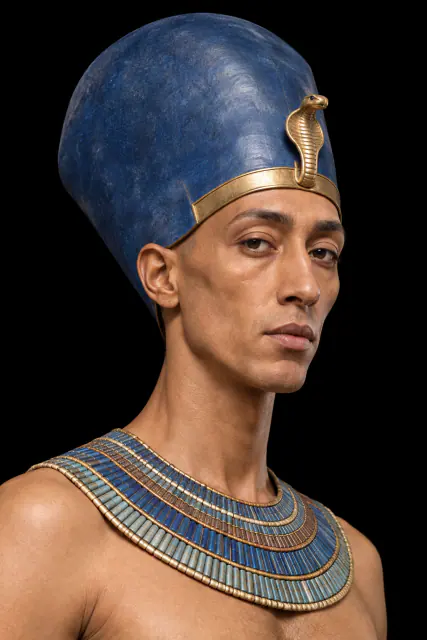
Akhenaten moved the court and gave the cult of Aten a central role in his government.
Read the complete record →06 · CANONICAL CHARACTER · SCULPTURE · HISTORICALLY ATTESTED FIGURE
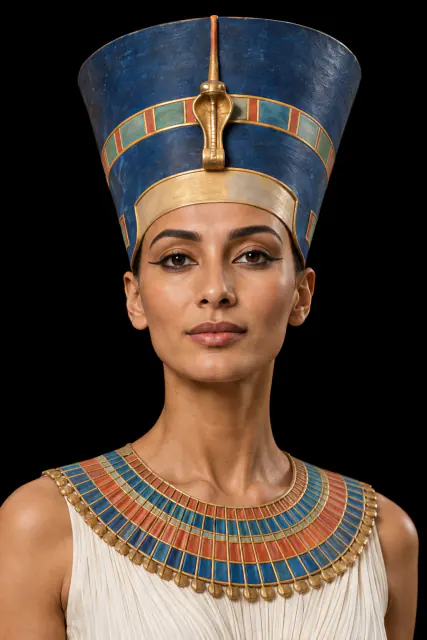
Reliefs and inscriptions place Nefertiti in the cult of Aten; His famous bust comes from a sculptor's workshop.
Read the complete record →07 · HISTORICAL PERSON · DYNASTY 18 · KV62
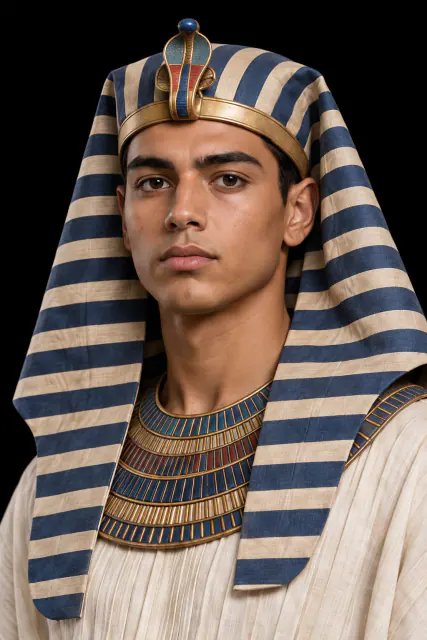
Tutankhamun reigned for a few years, during a period of recovery of the cults that preceded Akhenaten.
Read the complete record →08 · CANONICAL CHARACTER · SCULPTURE · HISTORICALLY ATTESTED FIGURE
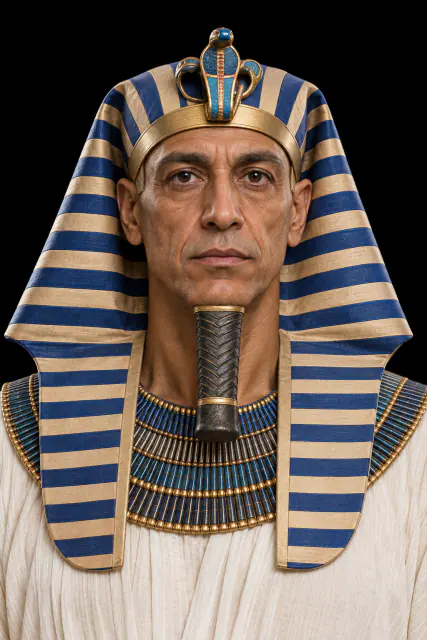
Ramesses II had temples, statues, and inscriptions built that disseminated his name and his achievements.
Read the complete record →09 · HISTORICAL PERSON · 332–331 BCE · GREECE-EGYPT BRIDGE
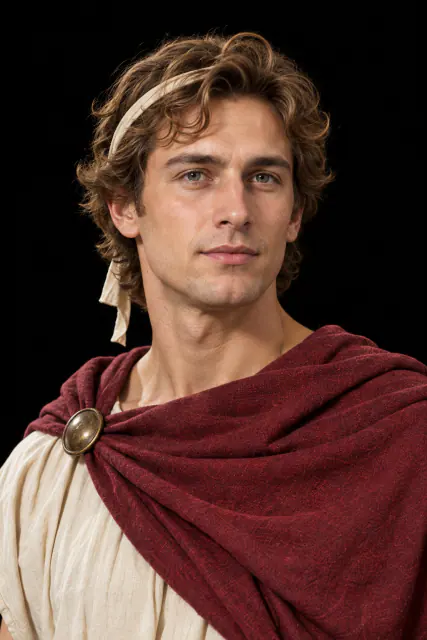
Alexander arrived in Egypt in 332 BCE and sought to also be recognized as pharaoh.
Read the complete record →10 · CANONICAL CHARACTER · CURRENCY · HISTORICALLY ATTESTED FIGURE
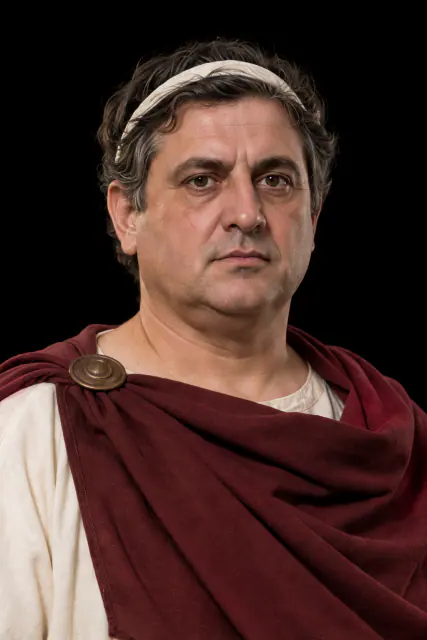
Ptolemy II reinforced his dynasty through cults, foundations and coins with portraits of the royal family.
Read the complete record →11 · CANONICAL CHARACTER · CURRENCY · HISTORICALLY ATTESTED FIGURE
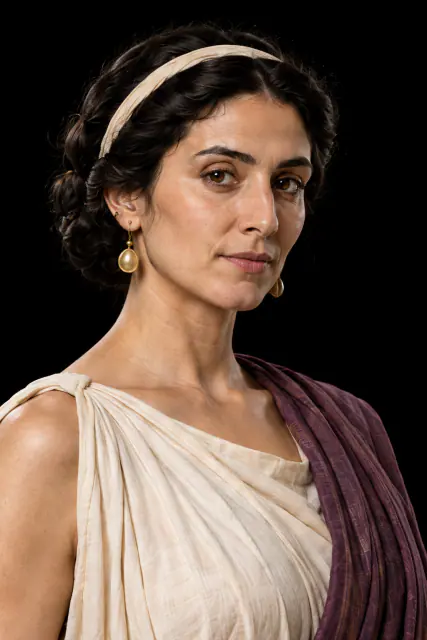
Cleopatra VII ruled Egypt and sought alliances amidst the Roman civil wars.
Read the complete record →12 · HISTORICAL PERSON · ACCIO 31 BCE · EGYPT 30 BCE
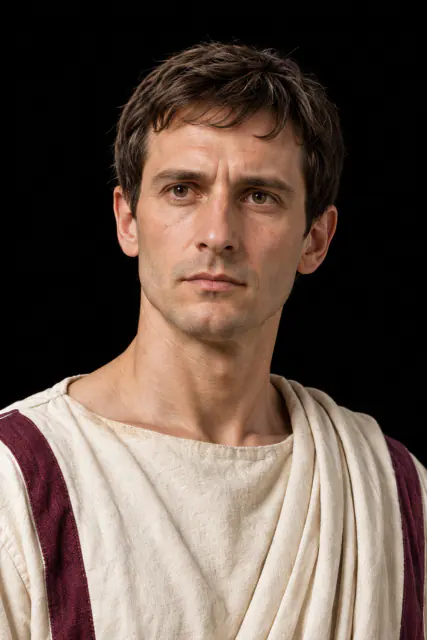
In the Egyptian outcome he was still Octavian; the title Augustus would come in 27 BCE
Read the complete record →06 · COLLECTION
Concrete pieces to understand materials, decisions and knowledge systems, with separate evidence and interpretation.
01 · 01 · OBJECT · NAQADA III
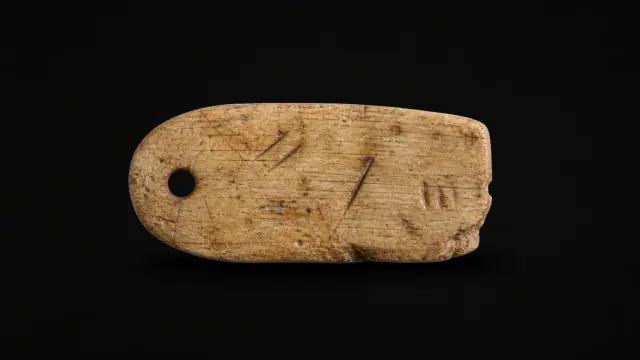
The earliest Egyptian signs appear on labels and vessels associated with goods, names, and places.
Read the complete record →02 · 03 · OBJECT · DYNASTY I
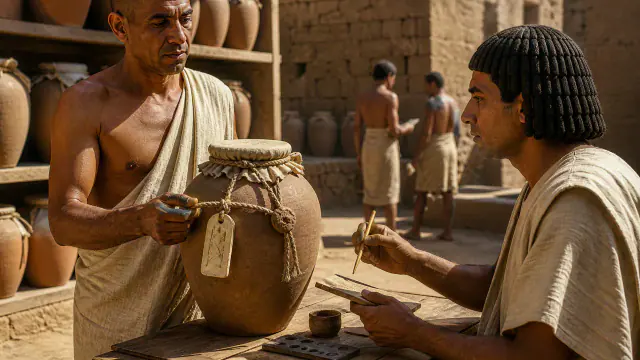
Oil, quantity and date fit on a small token tied to a vessel.
Read the complete record →03 · 05 · OBJECT · TARKHAN
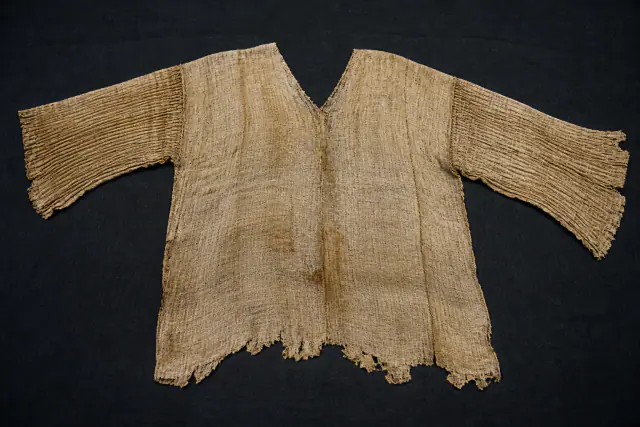
A linen garment may be older than many stone monuments.
Read the complete record →04 · 08 · OBJECT · ABYDOS
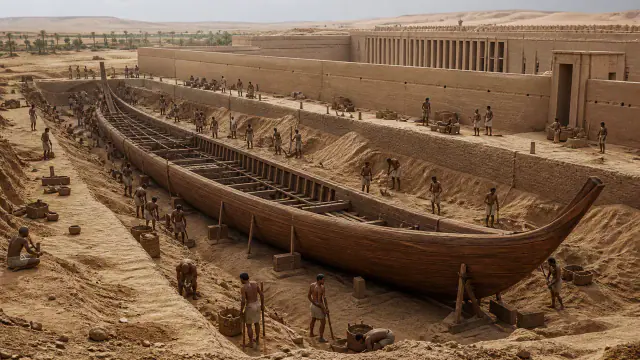
Wood, ropes and sand preserved boats associated with the world of the first kings.
Read the complete record →05 · 09 · PRACTICE · EARLY WORKSHOPS
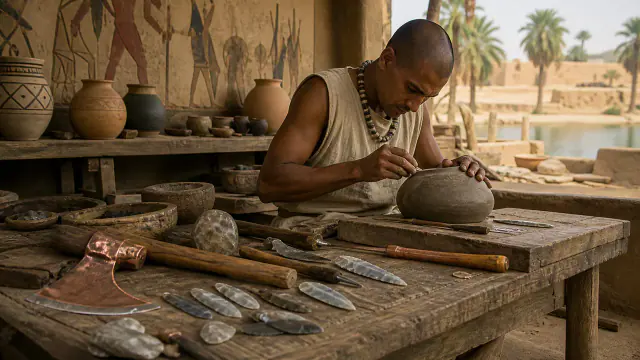
Stone tools continued to be used alongside copper tools for centuries.
Read the complete record →06 · 10 · CONTACT · NILE VALLEY
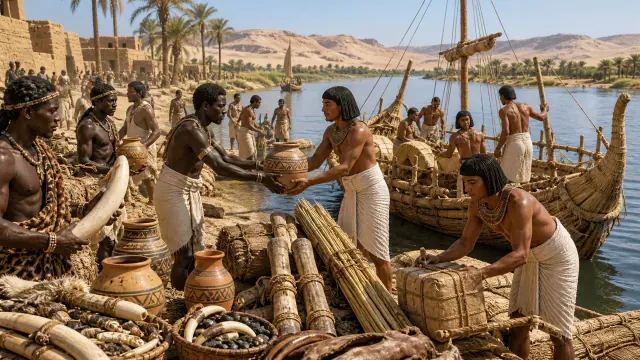
The Nile facilitated transportation and exchanges between Egypt and Nubia.
Read the complete record →07 · MEASUREMENT · 18TH DYNASTY · MAYA
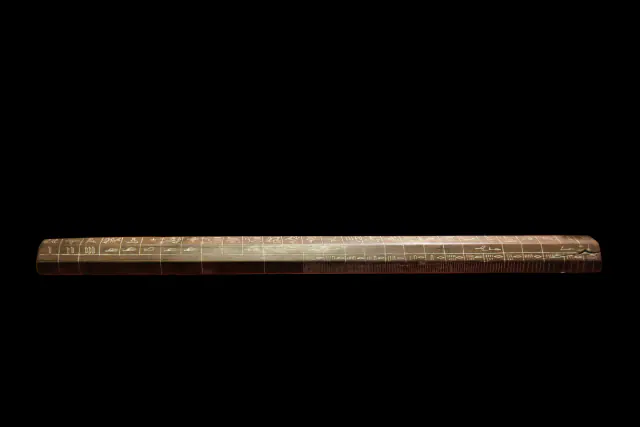
A ruler divided into seven spans and twenty-eight fingers allowed the same measurement to be repeated.
Read the complete record →08 · TRAVELLING OBJECT · INTERCULTURAL BIOGRAPHY
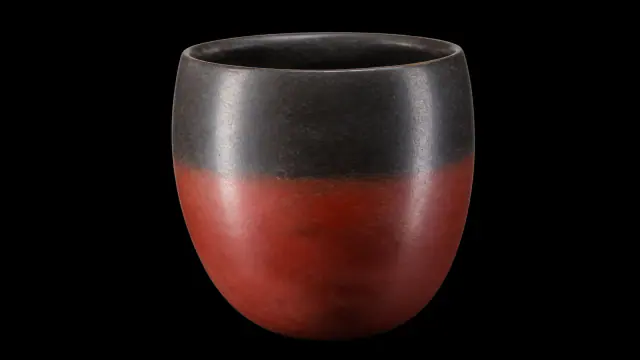
This vessel was made in Nubia and was found in a tomb at Abydos, in Egypt.
Read the complete record →09 · TRAVELLING OBJECT · INTERCULTURAL BIOGRAPHY
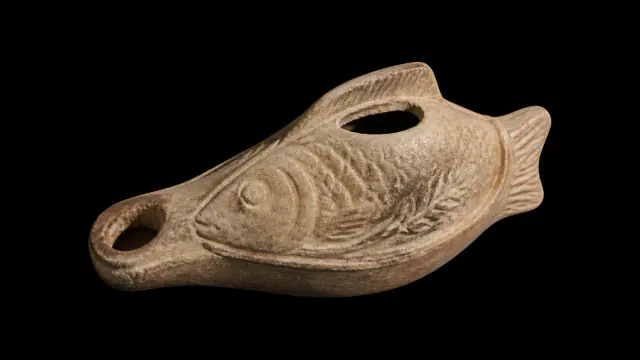
The lamp is attributed to Roman Egypt and is today preserved in Laon.
Read the complete record →10 · DOCUMENTED OUTFIT · CLOSED CONTEXT OR CONTROLLED COMPARISON
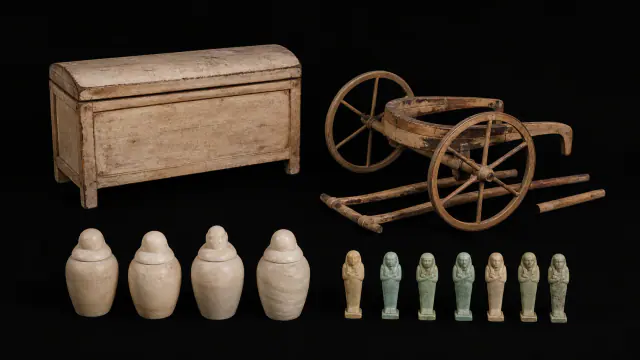
Tutankhamun's tomb preserved jewelry, furniture, food, sandals and chariots, among many other objects.
Read the complete record →11 · WEAPONS AND EQUIPMENT
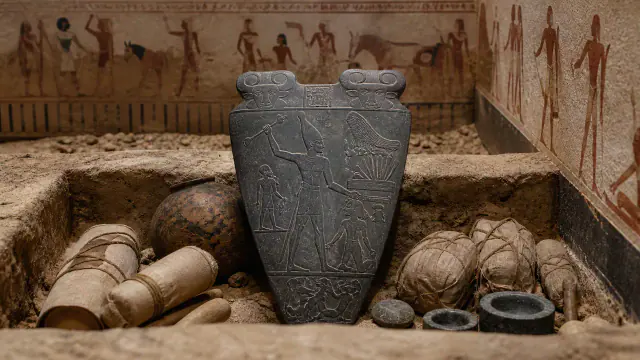
Narmer appears with the crowns of Upper and Lower Egypt, but the palette does not tell the whole unification.
Read the complete record →12 · WEAPONS AND EQUIPMENT
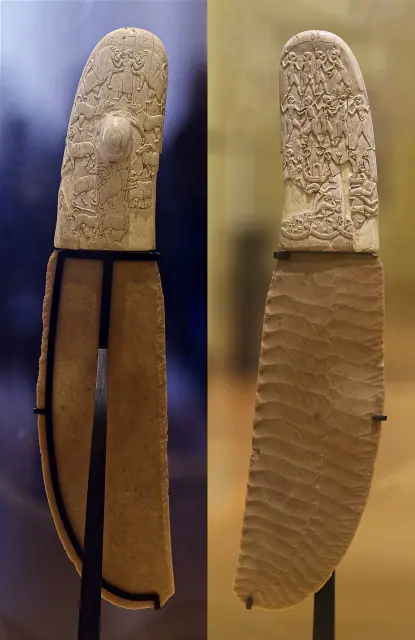
A flint blade and two scenes carved on the handle.
Read the complete record →07 · COLLECTION
These cards separate what is documented from what is interpreted and recover practices, questions and details capable of changing our image of this culture.
01 · DYNASTY XXVI · REIGN OF AMASIS · 570–526 BCE
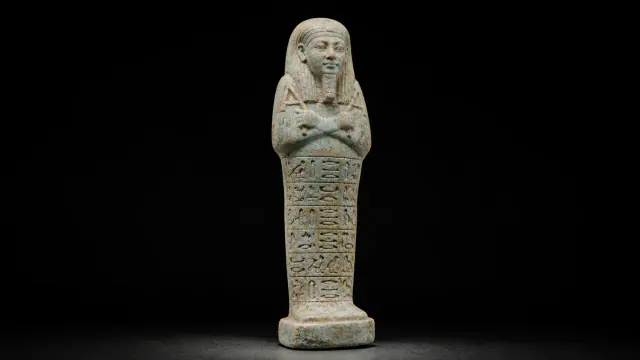
The inscription asked the figurine to work in the afterlife in Psamtek's place.
Read the complete record →02 · 664–30 BCE · SILICE EARTHENANCE AND METALS
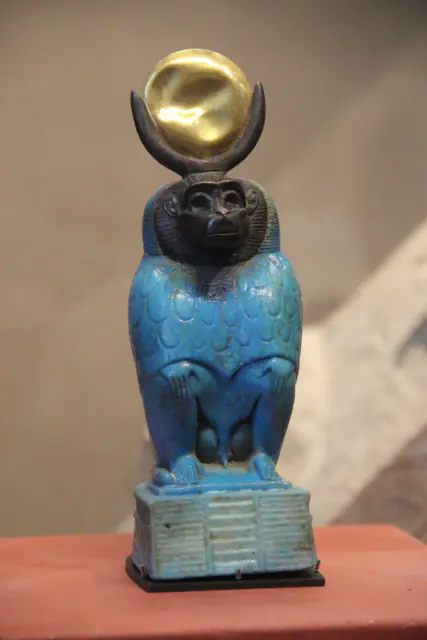
The figure represents Thoth as a baboon, with silver and gold details related to the Moon.
Read the complete record →08 · COLLECTION
Each door explains why the link exists, when it occurred, and what limits prevent contact from being converted into shared identity.
01 · DOOR 01 · AFRICA · CONTACT
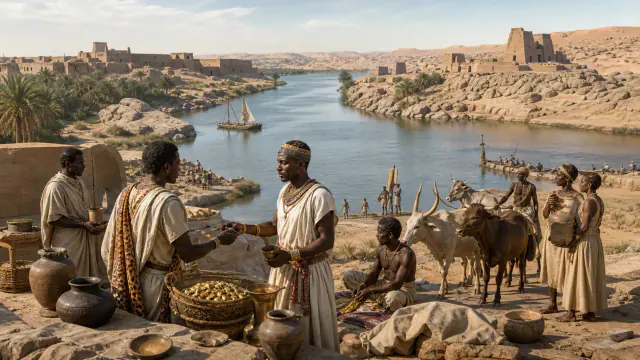
Continued at the Nubian Museum
Read the complete record →02 · DOOR 02 · ASIA · CONFLICT
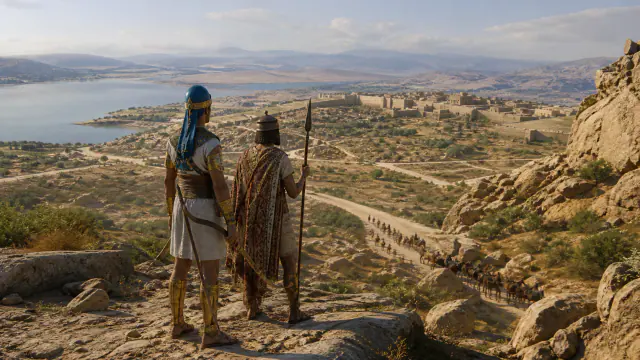
Continued at the Hittite Museum
Read the complete record →03 · DOOR 03 · ASIA · EXCHANGE
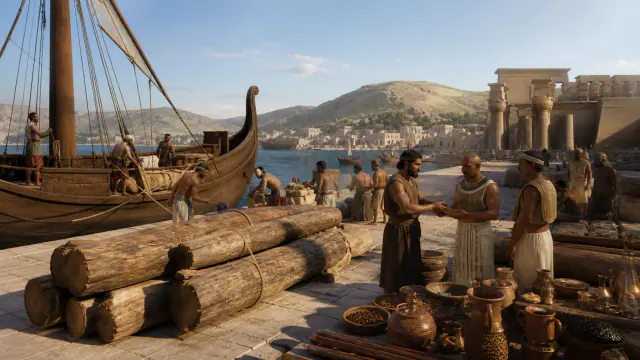
Continues in the Phenicia museum
Read the complete record →04 · DOOR 04 · ASIA · CONFLICT
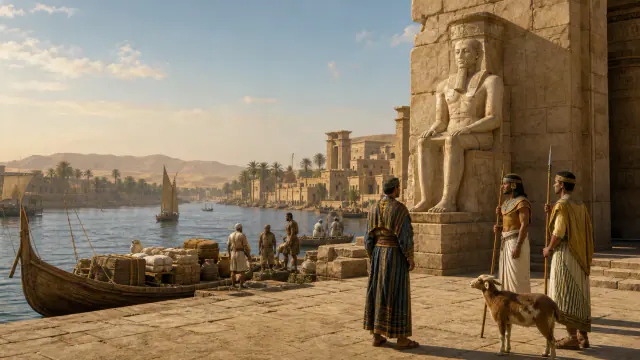
Continued at the Persia Museum
Read the complete record →05 · DOOR 05 · EUROPE · EXCHANGE
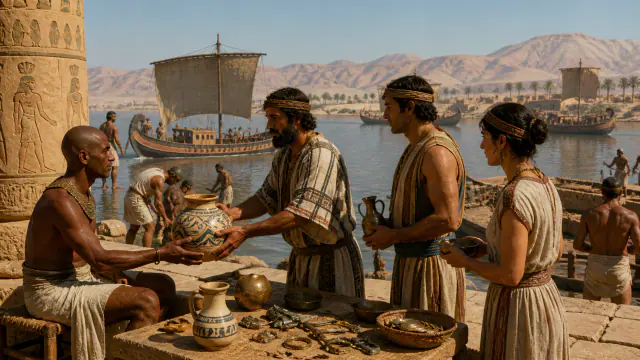
Continues in the Greek museum
Read the complete record →El río que medía los nombres
Discover the connected fiction project. The available Prehistory reader is in Spanish; other volumes are not presented as finished products for sale.
Explore the books →Try the available Prehistory browser alpha. Campaigns for the other cultures are still in development.
Open the game (Spanish) →Use each record’s institution and heritage links to continue your research. Country-by-country historical travel guides are planned, not yet published.
Historical travel →Discover artistic designs inspired by the collections and check each product’s availability. Museum access remains free.
Explore the collection →