 English
 Español
 Français
 Italiano
 Deutsch
 Русский
 Português
 Polski
 Română
 Svenska
 Norsk bokmål
 Suomi
 Türkçe
 العربية
 简体中文
 한국어
 हिन्दी
 Ελληνικά
01 · INITIAL ATLAS · DIVISIONS AND REGIONS
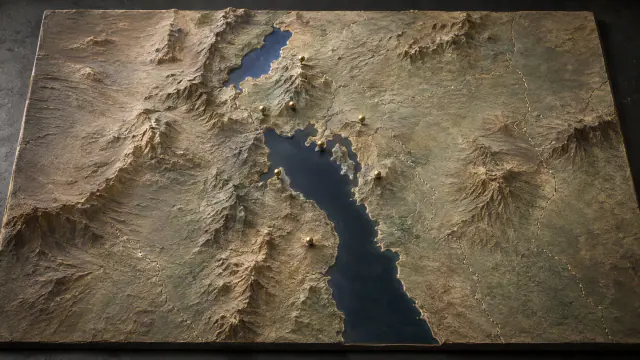
Map of Batwa / Twa
Forests, lakes and distinct communities under related names
Read the complete record → TRACEKEEPERS
HISTORY · OPEN COLLECTION
Documented Batwa histories begin with identifiable voices, places and relationships, not a single moment when a supposed forest culture appeared. The collection distinguishes different communities and avoids treating them as interchangeable.
31 complete records · free to read, no account needed
Read freely here. A free account saves your visits inside the museum.
Before you begin · Batwa / Twa
The Batwa history approaches a territory inhabited since Prehistory, but also needs the memories and voices of its own communities.
About 25,000–20,000 years ago
Quartz and bone objects and animal remains document an ancient occupation of the Great Lakes without secure ethnic identification.
Memories of previous generations
Batwa testimonies identify sites, routes and inherited knowledge in Bwindi and Mgahinga; their scope is local.
1991
The creation of the parks restricts access to the forests and causes the expulsion of Batwa communities.
In Ishango, by Lake Edward, quartz and bone tools and human and animal remains document activities from about twenty to twenty-five thousand years ago. The Great Lakes have a history very anterior to the present states. These materials, however, do not allow identifying as Batwa those who produced them.
Batwa testimonies from Bwindi and Mgahinga, in Uganda, describe places, plants, animals and knowledge transmitted between generations. Honey gathering, paths and sites of spiritual importance formed part of concrete relations with the forest. These are situated histories, also linked to neighbouring communities, and not a universal description of all the inhabitants of central Africa.
In 1991, the creation of national parks in Bwindi and Mgahinga expelled Batwa communities from territories they considered their home. Their organisations and testimonies allow following how forest knowledge has been conserved and transformed after that rupture. The museum brings together regional past and historical experience without presenting a living people as an earlier stage of humanity.
The voices, objects and landscapes of the museum are presented with their place and context to recognise knowledge and experiences of concrete communities.
Interpreting these traces. Batwa and Twa are not synonyms of all forest peoples; nor does a demonstrated filiation exist between them and any regional prehistoric site.
Long-duration trajectories · historical documentation and living communities · AFRICA
Access to the museum brings together the atlas and the background of Batwa / Twa. Afterwards, seven areas order the historical context, culture, architecture, characters and society, treasures and grave goods, beliefs and curiosities, and a historical door towards other museums. Each file preserves narrative layers, cautions and differentiated sources.
The room combines a specific visual catalog with an audited thematic dossier. Separates facts, interpretations and cautions; the 3D volumes continue to be replaceable markers until models with provenance and license are incorporated.
The passage to a documented Batwa history occurs when identifiable voices, places and relationships appear, not when a supposed forest culture is born suddenly.
Do not call ‘pygmy’ every forest community nor present Batwa, Twa, Mbuti, Efe, Aka or Baka as synonyms; nor project a living identity onto any ancient site.
Read the background and its sources →EXPLORE THE COLLECTION
Follow the museum’s curated order or go straight to a section. Every record includes its full public documentation and sources.
01 · COLLECTION
Consult the maps and initial context sheets to situate this museum in time and territory; then choose the areas that interest you most.
01 · INITIAL ATLAS · DIVISIONS AND REGIONS
Forests, lakes and distinct communities under related names
Read the complete record →02 · BEFORE A SINGLE LABEL · FOREST, LAKE AND ARCHAEOLOGY
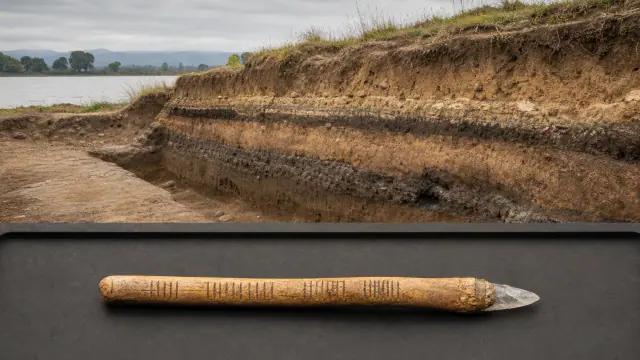
Tools and dwellings document a long occupation, but do not by themselves reveal how those communities called themselves.
Read the complete record →02 · COLLECTION
The first stop reconstructs the area before Batwa / Twa; afterwards, places and processes allow entering its history without reducing it to a start date nor to an inevitable destiny.
01 · 01 · Context · identity
These names are used in several countries of the Great Lakes for communities with related but not identical histories.
Read the complete record →02 · 02 · Context · contact
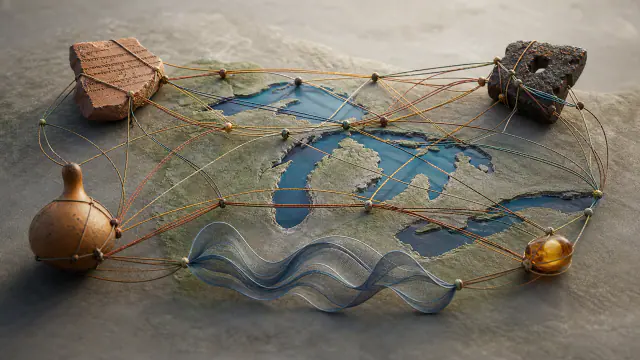
Various Batwa communities speak Bantu languages, such as Kinyarwanda or Kirundi, without thereby sharing a single identity.
Read the complete record →03 · 03 · Context · social diversity
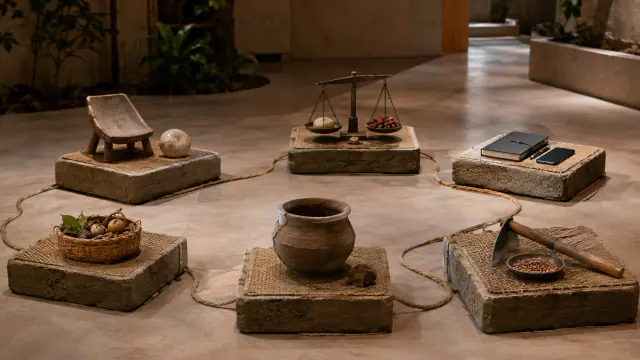
No occupation, habitat or economic situation alone defines the Batwa.
Read the complete record →04 · 04 · Context · land and rights
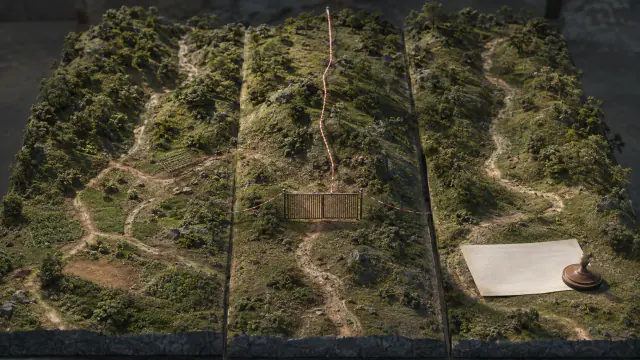
In places such as Bwindi and Kahuzi-Biega, the creation of protected areas led Batwa families to lose their homes and access to the forest.
Read the complete record →03 · COLLECTION
These stops distinguish instruments, ritual actions, orality or writing and visual culture. Where there is no theatre, score or certain meaning, the museum preserves the limit.
01 · LIVING AND DOCUMENTED CULTURE · 01
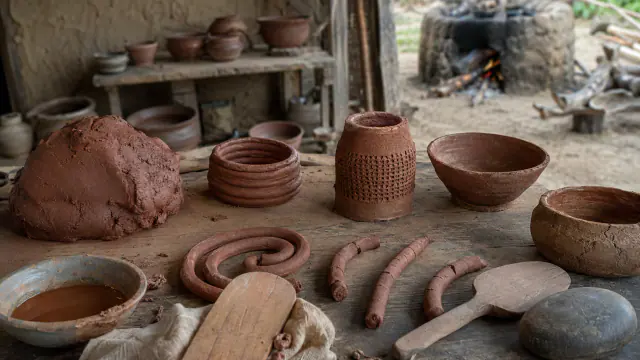
The objects and studies of the potters show diverse techniques and new forms created for sale.
Read the complete record →02 · LIVING AND DOCUMENTED CULTURE · 02
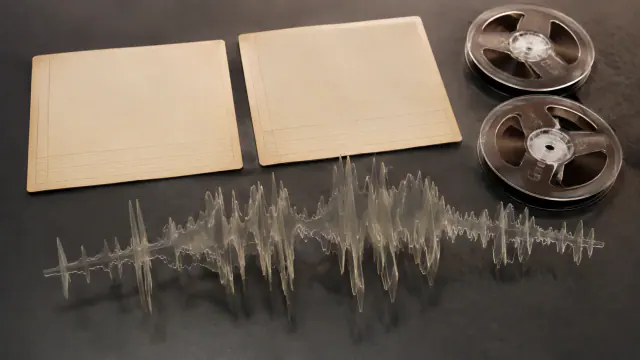
The archives record songs, clapping and instruments from specific communities, not a music common to all Batwa.
Read the complete record →03 · LIVING AND DOCUMENTED CULTURE · 03
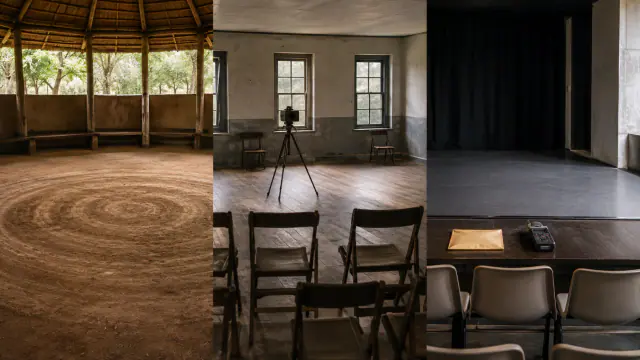
Testimonies and photographs describe dances in gatherings, courts and public settings, with different functions according to the occasion.
Read the complete record →04 · LIVING AND DOCUMENTED CULTURE · 04
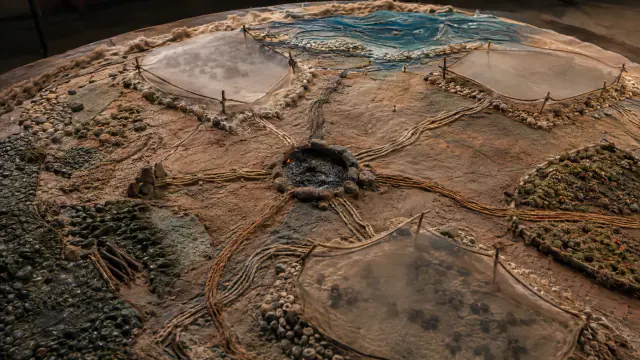
Uganda participants recall how they learned as children about plants, animals and places by accompanying and listening to others.
Read the complete record →04 · COLLECTION
These architectures explain how materials, water, work and memory organized the territory without converting an elevation reconstruction into certainty.
01 · ARCHITECTURE AND LANDSCAPE · 01
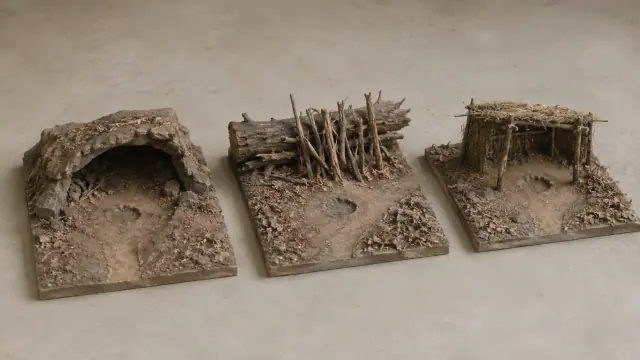
Some testimonies recall the use of caves, fallen trees and vegetal shelters at different moments of life in the forest.
Read the complete record →02 · ARCHITECTURE AND LANDSCAPE · 02
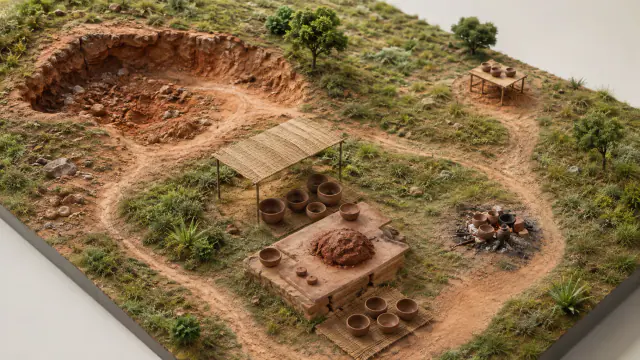
Making a vessel requires finding clay, preparing the paste, shaping it, drying it and firing it; each community organises these tasks differently.
Read the complete record →03 · ARCHITECTURE AND LANDSCAPE · 03
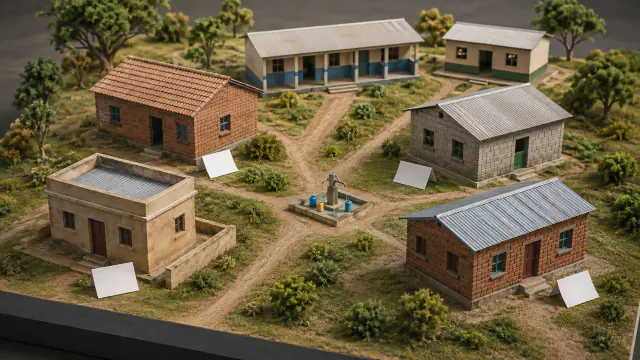
Displaced families live in very different houses and face difficulties securing land access.
Read the complete record →05 · COLLECTION
Known people, reconstructed voices and collective footprints. From oldest to most recent according to life, reign or scene. The periods may overlap; The voices without a determinable date close the journey.
01 · ARCHAEOLOGICAL RECREATION
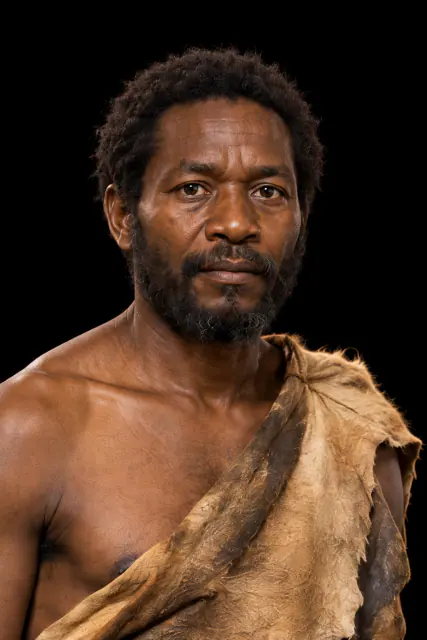
A contextual figure from Lake Edward, with no name or ancient ethnicity attributed.
Read the complete record →02 · ARCHAEOLOGICAL RECREATION
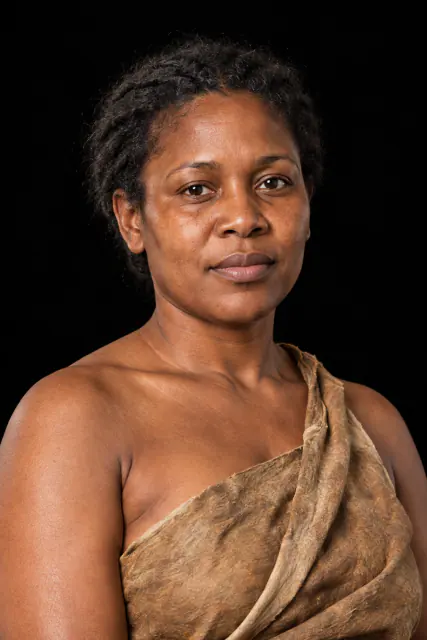
A figure to explain a dated context, without inventing the occupant of a burial.
Read the complete record →06 · COLLECTION
Concrete pieces to understand materials, decisions and knowledge systems, with separate evidence and interpretation.
01 · 11 · Treasure · regional prehistory
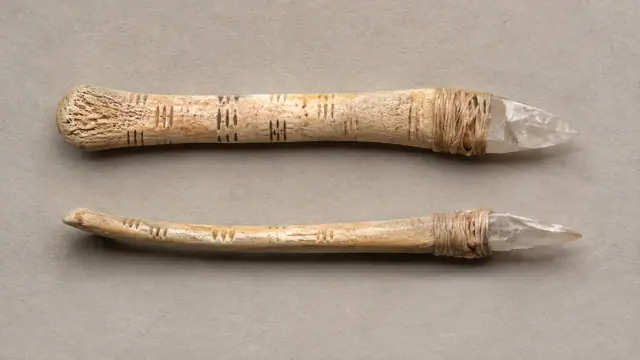
This tool combines bone, a quartz point and incisions whose function remains under discussion.
Read the complete record →02 · 12 · Treasure · regional archaeology
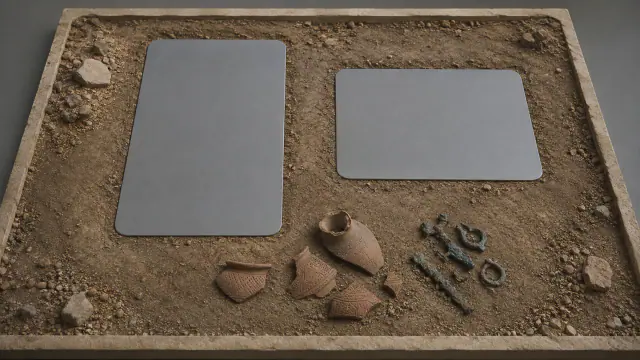
The assemblage includes burials of an adult person and a newborn, with pottery and iron ornaments.
Read the complete record →03 · 13 · Treasure · pottery
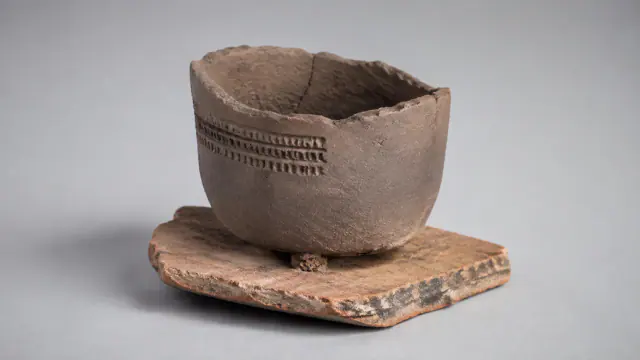
The vessel retains its rotating support and part of the unfinished decoration, details that allow the study of how it was made.
Read the complete record →04 · 14 · Treasure · daily life
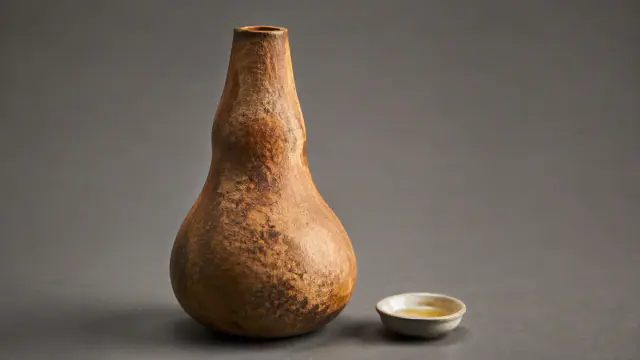
According to the museum catalogue, this gourd was used to store oil or fat for use on the body.
Read the complete record →05 · 15 · Treasure · technique
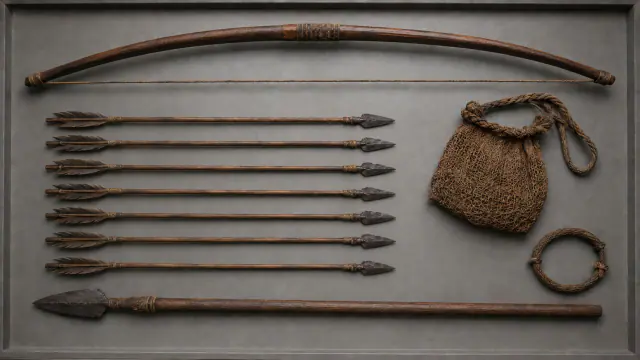
The bow, spear and accessories form a hunting set collected in Kaninya.
Read the complete record →06 · 16 · Treasure · contemporary creation
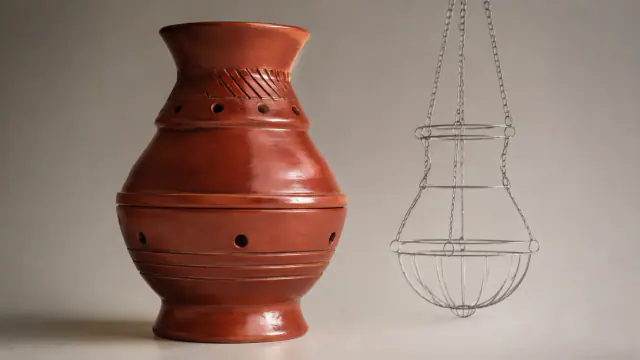
The piece combines local pottery techniques with a form taken from a Catholic censer.
Read the complete record →07 · 17 · Treasure · sound archive
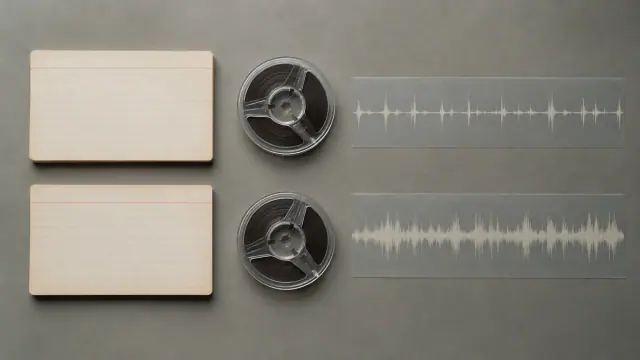
The archive preserved voices and claps, but not the names of those who sang.
Read the complete record →08 · 18 · Treasure · sound archive
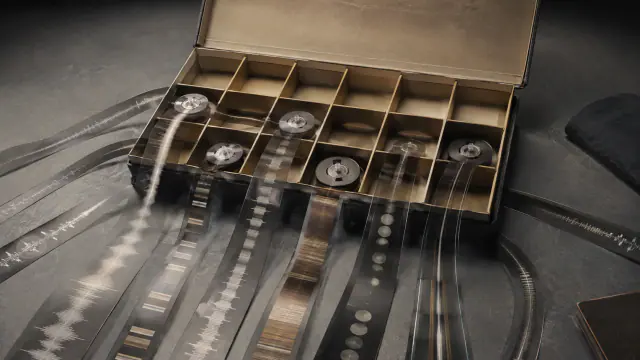
A disc published in 1954 includes songs and instruments attributed to Batwa communities, alongside recordings of other groups.
Read the complete record →09 · 19 · Treasure · community knowledge
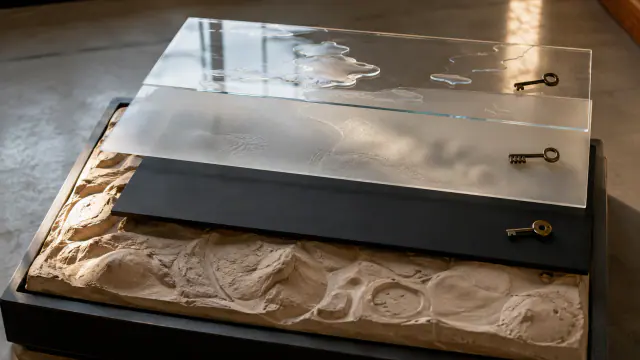
Thirty-two participants identified places, species and memories; the community decides what information can be made public.
Read the complete record →10 · 20 · Treasure · legal heritage
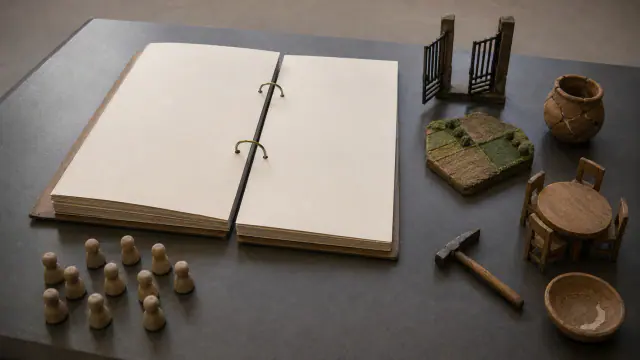
The African Commission ordered redress for violations of Batwa communities' rights; verifying compliance is a separate task.
Read the complete record →07 · COLLECTION
These cards separate what is documented from what is interpreted and recover practices, questions and details capable of changing our image of this culture.
01 · 21 · Belief and curiosity · place
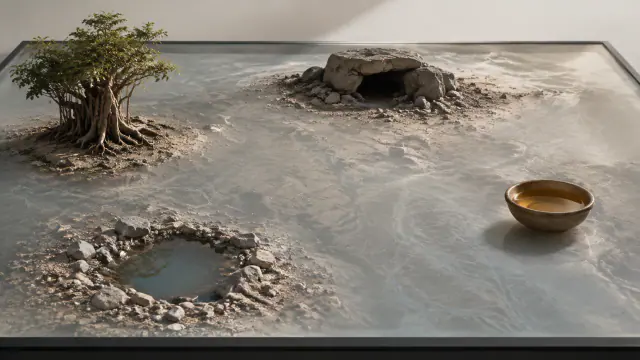
Caves, waters, hills and trees appear linked to memories, learning and worship in the collected testimonies.
Read the complete record →02 · 22 · Belief and curiosity · kinship
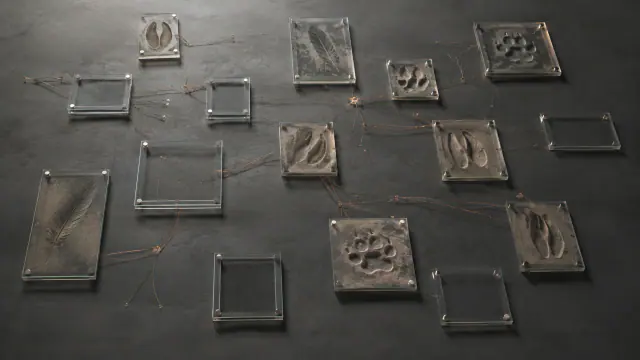
Some accounts relate clans to animals such as the crow or the leopard, with versions that change according to the person and the place.
Read the complete record →03 · 23 · Belief and curiosity · localised practice
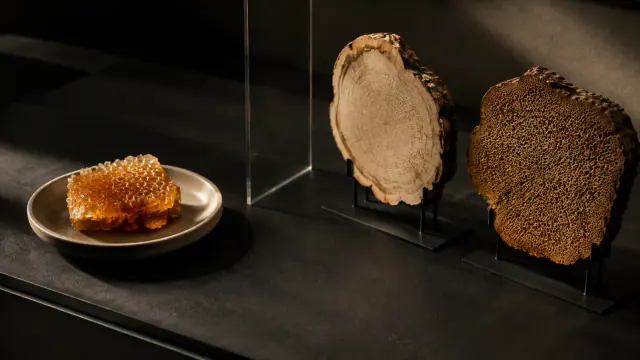
Some participants recalled offerings and places associated with certain trees; we do not know all the details of those ceremonies.
Read the complete record →04 · 24 · Belief and curiosity · animals
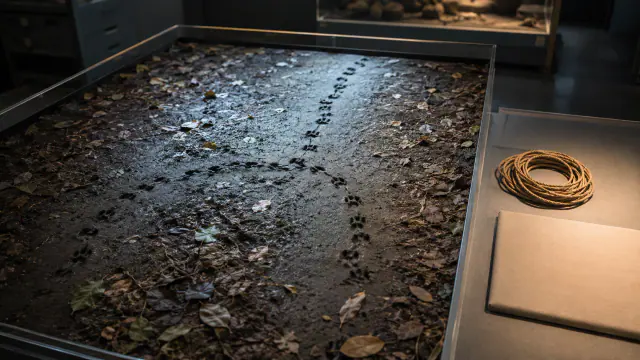
Testimonies recall encounters interpreted as signs and prohibitions on hunting certain animals.
Read the complete record →05 · 25 · Belief and curiosity · landscape
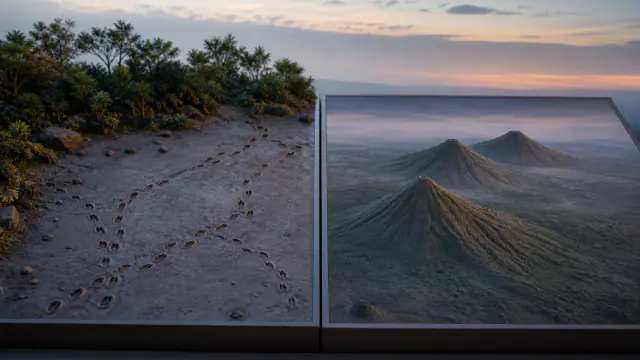
An account from Mgahinga relates three volcanoes to wellbeing and a long life.
Read the complete record →08 · COLLECTION
Each door explains why the link exists, when it occurred, and what limits prevent contact from being converted into shared identity.
01 · DOOR 01 · AFRICA · CONTACT
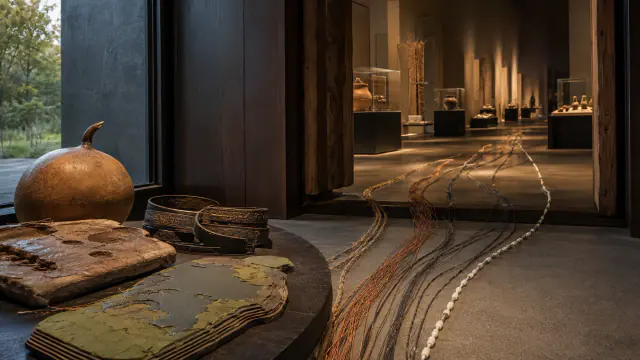
Continues in the Bantu Worlds museum
Read the complete record →El mapa que no se vende
Discover the connected fiction project. The available Prehistory reader is in Spanish; other volumes are not presented as finished products for sale.
Explore the books →Try the available Prehistory browser alpha. Campaigns for the other cultures are still in development.
Open the game (Spanish) →Use each record’s institution and heritage links to continue your research. Country-by-country historical travel guides are planned, not yet published.
Historical travel →Discover artistic designs inspired by the collections and check each product’s availability. Museum access remains free.
Explore the collection →