 English
 Español
 Français
 Italiano
 Deutsch
 Русский
 Português
 Polski
 Română
 Svenska
 Norsk bokmål
 Suomi
 Türkçe
 العربية
 简体中文
 한국어
 हिन्दी
 Ελληνικά
01 · INITIAL ATLAS · NODES AND ROUTES
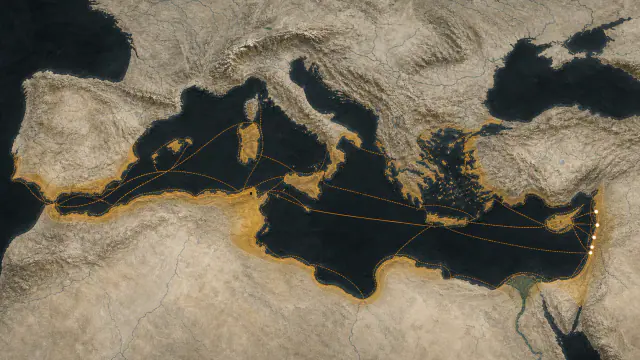
Map of Phoenicia
Discover the cities of the Levantine coast and their routes across the Mediterranean.
Read the complete record → TRACEKEEPERS
HISTORY · OPEN COLLECTION
Coastal Canaanite cities passed through the upheavals of the Late Bronze Age and reorganised their networks. Local institutions and memories continued into the Iron Age, alongside expanding maritime connections.
37 complete records · free to read, no account needed
Read freely here. A free account saves your visits inside the museum.
Before you begin · Phoenicia
Phoenician cities grew on a Neolithic and Canaanite past connected with the sea and the lands of the Levant.
Since the Neolithic
The occupation of the coast precedes by millennia the names and the later Phoenician networks.
III–II millennia BCE
Canaanite ports articulate exchanges and political relations with Egypt and other neighbouring regions.
1st millennium BCE
Independent cities and new establishments connect Mediterranean coasts through navigation, craftsmanship and writing.
Byblos has been inhabited since the Neolithic. Its successive constructions allow following a community that changed many times without completely abandoning the place. Situated on the coast of present-day Lebanon, it connected a terrestrial environment with maritime routes. Before alphabets and distant expeditions, there were generations that organised dwellings, production and relations with their neighbours.
During the Bronze Age, Byblos, Sidon and Tyre formed part of the Levantine Canaanite urban networks. Each city had its authorities and cults. Exchanges, especially with Egypt, linked their ports with other centres of the eastern Mediterranean. The circulation of raw materials and objects also put in contact techniques and images that local artisans reinterpreted.
When passing into the Iron Age, these cities developed the networks we usually call Phoenician. Their navigators founded establishments and maintained relations along numerous coasts; the alphabet participated in that circulation of knowledge. There was no Phoenician state governing all those places. The museum brings together stories linked by language, practices and contacts, while preserving the differences between cities and communities.
The objects of the journey allow recognising cultural exchanges and local decisions behind the sailing routes.
Interpreting these traces. 'Phoenician' is an external designation; sharing practices did not turn Byblos, Sidon, Tyre and their establishments into a single country.
≈1200 BCE · WESTERN ASIA
Access to the museum brings together the atlas and the background of Phoenicia. Afterwards, seven areas order the historical context, culture, architecture, characters and society, treasures and furnishings, beliefs and curiosities, and five historical doorways towards other museums. Each file preserves narrative layers, cautions and differentiated sources.
The room combines a specific visual catalog with an audited thematic dossier. Separates facts, interpretations and cautions; the 3D volumes continue to be replaceable markers until models with provenance and license are incorporated.
The coastal Canaanite cities weathered the Late Bronze Age crisis, reorganised their networks and entered the Iron Age preserving local institutions and memories.
‘Phoenician’ is a later exonym and never designated a single state; Byblos, Sidon and Tyre had their own trajectories and alliances.
Read the background and its sources →EXPLORE THE COLLECTION
Follow the museum’s curated order or go straight to a section. Every record includes its full public documentation and sources.
01 · COLLECTION
Consult the maps and initial context sheets to situate this museum in time and territory; then choose the areas that interest you most.
01 · INITIAL ATLAS · NODES AND ROUTES
Discover the cities of the Levantine coast and their routes across the Mediterranean.
Read the complete record →02 · BEFORE PHOENICIA · c. 6000–1050 BCE
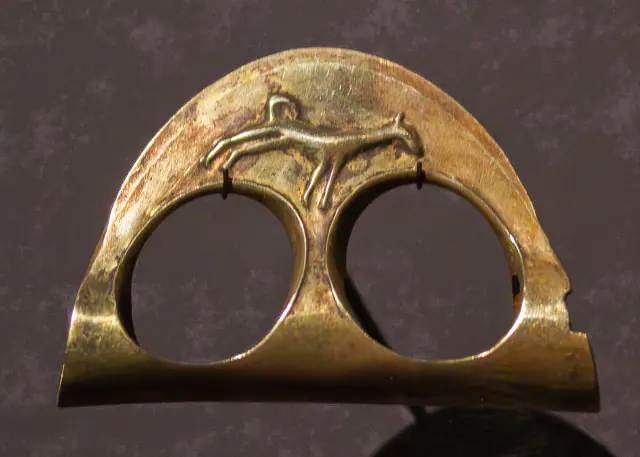
A ceremonial axe from Byblos shows its contacts and gold work before the Phoenician alphabet.
Read the complete record →02 · COLLECTION
The first stop reconstructs the area before Phoenicia; afterwards, places and processes allow entering its history without reducing it to a start date nor to an inevitable destination.
01 · 01 · Port · Exchange with Egypt
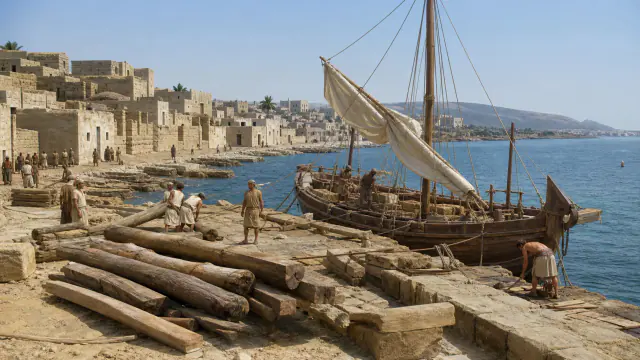
Byblos sent cedar wood to Egypt and received products and ideas from other regions.
Read the complete record →02 · 03 · Tyre · Maritime Engineering
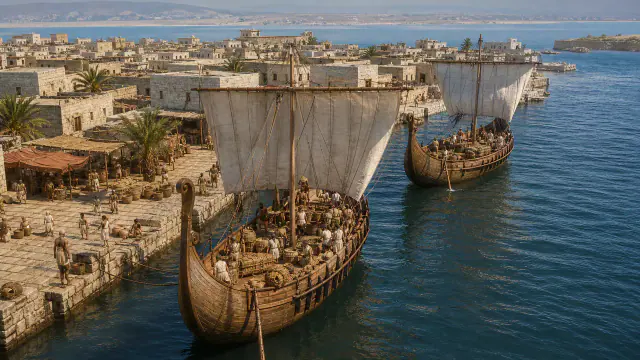
The harbours of Tyre connected the city with Cyprus, Africa and the western Mediterranean.
Read the complete record →03 · 12 · Legacy · Cultural Adaptation
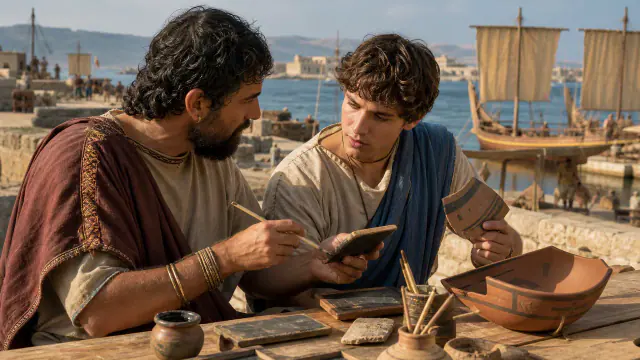
The Phoenician alphabet spread across the Mediterranean and was adapted to other languages.
Read the complete record →03 · COLLECTION
These stops distinguish instruments, ritual actions, orality or writing and visual culture. Where there is no theatre, score or certain meaning, the museum preserves the limit.
01 · LIVING AND DOCUMENTED CULTURE · 01
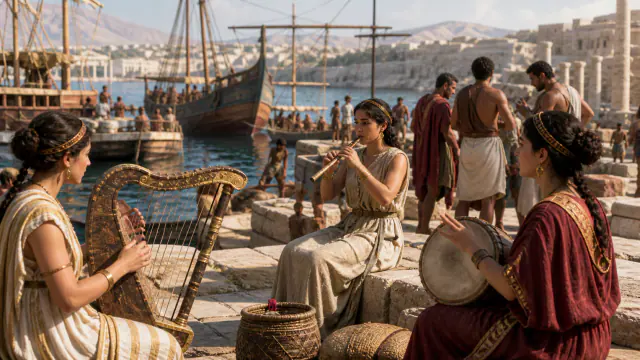
Images of the Levantine coast show lyres, flutes and percussion in ceremonies and banquets.
Read the complete record →02 · LIVING AND DOCUMENTED CULTURE · 02
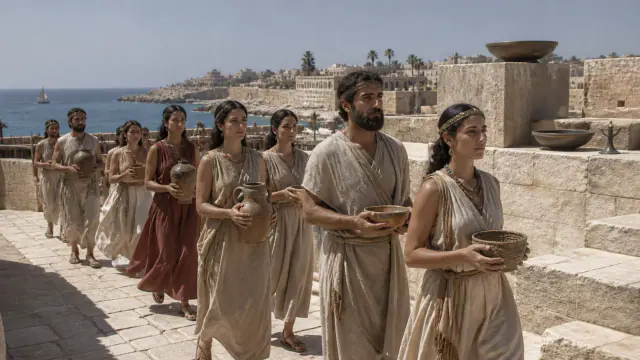
Banquets, offerings and processions brought the community together in public acts.
Read the complete record →03 · LIVING AND DOCUMENTED CULTURE · 03
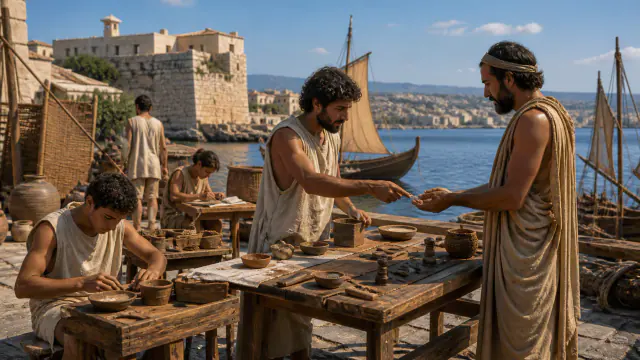
Phoenician writing used a reduced set of signs for consonants and reached peoples who adapted it.
Read the complete record →04 · LIVING AND DOCUMENTED CULTURE · 04
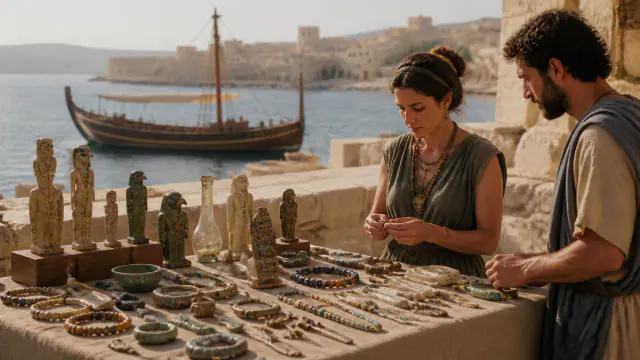
Artisans combined Egyptian, Levantine and Mediterranean motifs in ivories, metals, glass and amulets.
Read the complete record →04 · COLLECTION
These architectures explain how materials, water, work and memory organized the territory without converting an elevation reconstruction into certainty.
01 · ARCHITECTURE AND LANDSCAPE · 01
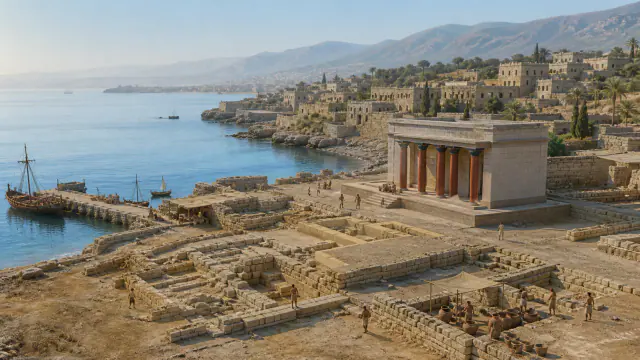
The different phases of Byblos show a long history of temples and relations with Egypt.
Read the complete record →02 · ARCHITECTURE AND LANDSCAPE · 02
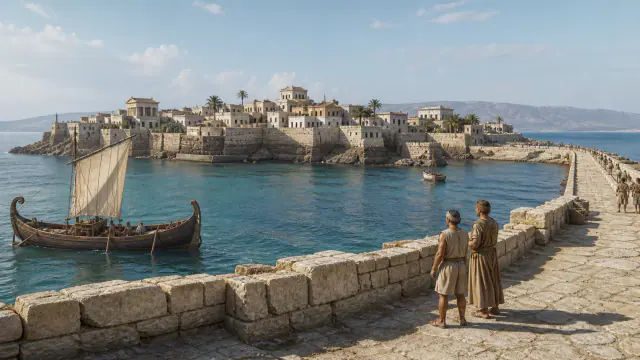
Tyre grew on an island, with ports that sustained trade and the activity of its workshops.
Read the complete record →03 · ARCHITECTURE AND LANDSCAPE · 03
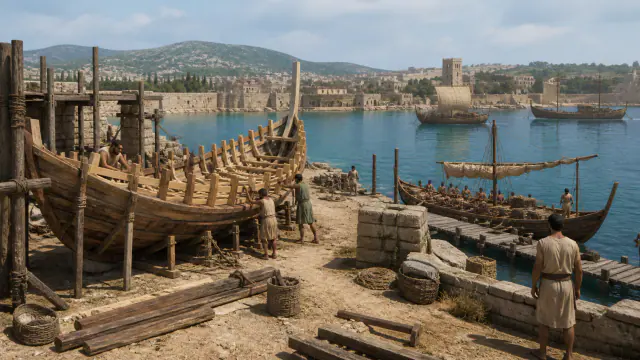
The Mazarrón boats allow us to study how a wooden hull was built and repaired.
Read the complete record →05 · COLLECTION
Known people, reconstructed voices and collective footprints. From oldest to most recent according to life, reign or scene. The periods may overlap; The voices without a determinable date close the journey.
01 · 04 · Tyre and Sidon · Specialised craft
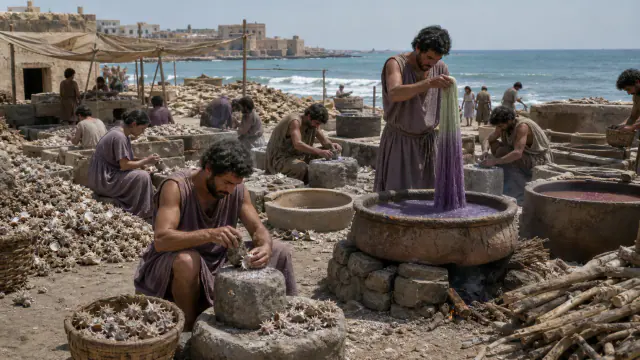
Producing purple dye required processing thousands of molluscs and left large quantities of shells.
Read the complete record →02 · 11 · Carthage · Origin memory
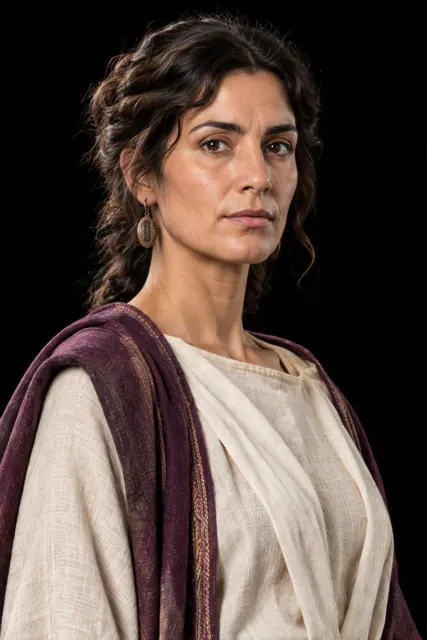
The foundation of Carthage is archaeologically documented; the story of Elissa and the oxhide is legendary.
Read the complete record →03 · 09 · Historical person · Persian diplomacy
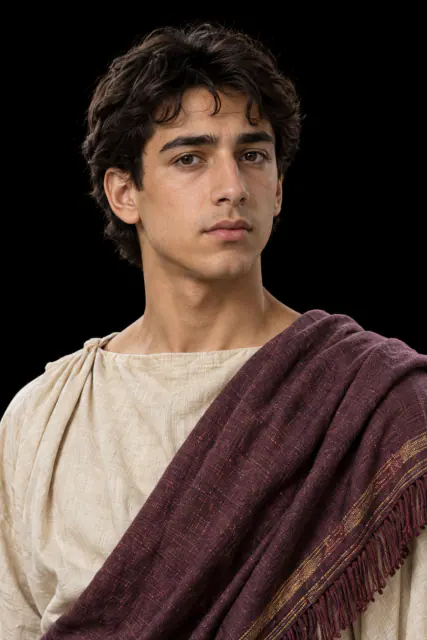
The sarcophagus of the king of Sidon combines stone of Egyptian origin and a long Phoenician inscription.
Read the complete record →04 · HISTORIC FAUNA · CARTHAGE · 3RD–2ND CENTURIES BCE
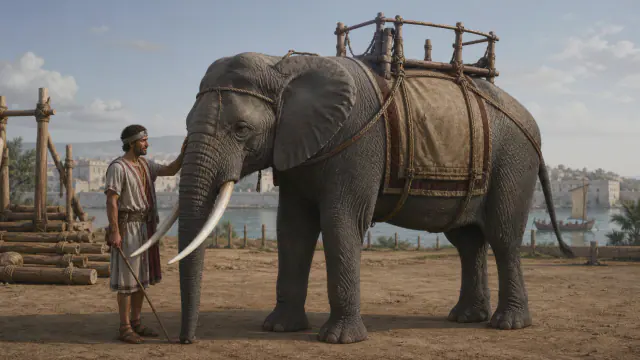
Feeding, loading, and driving an elephant required infrastructure that began long before the battle.
Read the complete record →05 · CANONICAL CHARACTER · CURRENCY · HISTORICALLY ATTESTED FIGURE
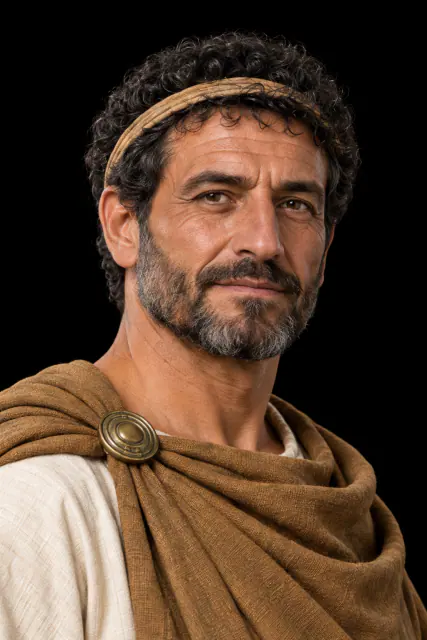
Masinissa changed allegiance during the Second Punic War and expanded his kingdom in Numidia.
Read the complete record →06 · CANONICAL CHARACTER · CURRENCY · HISTORICALLY ATTESTED FIGURE
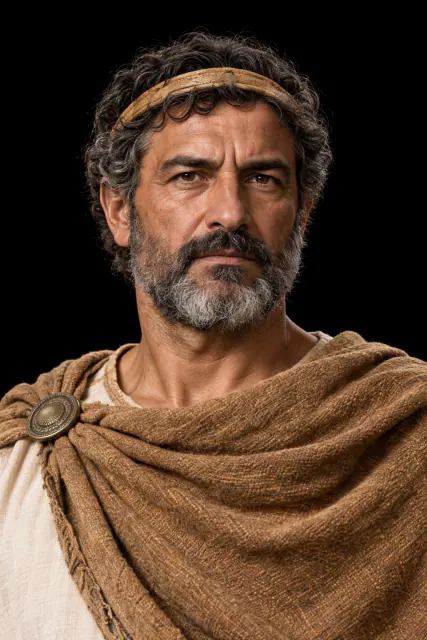
The Numidian king Syphax intervened in the alliances between Carthage and Rome and was defeated by Masinissa and Scipio.
Read the complete record →06 · COLLECTION
Concrete pieces to understand materials, decisions and knowledge systems, with separate evidence and interpretation.
01 · 02 · Byblos · Royal inscription
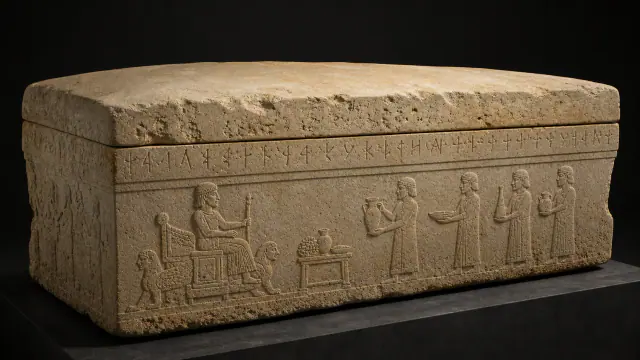
The inscription identifies Ahiram and threatens whoever opens his tomb.
Read the complete record →02 · 05 · Iberian Peninsula · Naval technology
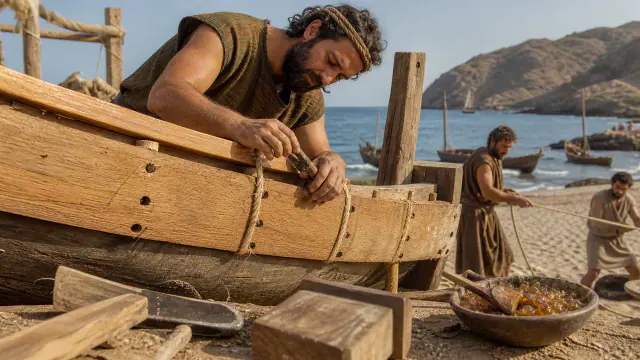
The Mazarrón wreck preserves different woods, joints and repairs of its hull.
Read the complete record →03 · 06 · Wreck · Full Cargo
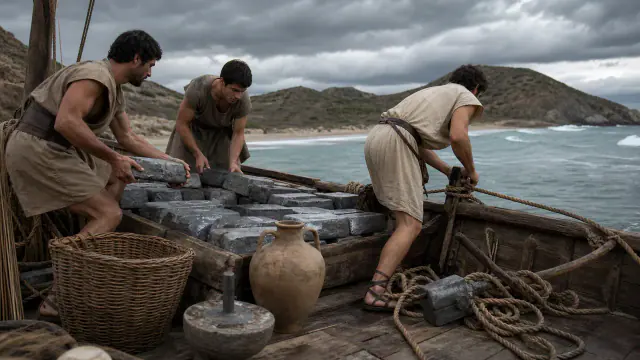
The ship sank with lead ingots and utensils from its crew, including a basket and a mill.
Read the complete record →04 · 07 · Shipwreck · Supply Chains
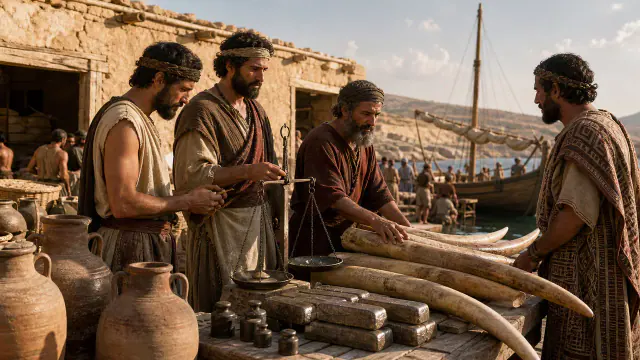
Before becoming a comb or luxury plaque, ivory crossed the sea as marked raw material.
Read the complete record →05 · 08 · Hybrid object · Assyrian Empire
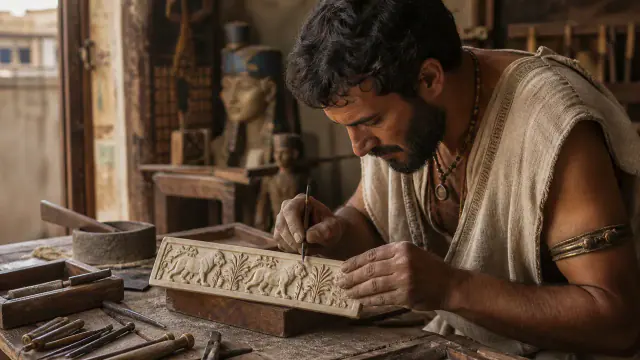
The ivories found at Nimrud combine Phoenician, Egyptian and Syrian motifs within an Assyrian palace.
Read the complete record →06 · 10 · Conflict · Imperial Image
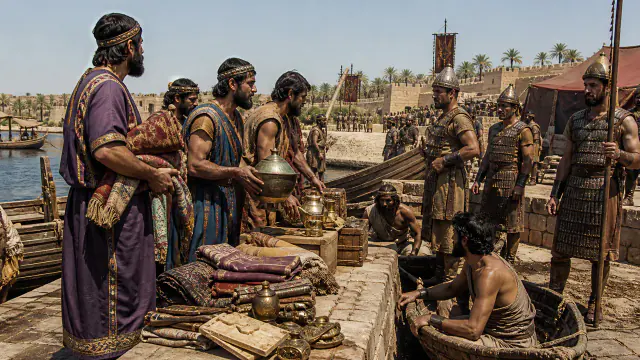
Assyrian reliefs show boats and porters delivering tribute from Tyre and Sidon.
Read the complete record →07 · CARTHAGE · MID 4TH–3RD CENTURIES BCE
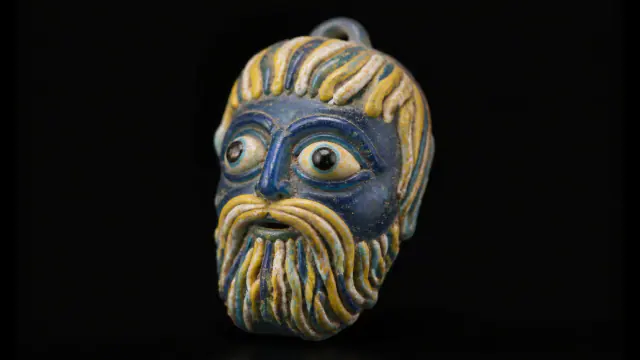
Glass of different colours forms the eyes, beard and hair of this small head pendant.
Read the complete record →08 · TRAVELLING OBJECT · INTERCULTURAL BIOGRAPHY
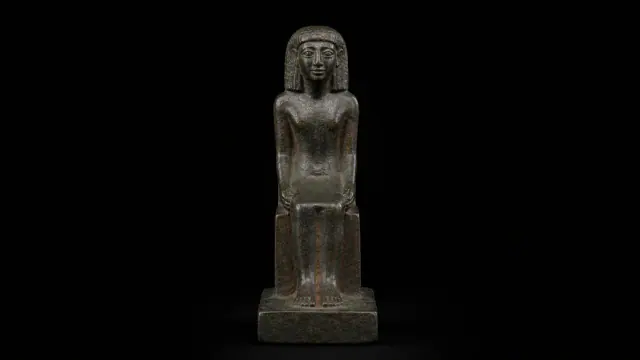
A Phoenician inscription dedicates this figure, found at El Carambolo, to Astarte.
Read the complete record →09 · TRAVELLING OBJECT · INTERCULTURAL BIOGRAPHY
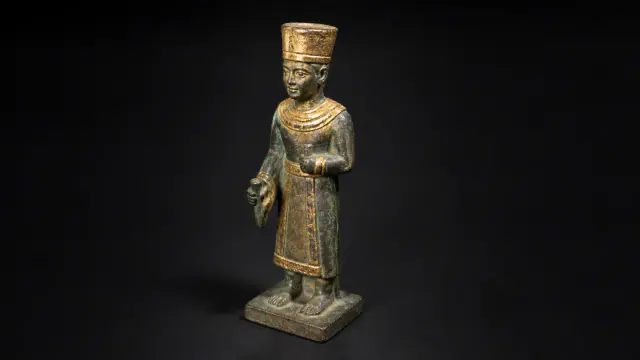
The originating workshop may have been Phoenician; the figure was found in Cádiz and we do not know whether it represents a god or a priest.
Read the complete record →10 · TRAVELLING OBJECT · INTERCULTURAL BIOGRAPHY
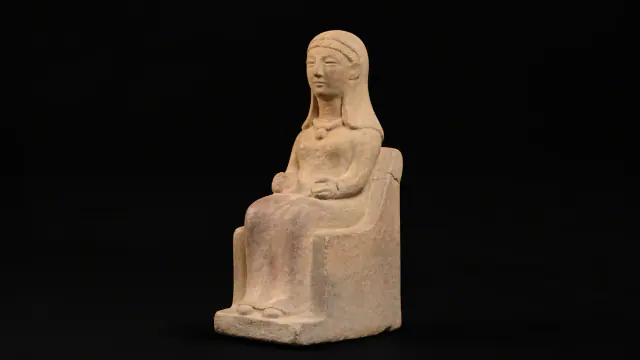
This terracotta figure is related to the Punic workshops of Ibiza; it could represent Tanit, but this is not certain.
Read the complete record →11 · DOCUMENTED OUTFIT · CLOSED CONTEXT OR CONTROLLED COMPARISON
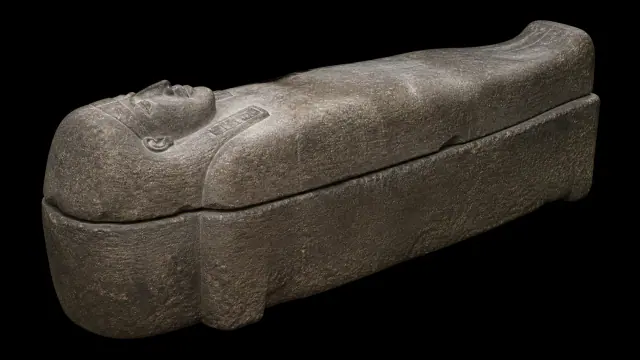
The inscription on the sarcophagus of Eshmunazar commemorates the king and warns against disturbing his tomb.
Read the complete record →07 · COLLECTION
These cards separate what is documented from what is interpreted and recover practices, questions and details capable of changing our image of this culture.
01 · BELIEFS AND CURIOSITIES · 01
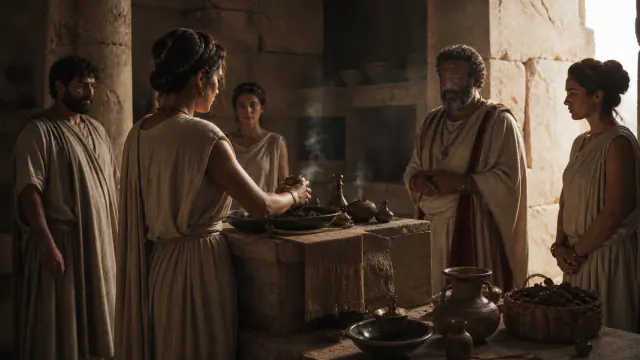
Royal inscriptions relate the cult of the gods with the construction of sanctuaries and the protection of tombs.
Read the complete record →02 · BELIEFS AND CURIOSITIES · 02
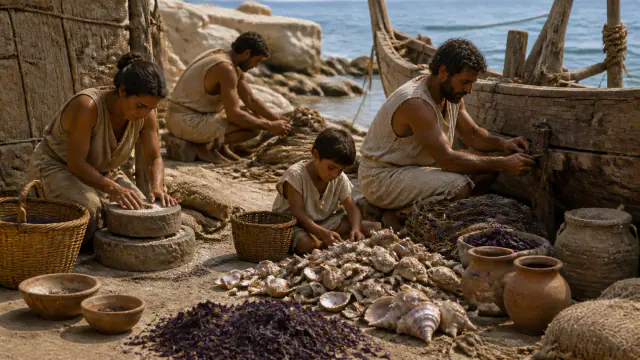
Ship’s utensils and workshop remains allow knowledge of the work of sailors and artisans.
Read the complete record →03 · BELIEFS AND CURIOSITIES · 03
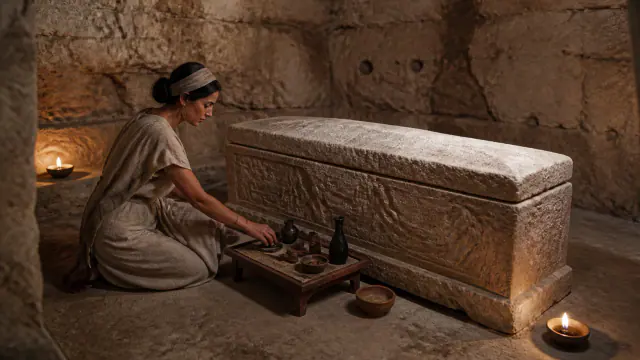
The sarcophagi of Ahiram and Eshmunazar preserved their names and messages to protect their burial.
Read the complete record →08 · COLLECTION
Each door explains why the link exists, when it occurred, and what limits prevent contact from being converted into shared identity.
01 · GATE 01 · AFRICA · EXCHANGE
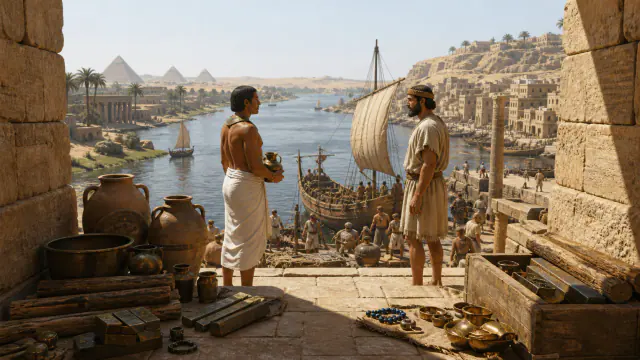
Continues in the Egypt museum
Read the complete record →02 · GATE 02 · ASIA · CONTACT
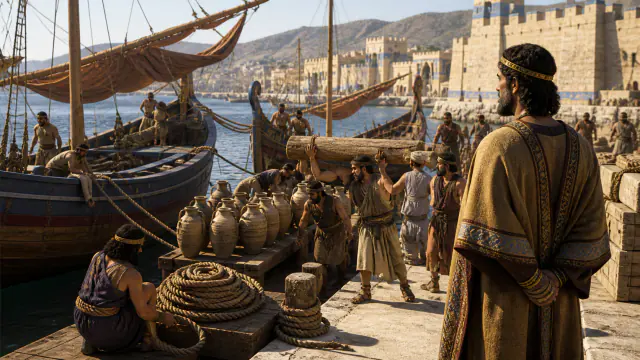
Continued at the Persia Museum
Read the complete record →03 · DOOR 03 · EUROPE · INFLUENCE
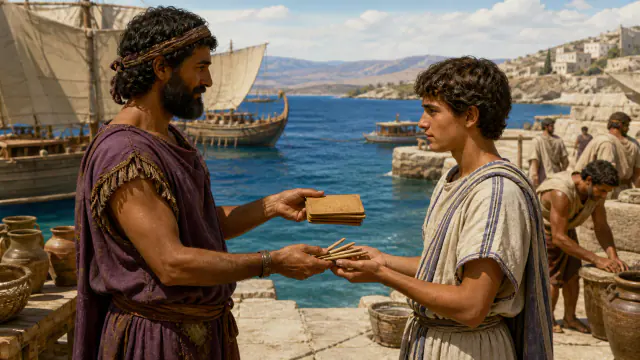
Continues in the Greek museum
Read the complete record →04 · DOOR 04 · EUROPE · CONFLICT
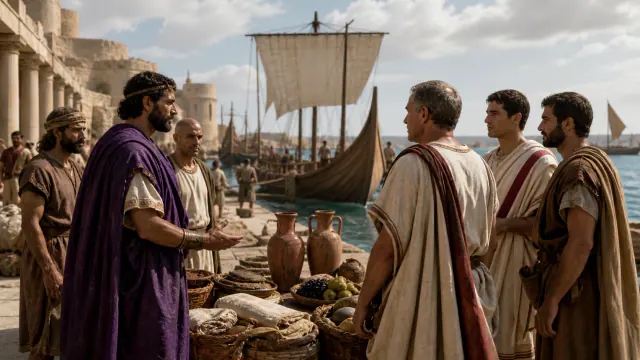
Continues in the Etruscans and Rome museum
Read the complete record →05 · DOOR 05 · EUROPE · EXCHANGE
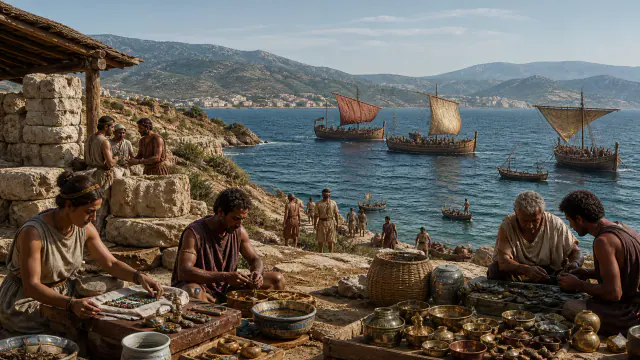
Continues in the Museum of the Celts
Read the complete record →El mar de los mensajes
Discover the connected fiction project. The available Prehistory reader is in Spanish; other volumes are not presented as finished products for sale.
Explore the books →Try the available Prehistory browser alpha. Campaigns for the other cultures are still in development.
Open the game (Spanish) →Use each record’s institution and heritage links to continue your research. Country-by-country historical travel guides are planned, not yet published.
Historical travel →Discover artistic designs inspired by the collections and check each product’s availability. Museum access remains free.
Explore the collection →