 English
 Español
 Français
 Italiano
 Deutsch
 Русский
 Português
 Polski
 Română
 Svenska
 Norsk bokmål
 Suomi
 Türkçe
 العربية
 简体中文
 한국어
 हिन्दी
 Ελληνικά
01 · INITIAL ATLAS · DIVISIONS AND REGIONS
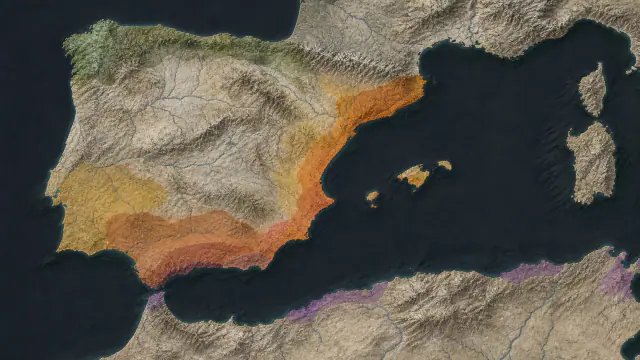
Iberian Map
Explore where the different Iberian peoples lived and how their cities changed.
Read the complete record → TRACEKEEPERS
HISTORY · OPEN COLLECTION
Bronze Age communities and their selective exchanges with the Mediterranean preceded the diverse Iberian societies of eastern and southern Iberia. Their towns, languages and aristocracies were not one unified kingdom.
76 complete records · free to read, no account needed
Read freely here. A free account saves your visits inside the museum.
Before you begin · Iberias
Iberian societies arose from peninsular communities with a long history, transformed by their relations within and outside the Mediterranean.
For about 7,000 years
In the Villena area, farming, livestock and pottery transform the daily relationship with the territory.
III–II millennia BCE
Settlements such as Cabezo Redondo articulate production, exchange and wealth differences before the Iberian horizon.
8th–6th centuries BCE
Local communities and Mediterranean contacts contribute, at different rhythms, to new forms of urban life.
Long before Iberian sculptures, the communities of the eastern peninsula had learned to cultivate, raise animals and make pottery. In the Villena area, the Neolithic began about seven thousand years ago. Villages, fields and paths were shaping a inhabited landscape that would change many times before receiving names known to ancient authors.
During the Bronze Age, settlements grew on high ground, workshops and exchange networks developed. Cabezo Redondo, in Alicante, brought together dwellings, craft activities and wealth at a crossroads with water and salt. These settlements show organised societies and prestige differences prior to the formation of Iberian cultures.
Between the 8th and 6th centuries BCE, contacts with Phoenicians and Greeks combined with local changes. New urban centres, aristocracies and forms of writing, trade and ritual developed. The result was a diverse set of Iberian societies: sharing some objects and customs did not mean belonging to a single kingdom.
The museum’s pieces allow tracing these relations in ceramics, sculpture, writing and funerary assemblages.
Interpreting these traces. Cabezo Redondo offers a regional antecedent; its inhabitants cannot automatically be identified as Iberians nor explain all of Iberia by themselves.
6TH–1ST CENTURIES BCE · PREVIOUS CONNECTIONS AND ROMAN EPILOGUE
The entrance brings together the initial atlas and the museum’s background. The 54 catalogue stops are then organised into seven areas: context, culture, architecture, figures, treasures, beliefs and four historical doors.
The documentation provided is used as a critical starting source. The museum separates direct evidence, probable reconstruction and literary tradition, and preserves the necessary chronological and cultural cautions.
From those Bronze Age communities and their selective dialogue with the Mediterranean arose, between the 6th and 1st centuries BCE, multiple Iberian societies with their own languages, cities and aristocracies.
The Villena Treasure is prior to the Iberian world and should not be presented as an Iberian work; it explains a regional substratum, not a demonstrated ethnic continuity.
Read the background and its sources →EXPLORE THE COLLECTION
Follow the museum’s curated order or go straight to a section. Every record includes its full public documentation and sources.
01 · COLLECTION
Consult the maps and initial context sheets to situate this museum in time and territory; then choose the areas that interest you most.
01 · INITIAL ATLAS · DIVISIONS AND REGIONS
Explore where the different Iberian peoples lived and how their cities changed.
Read the complete record →02 · BEFORE THE IBERIAS · BRONZE AGE—ORIENTALIZING
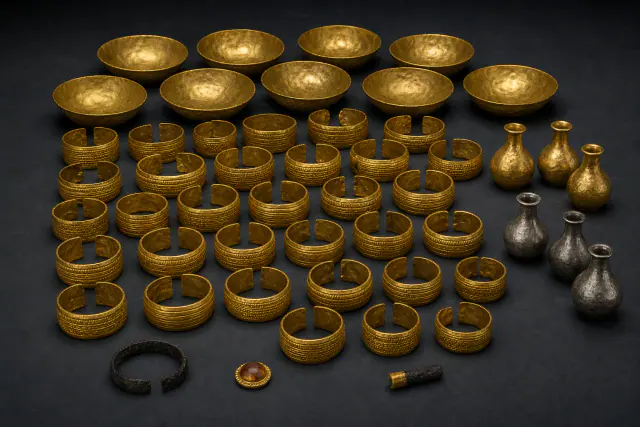
The Villena Treasure shows the wealth that already existed in the region before the Iberian peoples.
Read the complete record →02 · COLLECTION
Menga, the Motilla del Azuer and the Villena treasure show periods earlier than the Iberians. The route then distinguishes territories, languages and the connections of many Iberias.
01 · THRESHOLD · TERRITORIES AND LANGUAGES
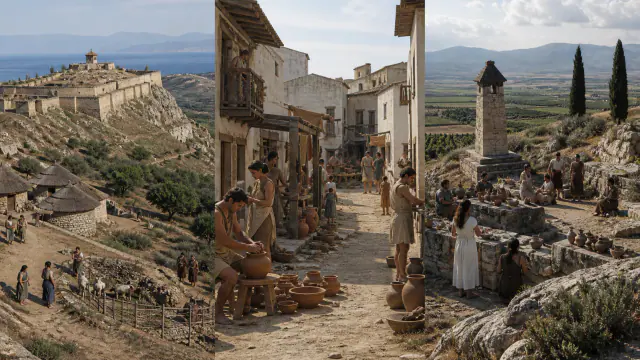
The Iberian peoples shared some customs, but never formed a single State.
Read the complete record →02 · FORTRESS · WATER, HORSES AND POWER
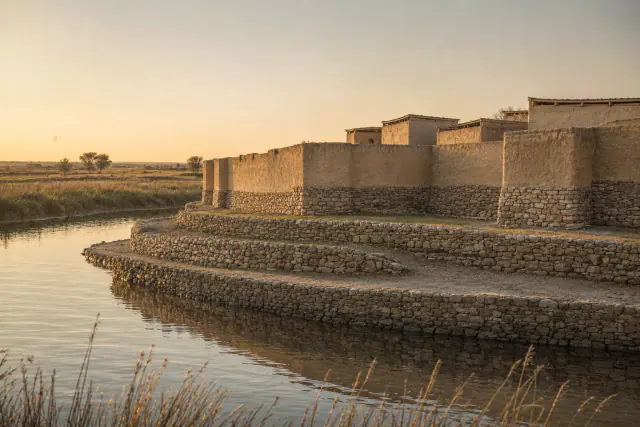
Walls, towers, a moat and embedded stones protected this small settlement.
Read the complete record →03 · CONNECTION, NOT IBERIAN PIECE · OPPIDUM AND IBERO-ROMAN CITY
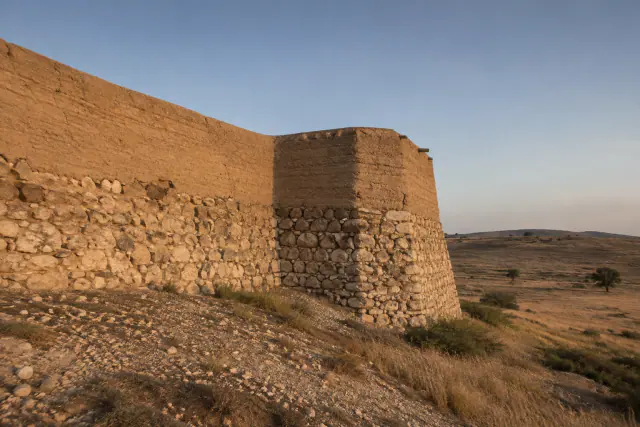
Cástulo was an important city before Rome and continued to change under its rule.
Read the complete record →04 · CONNECTION, NOT IBERIAN PIECE · EPILOGUE · PEOPLE BETWEEN TWO FRAMES
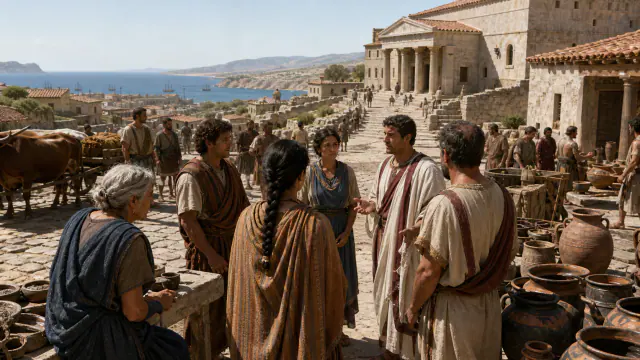
The Roman conquest changed the life of the Iberian communities, although many customs continued.
Read the complete record →05 · PREHISTORIC CONTEXT · NEOLITHIC
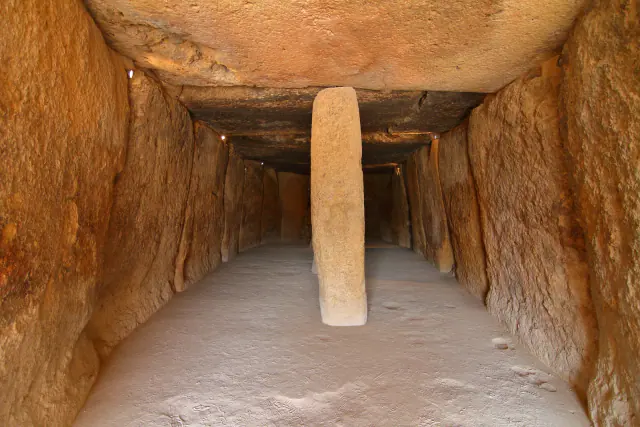
Large stones, collective work and a landscape with meaning.
Read the complete record →06 · PREHISTORIC CONTEXT · BRONZE AGE
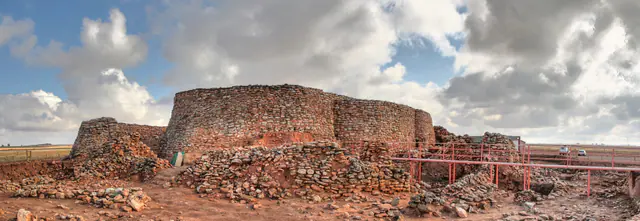
A well surrounded by walls in the Manchegan plain.
Read the complete record →03 · COLLECTION
The auletris, narrative vases, lead weights and workshops show concrete cultural practices without inventing a theatre or a single language for all Iberias.
01 · LIVING AND DOCUMENTED CULTURE · 01
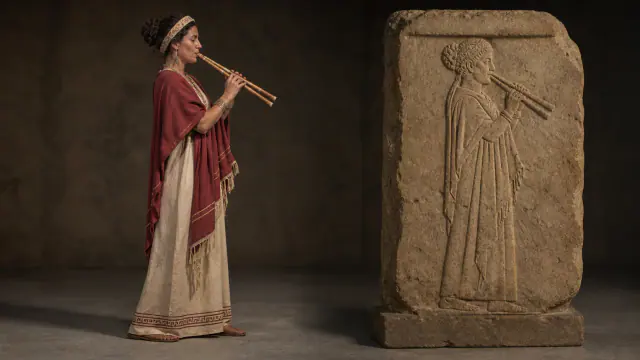
A funerary relief from Osuna shows a performer playing a double-pipe instrument.
Read the complete record →02 · LIVING AND DOCUMENTED CULTURE · 02
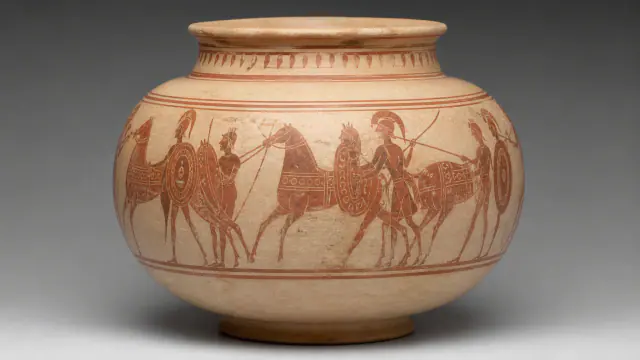
The ceramics of Llíria and La Serreta show combats, processions and musicians.
Read the complete record →03 · LIVING AND DOCUMENTED CULTURE · 03
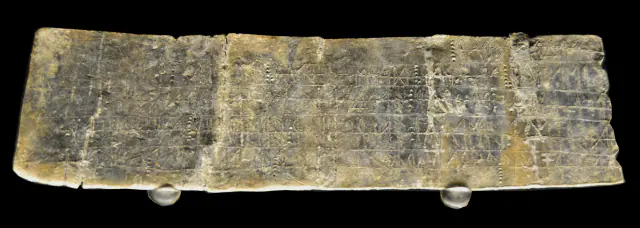
The peoples of the peninsula used different scripts on lead sheets, pottery and coins.
Read the complete record →04 · LIVING AND DOCUMENTED CULTURE · 04
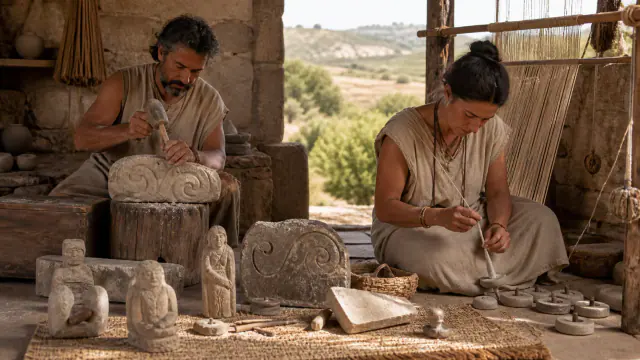
Sculptures, offerings and textiles allow us to know how they worked, dressed and practised their beliefs.
Read the complete record →05 · CELTIBERIA · NUMANCIA · PIECE N8234
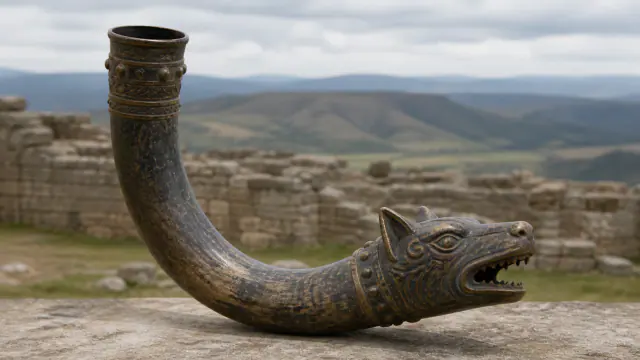
This Numancia trumpet could have served to give signals, although we do not know its exact sound.
Read the complete record →04 · COLLECTION
Walls, paths, sanctuaries and funerary chambers organise power and memory; no single form represents the entire Iberian world by itself.
01 · ARCHITECTURE AND LANDSCAPE · 01
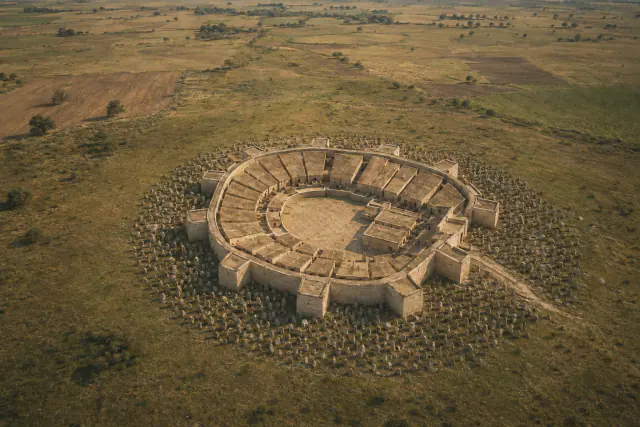
The fortress of Els Vilars had towers, ditches and a stone field that made approach difficult.
Read the complete record →02 · ARCHITECTURE AND LANDSCAPE · 02
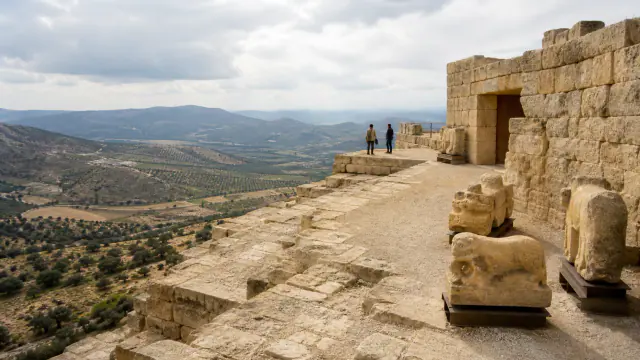
Sculptures of a hero and animals were integrated into a monument alongside a route.
Read the complete record →03 · ARCHITECTURE AND LANDSCAPE · 03
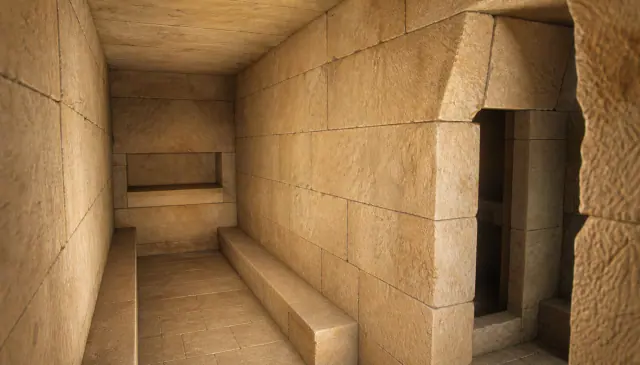
The tomb of Toyá had chambers, benches and corridors where urns and offerings were placed.
Read the complete record →04 · ARCHITECTURE · EXPERIMENTAL RECONSTRUCTION
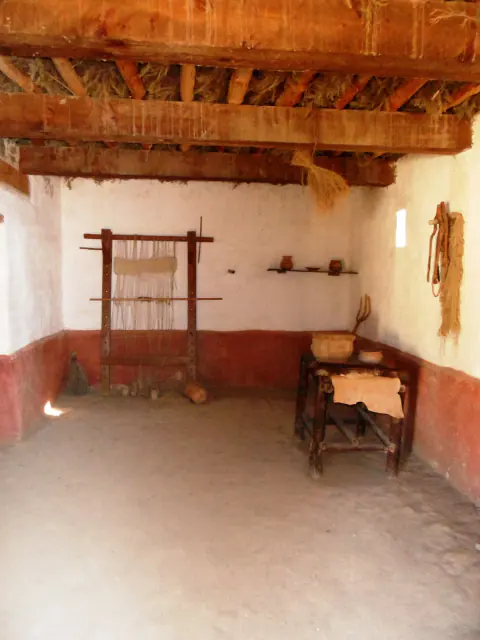
Recovering rooms, materials and tasks to understand everyday life.
Read the complete record →05 · COLLECTION
Historical figures, reconstructed voices and collectives; ritual images are not secure portraits. Ordered from oldest to most recent by life, reign or scene. Periods may overlap; voices without determinable dates close the route.
01 · DAILY LIFE · SPINNERS AND WEAVERS
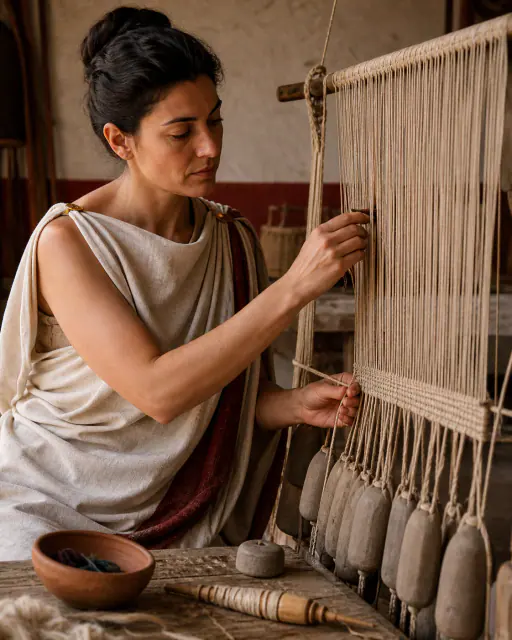
Preparing fibres, spinning, weaving and dyeing required many hours of specialised work.
Read the complete record →02 · EX-VOTO · CAVE OF THE LOBERA
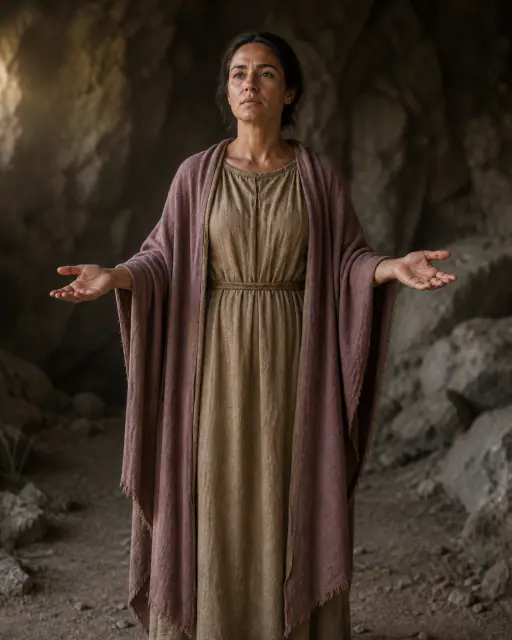
This small bronze figure was left as an offering in a sanctuary of Castellar.
Read the complete record →03 · WHITE LIMESTONE · SCULPTURAL NARRATIVE
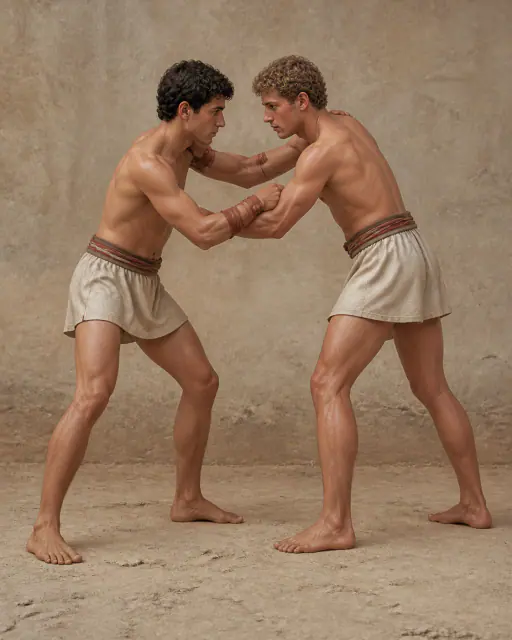
Two figures gripped by the belt represent a hand-to-hand combat.
Read the complete record →04 · CERRILLO BLANCO · WARRIOR
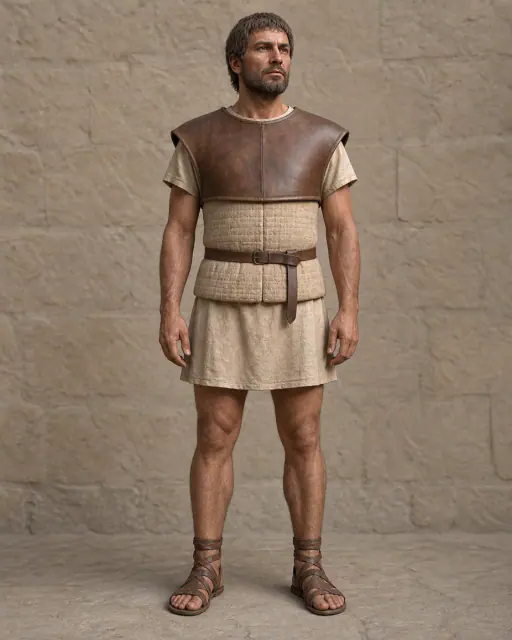
The armour of this warrior shows both his protection and his social position.
Read the complete record →05 · CONNECTION, NOT AN IBERIAN PIECE · CONNECTION · GYMNASIES AND THE MEDITERRANEAN
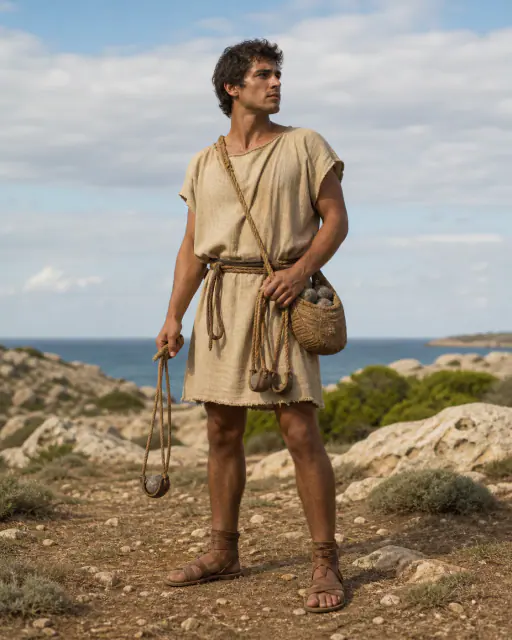
Balearic slingers were known for their skill and served in Carthaginian and Roman armies.
Read the complete record →06 · SCULPTURE · CONTESTANIA
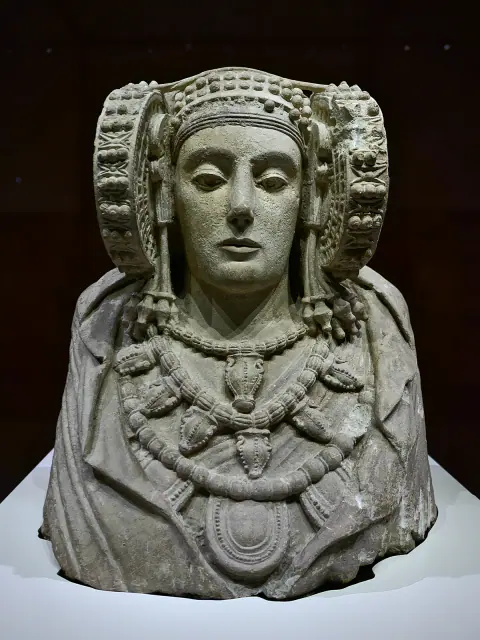
Her headdress, her jewellery and the hollow at the back help investigate why this sculpture was made.
Read the complete record →07 · NECROPOLIS · CABEZO LUCERO
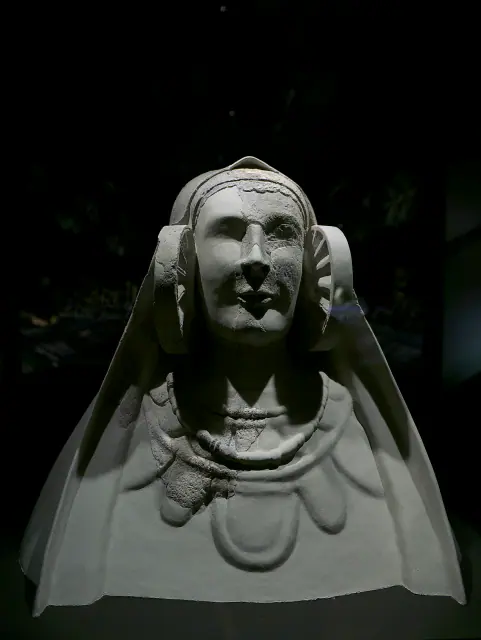
This sculpture appeared fragmented in an Iberian necropolis.
Read the complete record →08 · SCULPTURE · LA ALCUDIA
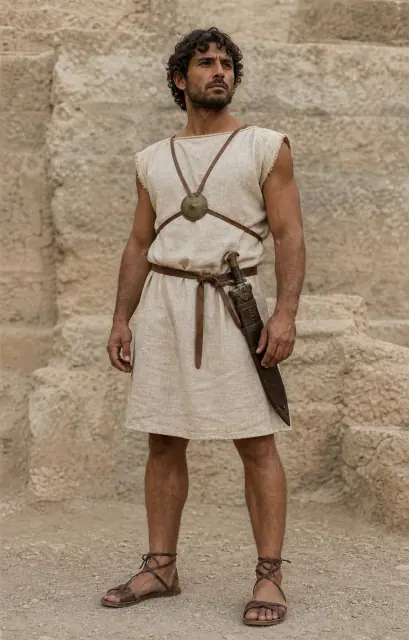
The torso shows a protection of metal discs and a wolf’s head over the chest.
Read the complete record →09 · FUNERARY SCULPTURE · BASTETANIA
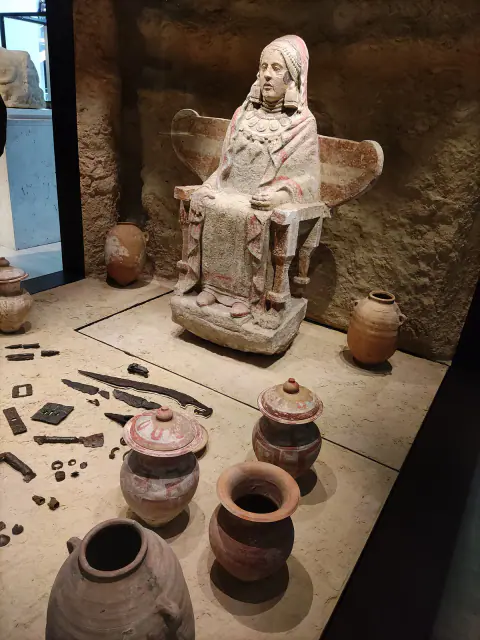
The sculpture housed within it the cremated remains of an adult woman.
Read the complete record →10 · LA BASTIDA DE LES ALCUSSES · BRIEF CITY
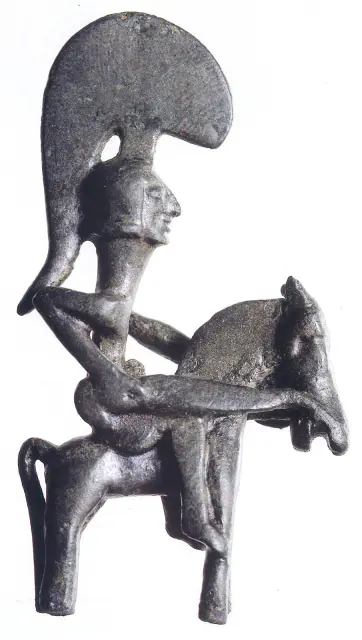
It could have crowned a standard before becoming an offering.
Read the complete record →11 · SANCTUARY · COORTIJO DEL PAJARILLO
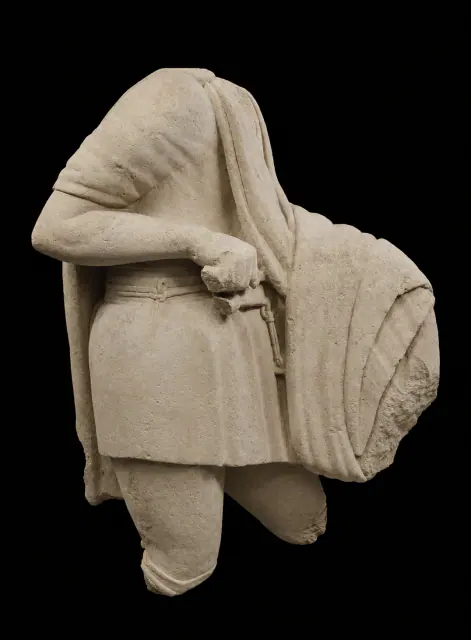
A warrior and a wolf formed part of a monument situated beside a route.
Read the complete record →12 · DOCUMENTED PERSON · RECONSTRUCTION
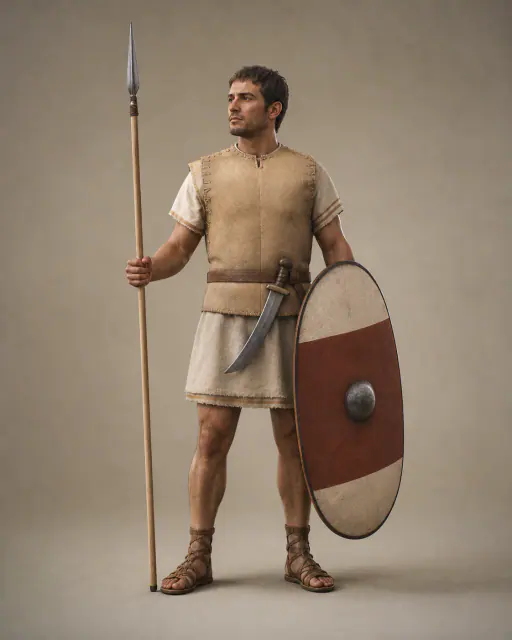
This reconstruction brings together the arms and protections that appear on the Warriors' Vase.
Read the complete record →13 · RELIEF · MONUMENT OF OSUNA
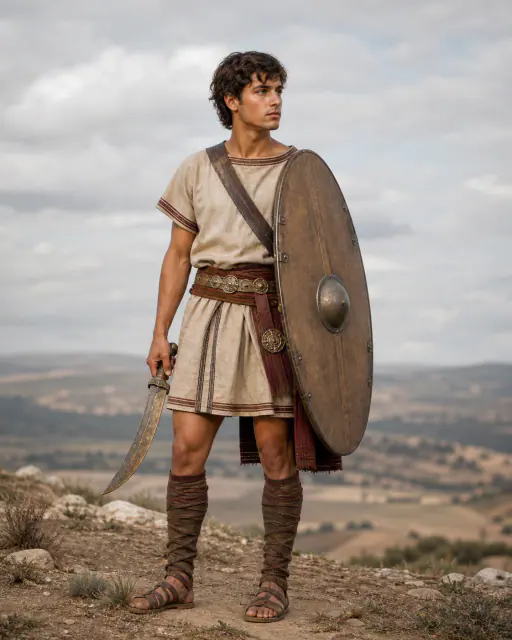
A relief from Osuna depicts a young warrior with an oval shield.
Read the complete record →14 · MUSIC · RELIEF OF OSUNA
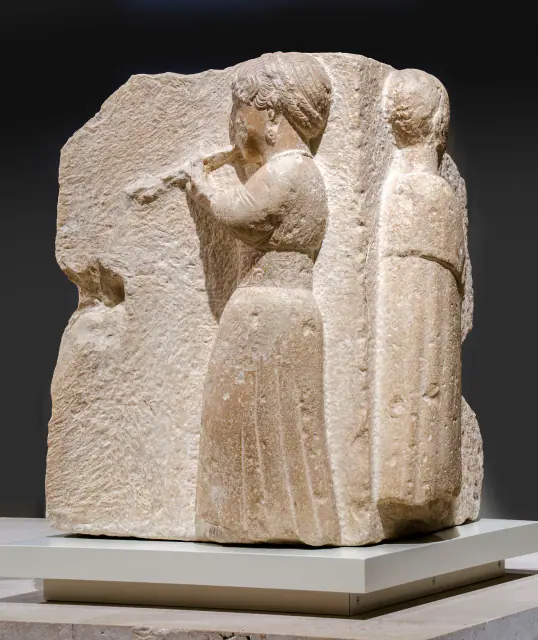
The figure plays a double-tubed instrument, although we do not know what music it performed.
Read the complete record →15 · VIOLENCE AND DISPLAY · PUIG DE SANT ANDREU
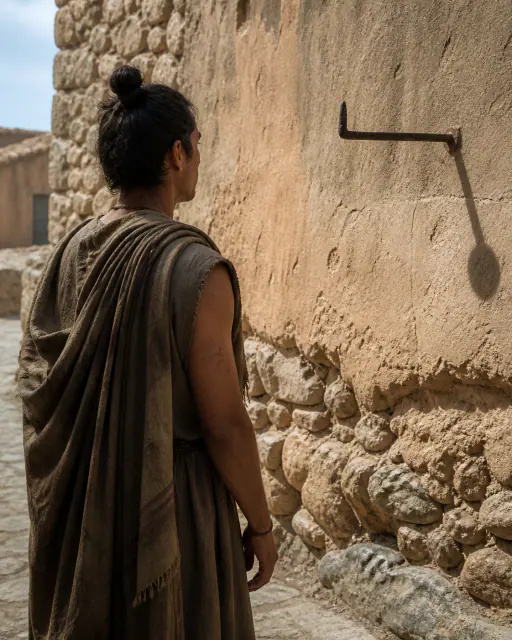
Skulls pierced by nails have been linked to the public display of defeated enemies.
Read the complete record →16 · EX-VOTO · ALTOS DEL SOTILLO
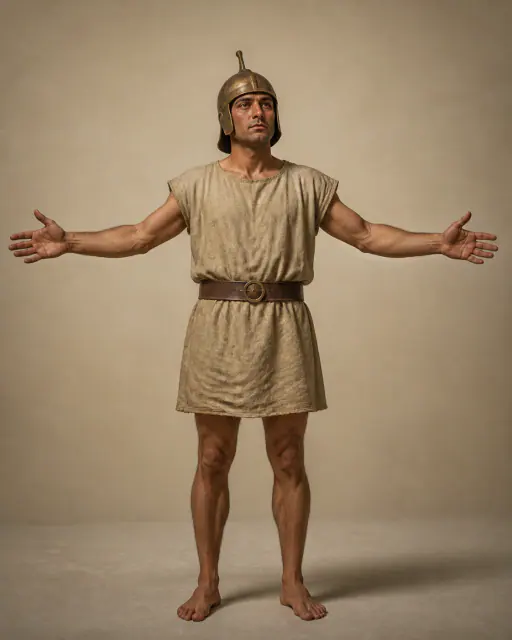
This reconstruction shows an armed figure making an offering; it is not an exact copy of the reference votive figure.
Read the complete record →17 · CONNECTION, NOT IBERIAN PIECE · ASCOLI BRONZE · CITIZENSHIP AND SERVICE
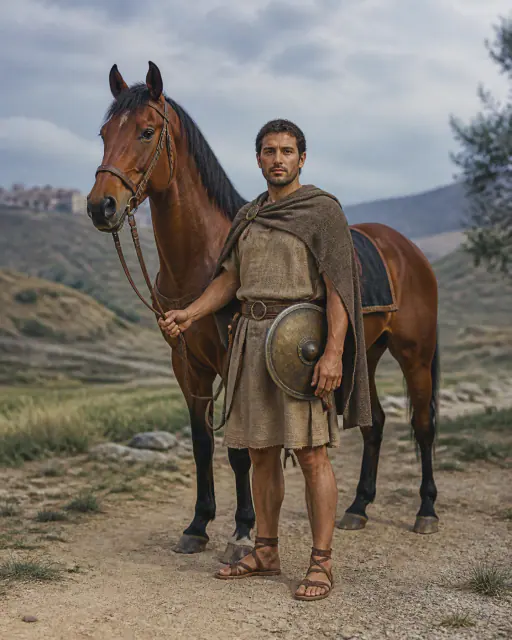
An inscription identifies the horsemen from Hispania who received Roman citizenship for their military service.
Read the complete record →06 · COLLECTION
Archaeological objects and assemblages explain techniques, exchanges, memory and use; each piece distinguishes its provenance from peninsular or Roman comparisons.
01 · HISTORIOGRAPHICAL ARCHIVE · FROM HECATAEUS TO AVENIUS
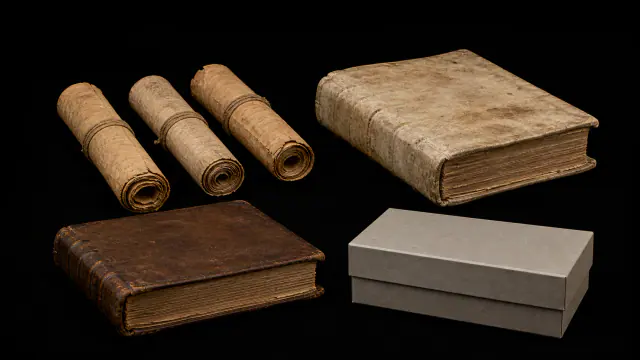
Much of what was written about Iberia originated outside Iberia and long after the events.
Read the complete record →02 · COLLECTION STUDY · FEMALE EX-VOTOS
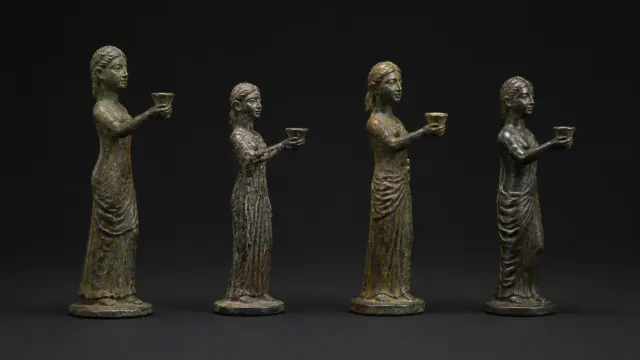
Four female bronze figures allow comparison of how the same offering gesture was represented.
Read the complete record →03 · LIBATION VESSEL · THE AMAREJO DOVE
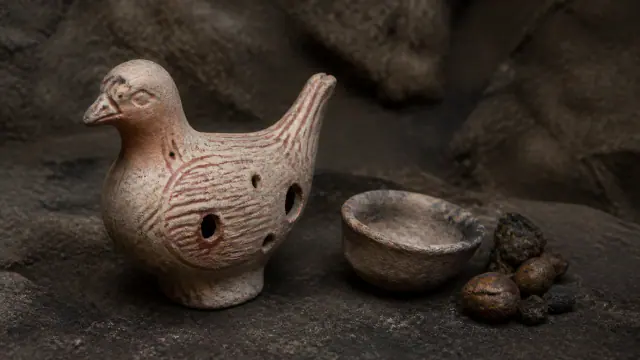
It was not merely an animal-shaped vessel: the liquid exited through its beak.
Read the complete record →04 · GILDED SILVER · LIBATION AND PRESTIGE
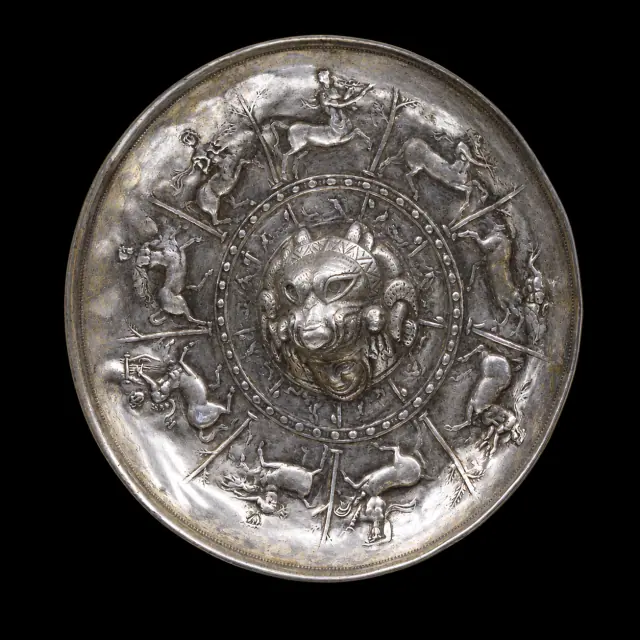
This ritual vessel combines a wolf, serpents, hunting scenes and musician centaurs.
Read the complete record →05 · ZOOMORPHIC SCULPTURE · PORCUNA
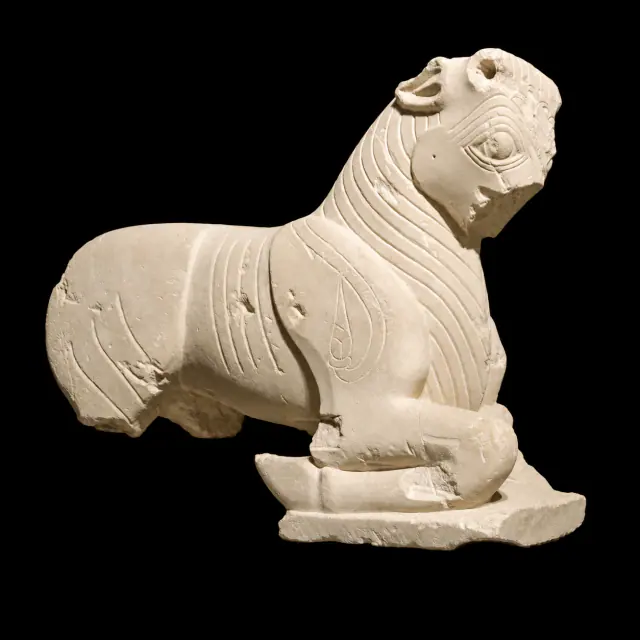
The figure of a bull could have different meanings depending on where it was placed.
Read the complete record →06 · JEWELLERY · CAÑETE DE LAS TORRES
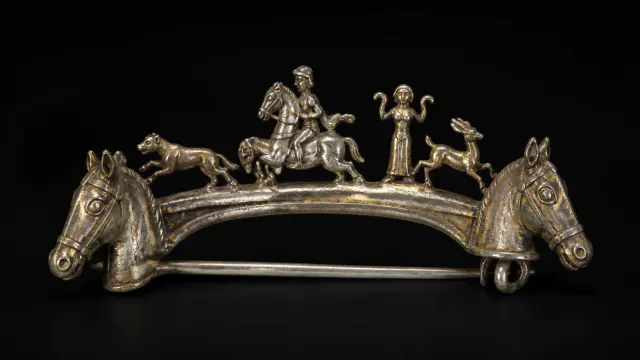
A rider, a dog and a fawn decorate this silver brooch for fastening clothing.
Read the complete record →07 · CONNECTION, NOT IBERIAN PIECE · CONNECTION · PENINSULAR CHALCOLITHIC
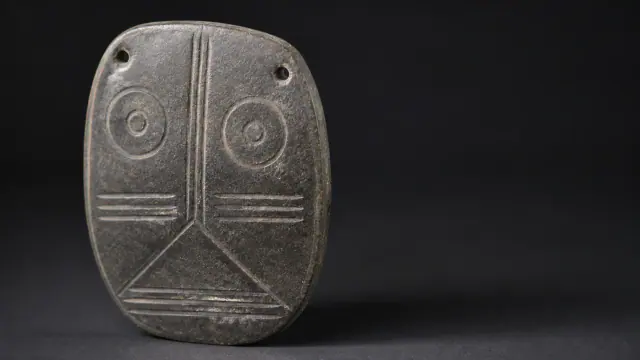
Thousands of funerary plaques precede the Iberian world by more than two thousand years.
Read the complete record →08 · CONNECTION, NOT IBERIAN PIECE · CONNECTION · LUSITANIA
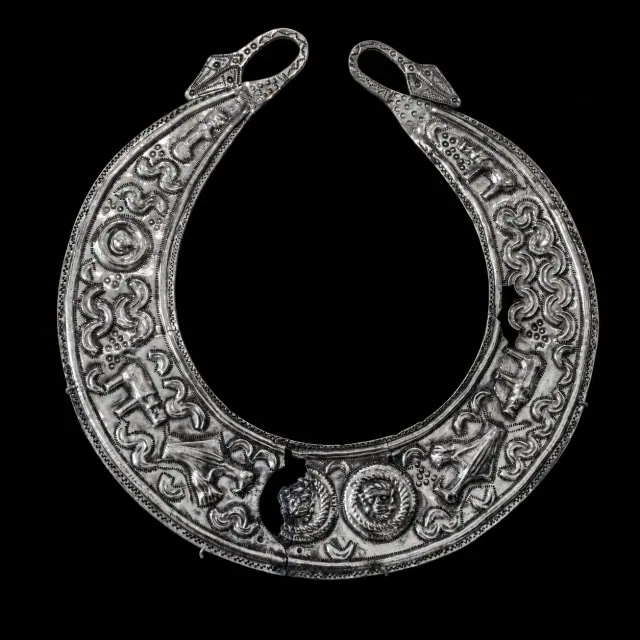
Serpents, boars, birds and fragmented bodies cover a silver crescent.
Read the complete record →09 · CONNECTION, NOT AN IBERIAN PIECE · CONNECTION · LUSITANIAN SILVER
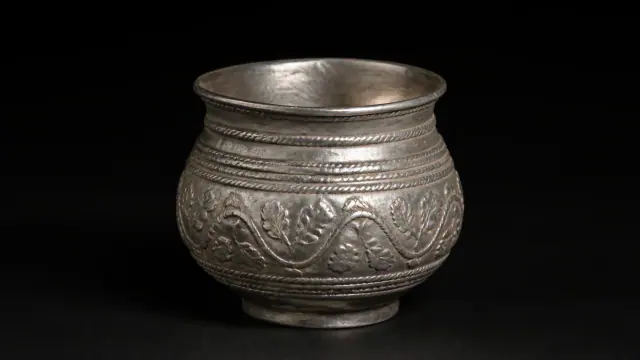
The vase and what it contained could have formed part of an offering.
Read the complete record →10 · CONNECTION, NOT AN IBERIAN PIECE · CONNECTION · CELTIBERIAN AND LANCIA
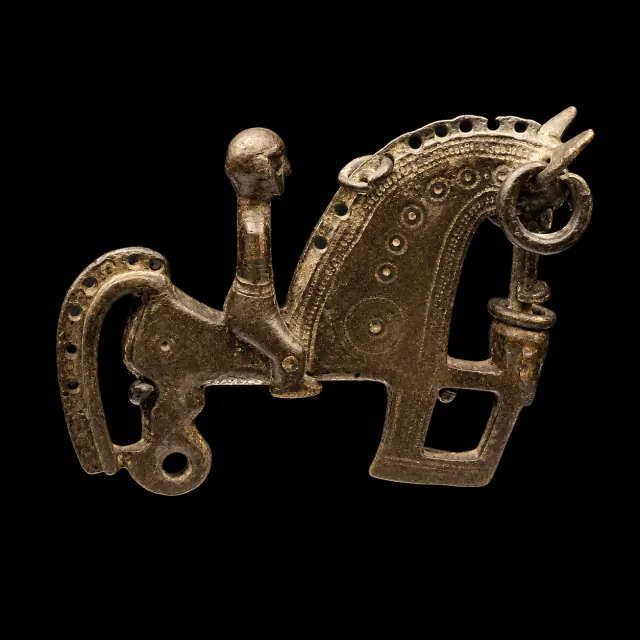
A warrior's ornament travelled to a city of the Astures that later became Roman.
Read the complete record →11 · CONNECTION, NOT AN IBERIAN PIECE · CONNECTION · LATE IMPERIAL HISPANIA
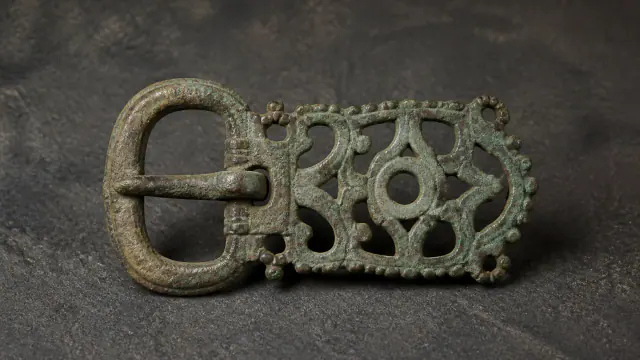
This late Roman belt buckle was found in the Sierra de Sobia, possibly lost beside a livestock route.
Read the complete record →12 · GOLDSMITHING · PARTIDA DE LA LLUCA
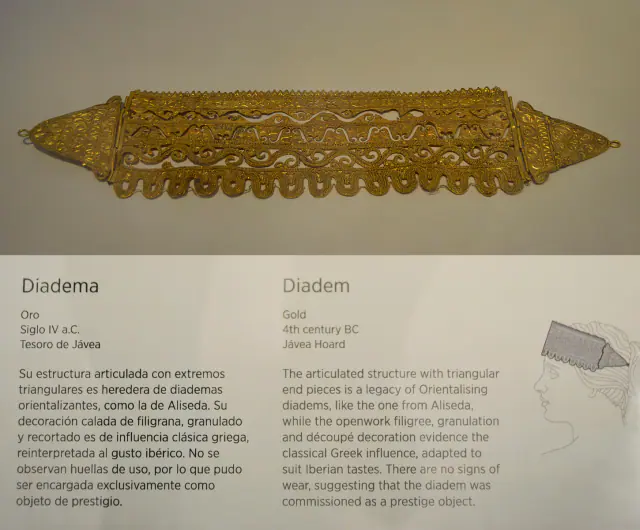
In Xàbia appeared a diadem, necklaces and other jewels inside a vessel that was not preserved.
Read the complete record →13 · MIXED TREASURE · LA SAFA
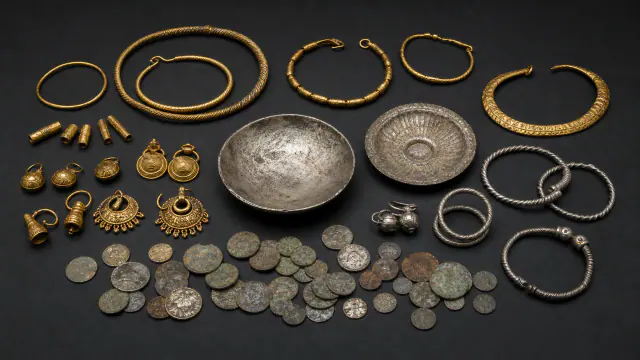
A deposit can gather objects made at very different times.
Read the complete record →14 · GOLDSMITHING AND MEMORY · PIC DE L'ÀGUILA
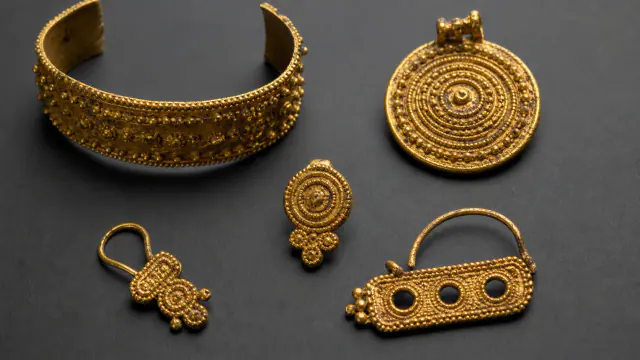
The date of the hiding and the age of the objects need not coincide.
Read the complete record →15 · GOLDSMITHING · ANCIENT IBERIAN
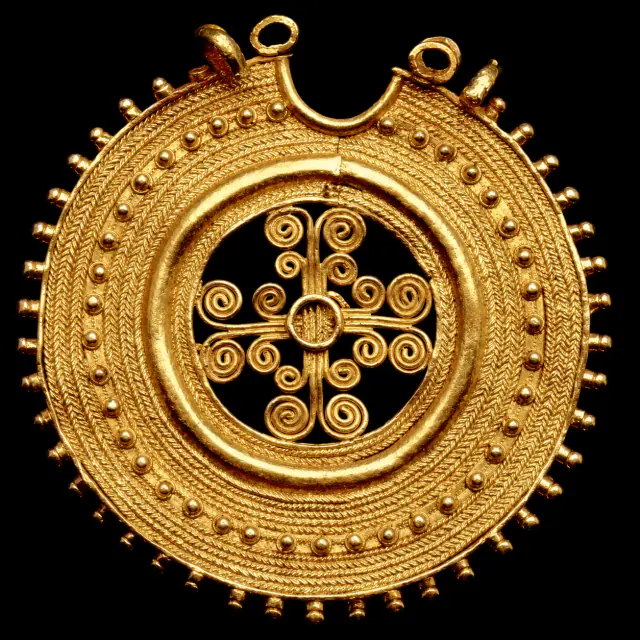
This small gold earring combines fine wires, spheres and thirty-eight soldered cylinders.
Read the complete record →16 · PRE-ROMAN GOLDSMITHING · GUADALQUIVIR VALLEY
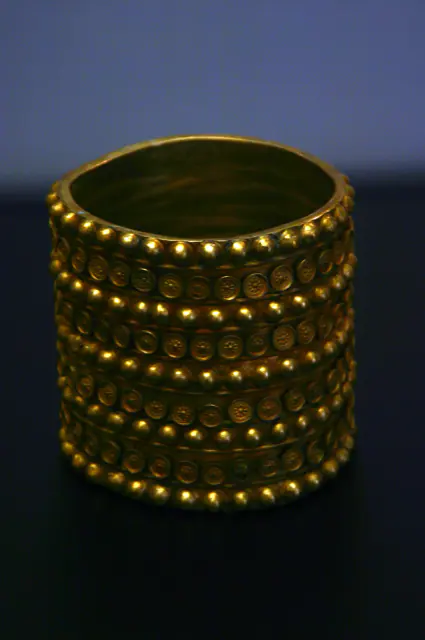
The hoard brings together jewellery and vessels, but we do not know who hid them or why.
Read the complete record →17 · WRITING AND TRADE · ULLASTRET
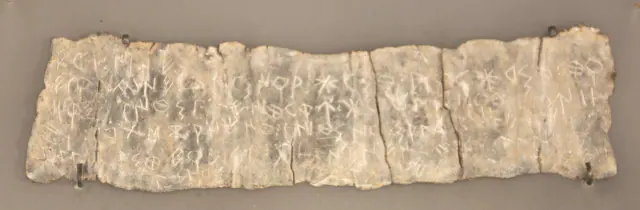
A folded lead sheet preserves signs, names and numbers that we do not yet fully understand.
Read the complete record →18 · FIGURED CERAMICS · LOWER ARAGON
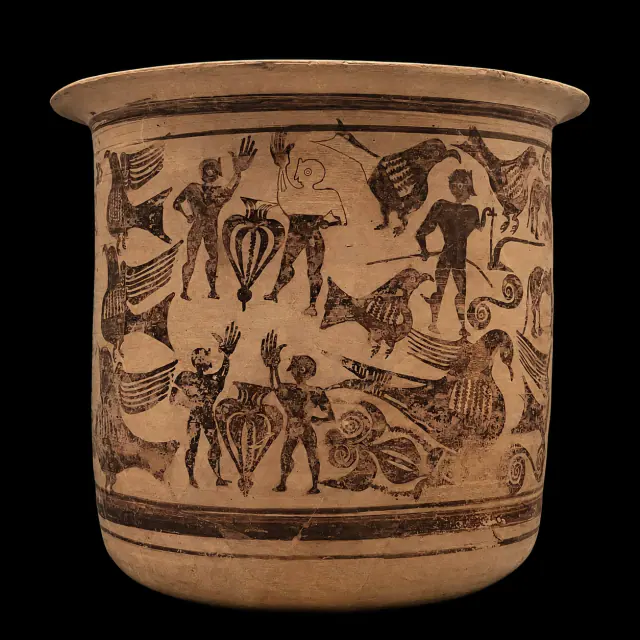
The same vessel shows greetings between people, work with a plough and hunting scenes.
Read the complete record →19 · CLOTHING · WORK AND REPRESENTATION
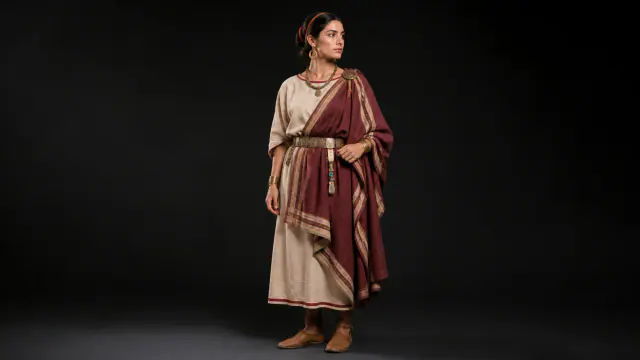
Sculptures and ceramics show tunics, cloaks, belts and jewellery of Iberian clothing.
Read the complete record →20 · ORETANA NECROPOLIS · BURIAL 4
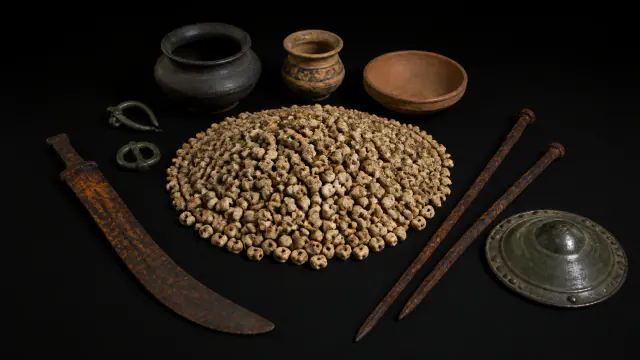
A tomb at Alarcos contained 453 sheep or goat ankle bones, whose use is still being studied.
Read the complete record →21 · CONNECTION, NOT IBERIAN PIECE · RELIGION IN TRANSFORMATION · KING'S FORT
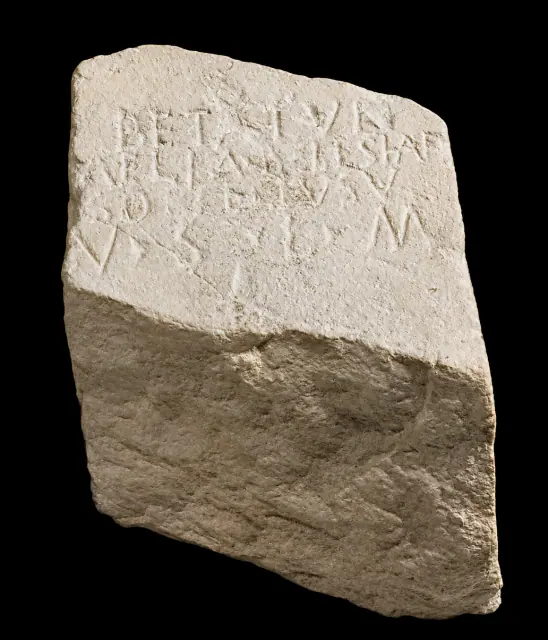
A Latin inscription preserves an offering to Betatun, a deity with an indigenous name.
Read the complete record →22 · CONNECTION, NOT IBERIAN PIECE · INDIGENOUS TRADITION · 2nd CENTURY BCE–1st CENTURY CE
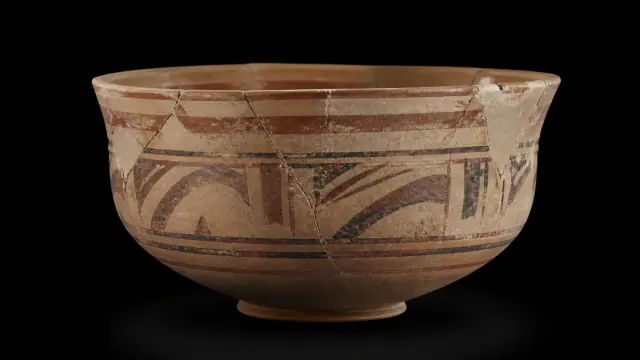
Some workshops continued using local techniques and decorations during Roman rule.
Read the complete record →23 · VASCONIC CONNECTION · IRON AGE
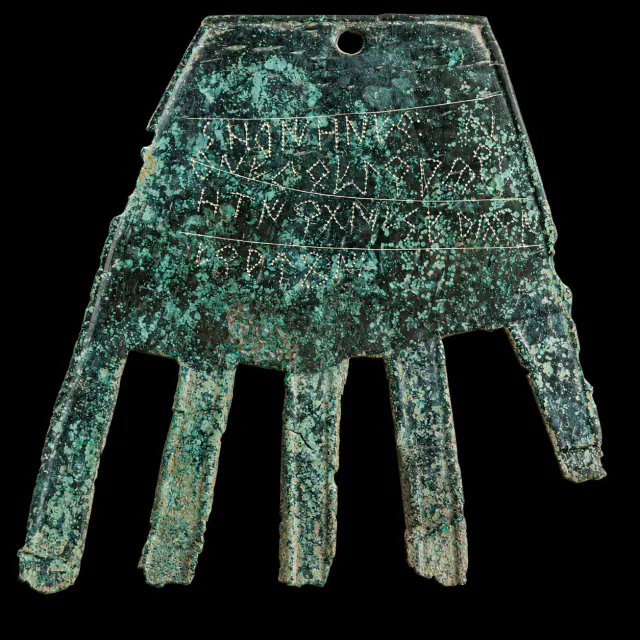
A bronze hand links writing, homes and protection.
Read the complete record →24 · TREASURES · ORIENTALIZING PERIOD
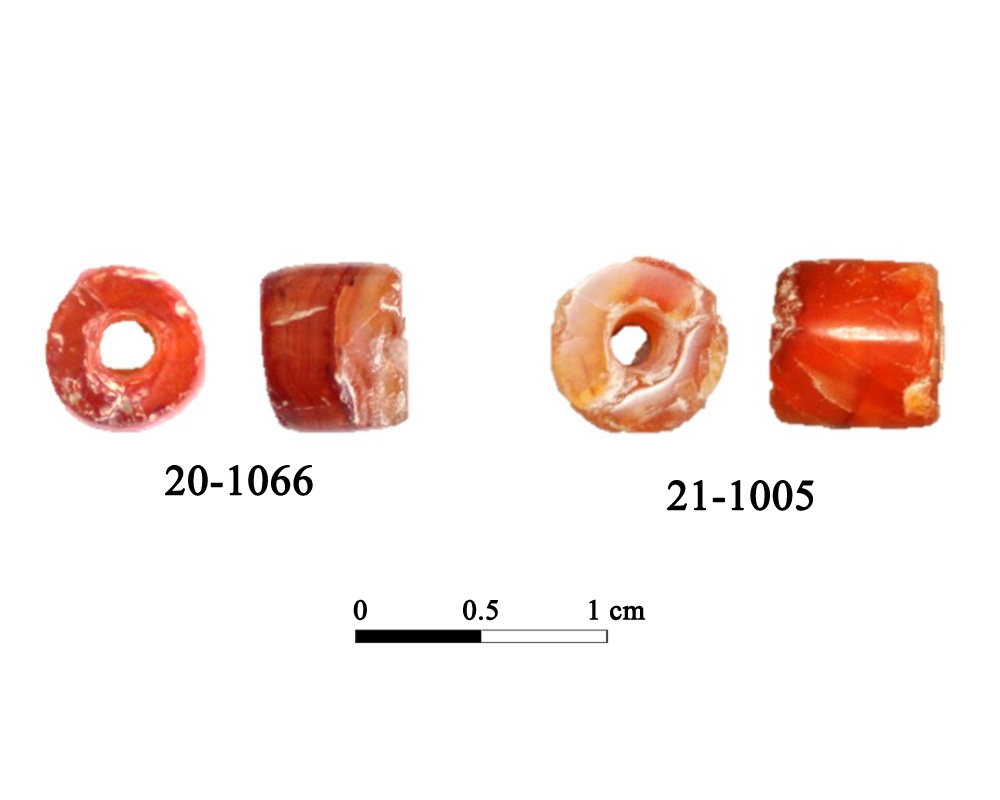
Small ornaments that raise questions about exchanges.
Read the complete record →25 · TREASURES · ORIENTALIZING PERIOD
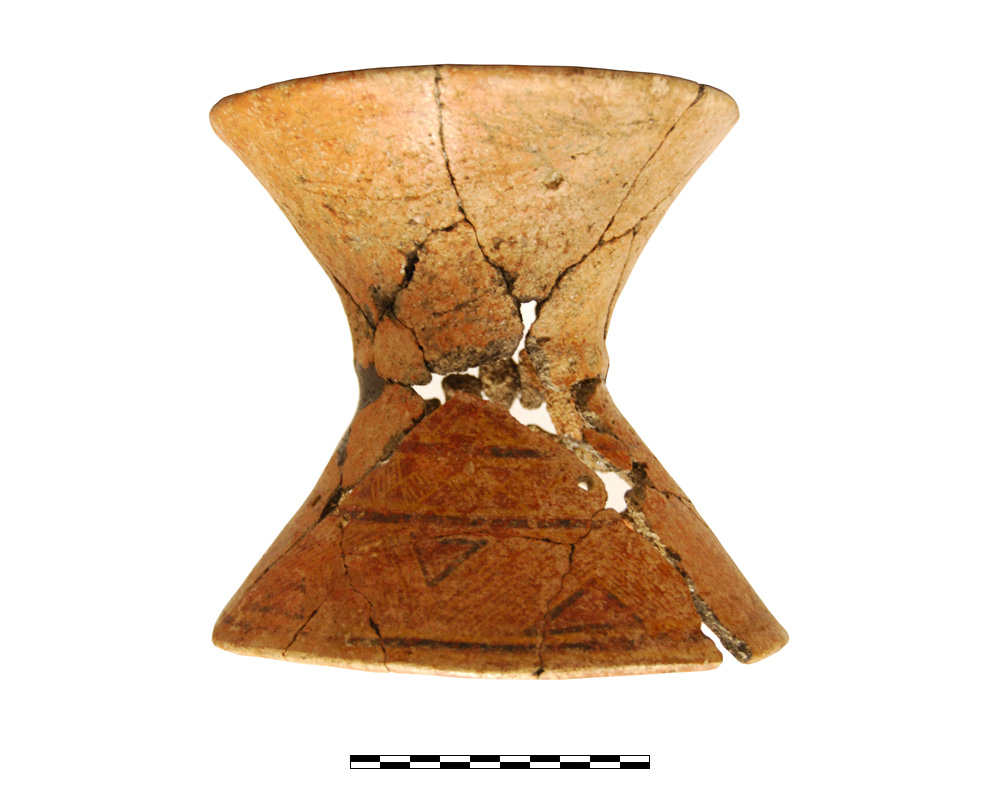
Colours and residues preserve traces of an offering.
Read the complete record →26 · TARTESSOS/POSTORIENTALIZANTE · RESEARCH BLOCK
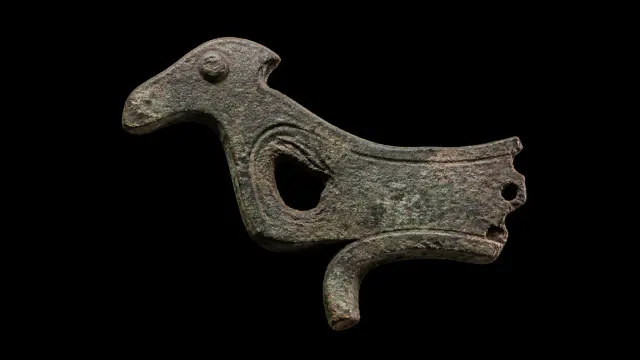
The function and exact identification of this Cancho Roano piece remain pending confirmation.
Read the complete record →27 · TRAVELLING OBJECT · INTERCULTURAL BIOGRAPHY
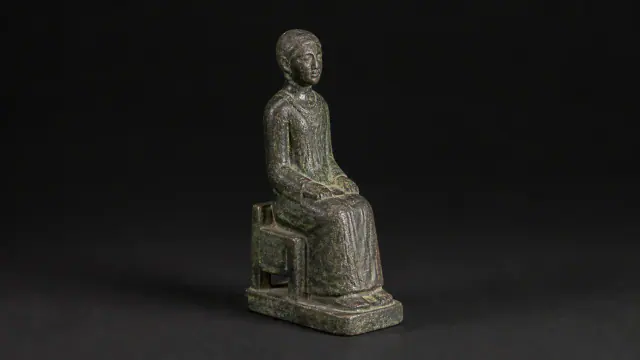
The figure bears a Phoenician dedication and appeared in the sanctuary of El Carambolo.
Read the complete record →28 · TRAVELLING OBJECT · INTERCULTURAL BIOGRAPHY
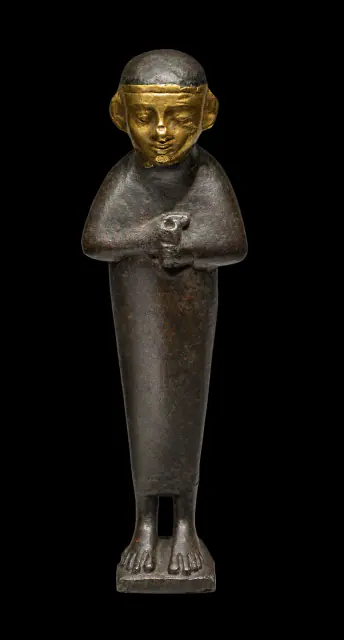
The figure appeared in Cádiz and could have been made in Phoenicia; its resemblance to Ptah does not confirm that it represents that god.
Read the complete record →29 · TRAVELLING OBJECT · INTERCULTURAL BIOGRAPHY
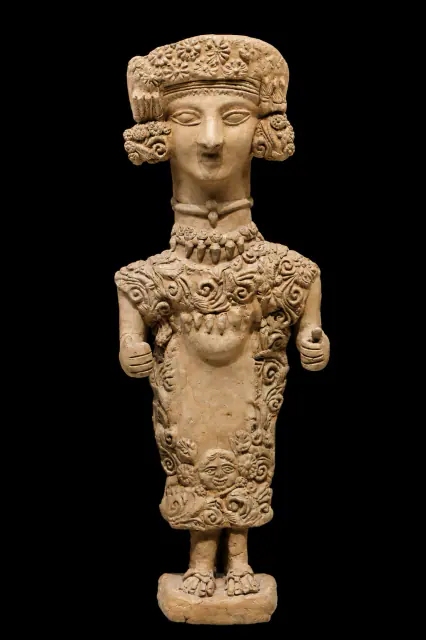
This figure belongs to the Punic world of Ibiza; its identification with the goddess Tanit is not secure.
Read the complete record →30 · FUNERARY GOODS · BASTETANIA AND ORETANIA
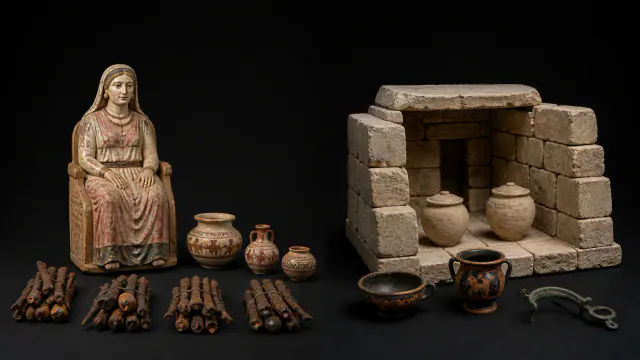
The tombs of Baza and Toyá allow comparing the objects and buildings chosen for different funerals.
Read the complete record →31 · WEAPONS AND EQUIPMENT
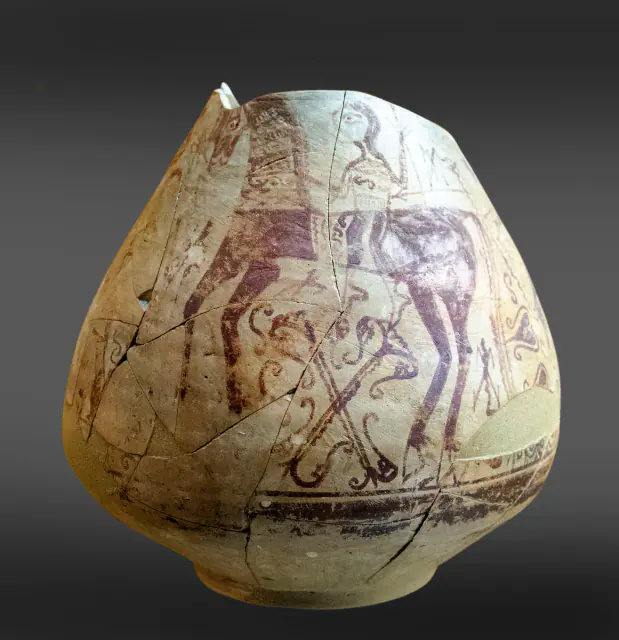
Twelve combatants and their weapons appear painted around this vessel.
Read the complete record →32 · WEAPONS AND EQUIPMENT
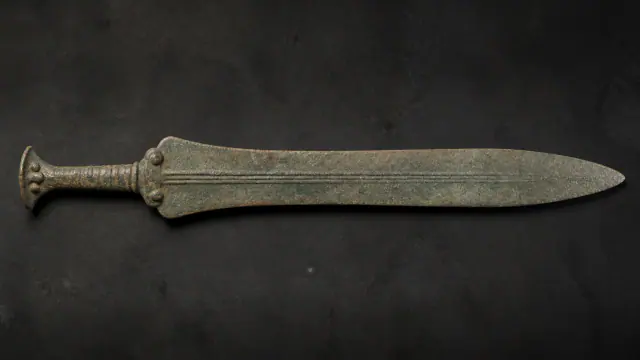
Its metal had the form of a sword, but its edges were not prepared for combat.
Read the complete record →33 · WEAPONS AND EQUIPMENT
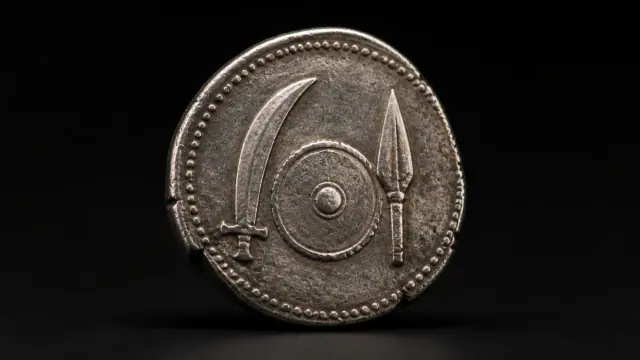
A Roman coin depicts weapons from Hispania as trophies of victory.
Read the complete record →34 · WEAPONS AND EQUIPMENT
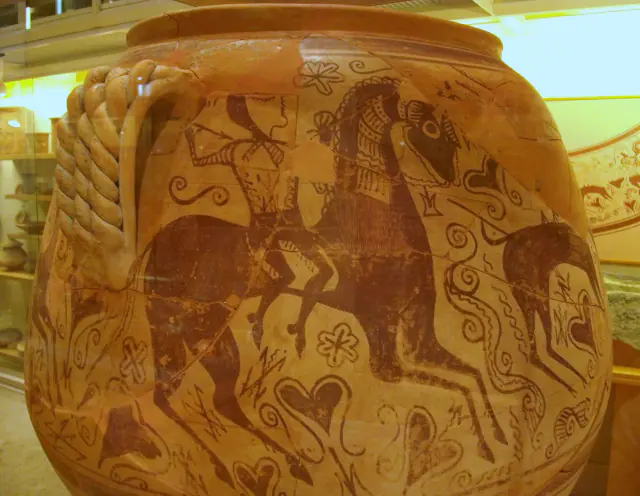
Around the vessel appear musicians, animals and scenes of hunting and combat.
Read the complete record →35 · WEAPONS AND EQUIPMENT
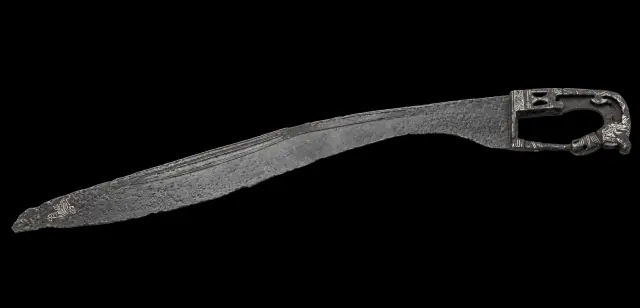
This sword combines several iron sheets, silver decoration and a hilt with a horse's head.
Read the complete record →07 · COLLECTION
Three documented questions distinguish archaeological fact from its interpretations: a sculpture turned into an urn, four panoplies before a woman and a Greek vase transformed by an Iberian rite.
01 · BELIEFS AND CURIOSITIES · DEATH AND MEMORY
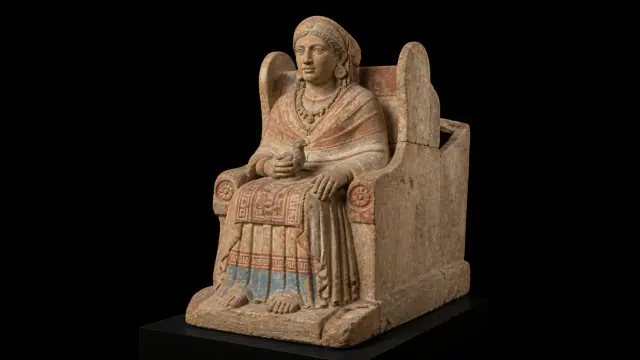
The Lady of Baza was used as an urn to hold the cremated remains of a woman.
Read the complete record →02 · BELIEFS AND CURIOSITIES · RANK AND RITUAL
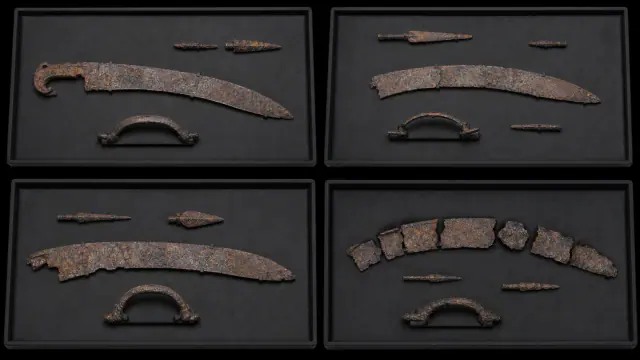
Four warrior sets accompanied a woman, but the deposit does not automatically reveal who wielded them.
Read the complete record →03 · BELIEFS AND CURIOSITIES · OBJECTS WITH ANOTHER LIFE
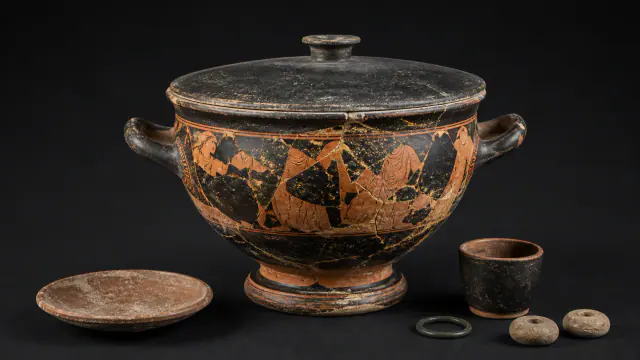
A vessel made in Greece could be used later in an Iberian funeral.
Read the complete record →08 · COLLECTION
Four thresholds explain exchange, colonisation, contact, conquest and unequal integration before inviting entry to the museum of each destination.
01 · GATE 01 · EXCHANGE AND COLONISATION
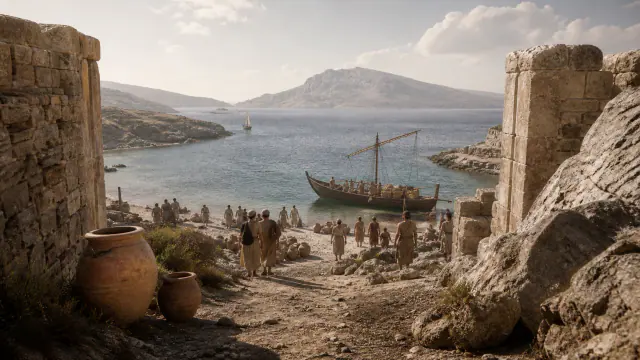
Gadir, present-day Cádiz, brings together a Phoenician foundation, a Hercules legend and the temple of Melkart.
Read the complete record →02 · GATE 02 · GREEK COLONIES AND MEDIATION
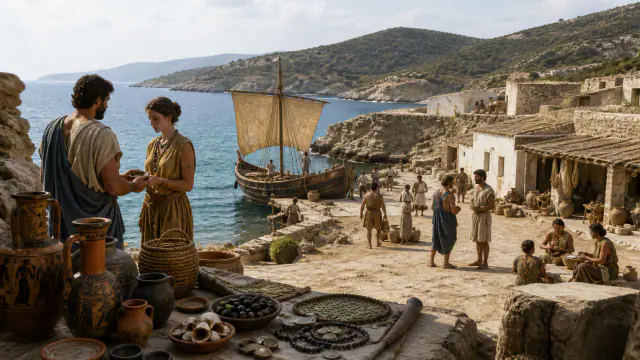
Ullastret was an Iberian city that traded with Emporion, a Greek colony.
Read the complete record →03 · DOOR 03 · CONTACT AND HYBRID ZONES
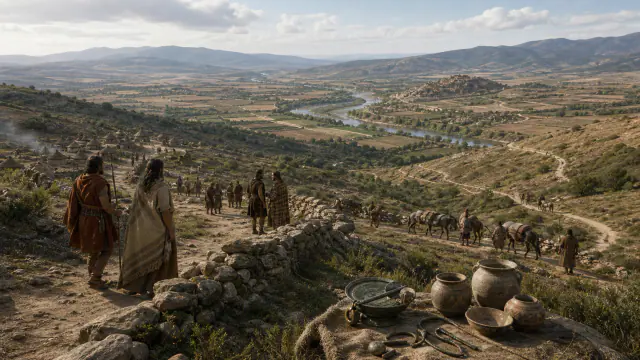
Discover the contacts between Iberian and Celtic communities in their neighbouring areas.
Read the complete record →04 · DOOR 04 · CIRCULATION, WAR AND TRANSFORMATION
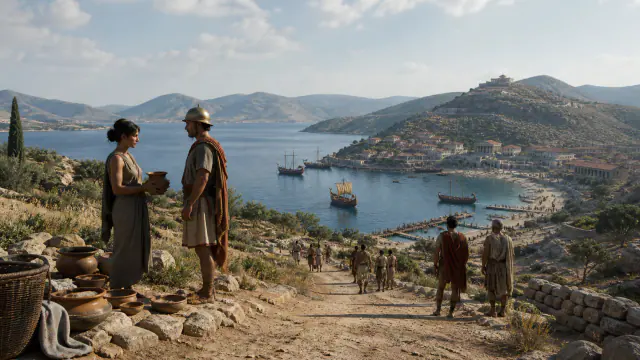
Continue in the Rome museum to learn about the conquest and its consequences in the peninsula.
Read the complete record →Voces escritas sobre metal
Discover the connected fiction project. The available Prehistory reader is in Spanish; other volumes are not presented as finished products for sale.
Explore the books →Try the available Prehistory browser alpha. Campaigns for the other cultures are still in development.
Open the game (Spanish) →Use each record’s institution and heritage links to continue your research. Country-by-country historical travel guides are planned, not yet published.
Historical travel →Discover artistic designs inspired by the collections and check each product’s availability. Museum access remains free.
Explore the collection →