 English
 Español
 Français
 Italiano
 Deutsch
 Русский
 Português
 Polski
 Română
 Svenska
 Norsk bokmål
 Suomi
 Türkçe
 العربية
 简体中文
 한국어
 हिन्दी
 Ελληνικά
01 · INITIAL ATLAS · ORIGIN AND EXPANSION
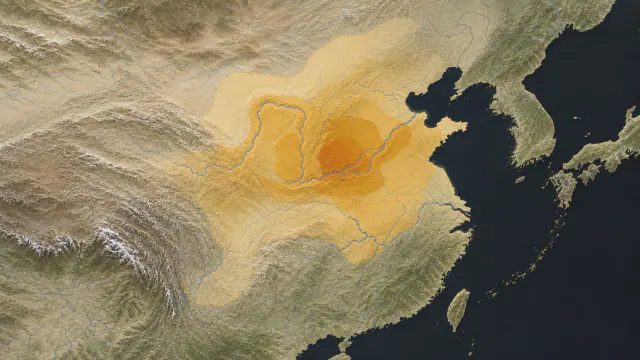
Map of Ancient China
Locate the main Bronze Age centres in the Yellow River basin.
Read the complete record → TRACEKEEPERS
HISTORY · OPEN COLLECTION
Competing regional centres, walls, workshops and prestige rituals preceded Erlitou and the Shang kingdoms. The collection follows these different archaeological and political developments rather than assuming a single uninterrupted beginning.
32 complete records · free to read, no account needed
Read freely here. A free account saves your visits inside the museum.
Before you begin · Ancient China
The first complex societies in China arose in several regions, with different crops, techniques and rituals.
V–III millennia BCE
Yangshao and other regional traditions develop agriculture, ceramics and objects for diverse ritual practices.
Ca. 3300–2300 BCE
A city in the lower Yangzi combines rice paddies, hydraulic works and social differences visible in burials.
II millennium BCE
Bronze metallurgy and power centres announce a new political scenario.
During the Neolithic, the basins of the Yellow River and the Yangzi hosted communities that transformed their landscapes through agriculture. Painted pottery of Yangshao, jade objects and vessels of other traditions reveal distinct ways of making, exchanging and celebrating. Speaking of a Neolithic China serves to orient ourselves on the current map; it does not imply that a unified country existed then.
Between approximately 3300 and 2300 BCE, Liangzhu developed in the lower Yangzi a city, water management works and a marked funerary hierarchy, sustained by rice cultivation. In other regions, the traditions grouped as Longshan produced very elaborate ceramics. These contemporary developments show that authority and specialisation did not appear in a single focus.
In the 2nd millennium BCE, Erlitou and then the Shang centres gave new scale to bronze production and to power institutions. Ritual vessels brought together knowledge of casting, resources and specialised labour. With the Shang we also have writing that allows us to know part of their political and religious world. This evidence is distinct from the genealogies transmitted by much later texts.
Jades, ceramics and bronzes allow us to follow relations between technique, ceremony and authority throughout the museum.
Interpreting these traces. The identification of Erlitou with the Xia dynasty of later accounts remains a debated interpretation.
≈1900–1600 BCE · EASTERN ASIA
Access to the museum brings together the atlas and the antecedents of ancient China. Afterwards, seven areas order the historical context, culture, architecture, figures and society, treasures and grave goods, beliefs and curiosities, and three historical doors to other museums. Each file preserves narrative layers, cautions and differentiated sources.
The room combines a specific visual catalog with an audited thematic dossier. Separates facts, interpretations and cautions; the 3D volumes continue to be replaceable markers until models with provenance and license are incorporated.
Competition between regional centres, walls, workshops and prestige rituals formed the setting from which Erlitou emerged and, later, the Shang kingdoms.
Longshan groups regional traditions and does not equal the Xia dynasty; ceramic similarities do not prove a direct political genealogy.
Read the background and its sources →EXPLORE THE COLLECTION
Follow the museum’s curated order or go straight to a section. Every record includes its full public documentation and sources.
01 · COLLECTION
Consult the maps and initial context sheets to situate this museum in time and territory; then choose the areas that interest you most.
01 · INITIAL ATLAS · ORIGIN AND EXPANSION
Locate the main Bronze Age centres in the Yellow River basin.
Read the complete record →02 · BEFORE DYNASTIC BRONZE · c. 7000–1900 BCE
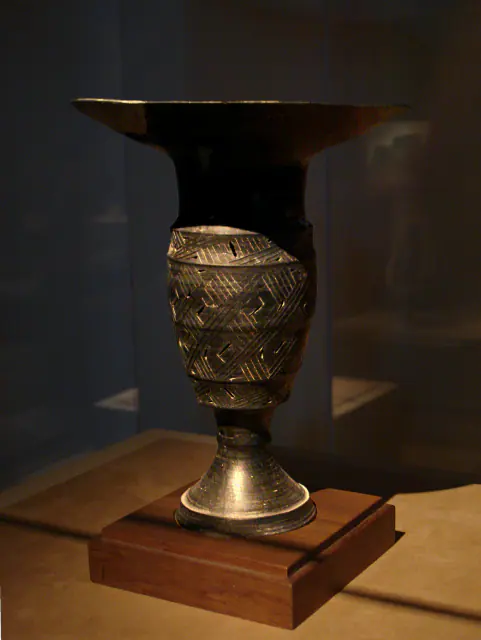
Before the great bronzes, a potter achieved walls as thin as an eggshell.
Read the complete record →02 · COLLECTION
The first stop reconstructs the area before ancient China; afterwards, places and processes allow entry into its history without reducing it to a start date or an inevitable destination.
01 · 02 · SITE · EARLY BRONZE AGE
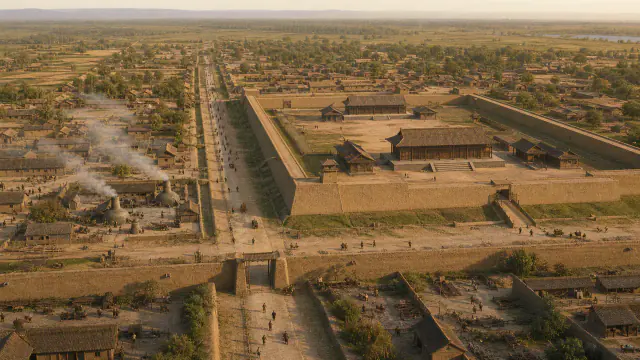
Erlitou had palatial buildings, streets and workshops before the development of Anyang.
Read the complete record →02 · 04 · SITE · EARLY SHANG
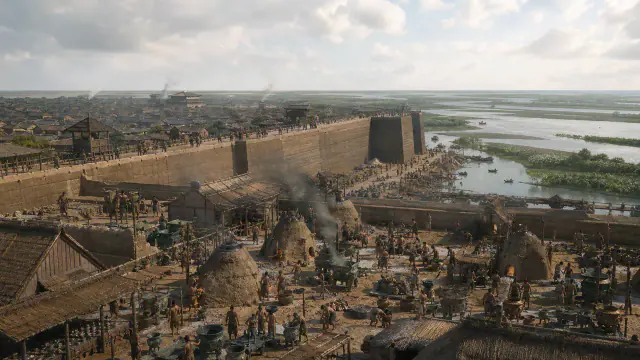
Zhengzhou gathered great rammed-earth walls and bronze-production workshops.
Read the complete record →03 · 07 · SITE · YIN XU
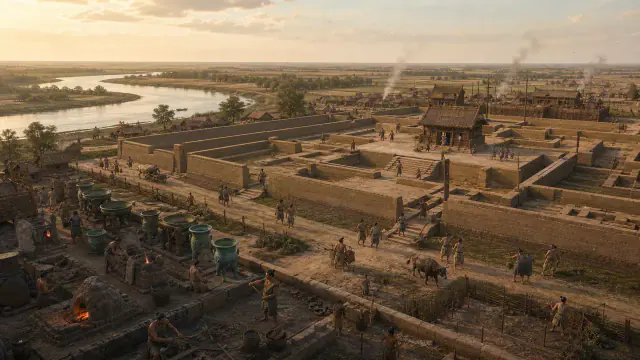
Anyang preserves numerous remains of palaces, sanctuaries and tombs from the late Shang stage.
Read the complete record →04 · 11 · LEGACY · POLITICAL TRANSITION
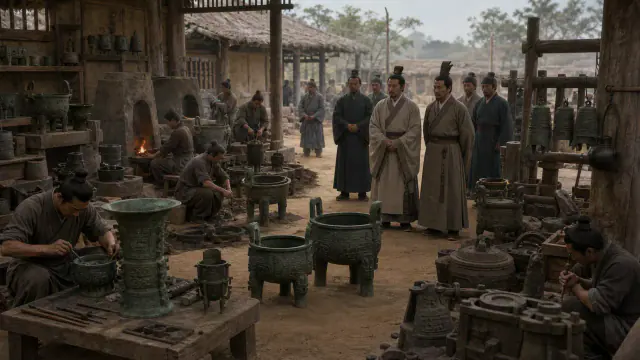
After the Zhou conquest, many techniques and forms of Shang bronzes continued to be used.
Read the complete record →05 · 12 · THRESHOLD · METHOD
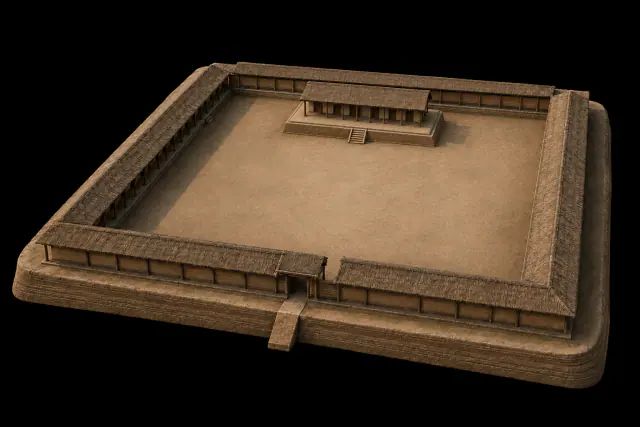
The relationship between the Erlitou site and the Xia dynasty remains a hypothesis.
Read the complete record →03 · COLLECTION
These stops distinguish instruments, ritual actions, orality or writing and visual culture. Where there is no theatre, score or certain meaning, the museum preserves the limit.
01 · LIVING AND DOCUMENTED CULTURE · 01
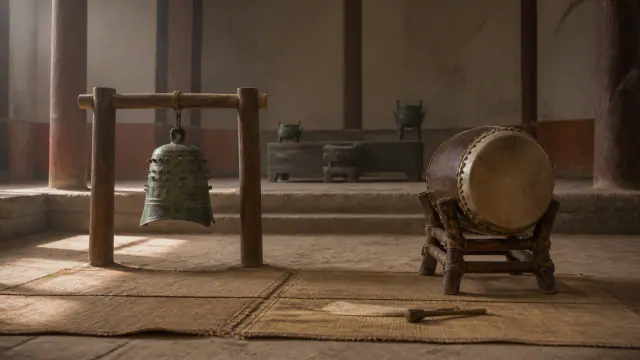
Bells and drums accompanied ceremonies; large sets of tuned bells are later than Shang.
Read the complete record →02 · LIVING AND DOCUMENTED CULTURE · 02
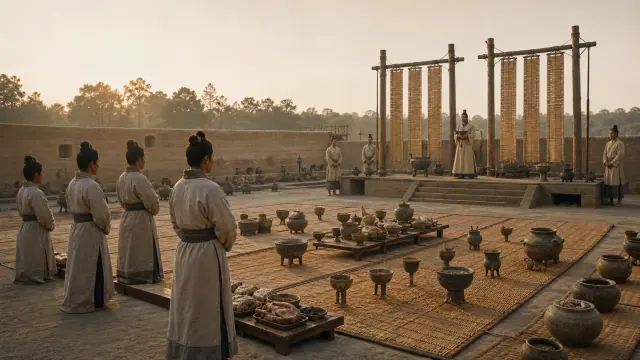
Court ceremonies combined offering vessels, music, movement and sacrifices.
Read the complete record →03 · LIVING AND DOCUMENTED CULTURE · 03
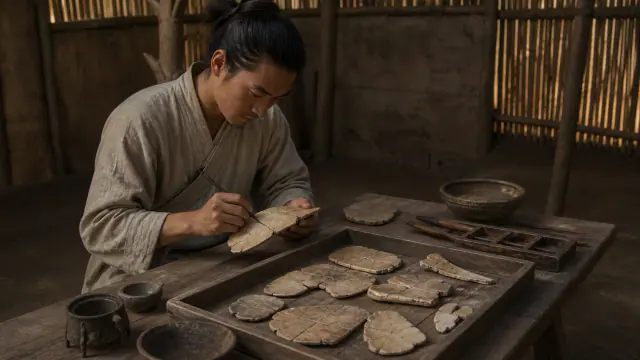
The oracle-bone inscriptions from Anyang record questions, predictions and verifications.
Read the complete record →04 · LIVING AND DOCUMENTED CULTURE · 04
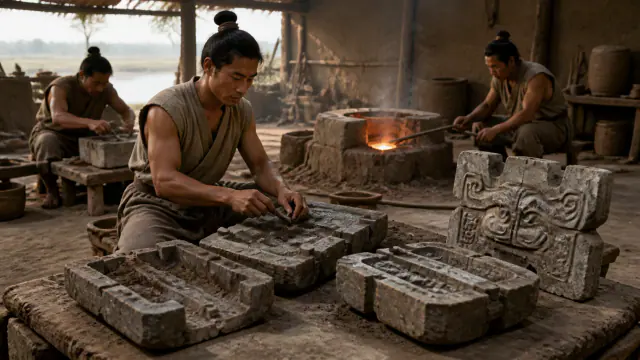
Artisans used piece moulds to cast bronze vessels with complex reliefs.
Read the complete record →04 · COLLECTION
These architectures explain how materials, water, work and memory organized the territory without converting an elevation reconstruction into certainty.
01 · ARCHITECTURE AND LANDSCAPE · 01
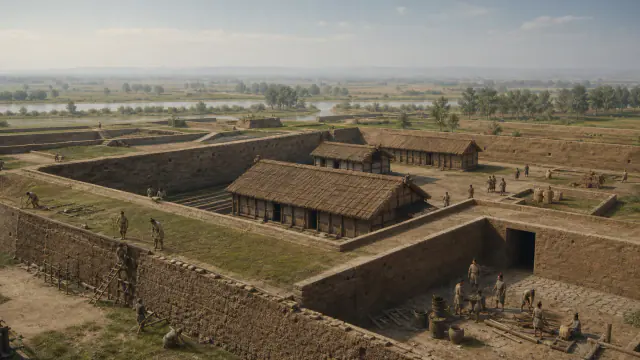
The courtyards, platforms and workshops of Erlitou show a great organisation of resources and labour.
Read the complete record →02 · ARCHITECTURE AND LANDSCAPE · 02
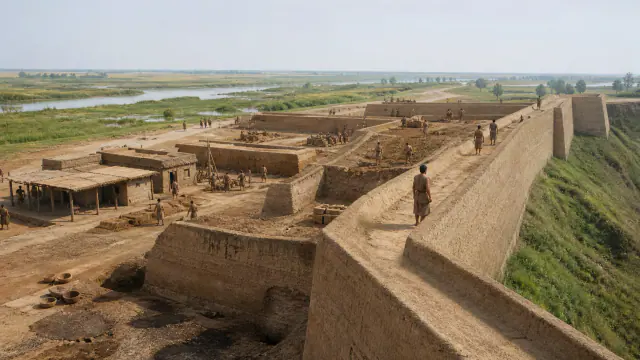
The walls and foundries of Zhengzhou allow us to study the construction and workshops of a large city.
Read the complete record →03 · ARCHITECTURE AND LANDSCAPE · 03
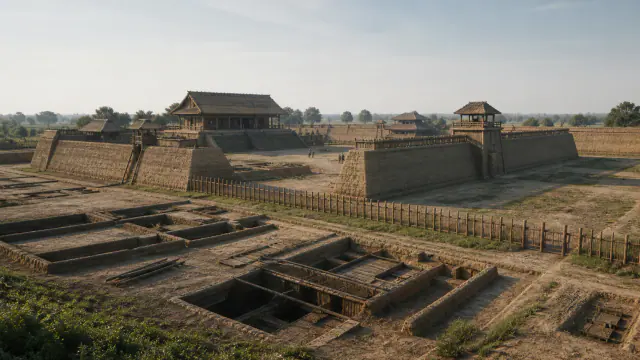
Anyang brought together enclosures, workshops, pits and royal tombs.
Read the complete record →05 · COLLECTION
Known people, reconstructed voices and collective footprints. From oldest to most recent according to life, reign or scene. The periods may overlap; The voices without a determinable date close the journey.
01 · RECONSTRUCTED PERSON · DECLARED FICTITIOUS NAME
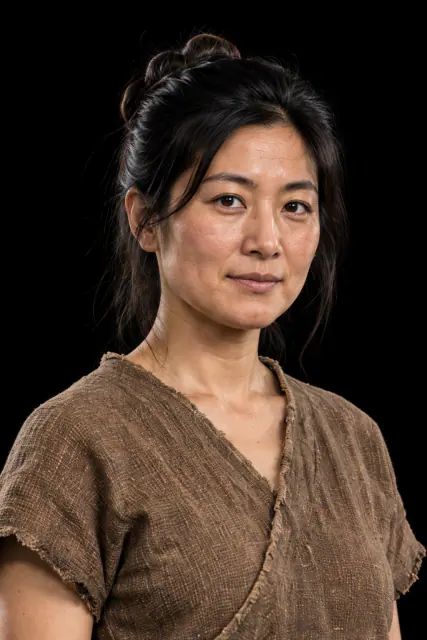
Hei is a fictional potter who allows us to understand the difficulty of manufacturing very thin-walled ceramics.
Read the complete record →02 · 09 · PERSON · YIN XU
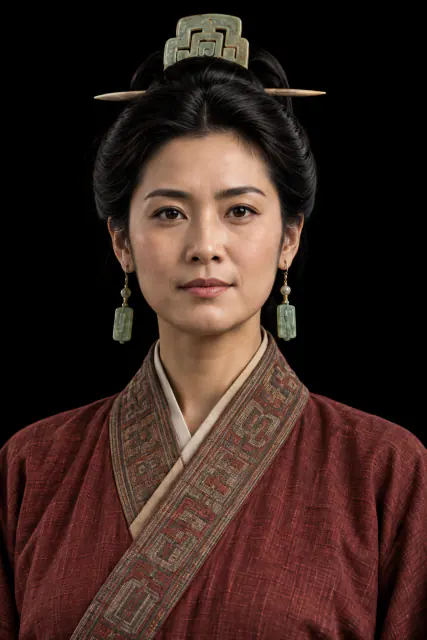
The only intact royal Shang tomb found belonged to a woman of the royal house.
Read the complete record →03 · Later historiography · Han dynasty, not Shang or Zhou period
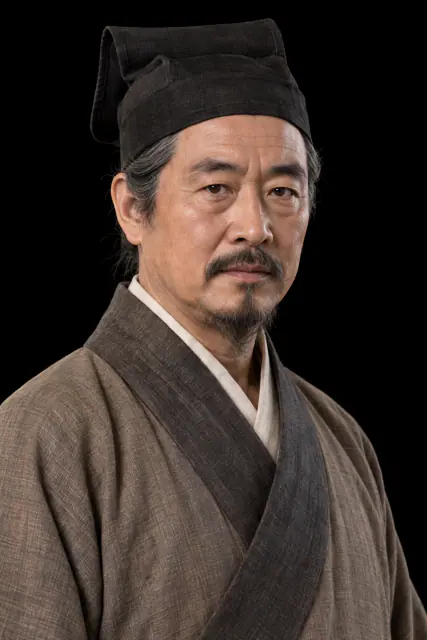
Sima Qian continued his father’s work and compiled annals, biographies, and other writings in the Shiji.
Read the complete record →04 · Later historiography · 3rd century CE, not Shang or Zhou period
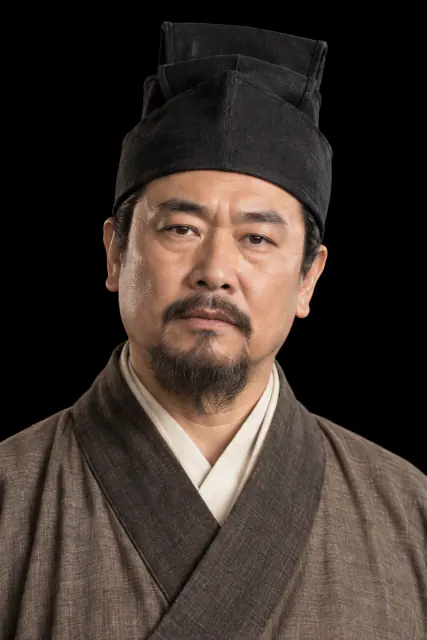
Chen Shou wrote the histories of Wei, Shu, and Wu, distinct from the later novel about the Three Kingdoms.
Read the complete record →06 · COLLECTION
Concrete pieces to understand materials, decisions and knowledge systems, with separate evidence and interpretation.
01 · 01 · OBJECT · LATE NEOLITHIC
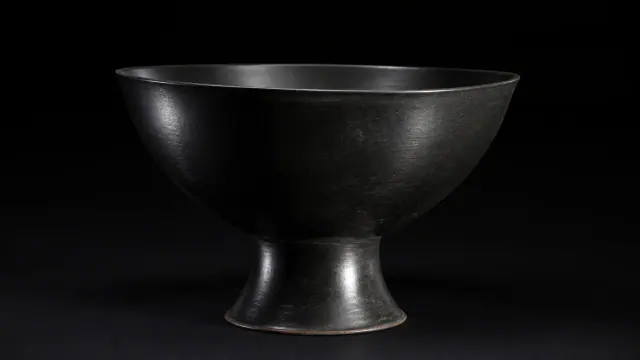
Longshan potters used the fast wheel to create very thin-walled black pottery.
Read the complete record →02 · 03 · OBJECT · ERLITOU
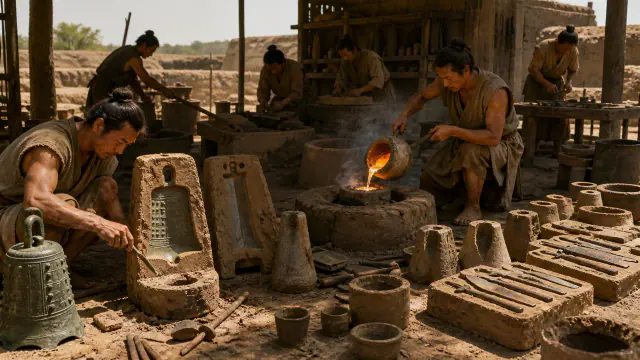
The earliest known metals at the site employed copper and several alloys, still on a smaller scale than the later great bronzes.
Read the complete record →03 · 05 · PRACTICE · SHANG TECHNOLOGY
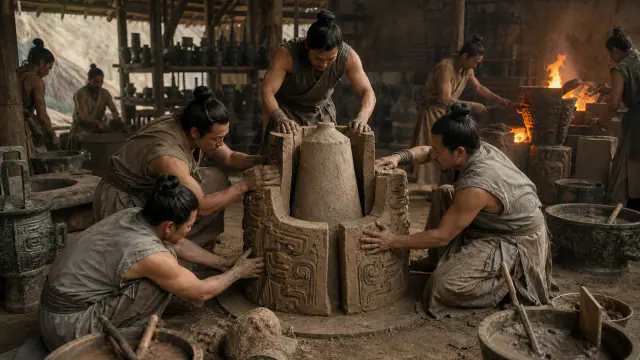
The clay mold was divided into sections to obtain the shape and decoration of the bronze vessel.
Read the complete record →04 · 06 · OBJECT · EARLY SHANG
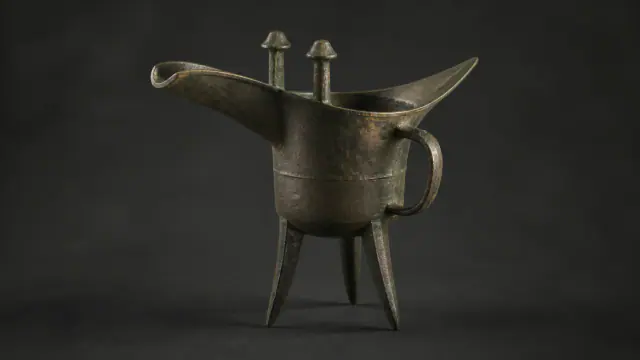
This three-legged vessel was used to heat or serve wine in ceremonies.
Read the complete record →05 · 08 · OBJECT · SHANG WRITING
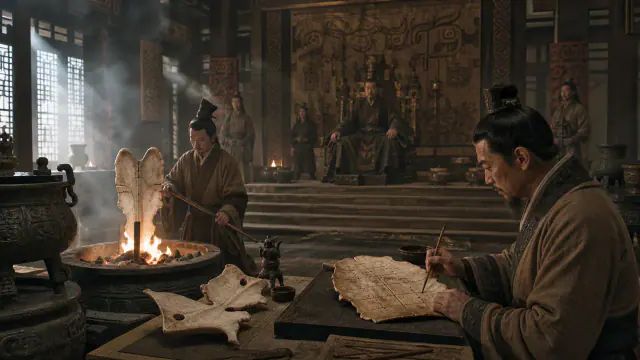
Bones and shells preserve questions and forecasts from Shang divination ceremonies.
Read the complete record →06 · 10 · OBJECT · SHANG RITUAL
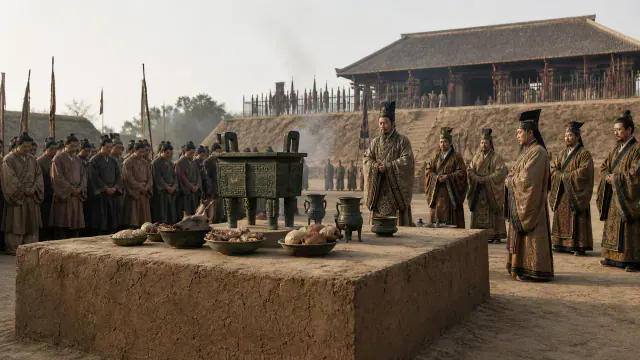
Bronze ding vessels contained food offered to ancestors.
Read the complete record →07 · TRAVELLING OBJECT · INTERCULTURAL BIOGRAPHY
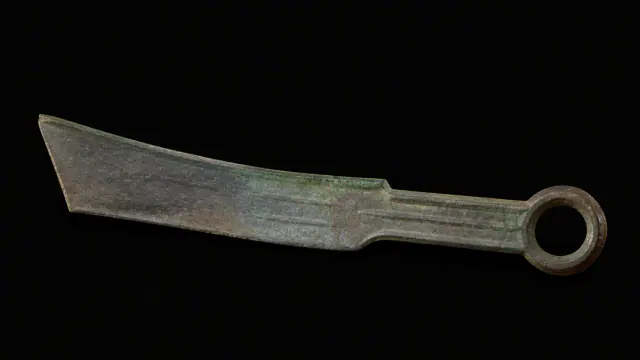
These Chinese coins circulated in the Korean sphere; finding them there does not demonstrate a conquest.
Read the complete record →08 · DOCUMENTED OUTFIT · CLOSED CONTEXT OR CONTROLLED COMPARISON
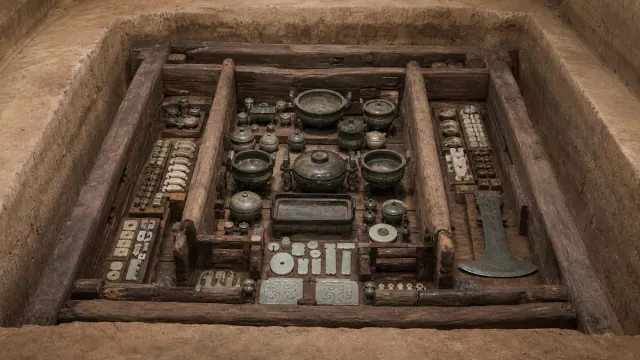
Fu Hao’s tomb preserved hundreds of bronzes, jades, weapons, and ritual vessels.
Read the complete record →07 · COLLECTION
These cards separate what is documented from what is interpreted and recover practices, questions and details capable of changing our image of this culture.
01 · BELIEFS AND CURIOSITIES · 01
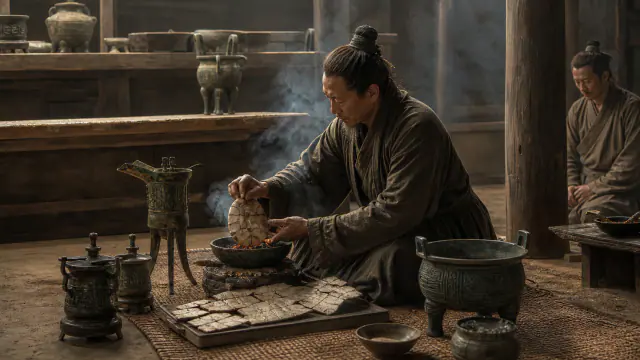
Food and drink offerings and divinatory queries related the court to its ancestors.
Read the complete record →02 · BELIEFS AND CURIOSITIES · 02
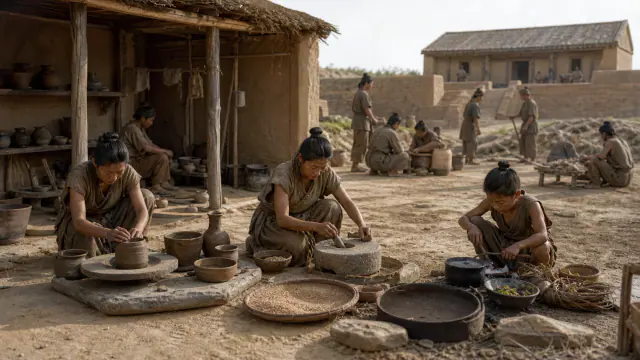
Besides luxury items, common vessels and mills were used to prepare and store food.
Read the complete record →03 · BELIEFS AND CURIOSITIES · 03
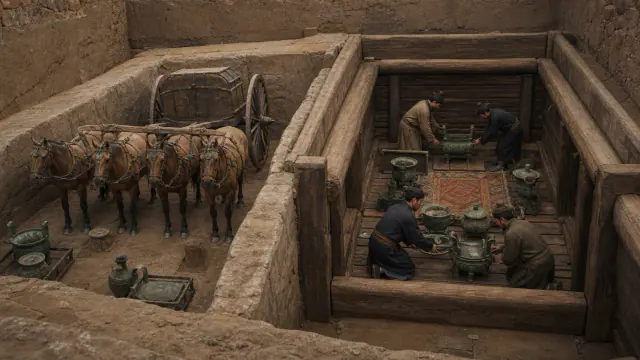
The tombs of Anyang brought together bronzes, jades, chariots and burials of sacrificed people.
Read the complete record →08 · COLLECTION
Each door explains why the link exists, when it occurred, and what limits prevent contact from being converted into shared identity.
01 · GATE 01 · ASIA · CONTACT
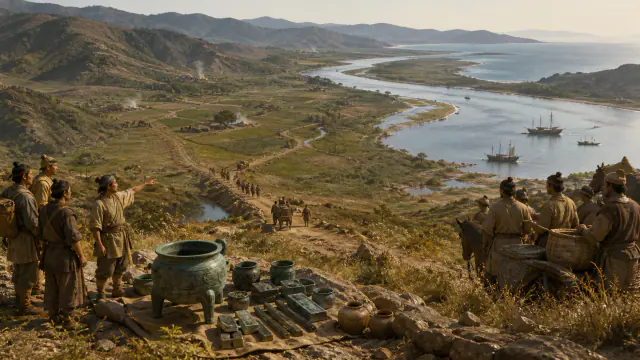
Continues at the Gojoseon Museum
Read the complete record →02 · GATE 02 · ASIA · EXCHANGE
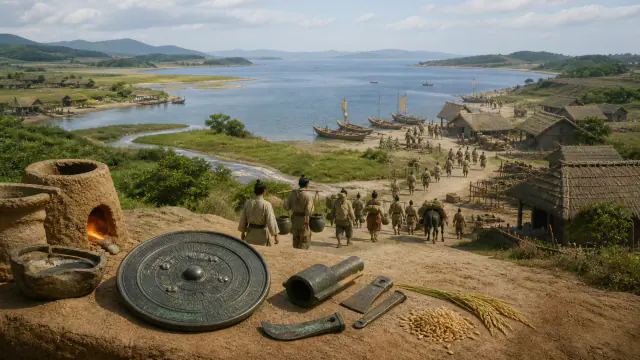
Continues at the Yayoi Museum
Read the complete record →03 · GATE 03 · EURASIA · EXCHANGE
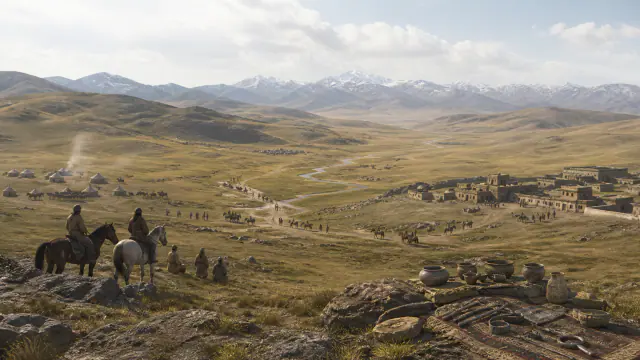
Continues at the Scythians and Saka Museum
Read the complete record →Preguntas escritas en hueso
Discover the connected fiction project. The available Prehistory reader is in Spanish; other volumes are not presented as finished products for sale.
Explore the books →Try the available Prehistory browser alpha. Campaigns for the other cultures are still in development.
Open the game (Spanish) →Use each record’s institution and heritage links to continue your research. Country-by-country historical travel guides are planned, not yet published.
Historical travel →Discover artistic designs inspired by the collections and check each product’s availability. Museum access remains free.
Explore the collection →