
 English
 Español
 Français
 Italiano
 Deutsch
 Русский
 Português
 Polski
 Română
 Svenska
 Norsk bokmål
 Suomi
 Türkçe
 العربية
 简体中文
 한국어
 हिन्दी
 Ελληνικά
DOCUMENTED OUTFIT · CLOSED CONTEXT OR CONTROLLED COMPARISON
Northern mound
Fourteen coffins beneath the Yoshinogari burial mound
Several people were buried in large jars with swords, glass beads and other valuable objects.
Museum documentation · free public access, no account required.
Generated reconstruction · Declared visual hypothesis
Declared visual reconstruction; not a photograph of the original nor documentary evidence.
History and context
Eight jars contained valuable accessories; one preserved a sword with integral hilt and beads of material originating from China.
Representative objects: Fourteen jar coffins; bronze swords, tubular glass beads, silk and later ritual ceramics.
Evidence and interpretation
Documented fact: Eight jars contained valuable accessories; one preserved a sword with integral hilt and beads of material originating from China. Mandatory caution: Successive kings and ancestral cult are interpretations based on monumentality and selection, not written names.
Catalogue facts
- Date
- 2nd–1st centuries BCE
- Location
- Yoshinogari · Saga, Kyūshū
- Complex
- Fourteen jar coffins; bronze swords, tubular glass beads, silk and later ritual ceramics
- Level
- Trousseau or funerary context with visible caution
A SHARED TOPIC, DIFFERENT MOMENTS
Objects connected through time
Follow a topic across the collections. A shared tag is a way to compare objects, not proof that one culture influenced another.
The order uses the midpoint of each approximate date range; ranges can overlap. Spacing does not represent elapsed time. Swipe, scroll or use the arrows. With the sequence focused, use ← / →, Home or End.
Funerary contexts54 dated objects
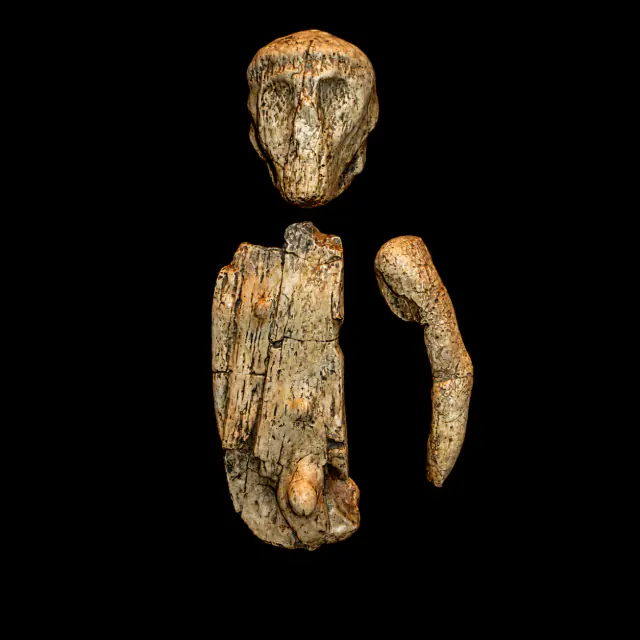
≈28,000 years cal BP · by funerary association
Brno II Articulated Figure
Prehistory
≈28,000 cal BP converted with 1950 origin; date by funerary association. An approximate scale conversion for ordering; not a new radiocarbon calibration.
Read the record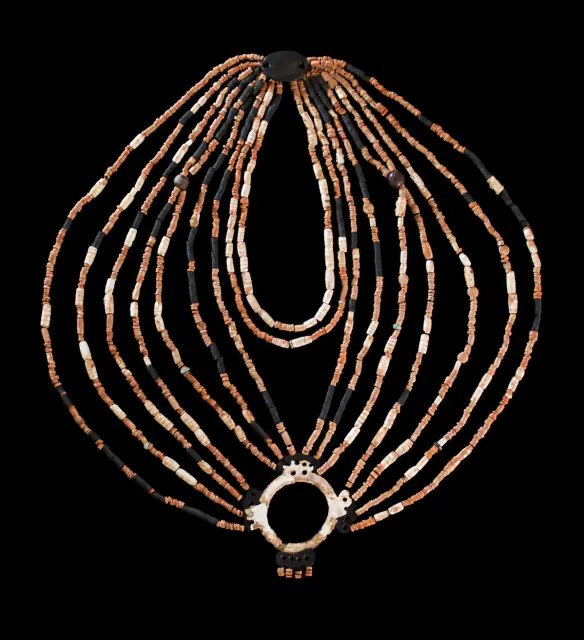
≈7250–7000 BCE
'Jamila's' necklace
Prehistory
Approximate dating according to the record.
Read the record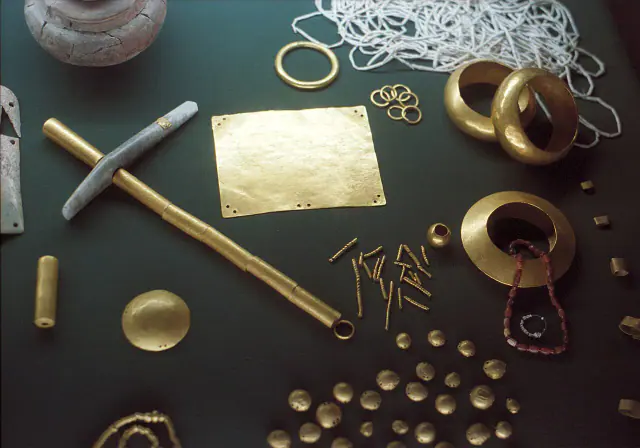
Towards 4600–4200 BCE
The Gold of Varna
Thracians
Date of the Varna funerary assemblage, not of an individual piece.
Read the record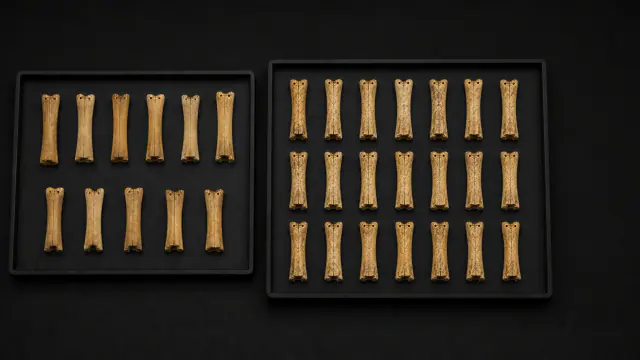
≈4000–3800 cal BCE
El Miradero spatula-idols
Prehistory
Date of the funerary assemblage.
Read the record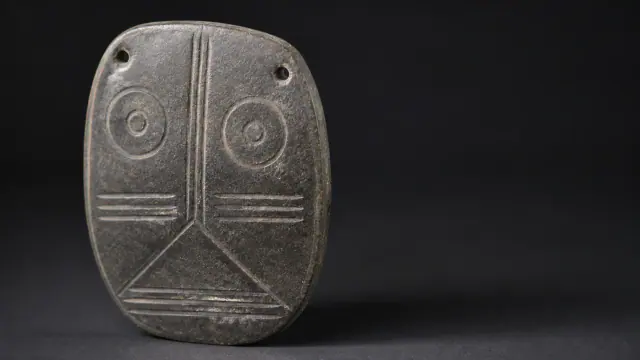
3750–2500 cal BCE
Guadancil idol-plaque
Iberians
Approximate dating according to the record.
Read the record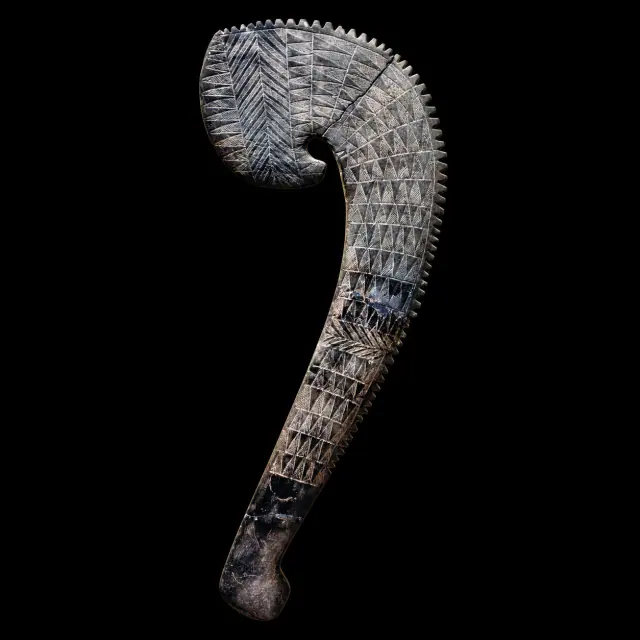
Late 4th–first half of the 3rd millennium BCE.
Staff of Anta 4
Prehistory
The full 4th–3rd millennia BCE provide broad limits for chronological ordering; the record specifies the late 4th millennium and the first half of the 3rd.
Read the record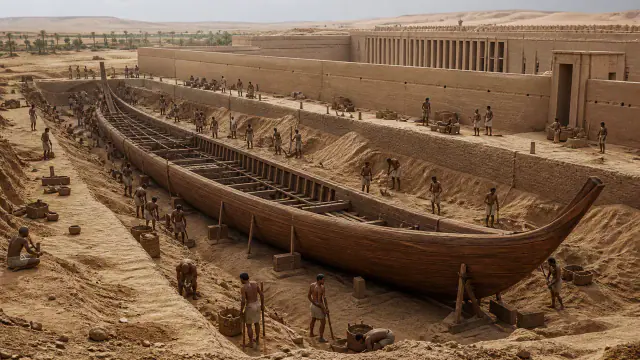
ca. 3000 BCE
Abydos Boats
Ancient Egypt
Approximate dating of the set of boats.
Read the record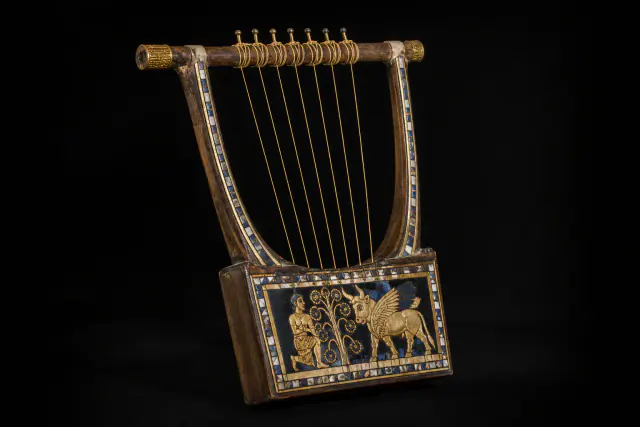
ca. 2600–2500 BCE
Queen's Lyre
Sumer
Approximate dating according to the record.
Read the record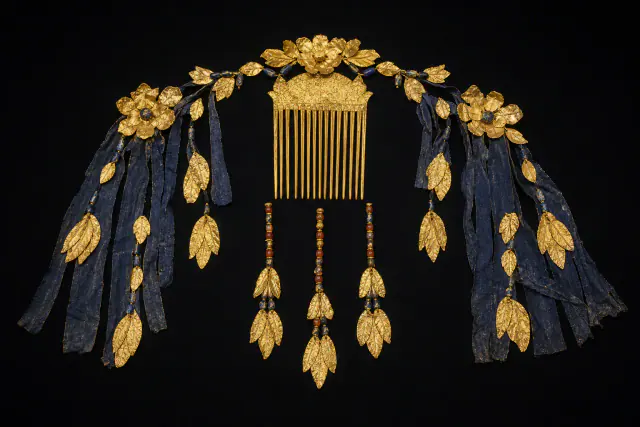
ca. 2600–2450 BCE
Puabi headdress
Sumer
Approximate dating according to the record.
Read the record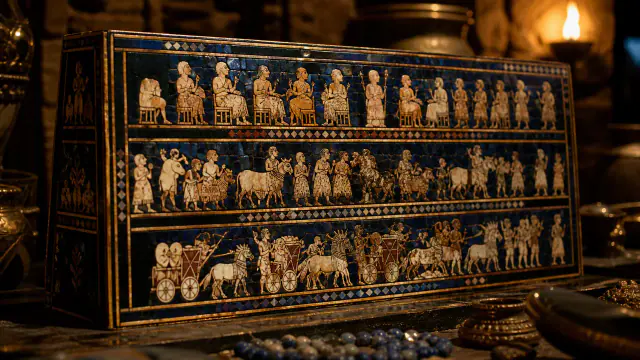
ca. 2600–2400 BCE
Standard of Ur
Sumer
Unknown function; The scenes do not prove that it was a banner.
Read the record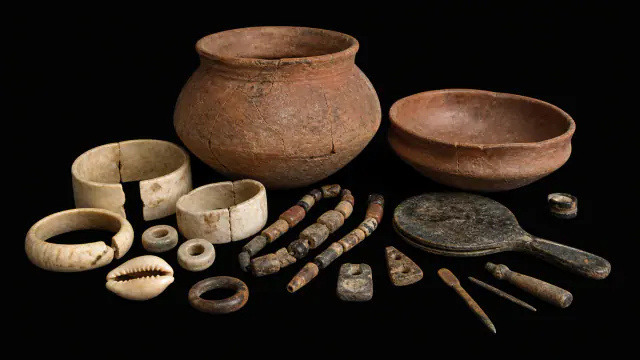
ca. 2550–2030 BCE
Cemetery R-37
Indus civilisation
Interval of the cemetery and its funerary group.
Read the record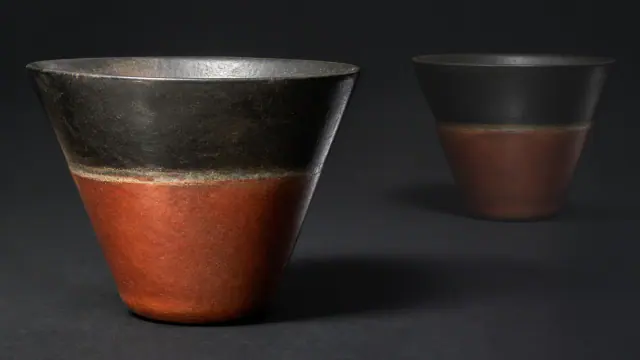
c. 1802–1640 BCE
Kerma vessel
Nubia, Kerma and Kush
Approximate dating according to the record.
Read the record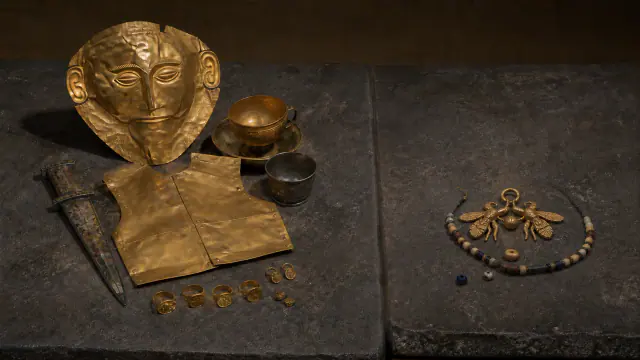
18th–16th centuries BCE
Grave Circle A and Chrysolakkos
Greek worlds
Comparative framework of different funerary assemblages.
Read the record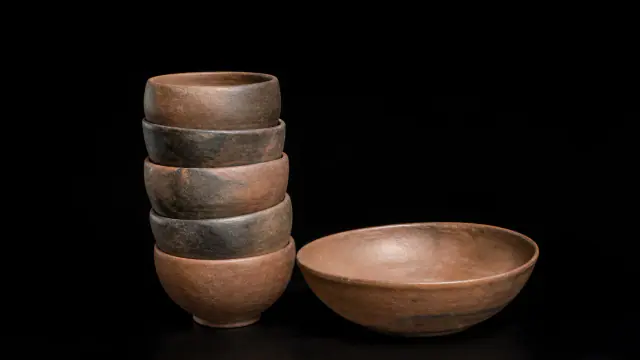
circa 1750–1550 BCE
Burial at K IV
Nubia, Kerma and Kush
Chronology of the funerary assemblage.
Read the record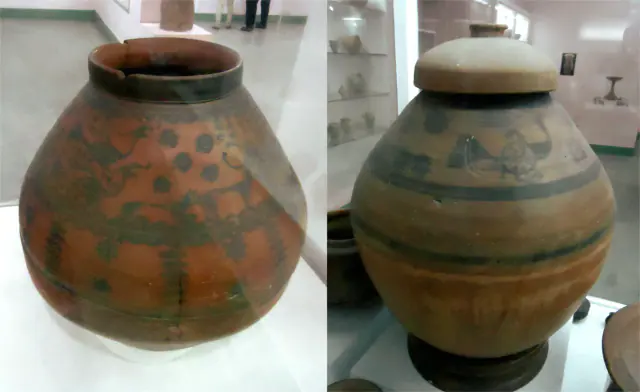
c. 1900–1300 BCE
Before Vedic India
Vedic and later Indian worlds
Approximate dating according to the record.
Read the record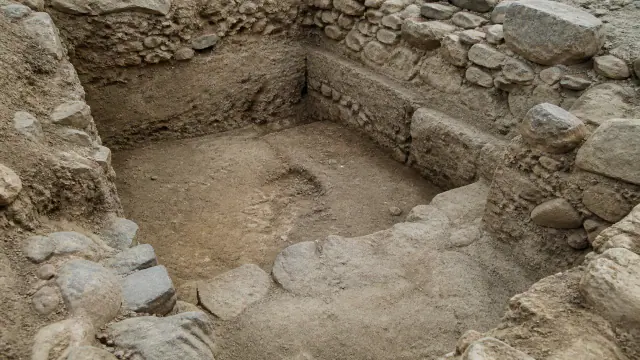
ca. 1700/1650–1200 BCE
Osmankayası and Ilıca
Hittites
The envelope of the explicit numerical alternatives is used as an orientative ordering framework: start towards 1700 or 1650 BCE and end towards 1200 BCE; framework of funerary assemblages, not a single manufacturing date.
Read the record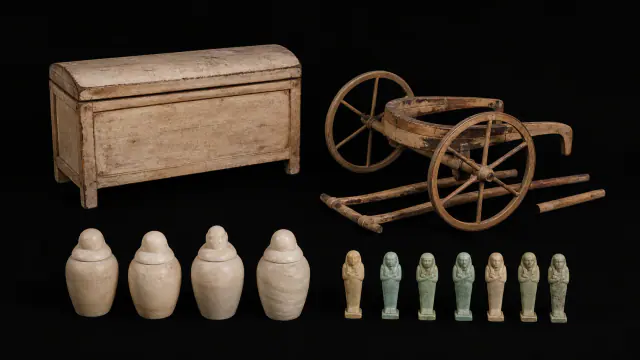
death towards 1323 BCE
Tutankhamun's grave goods
Ancient Egypt
Approximate date of burial, not date of manufacture of the entire trousseau.
Read the record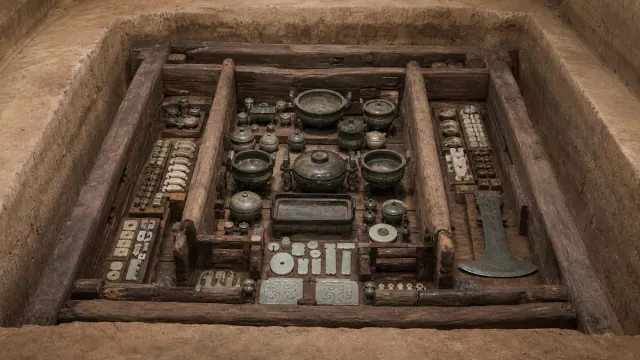
ca. 1200 BCE
Fu Hao’s burial goods
Ancient China
Approximate date of the grave goods; their objects have different histories.
Read the record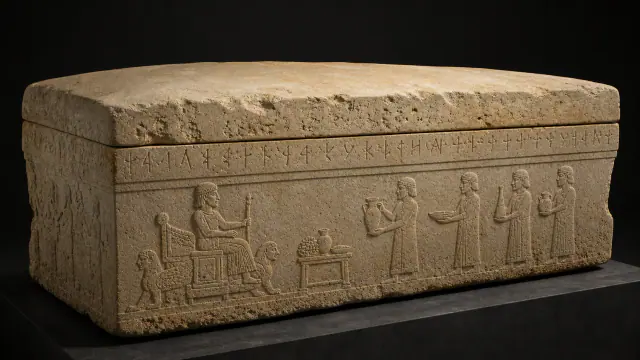
c. 11th–10th century BCE
The voice of Ahiram
Phoenicians
Approximate dating according to the record.
Read the record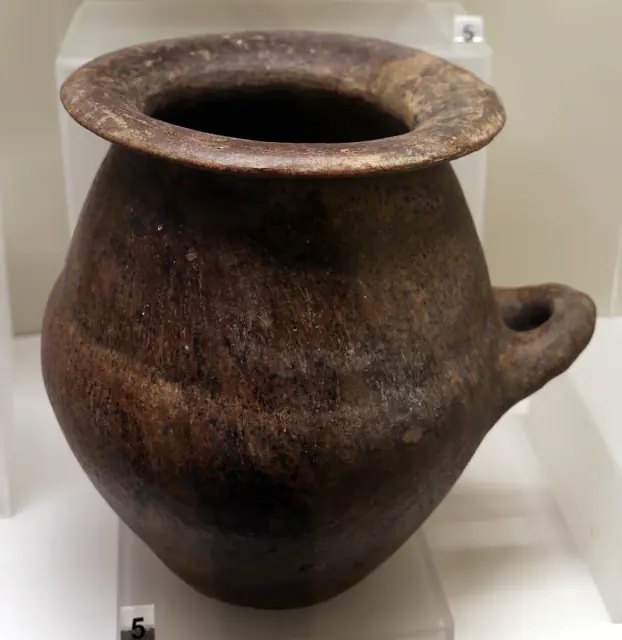
ca. 850–800 BCE
Before Etruscans and Rome
Etruscans and Rome
Approximate dating according to the record.
Read the record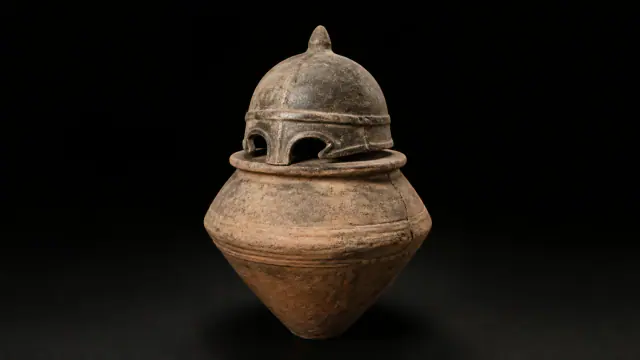
9th–8th centuries BCE
The urn under the helmet
Etruscans and Rome
Approximate dating according to the record.
Read the record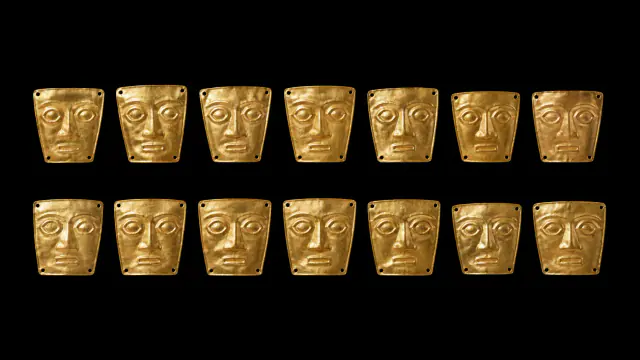
c. 800 BCE
Tomb 1 at Kuntur Wasi
Pre-Inca cultures
Approximate date of the funerary context.
Read the record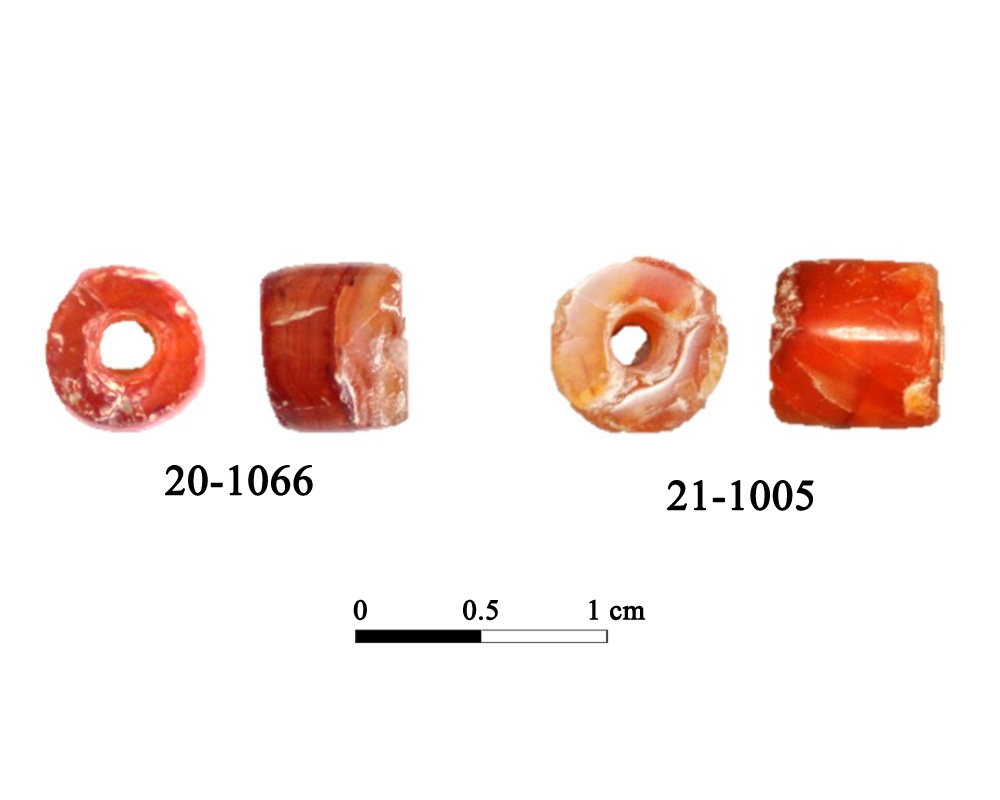
8th–7th centuries BCE · orientalizing
Beads from Cerro de los Vientos
Iberians
Chronology of the funerary context of Tomb 5, Orientalising horizon.
Read the record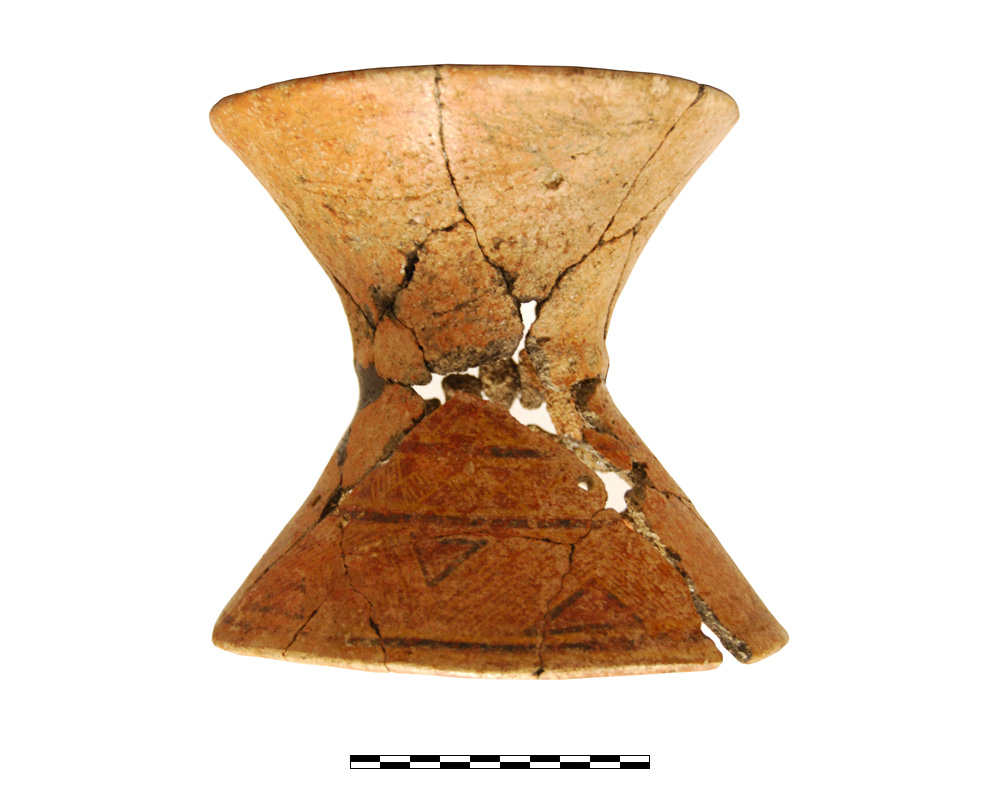
8th–7th centuries BCE · orientalizing
Ceramic stand 1010
Iberians
Chronology of the funerary context of Tomb 5, Orientalising horizon.
Read the record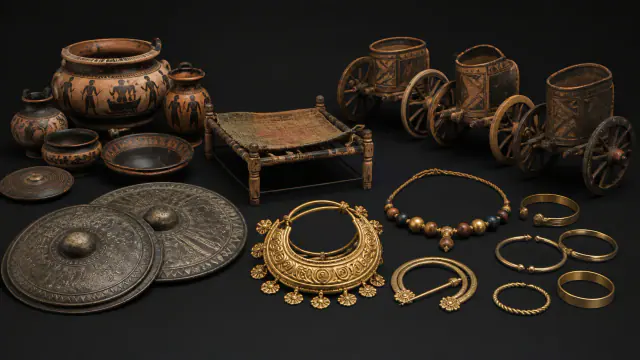
ca. 675–650 BCE
Regolini-Galassi tomb
Etruscans and Rome
Date of the funerary assemblage.
Read the record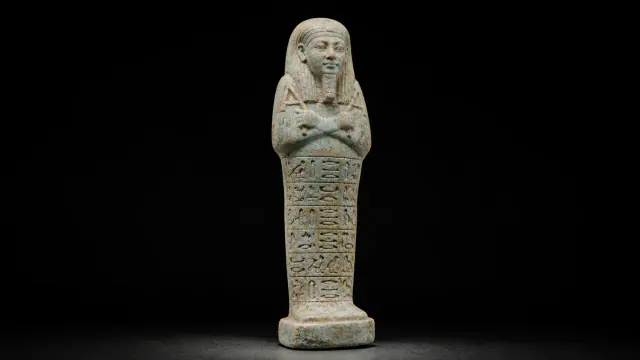
570–526 BCE
Shabti of Psamtek
Ancient Egypt
Approximate dating according to the record.
Read the record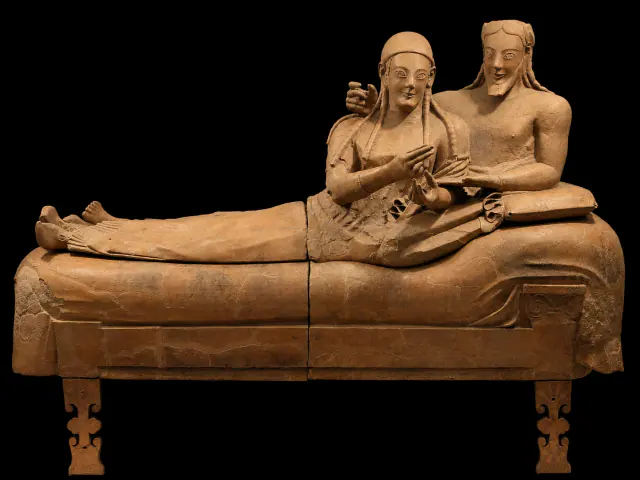
530–520 BCE
Two voices in an urn
Etruscans and Rome
Approximate dating according to the record.
Read the record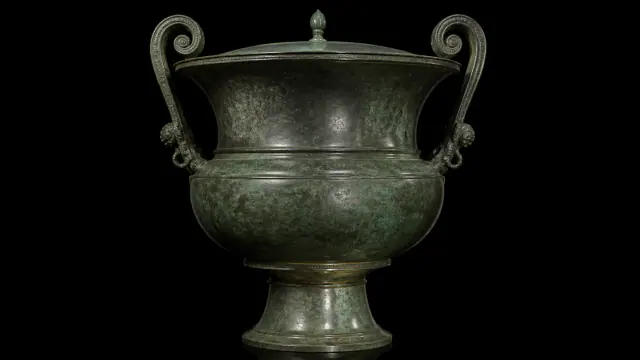
≈530–500 BCE
The great Greek krater of Vix
Greek worlds
Approximate dating according to the record.
Read the record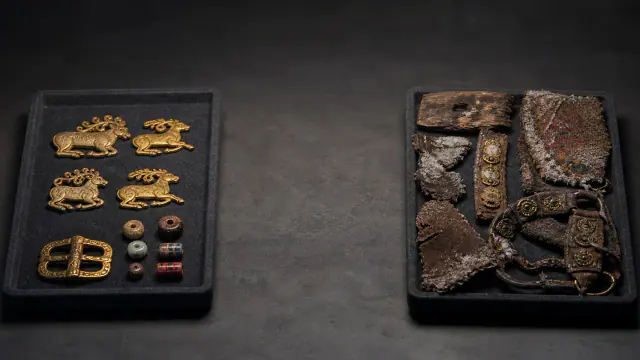
7th–4th centuries BCE
Steppe kurgans
Scythians and Saka
Comparative framework of various barrows and grave goods.
Read the record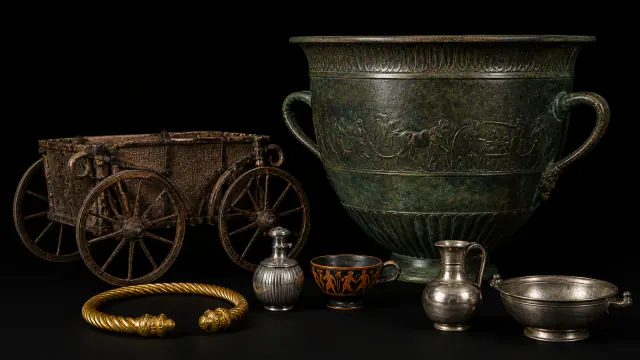
c. 500 BCE
Vix Tomb
Celtic worlds
Approximate date of the funerary assemblage.
Read the record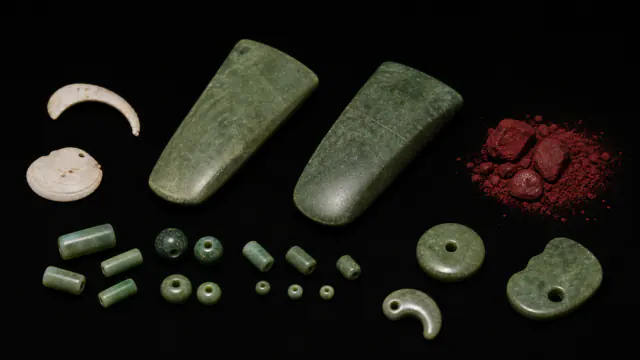
ca. 600–400 BCE
La Venta grave goods
Maya worlds
Date of the funerary assemblage.
Read the record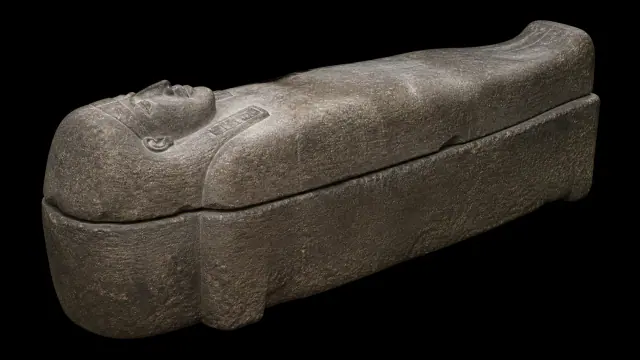
first quarter of the 5th century BCE
Sarcophagus of Eshmunazar
Phoenicians
First quarter of the 5th century BCE
Read the record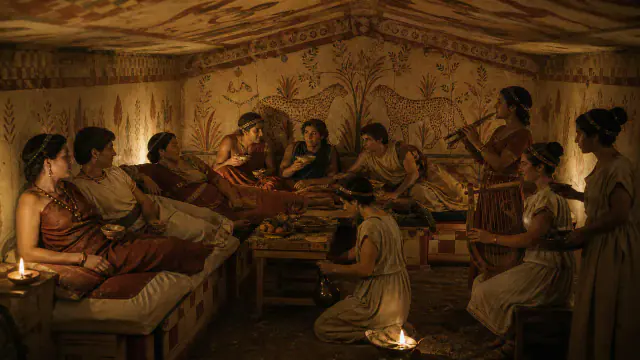
Around 480–470 BCE
Banquet under leopards
Etruscans and Rome
Approximate dating according to the record.
Read the record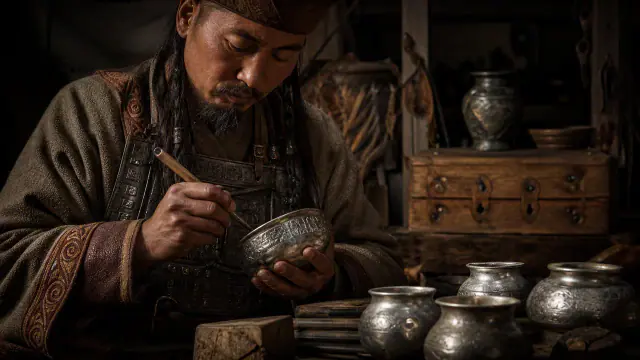
5th–4th centuries BCE
Twenty-six voiceless signs
Scythians and Saka
Approximate dating according to the record.
Read the record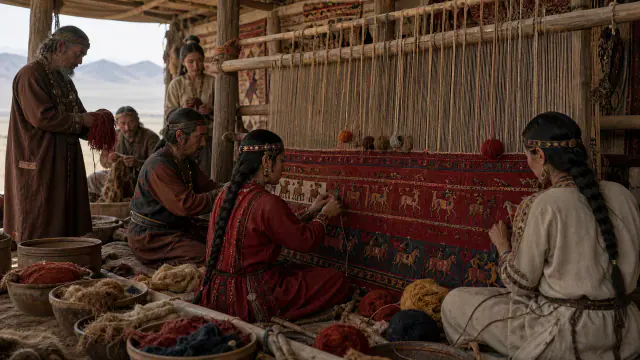
5th–4th centuries BCE
The oldest knotted carpet
Scythians and Saka
Approximate dating according to the record.
Read the record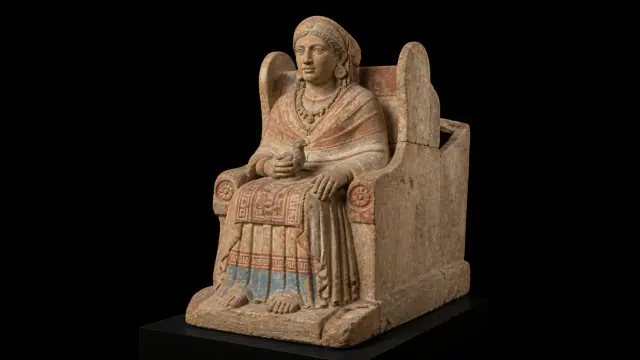
First half of the 4th century BCE
The statue was the urn
Iberians
First half of the 4th century BCE; date of the funerary context.
Read the record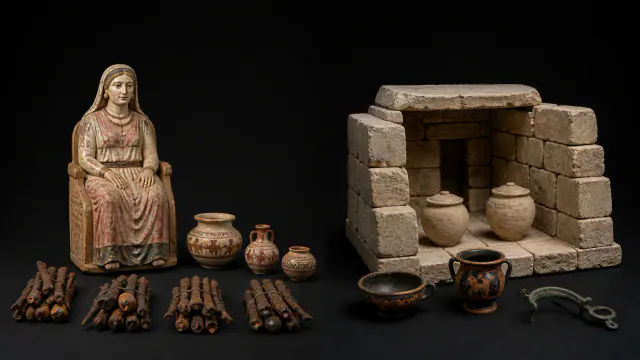
First half of the 4th century BCE
Grave goods of Baza and Toya
Iberians
First half of the 4th century BCE; date of the funerary set.
Read the record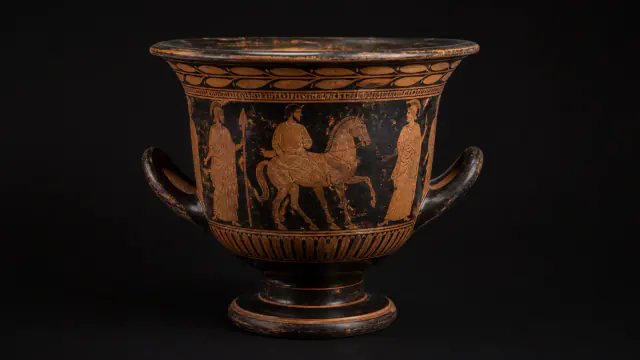
4th century BCE
The Attic krater that took on a new life in Cástulo
Greek worlds
Approximate dating according to the record.
Read the record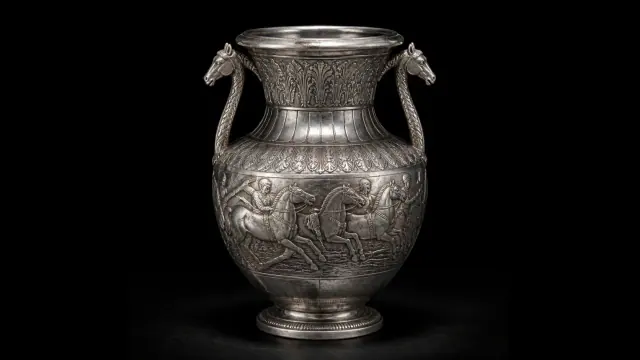
4th century BCE
The silver amphora of Chertomlyk
Greek worlds
Approximate dating according to the record.
Read the record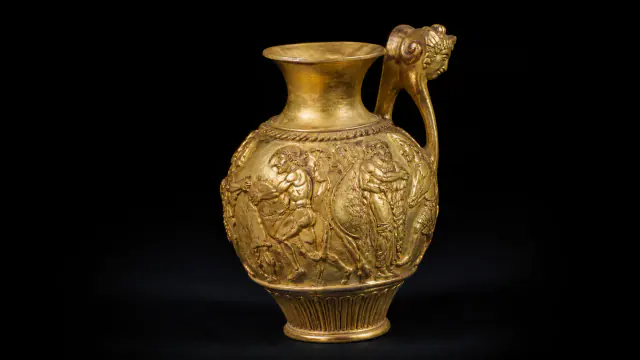
4th century BCE
The Kul-Oba vase
Greek worlds
Approximate dating according to the record.
Read the record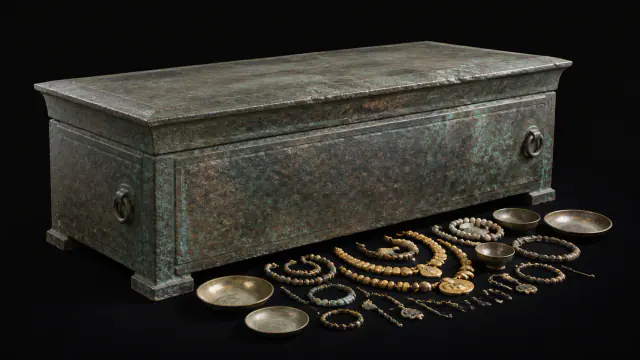
c. 350 BCE
Susa grave goods
Achaemenid Persia
Date of the funerary assemblage.
Read the record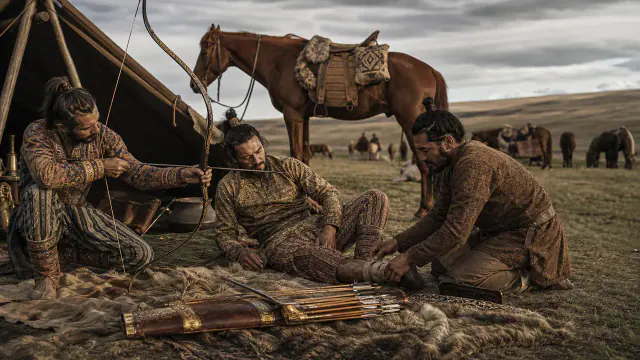
Second half of the 4th century BCE
Faces of the Steppe
Scythians and Saka
Approximate dating according to the record.
Read the record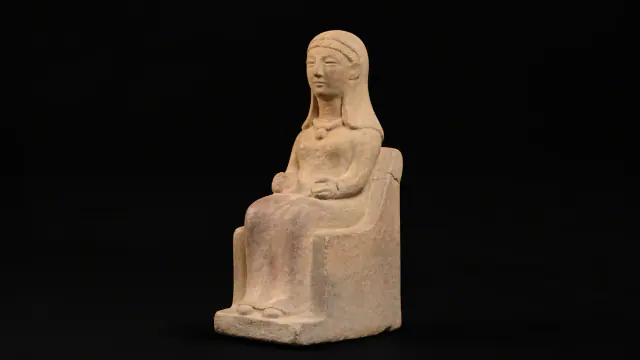
4th–3rd centuries BCE
Lady of Ibiza
Phoenicians
Approximate dating according to the record.
Read the record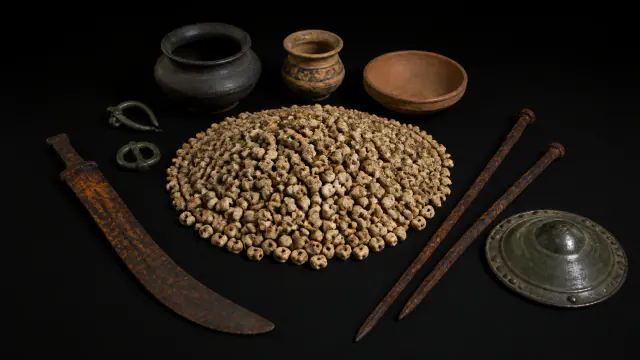
4th–3rd centuries BCE · necropolis chronology
453 astragali from Alarcos
Iberians
Funerary context chronology, not direct dating of each astragalus.
Read the record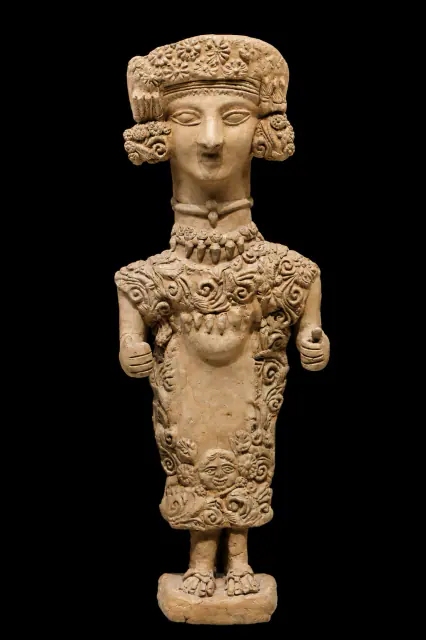
4th–3rd centuries BCE
Lady of Ibiza
Iberians
Approximate dating according to the record.
Read the record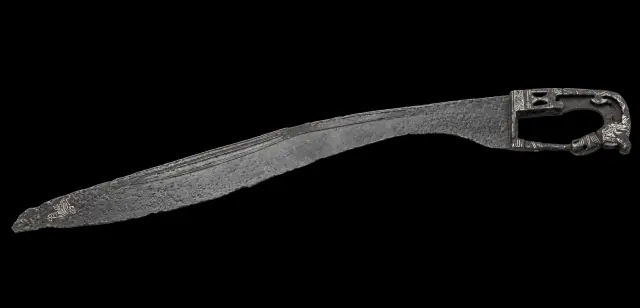
4th–3rd centuries BCE
Falcata from Almedinilla
Iberians
Approximate dating according to the record.
Read the record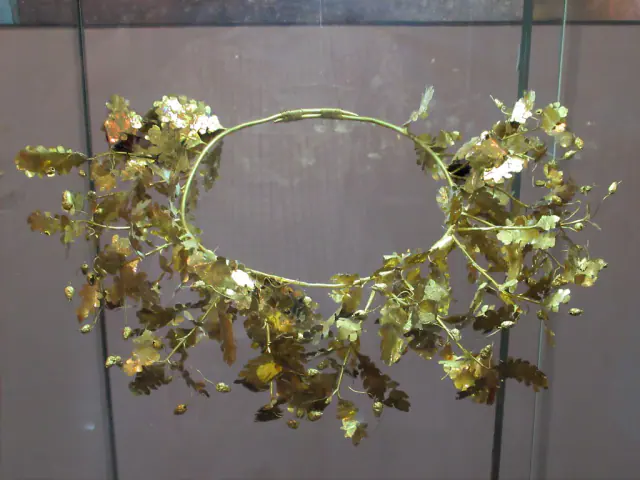
End of the 4th century – beginning of the 3rd century BCE; ritual burial at the beginning of the III according to Iskra.
Golyamata Kosmatka
Thracians
The full span of the 4th–3rd centuries BCE provides the outer bounds for chronological ordering; the record specifies the late 4th and early 3rd centuries. It does not imply that all the grave goods were made at the same time.
Read the record
5th–1st centuries BCE
Overlapping datesThe blade became straight
Gojoseon and early Korea
Typological framework of production and deposits.
Read the record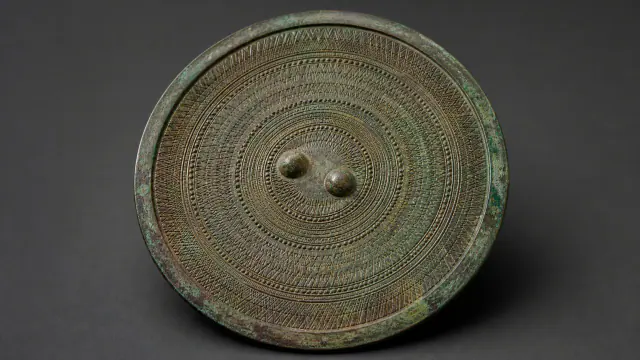
3rd–2nd centuries BCE
Overlapping datesGeometry in very fine lines
Gojoseon and early Korea
Approximate dating according to the record.
Read the record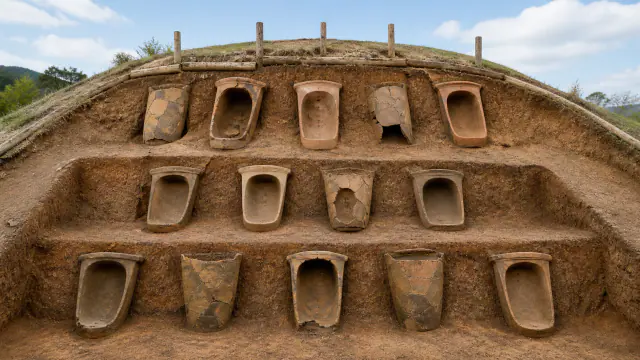 You are viewing
2nd–1st centuries BCE
Northern mound
Yayoi Japan
Date of the funerary assemblage.
Current record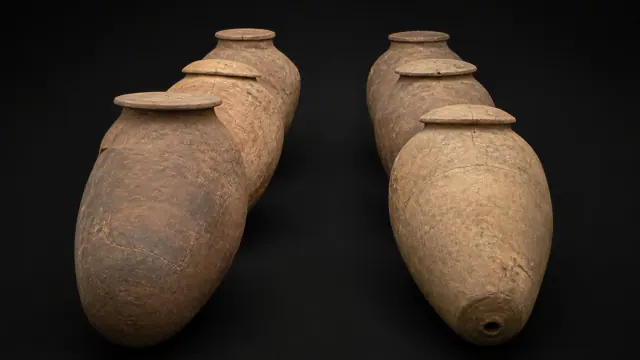
Mainly Middle Yayoi, 2nd century BCE–1st century CE
Overlapping datesTwo rows of coffins
Yayoi Japan
Framework of the cemetery and its ceramic coffins.
Read the record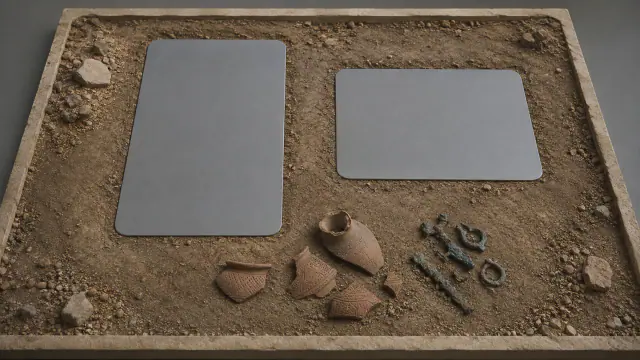
ca. 400 CE
Kabusanza, ca. 400
Batwa / Twa histories
Approximate date of the Kabusanza context; no automatic ethnic attribution.
Read the record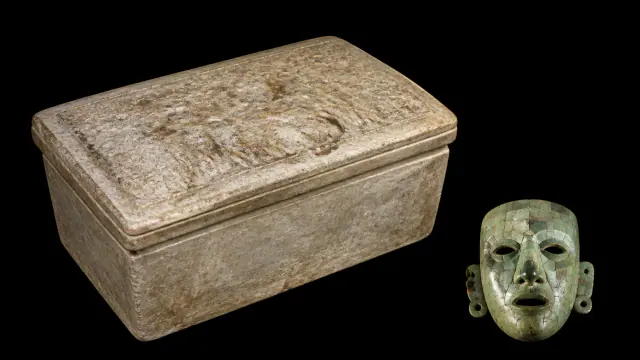
sealed on 28 August 683 CE
Pakal’s grave goods
Maya worlds
Date of tomb sealing; not manufacture of all grave goods pieces.
Read the record
13th–15th centuries according to the heritage overview
Missing grave goods
Bantu-speaking worlds
Date range of the burial assemblage; incomplete individual inventories.
Read the record
Also connected, without a comparable date (10)
These objects are not placed after the others: an unknown date does not mean a more recent object.
- A Kerma vessel deposited at AbydosAncient Egypt · Second Intermediate Period
- A vase travels; the rite changesIberians · No individual dating published on this record
- CemeteryIndus civilisation · ca. 2600–1900 BCE
- Daegok-ri grave goodsGojoseon and early Korea · from c. 5th century BCE
- Four panopliesIberians · No individual dating published on this record
- Livestock and moundsNubia, Kerma and Kush · c. 2050–1500 BCE
- Shum LakaBantu-speaking worlds · c. 8,000 and 3,000 years before present
- The quarry remained visibleGojoseon and early Korea · Mainly 6th–5th centuries BCE
- Three hundred lives in the sandYayoi Japan · Mainly 4th century BCE–3rd century CE
- Urns from AdichanallurVedic and later Indian worlds · Iron Age · samples towards 665 and 467 BCE
A closer look
About 1 min to read · 1 section. Further reading and sources · free access. Editorial review recorded: .
Rituals after the last burial
The northern mound at Yoshinogari measured approximately forty metres north to south, more than twenty-seven metres east to west and about four and a half metres in height. Abundant ceremonial pottery from phases later than the main burials was found to the east. The chronological difference allows proposing visits and ritual acts when the monument was no longer receiving new burials. It is a material clue for studying the memory of the dead: not only does the grave goods placed inside each jar matter, but also what later generations did around the mound.
- Heritage · Yoshinogari Historical Park · Northern Burial Mound guideAccess recorded: .
Location and territory
LOCATED SITE
Yoshinogari · JapanMarker of the Yayoi settlement.Sources and references
Did you enjoy this exhibit?
Your opinion helps us improve the museum. You can change it whenever you like.
Loading your rating…