
 English
 Español
 Français
 Italiano
 Deutsch
 Русский
 Português
 Polski
 Română
 Svenska
 Norsk bokmål
 Suomi
 Türkçe
 العربية
 简体中文
 한국어
 हिन्दी
 Ελληνικά
PRE-ROMAN GOLDSMITHING · GUADALQUIVIR VALLEY
Mairena Hoard
Someone chose what to hide during a crisis
The hoard brings together jewellery and vessels, but we do not know who hid them or why.
Museum documentation · free public access, no account required.
Documentary original · Exact correspondence
Documentary photograph of the original or the exact site.
José Luiz · Own work · Inventory: Bracelet - Mairena Treasury - 3rd-1st cent. b.C. - Seville - Museo Arqueológico de Sevilla (4) · CC BY-SA 3.0
History and context
The assemblage brings together gold and silver jewellery and associated vessels, with torcs, bracelets, diadem, fibula, belt, bracelet, ring, bulla and pendant. Local techniques coexist with Mediterranean and central European influences.
It was hidden in a moment of pre-Roman instability. We do not know who gathered the pieces or whether they expected to recover them; this absence prevents closing the narrative and allows asking what it meant to save wealth, dress and memory when the political order was changing.
Historical inventories count composite pieces and vessels differently, so the museum links the catalogue object by object and avoids turning a popular total into absolute certainty.
Evidence and interpretation
Documented fact: pre-Roman assemblage conserved by the Seville Archaeological Museum, materials, techniques and individual inventories. Interpretation and caution: aggregated number, exact date of concealment and direct relation to a specific conflict require nuance.
Catalogue facts
- Narrative date
- 3rd century BCE
- Location
- Mairena del Alcor (Seville)
- Material
- Gold and silver · jewellery and tableware
- Context
- Pre-Roman concealment
- Classification
- Iberian collection or explicit interpretive resource
- Visual reference
- Inventory photographs of the Seville Archaeological Museum in CER.ES
A SHARED TOPIC, DIFFERENT MOMENTS
Objects connected through time
Follow a topic across the collections. A shared tag is a way to compare objects, not proof that one culture influenced another.
The order uses the midpoint of each approximate date range; ranges can overlap. Spacing does not represent elapsed time. Swipe, scroll or use the arrows. With the sequence focused, use ← / →, Home or End.
Gold32 dated objects
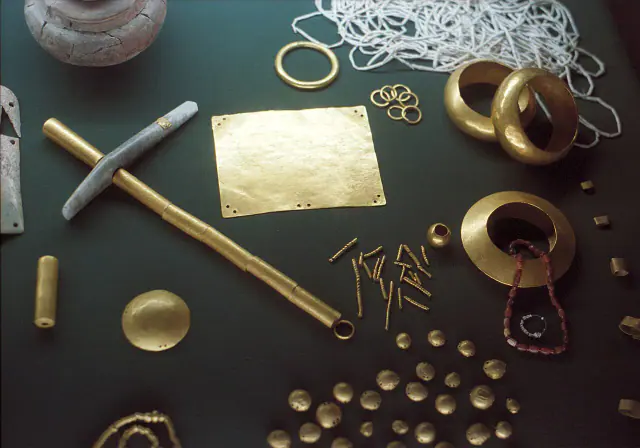
Towards 4600–4200 BCE
The Gold of Varna
Thracians
Date of the Varna funerary assemblage, not of an individual piece.
Read the record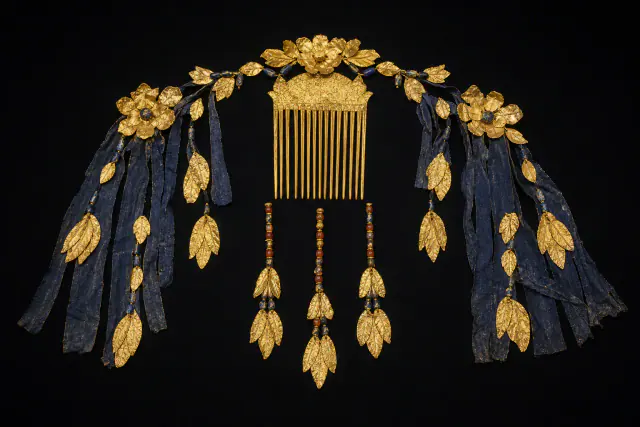
ca. 2600–2450 BCE
Puabi headdress
Sumer
Approximate dating according to the record.
Read the record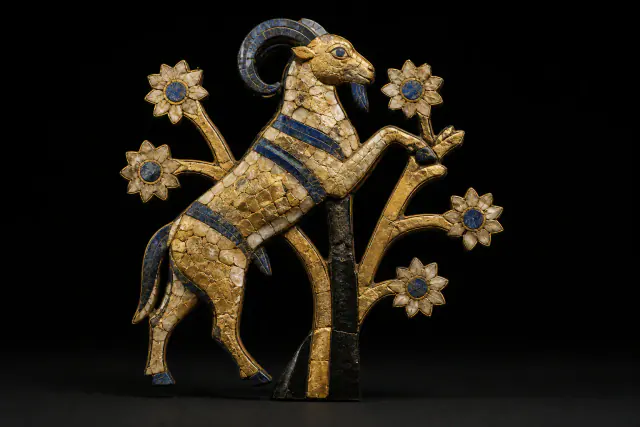
ca. 2600–2400 BCE
The goat from PG 1237
Sumer
The function as support is not resolved.
Read the record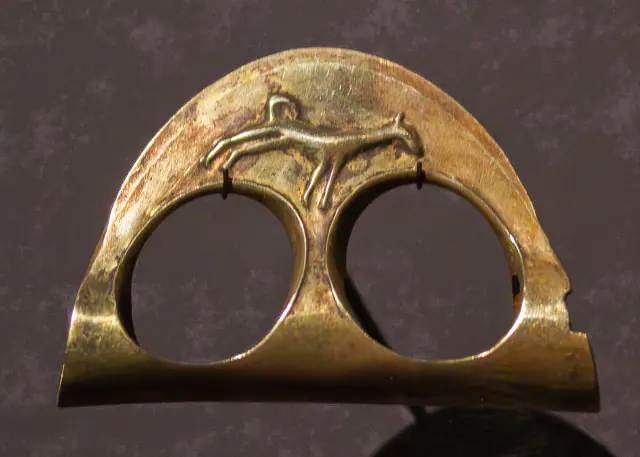
20th–18th centuries BCE
Before Phoenicia
Phoenicians
Approximate dating according to the record.
Read the record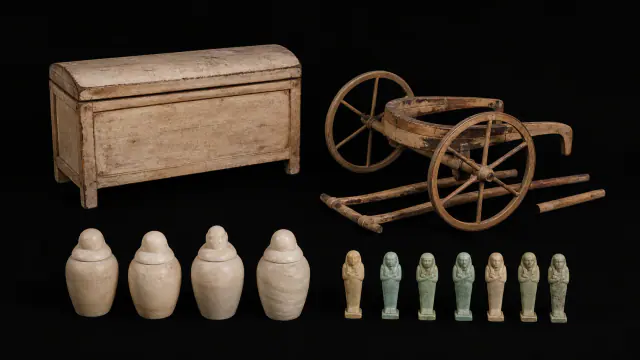
death towards 1323 BCE
Tutankhamun's grave goods
Ancient Egypt
Approximate date of burial, not date of manufacture of the entire trousseau.
Read the record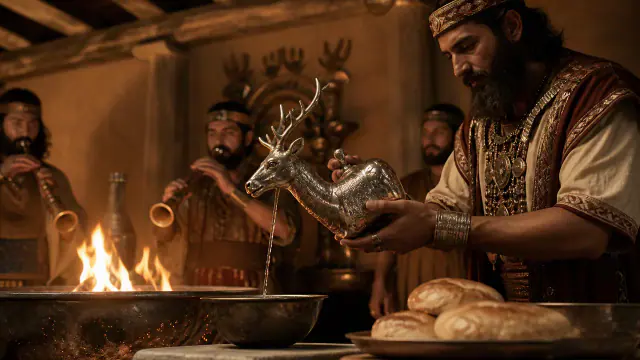
14th–13th centuries BCE
Stag Vessel
Hittites
Approximate dating according to the record.
Read the record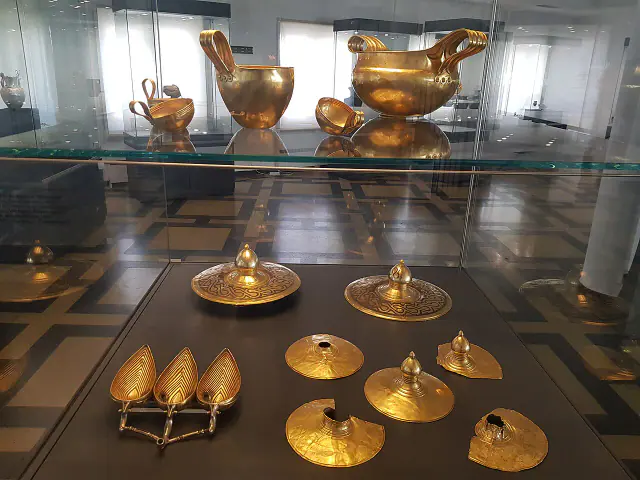
second half of the 14th century–beginning of the 13th century BCE, according to NAIM; other publications use wider intervals from the Late Bronze.
Valchitran
Thracians
The full 14th–13th centuries BCE provide broad limits for chronological ordering; the record specifies the second half of the 14th and early 13th century according to NAIM; other chronologies for the assemblage are broader.
Read the record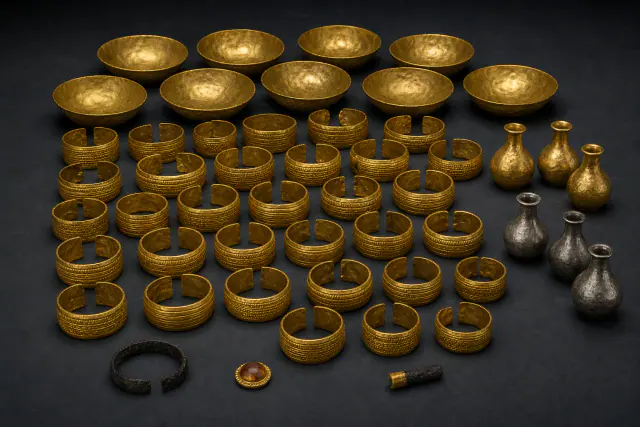
Final Bronze, c. 1000 BCE
Before the Iberias
Iberians
Date of the treasure, not of the preceding general period.
Read the record
c. 800 BCE
Tomb 1 at Kuntur Wasi
Pre-Inca cultures
Approximate date of the funerary context.
Read the record
c. 721–664 BCE
Kushite king
Nubia, Kerma and Kush
Interval attributed to the specimen in the catalogue.
Read the record
c. 800–550 BCE
Gold at Kuntur Wasi
Pre-Inca cultures
Approximate dating according to the record.
Read the record
ca. 675–650 BCE
Regolini-Galassi tomb
Etruscans and Rome
Date of the funerary assemblage.
Read the record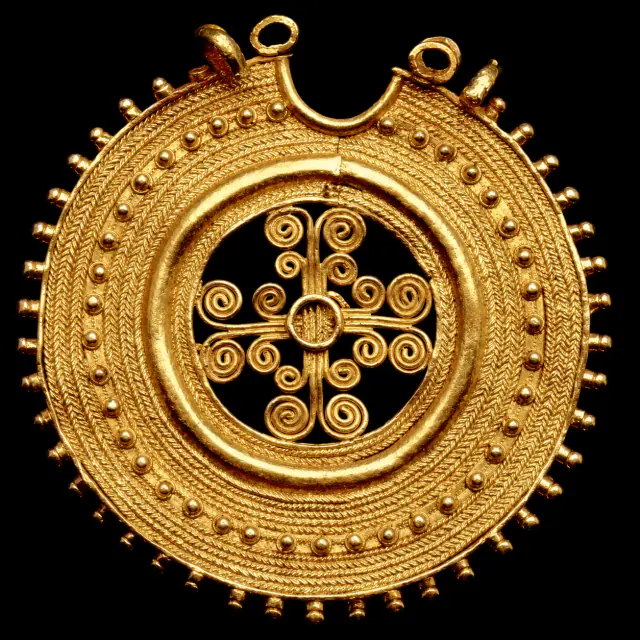
6th century BCE
Condomina Earring
Iberians
Approximate dating according to the record.
Read the record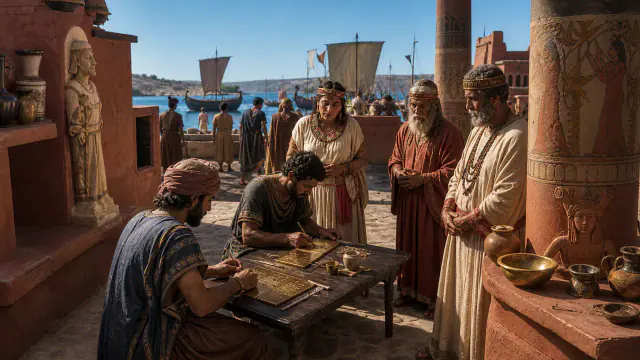
Towards 510 BCE
Uni was also Astarte
Etruscans and Rome
Approximate dating according to the record.
Read the record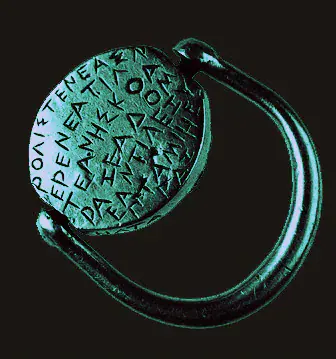
5th century BCE · chronology discussed in the bibliography
Ezerovo Ring
Thracians
The attribution to the 5th century BCE is discussed.
Read the record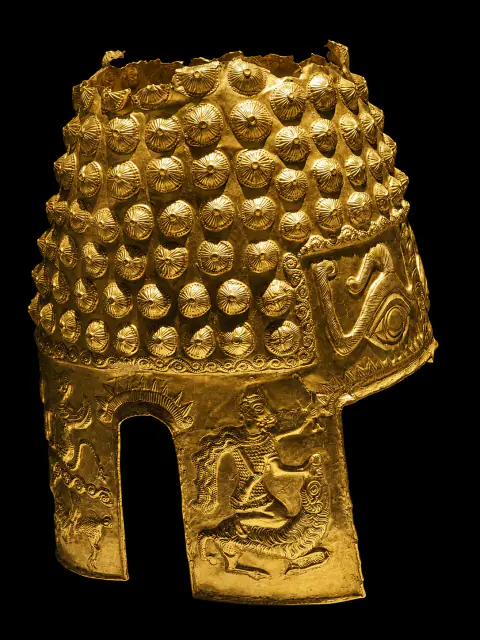
Second half of the 5th century – beginning of the 4th century BCE
Coțofenești helmet
Thracians
The full 5th–4th centuries BCE provide broad limits for chronological ordering; the record specifies the second half of the 5th and early 4th century.
Read the record
Early 4th century BCE
A battle on a comb
Scythians and Saka
The fourth century BCE is used in its full extent as an outer ordering framework; the entry specifies the beginning.
Read the record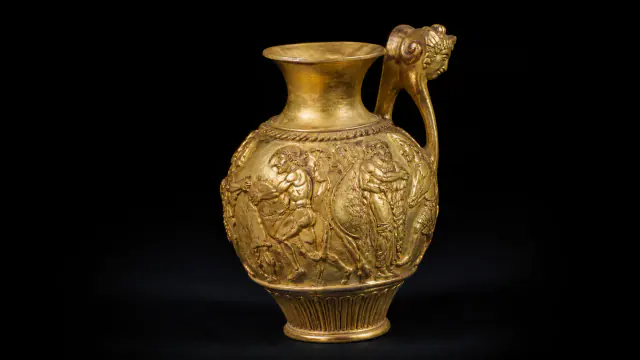
4th century BCE
The Kul-Oba vase
Greek worlds
Approximate dating according to the record.
Read the record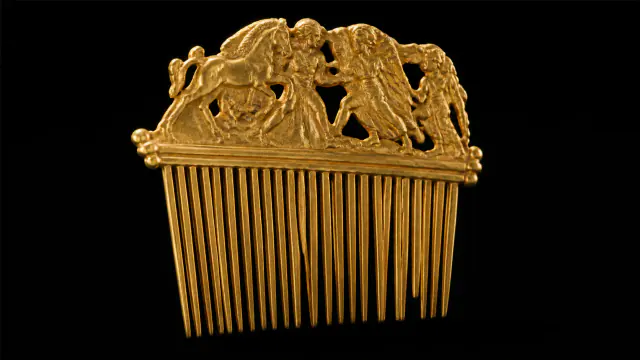
4th century BCE
The Solokha gold comb
Greek worlds
Approximate dating according to the record.
Read the record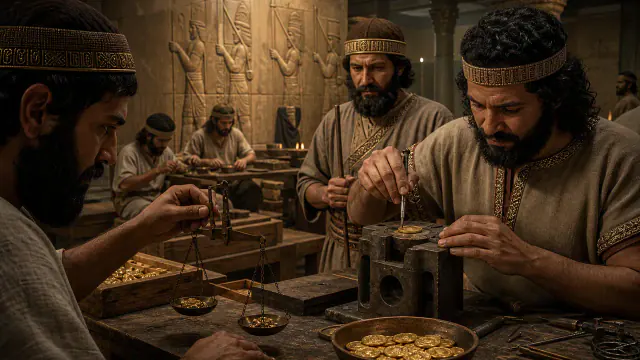
Type introduced from the late 6th century; specimen from the 4th century BCE.
The archer in gold
Achaemenid Persia
Century of the specimen; not an earlier introduction date of the type.
Read the record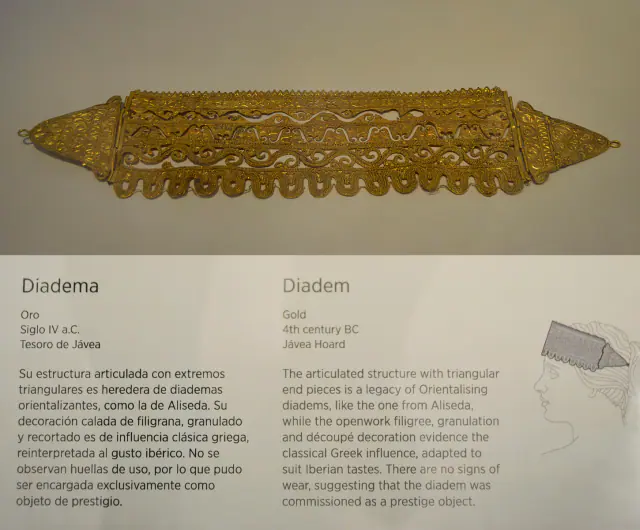
4th century BCE
Treasure of Jávea
Iberians
Approximate dating according to the record.
Read the record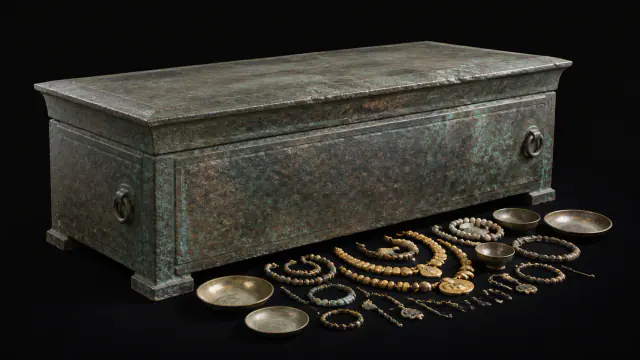
c. 350 BCE
Susa grave goods
Achaemenid Persia
Date of the funerary assemblage.
Read the record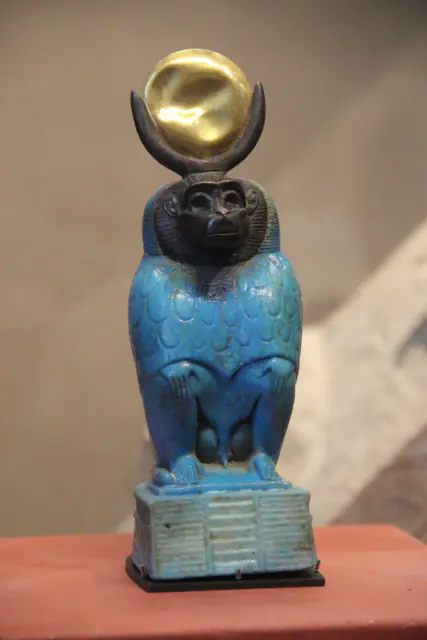
664–30 BCE
Overlapping datesThoth in the form of a baboon
Ancient Egypt
Approximate dating according to the record.
Read the record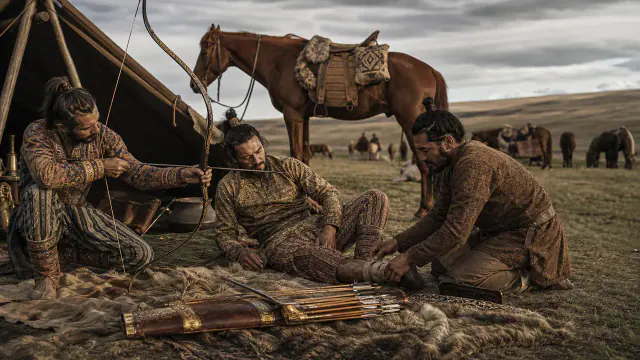
Second half of the 4th century BCE
Faces of the Steppe
Scythians and Saka
Approximate dating according to the record.
Read the record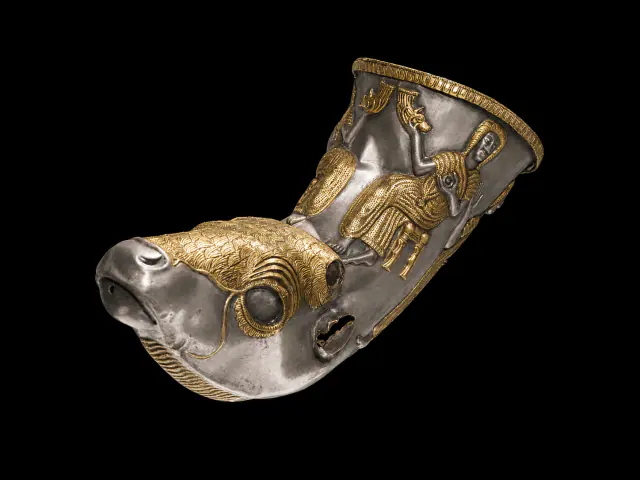
Second half of the 4th century BCE
Poroina Mare Rhyton
Thracians
Second half of the 4th century BCE; the specific ritual is not known.
Read the record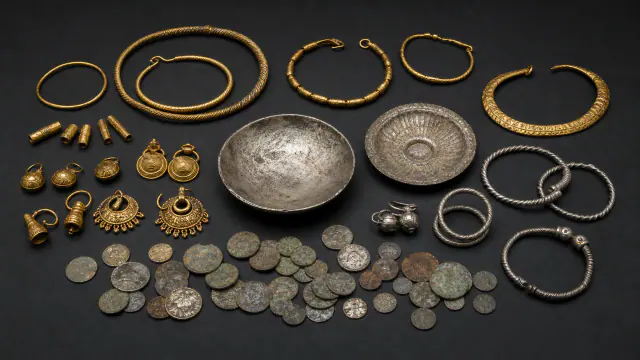
Jewellery from the 4th–3rd centuries BCE; concealment at the end of the 3rd century BCE.
Overlapping datesTreasure of Cheste
Iberians
Interval of the jewellery, not of the later concealment.
Read the record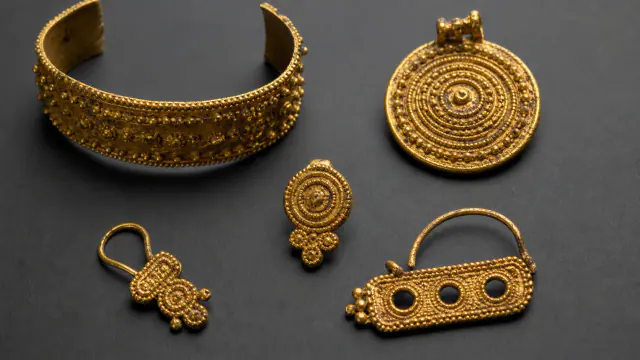
Jewellery: 5th–2nd centuries BCE; concealment probably around 80–73 BCE.
Overlapping datesMarina Alta Hoard
Iberians
Interval of the jewellery, not of the Sertorian concealment.
Read the record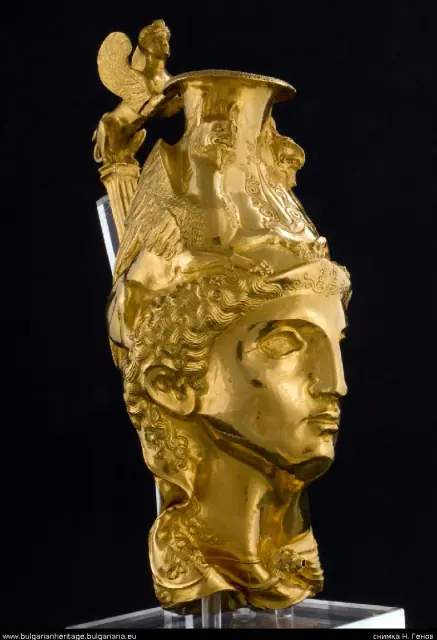
late 4th century – early 3rd century BCE, towards 300 BCE
Overlapping datesPanagyurishte
Thracians
«Towards 300 BCE.» It is explicit orientation of the whole.
Read the record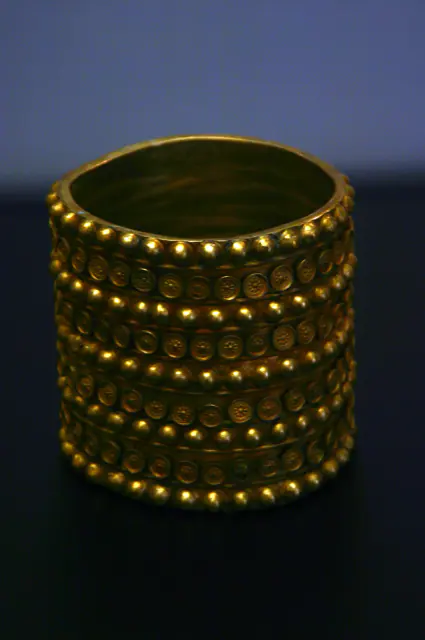 You are viewing
3rd century BCE
Mairena Hoard
Iberians
Approximate dating according to the record.
Current record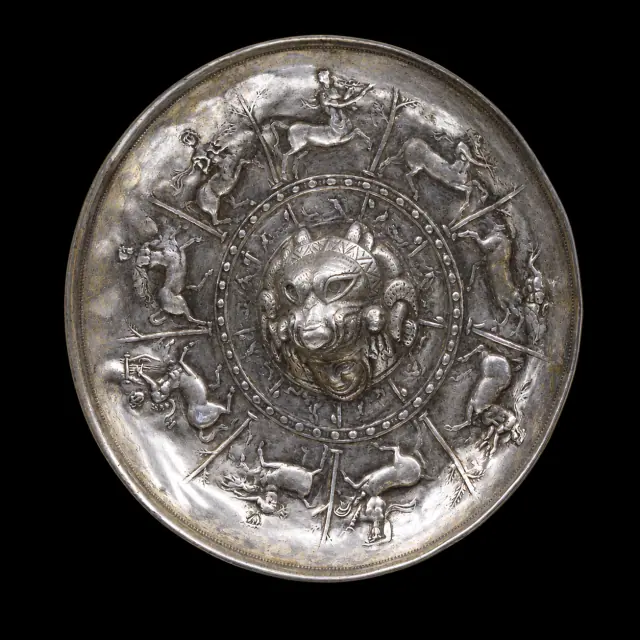
Second half of the 2nd–beginnings of the 1st century BCE
Patera from Perotito
Iberians
The full 2nd–1st centuries BCE provide broad limits for chronological ordering; the record specifies the second half of the 2nd century and the early 1st.
Read the record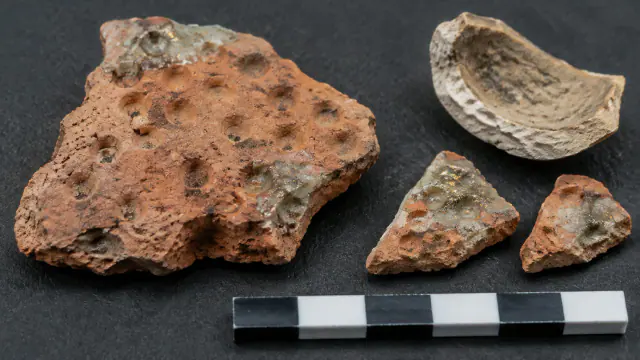
9th–11th centuries CE
Moulds for gold
Mande Worlds
Date range of the archaeometallurgical material in its documented context.
Read the record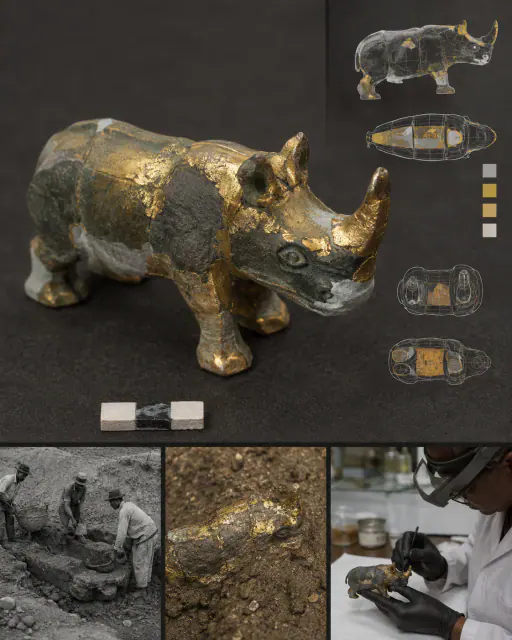
ca. 1220–1290; found in 1933
Gold rhinoceros
Bantu-speaking worlds
Date of the object/context; 1933 is the year of discovery.
Read the record
A closer look
About 1 min to read · 1 section. Further reading and sources · free access. Editorial review recorded: .
A diadem made of modules
The diadem retains 31 rectangular plates and a single triangular end, so we do not know its original length. The coiled extensions of each plate form the hinges: two on one side and one on the opposite. Twenty plates carry knots of four loops and eleven, double-eight motifs, made by stamping. From the set hung small acorns held by tubes intercalated between the hinges. On the reverse of the terminal an omega-shaped ring was fixed: articulation, suspension and fastening required different solutions.
Where it is held
Seville Archaeological Museum
Item or group in the record · Documented collection
Documented collection; no presumption of display during the museum’s renovation.
The holding institution is documented; public display may change. Check its official record before visiting.
Sources and references
Did you enjoy this exhibit?
Your opinion helps us improve the museum. You can change it whenever you like.
Loading your rating…