
 English
 Español
 Français
 Italiano
 Deutsch
 Русский
 Português
 Polski
 Română
 Svenska
 Norsk bokmål
 Suomi
 Türkçe
 العربية
 简体中文
 한국어
 हिन्दी
 Ελληνικά
CONNECTION, NOT AN IBERIAN PIECE · EPILOGUE · ROMAN CONQUEST
Denarius of Carisius
Rome minted the defeat of its adversaries
A Roman coin depicts weapons from Hispania as trophies of victory.
Museum documentation · free public access, no account required.
Generated reconstruction · Declared visual hypothesis
Declared visual reconstruction; not a photograph of the original nor documentary evidence.
History and context
Publius Carisius issued coinage in Emerita Augusta after the northern wars. The reverse shows indigenous arms alongside a shield: objects previously used by peninsular communities were reorganised as signs of Roman victory.
The coin does not neutrally describe the defeated. It is portable propaganda, paid, circulated and repeated a version of the conflict. The entry ‘Coin XXXX’ in the received material is consolidated here because it appears to describe this same issue, not a second piece.
Evidence and interpretation
Documented fact: issuer, mint, metal, date and coin iconography are identifiable through numismatic corpora. Interpretation and caution: linking each weapon to an exact people or reading the propagandistic image as a neutral ethnographic inventory would be excessive.
Catalogue facts
- Narrative date
- ≈25–23 BCE
- Location
- Emerita Augusta (Mérida)
- Material
- Silver denarius
- Context
- Monetary propaganda after the conquest · Roman epilogue
- Classification
- Comparative connection · must not be presented as an Iberian piece
- Visual reference
- Numismatic corpus of Augusta Emerita · issues of Publius Carisius
- In this grouping
- Coin with victory propaganda and depicted arms, not preserved weaponry.
A SHARED TOPIC, DIFFERENT MOMENTS
Objects connected through time
Follow a topic across the collections. A shared tag is a way to compare objects, not proof that one culture influenced another.
The order uses the midpoint of each approximate date range; ranges can overlap. Spacing does not represent elapsed time. Swipe, scroll or use the arrows. With the sequence focused, use ← / →, Home or End.
Silver19 dated objects
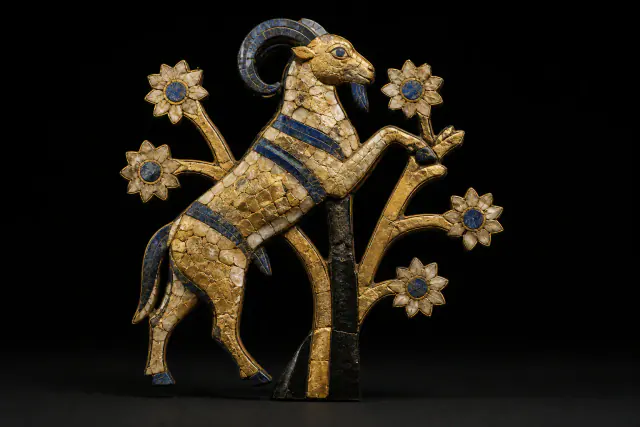
ca. 2600–2400 BCE
The goat from PG 1237
Sumer
The function as support is not resolved.
Read the record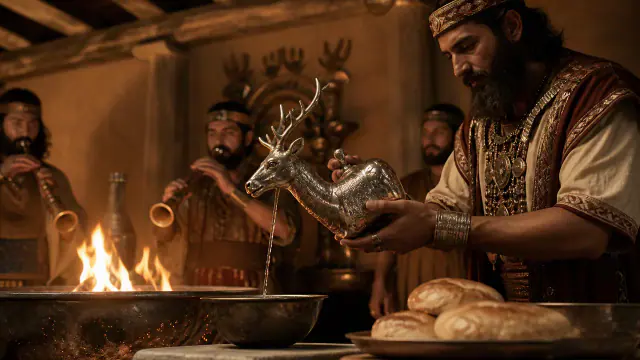
14th–13th centuries BCE
Stag Vessel
Hittites
Approximate dating according to the record.
Read the record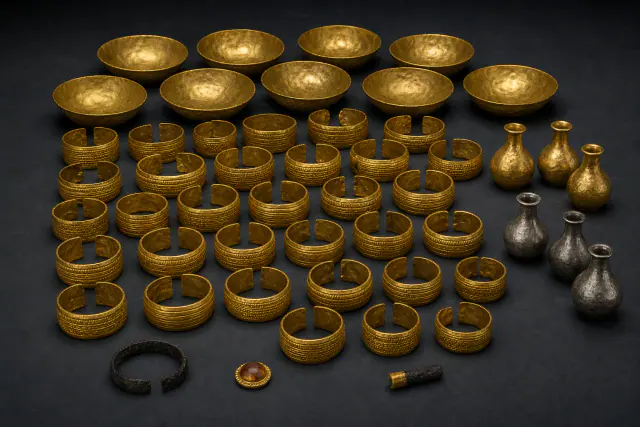
Final Bronze, c. 1000 BCE
Before the Iberias
Iberians
Date of the treasure, not of the preceding general period.
Read the record
5th–4th centuries BCE
Twenty-six voiceless signs
Scythians and Saka
Approximate dating according to the record.
Read the record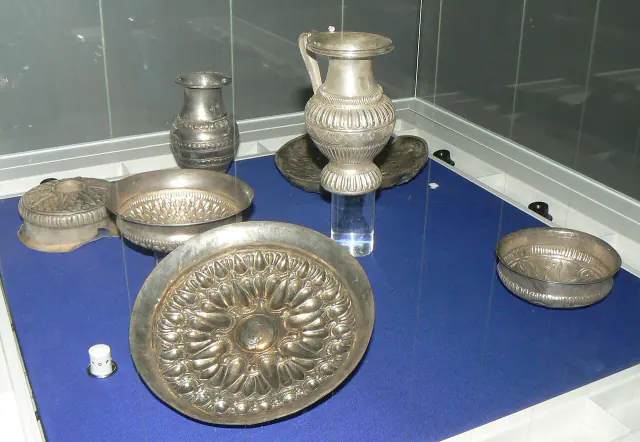
mainly 5th–4th centuries BCE; The set has a history of accumulation, not a single manufacturing date.
Rogozen
Thracians
Primary interval of the cumulative set, not single manufacturing date.
Read the record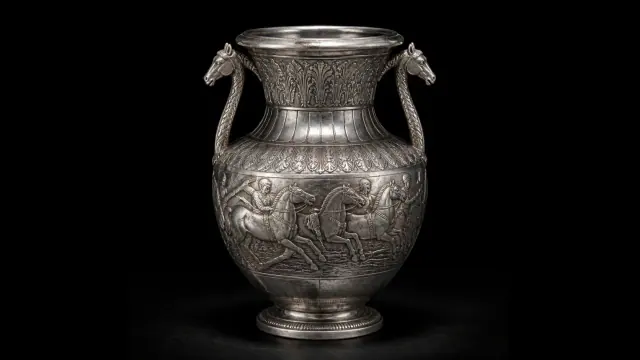
4th century BCE
The silver amphora of Chertomlyk
Greek worlds
Approximate dating according to the record.
Read the record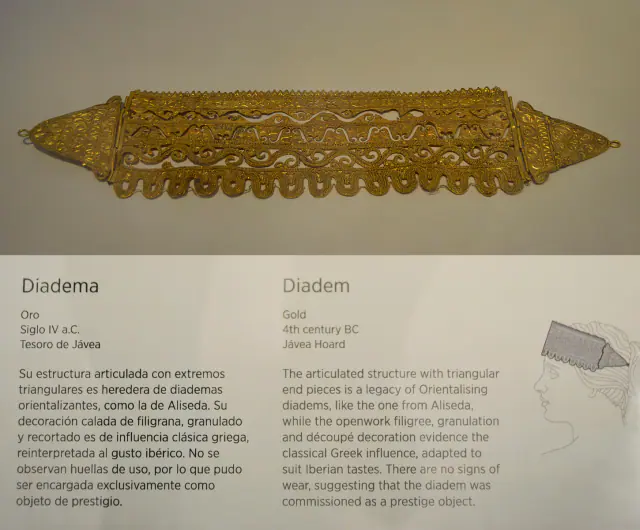
4th century BCE
Treasure of Jávea
Iberians
Approximate dating according to the record.
Read the record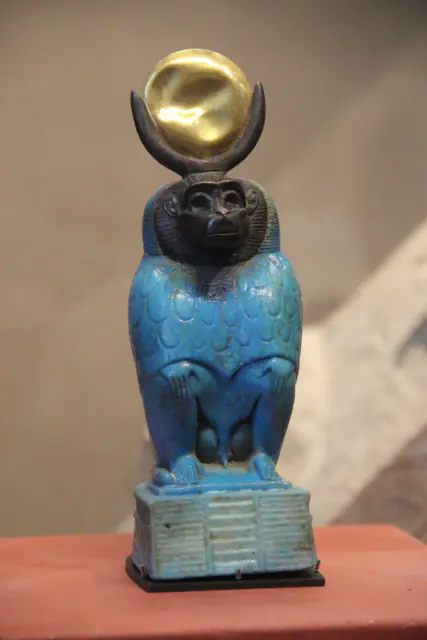
664–30 BCE
Thoth in the form of a baboon
Ancient Egypt
Approximate dating according to the record.
Read the record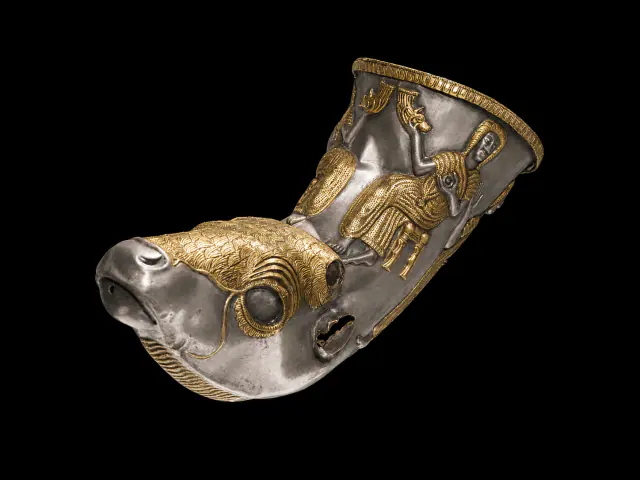
Second half of the 4th century BCE
Poroina Mare Rhyton
Thracians
Second half of the 4th century BCE; the specific ritual is not known.
Read the record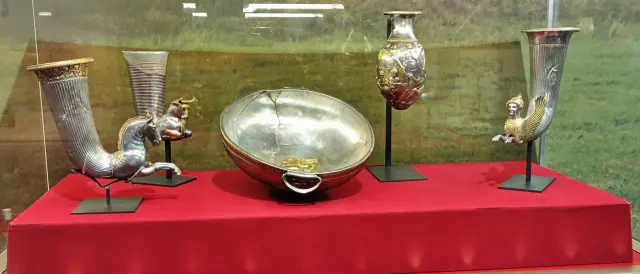
4th century BC C.; 350–300 BCE in the ISAW catalog.
Borovo
Thracians
Explicit range from the ISAW catalog, included in the card.
Read the record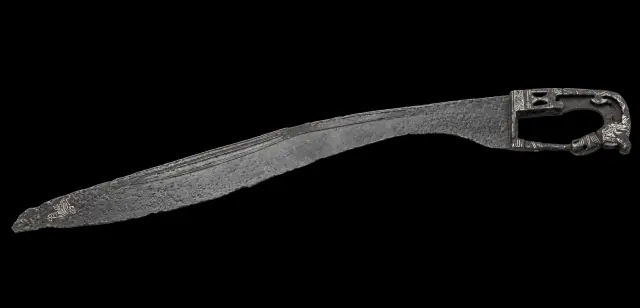
4th–3rd centuries BCE
Falcata from Almedinilla
Iberians
Approximate dating according to the record.
Read the record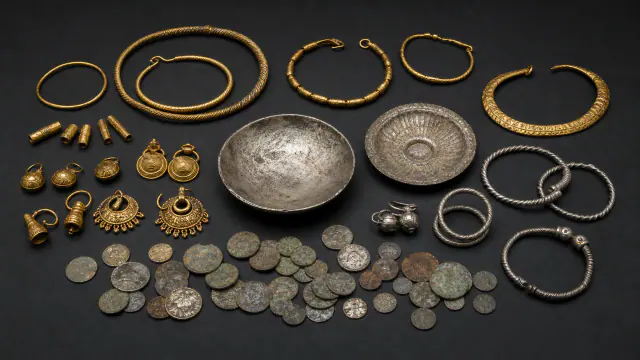
Jewellery from the 4th–3rd centuries BCE; concealment at the end of the 3rd century BCE.
Treasure of Cheste
Iberians
Interval of the jewellery, not of the later concealment.
Read the record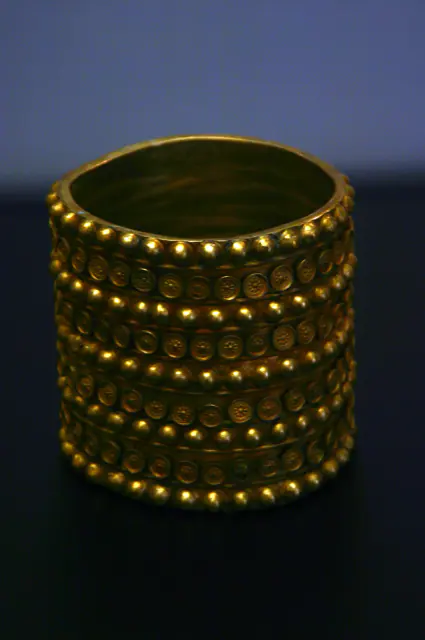
3rd century BCE
Mairena Hoard
Iberians
Approximate dating according to the record.
Read the record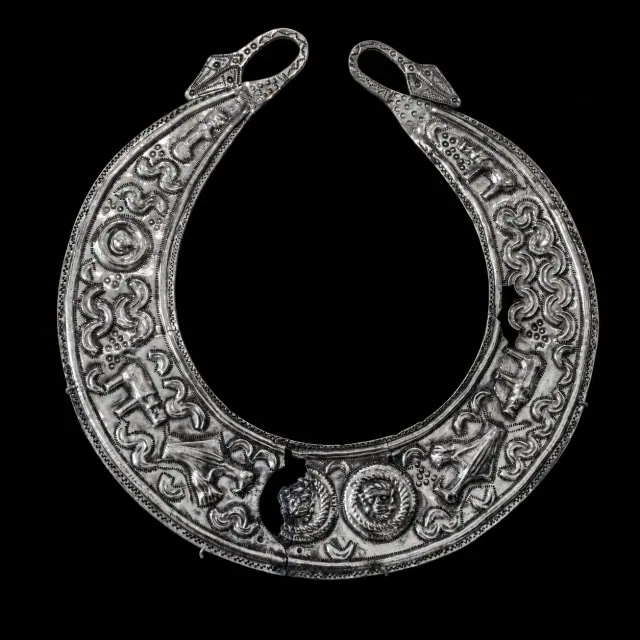
3rd–2nd centuries BCE · concealed in the early 1st century BCE
Chão de Lamas pectoral
Iberians
Centuries of manufacture of the piece; not a later date of concealment.
Read the record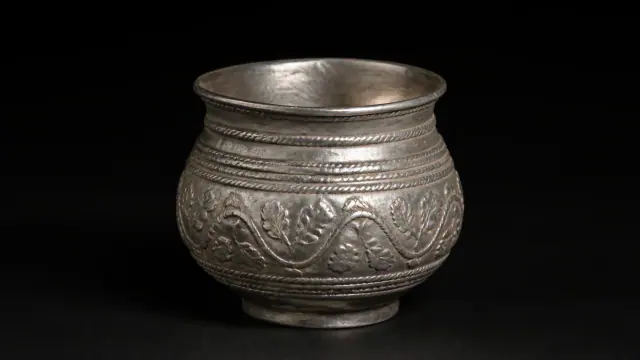
Piece: III–II centuries BCE · concealment ≈110–76 BCE
Vase from Chão de Lamas
Iberians
Centuries of manufacture of the vase; not a concealment interval of the treasure.
Read the record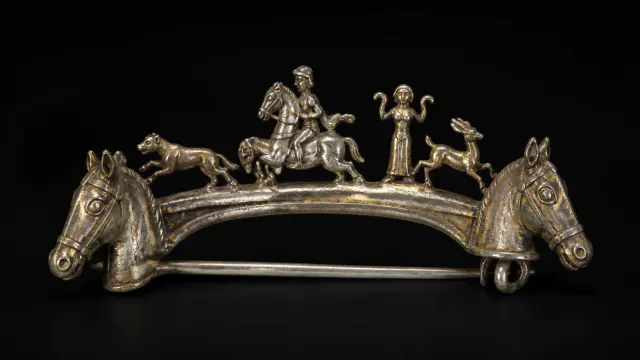
2nd century BCE · disputed chronology
Horse fibula
Iberians
The attribution to the 2nd century BCE is disputed.
Read the record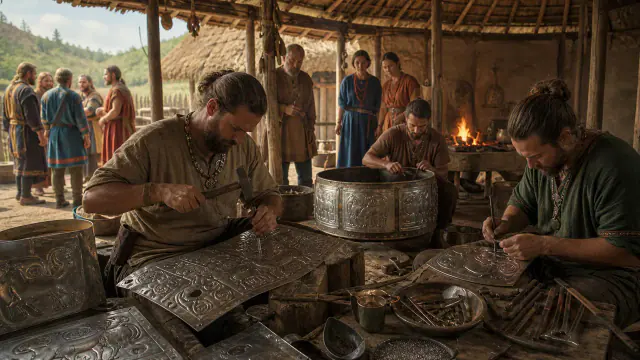
2nd–1st centuries BCE
Overlapping datesThe dismantled cauldron
Celtic worlds
Approximate dating according to the record.
Read the record
Second half of the 2nd–beginnings of the 1st century BCE
Overlapping datesPatera from Perotito
Iberians
The full 2nd–1st centuries BCE provide broad limits for chronological ordering; the record specifies the second half of the 2nd century and the early 1st.
Read the record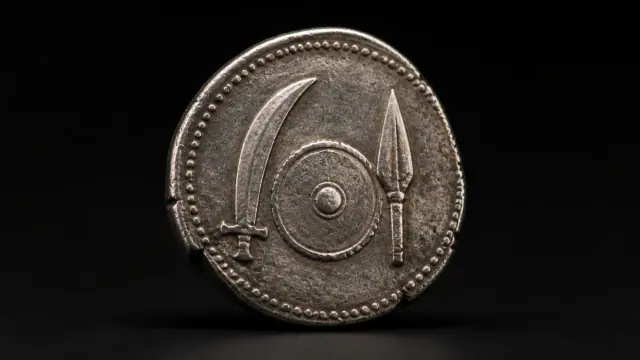 You are viewing
≈25–23 BCE
Denarius of Carisius
Iberians
Approximate dating according to the record.
Current record
A closer look
About 1 min to read · 1 section. Further reading and sources · free access. Editorial review recorded: .
Follow the workshop via the dies
Die links allow relating coins that share the same portrait or reverse engraved, although they may have been preserved separately. The study of the Rompesparteñas denarius compares several examples of Carisius and shows changes in combination as the tools were replaced due to wear. It also suggests that some workshops may have moved with the army: it is not demonstrated that all the coinage was already minted in Emerita. Findings in Gaulish hoards, such as Bourgueil, expand the map of circulation. The silver destined for military payment could accompany troops outside Hispania.
Where it is held
National Museum of Roman Art
Item or group in the record · Documented collection
CER.ES · inventory CE31655.
The holding institution is documented; public display may change. Check its official record before visiting.
Sources and references
Did you enjoy this exhibit?
Your opinion helps us improve the museum. You can change it whenever you like.
Loading your rating…