
BEFORE THE VEDIC WORLD · ca. 2600–1500 BCE
Before Vedic India
The painted urns of Cemetery H
When the great Indus cities changed, a new way of bidding farewell to the dead appeared at Harappa: keeping their remains in painted urns.
Documentary original · Exact correspondence
A real photograph of the object or place the exhibit entry presents.
Avantiputra7 · CC BY-SA 4.0
History and context
Before the Vedic hymns, the north-west of the subcontinent had great Indus cities, such as Harappa and Mohenjo-daro. Around 1900 BCE that urban life changed: some long-distance trade networks shrank, settlements moved and each region went its own way. Harappa stayed inhabited, but its economy, its pottery and the way it buried its dead were all transformed.
In Cemetery H at Harappa, some people were cremated and their remains placed in urns painted with birds, stars and waves. It is tempting to explain these designs with the Vedic hymns, but the hymns were composed later. Before the Rigveda the region was not empty: descendants of the Harappans lived there, newcomers arrived, and other ways of remembering the dead emerged.
Evidence and interpretation
Large funerary vessels painted with birds, stars, leaves and wavy lines were found in Cemetery H at Harappa. In the cemetery’s later phases, some cremated remains were placed inside urns, a new way of treating the dead that came after the age of the great cities.
The birds, stars and waves can be seen clearly; what they meant is still unknown.
After the end of the great Indus cities, each region went its own way, newcomers arrived and burial customs changed. It was in this world that the first Vedic traditions were composed.
Decades ago, some researchers linked these urns to the arrival of the peoples of the Vedas. Today it is thought that pottery alone cannot tell us what language its maker spoke or where they came from, and that its designs cannot be read using later hymns as if they were captions.
Catalogue facts
- Previous period
- ca. 2600–1500 BCE
- Sphere of influence
- North-west of the Indian subcontinent, mainly Harappa and the Indus plain
- Featured element
- Painted urns from Cemetery H
- Date of the element
- c. 1900–1300 BCE
- Location
- Harappa, Punjab, Pakistan
- Material or medium
- Painted funerary pottery
- Time frame
- ca. 2600–1500 BCE
- Documented fact 01
- Cemetery H is a regional tradition of the Late Harappan period. It cannot be used to identify a particular people.
- Documented fact 02
- Harappa was still inhabited after 1900 BCE, though it changed a great deal.
- Documented fact 03
- Its designs cannot be explained by later Vedic hymns, as if the hymns were their captions.
- Image credit
- Avantiputra7 · CC BY-SA 4.0
A SHARED TOPIC, DIFFERENT MOMENTS
Objects connected through time
Follow a topic across the collections. A shared tag is a way to compare objects, not proof that one culture influenced another.
The order uses the midpoint of each approximate date range; ranges can overlap. Spacing does not represent elapsed time. Swipe, scroll or use the arrows. With the sequence focused, use ← / →, Home or End.
Ceramics39 dated objects
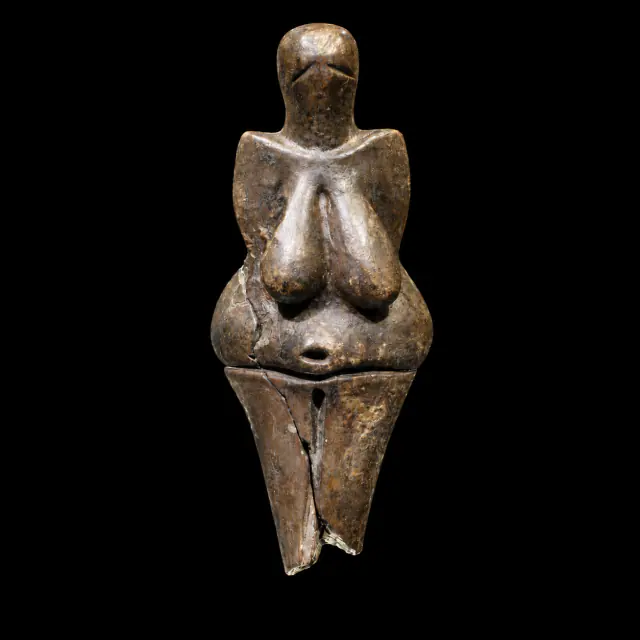
≈29,000–27,000 years
Dolní Věstonice I
Prehistory
Read the record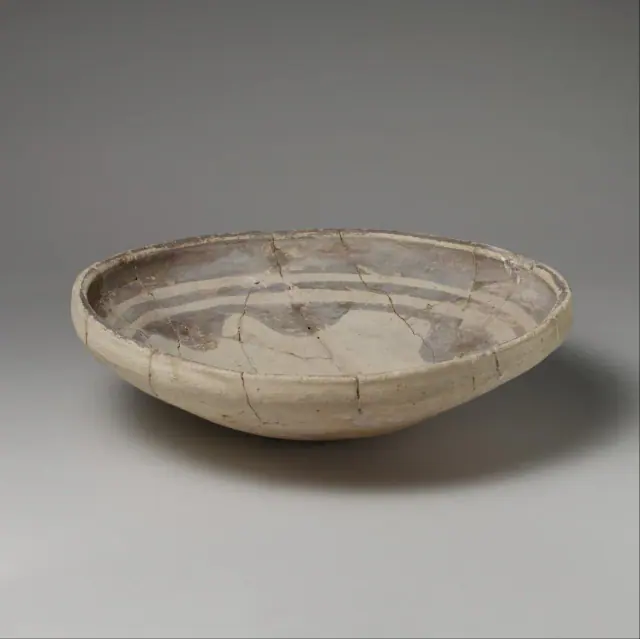
c. 5500–4000 BCE
Before Sumer
Sumer
Read the record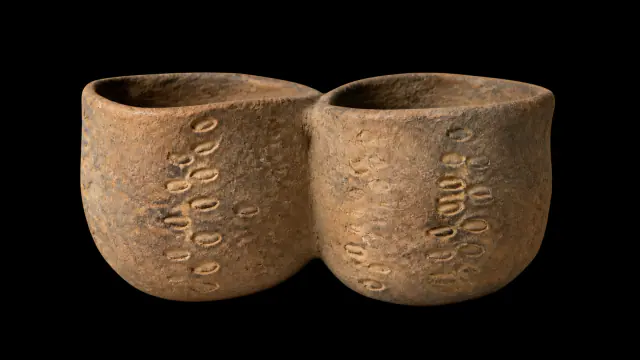
Early Neolithic · around 5500–5000 BCE
Twin vessel from Cova de l’Or
Prehistory
Read the record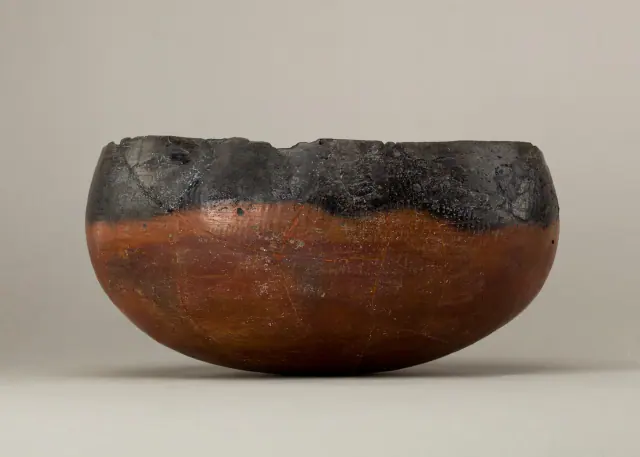
ca. 4400–3800 BCE
Before Egypt
Ancient Egypt
Read the record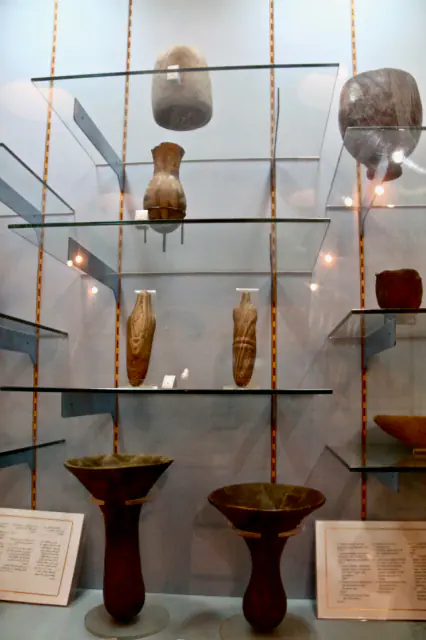
5th–4th millennium BCE
Before Nubia
Nubia, Kerma and Kush
Read the record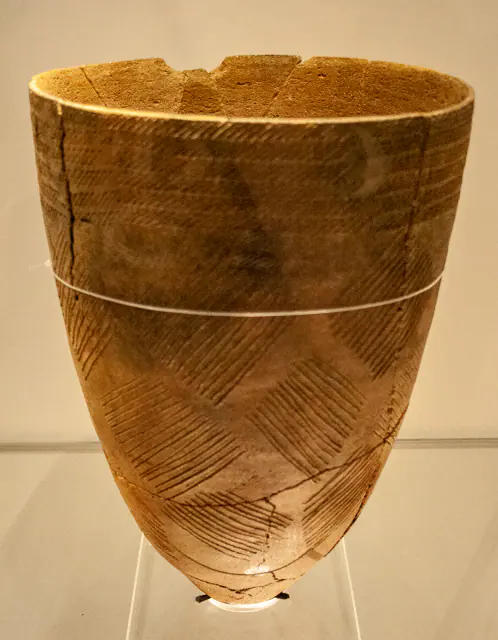
Middle Neolithic, c. 4000 BCE
Before Gojoseon
Gojoseon and early Korea
Read the record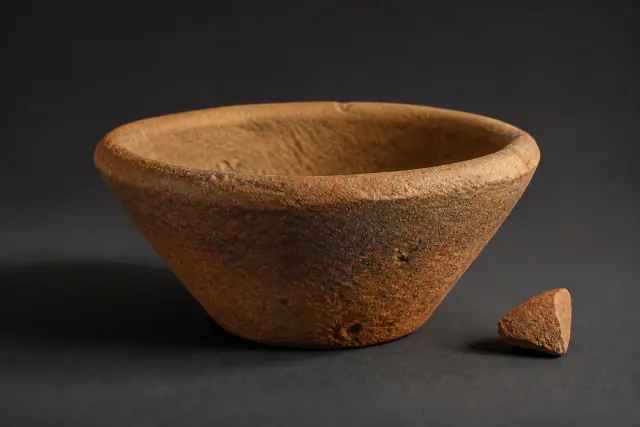
ca. 3500–3000 BCE
Bevel-rim bowl
Sumer
Read the record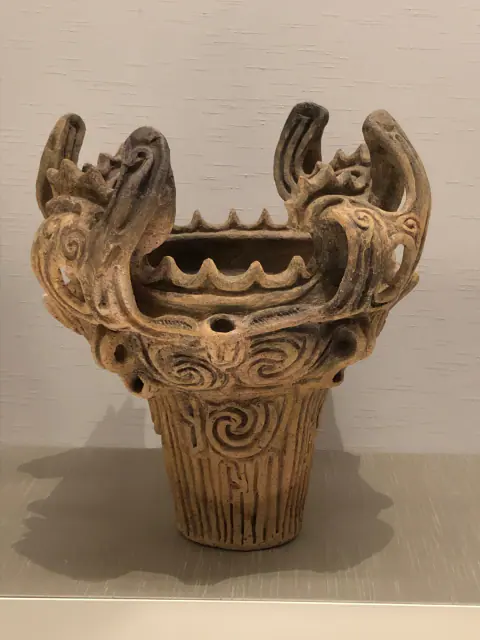
Middle Jōmon, c. 3000 BCE
Before Yayoi
Yayoi Japan
Read the record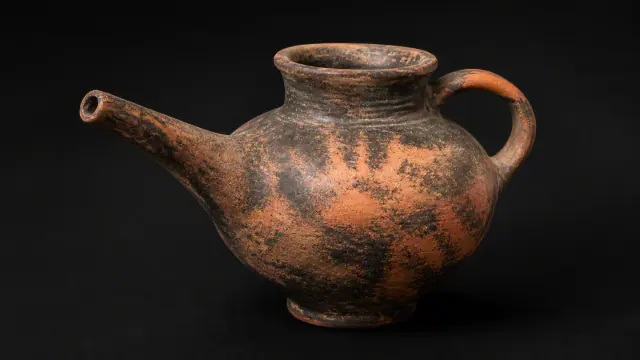
ca. 2500–2200 BCE
Vasiliki
Greek worlds
Read the record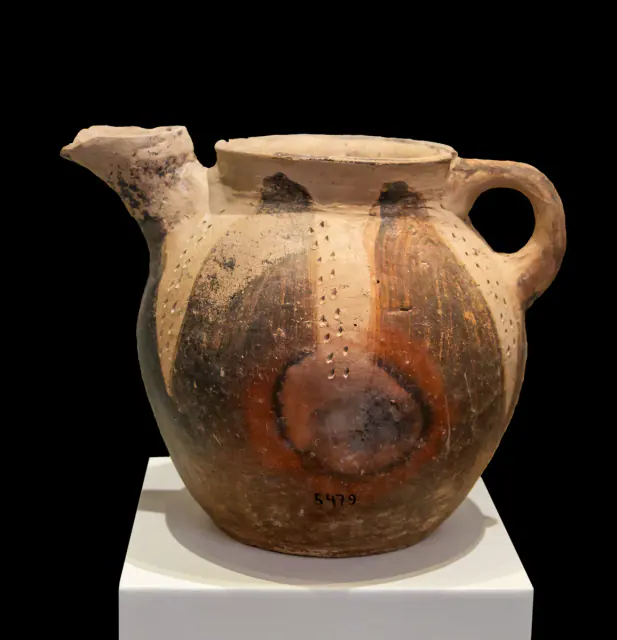
c. 2400–2200 BCE
Crete before the palaces
Greek worlds
Read the record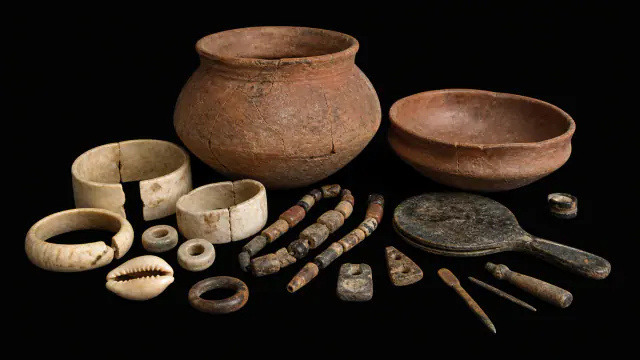
ca. 2550–2030 BCE
Cemetery R37
Indus civilisation
Read the record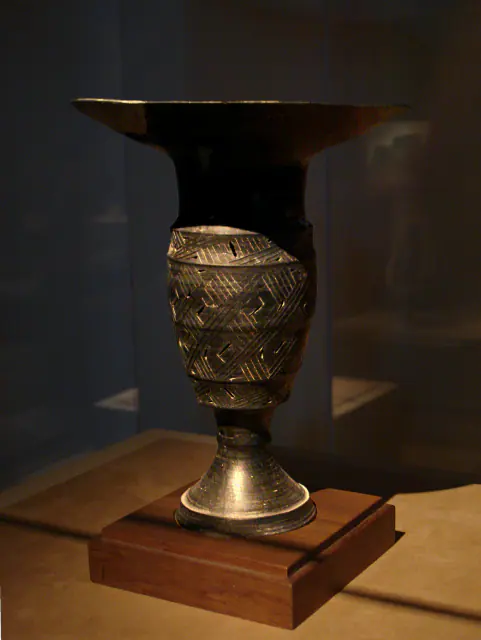
c. 2500–2000 BCE
Before Ancient China
Ancient China
Read the record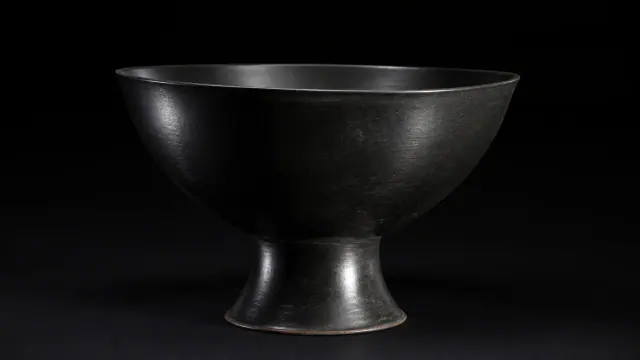
c. 2500–2000 BCE
Longshan
Ancient China
Read the record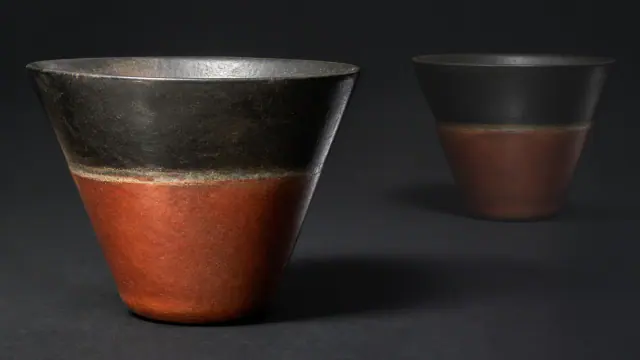
c. 1802–1640 BCE
Overlapping datesKerma vessel
Nubia, Kerma and Kush
Read the record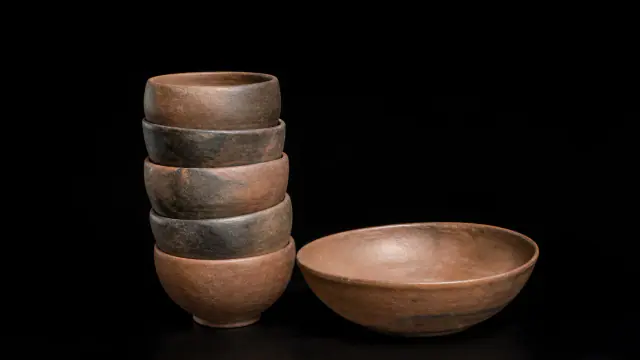
circa 1750–1550 BCE
Overlapping datesBurial at K IV
Nubia, Kerma and Kush
Read the record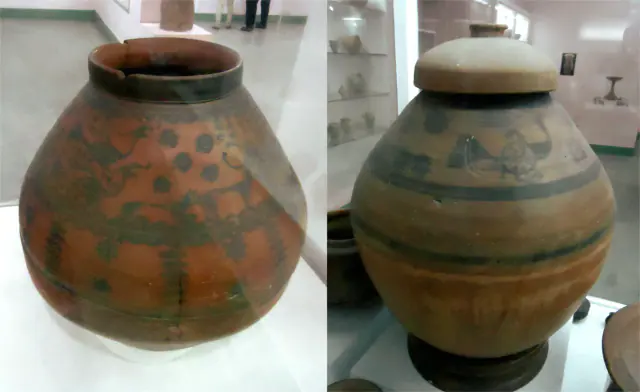 You are viewing
c. 1900–1300 BCE
Before Vedic India
Vedic and later Indian worlds
Current record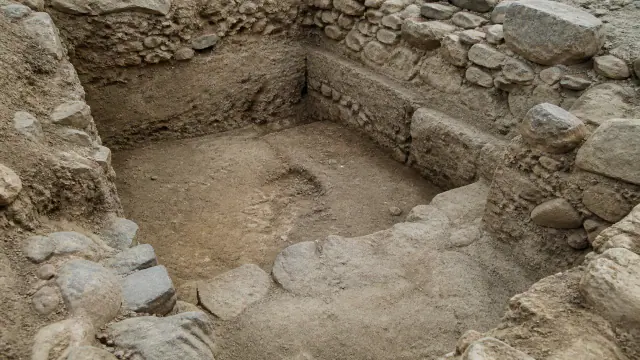
c. 1700/1650–1200 BCE
Overlapping datesOsmankayası and Ilıca
Hittites
Read the record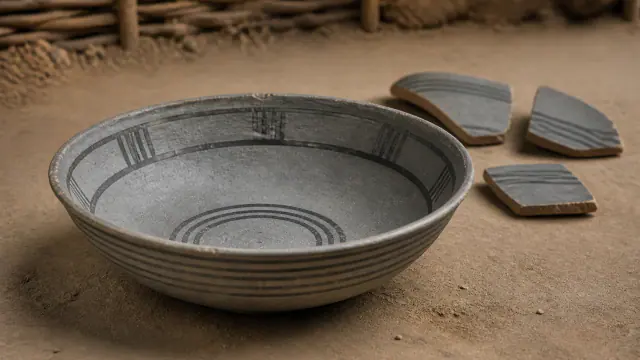
Around 1100–800 BCE, according to the Hastinapura excavations
Grey bowl from Hastinapura
Vedic and later Indian worlds
Read the record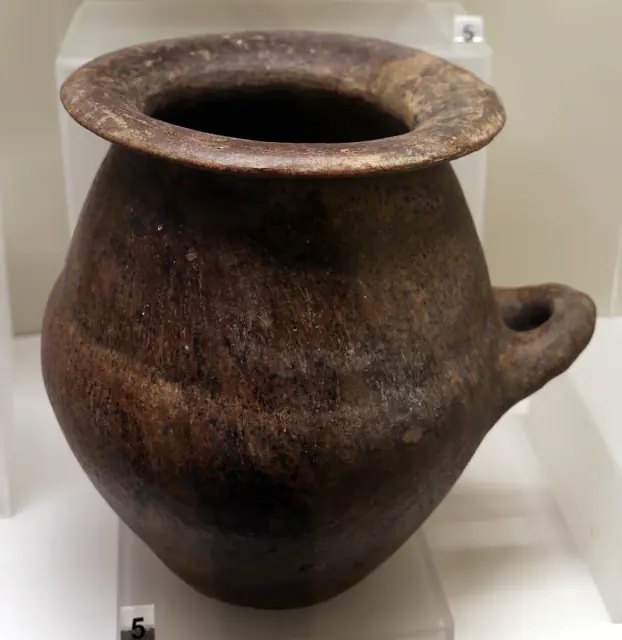
ca. 850–800 BCE
Before Etruscans and Rome
Etruscans and Rome
Read the record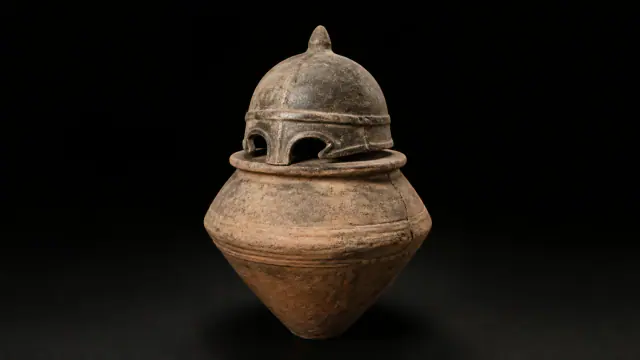
9th–8th centuries BCE
The urn under the helmet
Etruscans and Rome
Read the record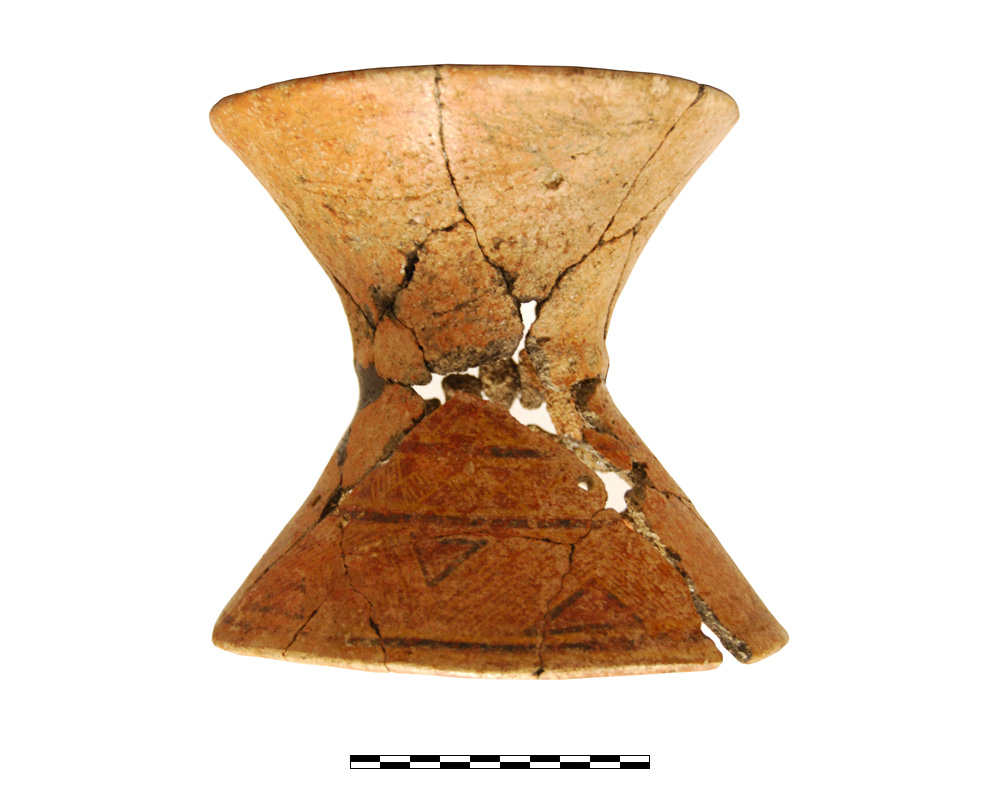
8th–7th centuries BCE · Orientalising
Ceramic stand 1010
Iberians
Read the record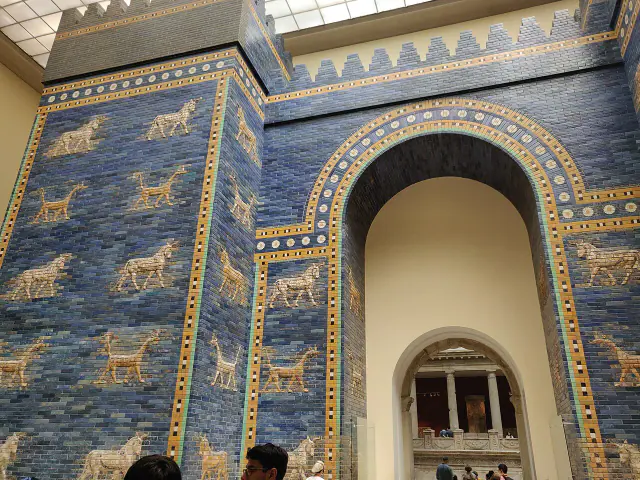
6th century BCE · commissioned by Nebuchadnezzar II (605–562 BCE)
Ishtar Gate
Sumer
Read the record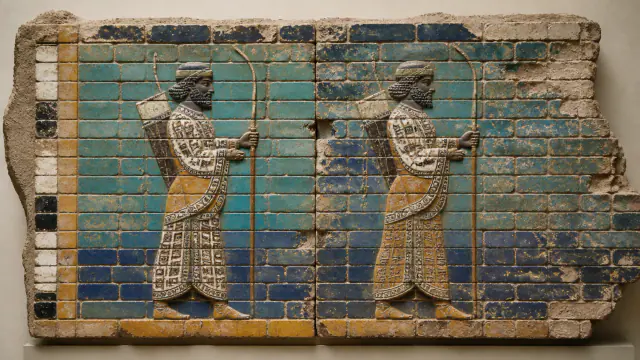
522–486 BCE
Glazed brick guards
Achaemenid Persia
Read the record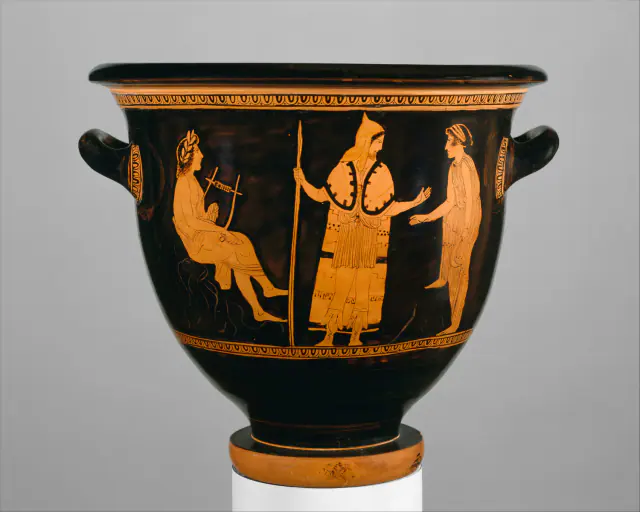
c. 440 BCE; attributed to the Painter of London E 497.
Orpheus among the Thracians
Thracians
Read the record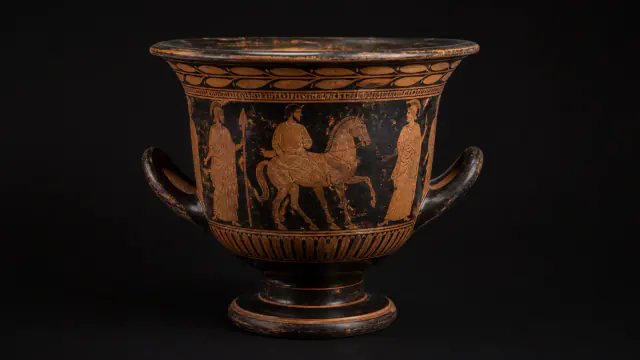
4th century BCE
The Attic krater that took on a new life in Cástulo
Greek worlds
Read the record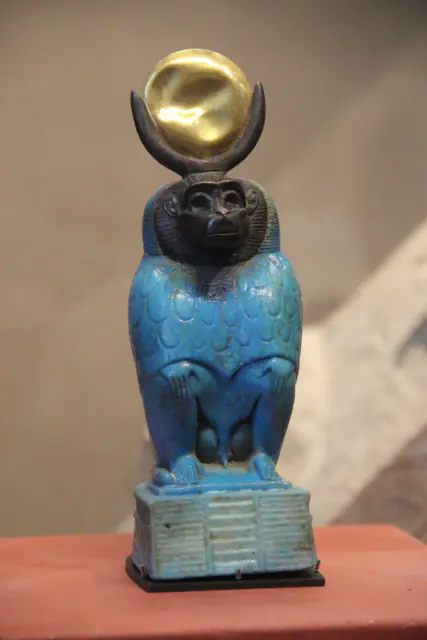
664–30 BCE
Thoth in the form of a baboon
Ancient Egypt
Read the record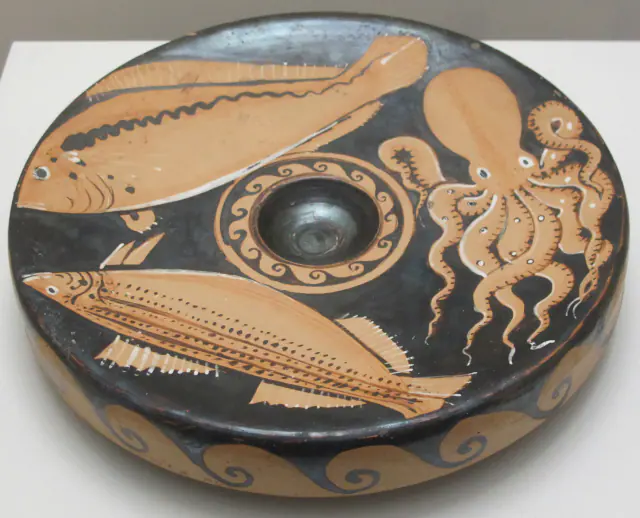
Last third of the 4th century–early 3rd century BCE
Leipzig Fish Plate
Greek worlds
Read the record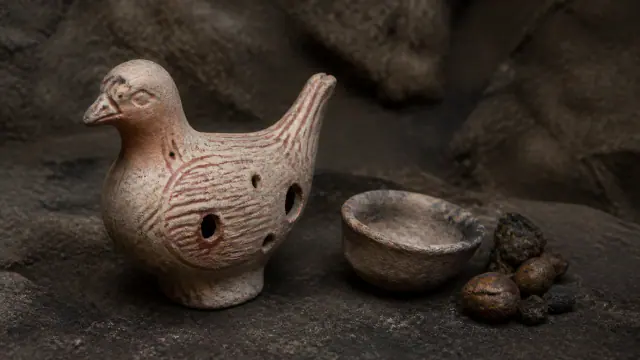
3rd century BCE
El Amarejo dove
Iberians
Read the record
3rd–early 2nd century BCE
Vas dels Guerrers
Iberians
Read the record
3rd–2nd centuries BCE
Warriors' Vase
Iberians
Read the record
2nd–1st centuries BCE
Northern mound
Yayoi Japan
Read the record
2nd–1st centuries BCE
Kalathos of Alcorisa
Iberians
Read the record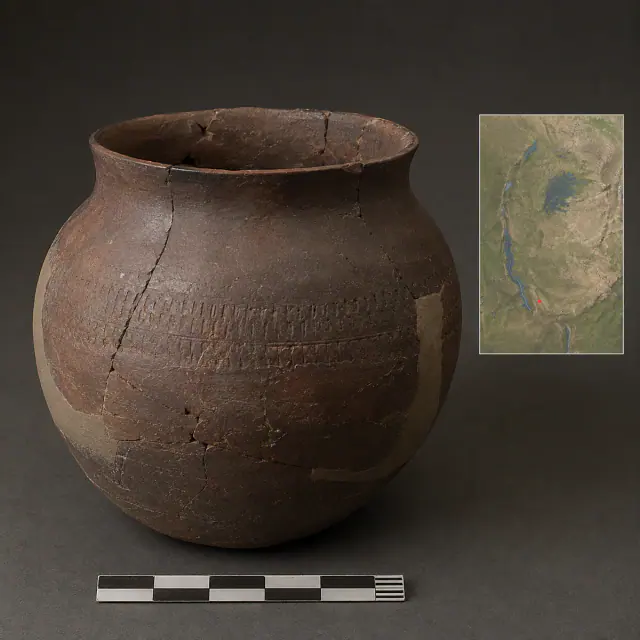
Between about 500 BCE and 800 CE, depending on the region
Urewe vessel
Bantu-speaking worlds
Read the record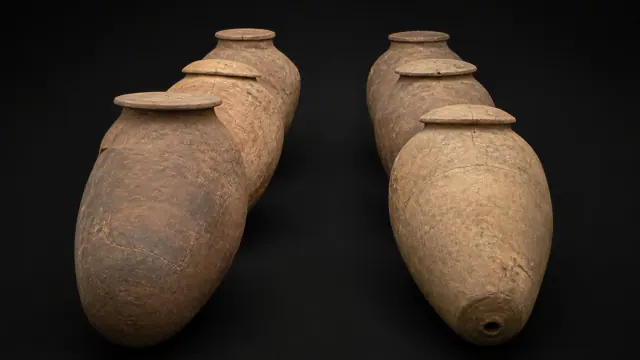
Mainly Middle Yayoi, 2nd century BCE–1st century CE
Two rows of coffins
Yayoi Japan
Read the record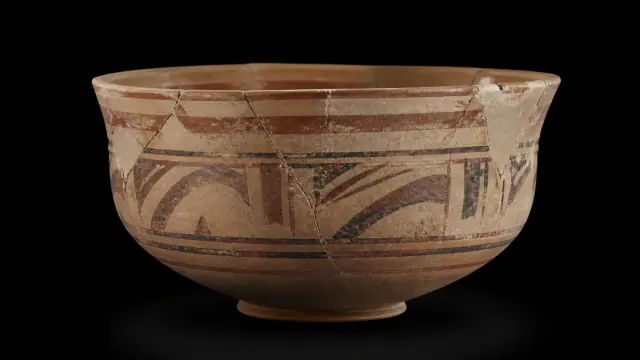
Last third of the 2nd century BCE–1st century CE
Pottery that carried on
Iberians
Read the record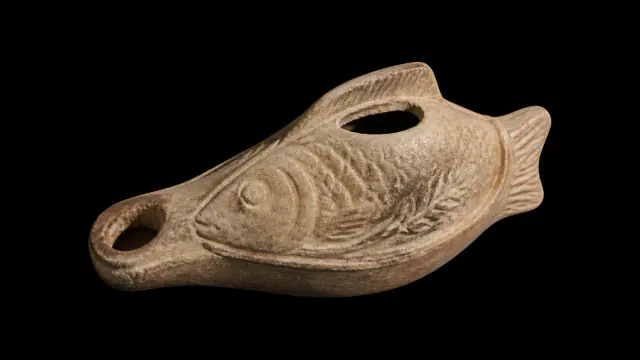
3rd–4th centuries CE
Egyptian oil lamp with a fish, held in Laon
Ancient Egypt
Read the record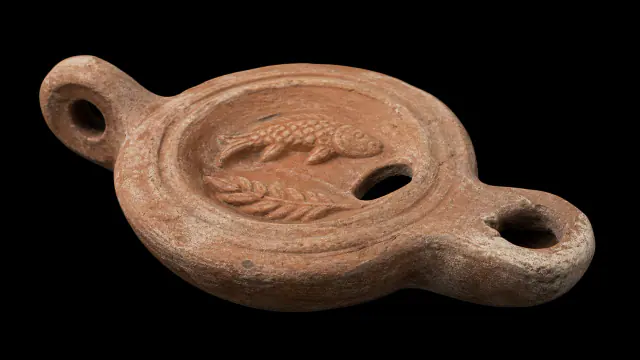
3rd–4th centuries CE
Laon lamp with fish
Etruscans and Rome
Read the record
around 400 CE
Kabusanza, around 400 CE
Batwa / Twa histories
Read the record
Settlement of the 14th–15th centuries; graves 3 and 8 are now dated between the mid-15th and mid-17th centuries
Ingombe Ilede
Bantu-speaking worlds
Read the record
Also connected, without a comparable date (17)
These objects are not placed after the others: an unknown date does not mean a more recent object.
- A Kerma beaker deposited at AbydosAncient Egypt · Second Intermediate Period
- AkrotiriGreek worlds · c. 1700–1500 BCE
- An unfinished vesselBatwa / Twa histories · 1947
- Dia’s strataMandé worlds · 9th century BCE–2nd millennium CE
- Early potteryMandé worlds · before 9400 BCE (calibrated date)
- Greek krater from CástuloIberians · No individual dating published on this record
- Kigali vaseBatwa / Twa histories · collected in 1993 or 1995
- Liédena FlaskEtruscans and Rome · 2nd century CE (101–175 according to the Navarre Museum)
- LothalIndus civilisation · ca. 2400–1600 BCE
- Made in GaramaGaramantes · 1st millennium BCE–1st millennium CE
- Nile towards NubiaAncient Egypt · ca. 3300–2800 BCE
- Objects from Jenne-jenoMandé worlds · ca. 250 BCE–1400 CE
- Three hundred lives in the sandYayoi Japan · Mainly 4th century BCE–3rd century CE
- Travelling objectsGaramantes · Mainly Roman period
- Trumpet from NumantiaIberians · No individual dating published on this record
- Urns from AdichanallurVedic and later Indian worlds · Iron Age · samples dated to around 665 and 467 BCE
- Vessels without a languageBantu-speaking worlds · Urewe, from about 800 BCE to 650 CE (a wide range, depending on the region)
A closer look
About 1 min to read · 1 section
A dish or lid with an antelope
The Harappa archaeological project has published a piece from Cemetery H that may have been a dish or the lid of an urn. It has a hole near the rim, which could have been used to hang it or fasten it to the vessel. It is painted with an antelope and with designs of circles and dots; some see these as heavenly bodies, but this is not certain. The detail is a reminder that an urn was an object with parts that had to be closed and handled, not just a painted surface. And since the same cemetery has several ways of burying the dead, a decorated lid cannot explain the whole change on its own.
The region before this culture
ca. 2600–1500 BCE · North-west of the Indian subcontinent, mainly Harappa and the Indus plain
c. 2600–1900 BCE
VerifiedThe urban northwest of the Indus
Great cities with shared weights and seals, and long-distance trade, organised the region long before the Vedic period.
ca. 1900–1600 BCE
DebatedTransformation and regionalisation
Changes in the rivers, trade over shorter distances and new settlements transformed urban life, but people kept living in the region.
c. 1900–1300 BCE
DebatedCemetery H
At Harappa, painted urns and some cremations appear: a new way of bidding farewell to the dead, which on its own does not identify a people.
What changes and what we should not assume
After the end of the great Indus cities, each region went its own way, newcomers arrived and burial customs changed. It was in this world that the first Vedic traditions were composed.
Cemetery H is not enough to identify an Aryan or Vedic people, and its designs cannot be explained by later hymns as if they were captions.
Painted urns from Cemetery H
c. 1900–1300 BCE · Harappa, Punjab, Pakistan
Large funerary vessels from Harappa are painted with birds, stars, leaves and wavy lines. In the cemetery’s later phases, some cremated remains were placed inside urns, a new way of treating the dead after the age of the great cities. The images are striking, but we do not know what they meant, which is why they teach us to tell what we can see from what we only suppose.
Large funerary vessels from Harappa are painted with birds, stars, leaves and wavy lines. In the cemetery’s later phases, some cremated remains were placed inside urns, a new way of treating the dead after the age of the great cities. Their designs invite interpretation, but we do not know which myths or gods they refer to.
The birds, stars and waves can be seen clearly; what they meant is still unknown.
Painted funerary pottery
Wikimedia Commons · Cemetery_H_Pottery.png · Avantiputra7 · CC BY-SA 4.0
- Time frame
- ca. 2600–1500 BCE
- Documented fact 01
- Cemetery H is a regional tradition of the Late Harappan period. It cannot be used to identify a particular people.
- Documented fact 02
- Harappa was still inhabited after 1900 BCE, though it changed a great deal.
- Documented fact 03
- Its designs cannot be explained by later Vedic hymns, as if the hymns were their captions.
Location and territory
LOCATED SITE
Harappa · PakistanMarker of the urban site.Sources and references
- Harappa Archaeological Research Project · regional antecedent
- Harappa · Dish or lid, Cemetery H pottery
- Cambridge University Press · regional antecedent
- Wikimedia Commons · Cemetery_H_Pottery.png · CC BY-SA 4.0

Sources consulted on 5 September 2026.
Did you enjoy this exhibit?
Your opinion helps us improve the museum. You can change it whenever you like.
Loading your rating…