
 English
 Español
 Français
 Italiano
 Deutsch
 Русский
 Português
 Polski
 Română
 Svenska
 Norsk bokmål
 Suomi
 Türkçe
 العربية
 简体中文
 한국어
 हिन्दी
 Ελληνικά
BELIEFS AND CURIOSITIES · RANK AND RITUAL
Four panoplies
Weapons do not answer questions on their own
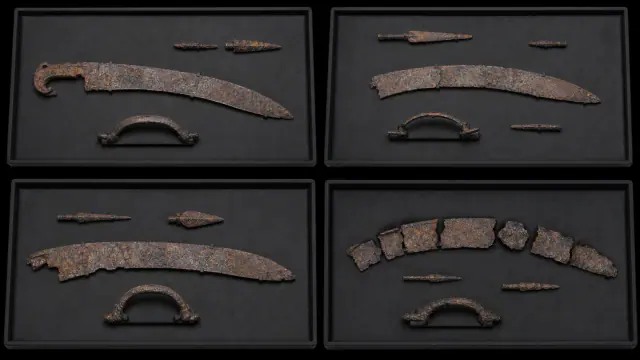
Four warrior sets accompanied a woman, but the deposit does not automatically reveal who wielded them.
Museum documentation · free public access, no account required.
Generated reconstruction · Declared visual hypothesis
Declared visual reconstruction; not a photograph of the original nor documentary evidence.
History and context
The weapons deposited before the Lady of Baza made visible the warrior ideology of an elite. They could have participated in honours, ritual combats, family memory or demonstrations of alliances.
The discovery also corrects an old archaeological habit: attributing an armed grave good to a male before studying the remains. Now the interesting question is not only who fought, but who could gather and re-signify the prestige of four panoplies.
Evidence and interpretation
Documented fact: four sets of weapons appeared in the grave alongside luxury pottery. Caution: they do not prove that the deceased fought, that the weapons were her personal property, or that games were played with a specific form.
Catalogue facts
- Complex
- Grave 155 of Baza
- Number
- Four panoplies
- Hypothesis
- Funeral honours, ritual combat or lineage prestige
- Does not prove
- Sex of the combatant, personal ownership or exact rite
A SHARED TOPIC, DIFFERENT MOMENTS
Objects connected through time
Follow a topic across the collections. A shared tag is a way to compare objects, not proof that one culture influenced another.
The order uses the midpoint of each approximate date range; ranges can overlap. Spacing does not represent elapsed time. Swipe, scroll or use the arrows. With the sequence focused, use ← / →, Home or End.
THE CURRENT OBJECT
Its date is not sufficiently established to place it on the timeline. We keep it here, separate from the dated objects.
 You are viewing
No individual dating published on this record
Four panoplies
Iberians
The comparative file does not include a date specific to the set.
Current recordArms and military equipment24 dated objects
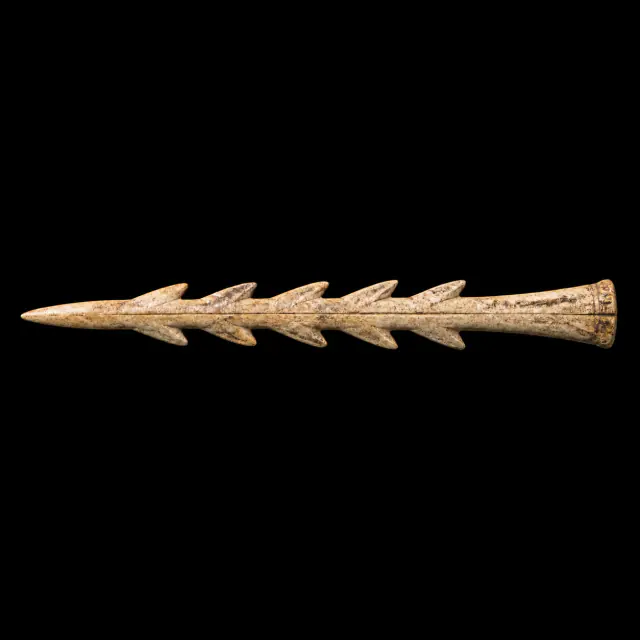
≈15,000 years · Magdalenian
Bilateral harpoon
Prehistory
Approximate catalogue age; editorial reference 2026 for ordering only, not calibrated dating.
Read the record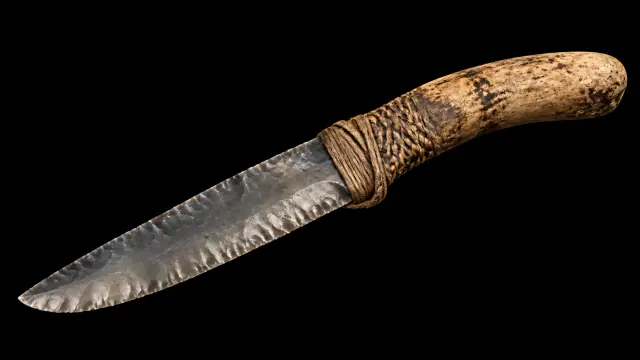
8th millennium BCE · Pre-Pottery Neolithic B context
Nahal Hemar Knives
Prehistory
Date of the blade assemblage and its Pre-Pottery context, not of an inventoried blade.
Read the record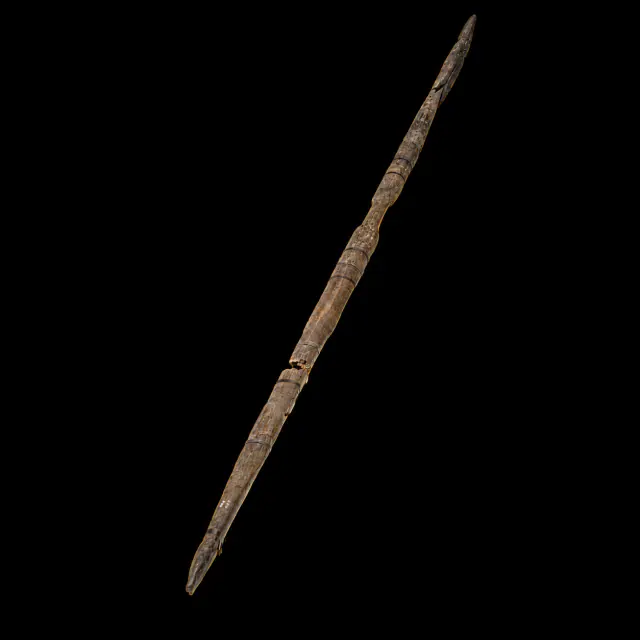
≈7000 BCE
Holmegaard bow
Prehistory
Date of the Holmegård bow; the Albuñol strings compared in the record date to ≈5300–4900 BCE.
Read the record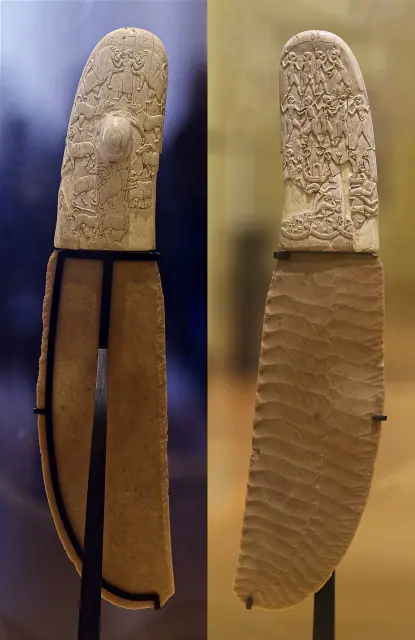
3600–3200 BCE · Naqada II C–D
Gebel el-Arak knife
Ancient Egypt
Approximate dating according to the record.
Read the record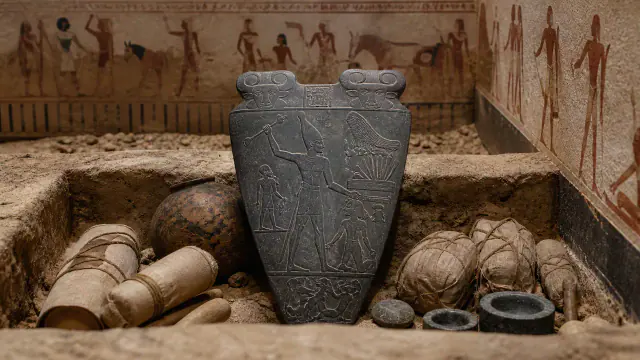
ca. 3100 BCE
Narmer Palette
Ancient Egypt
Approximate dating according to the record.
Read the record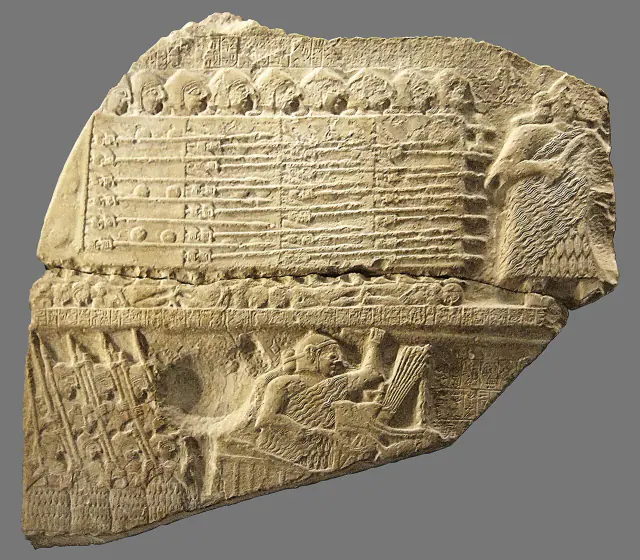
Towards 2450–2425 BCE
Stele of the Vultures
Sumer
Approximate dating according to the record.
Read the record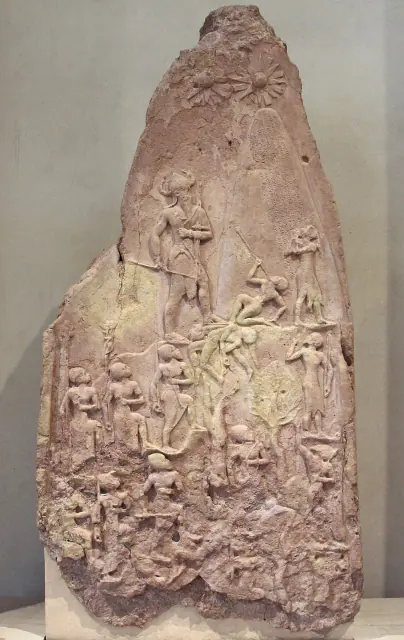
Reign of Naram-Sin, 2254–2218 BCE
Naram-Sin Stele
Sumer
Reign interval associated with the piece; the Elamite reuse is later.
Read the record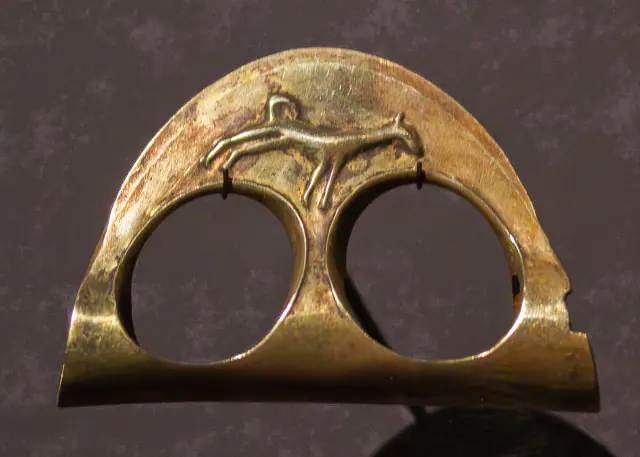
20th–18th centuries BCE
Before Phoenicia
Phoenicians
Approximate dating according to the record.
Read the record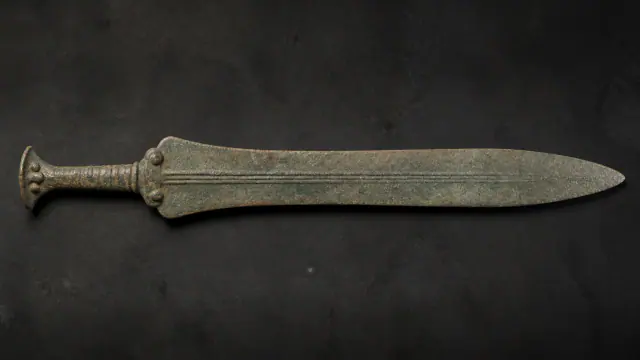
≈1200–1000 BCE · destruction of the talayot towards 790 BCE
Talayotic sword
Iberians
Proposed date of the sword, not of the later destruction of the talayot.
Read the record
Towards 1000–400 BCE
The lute-shaped dagger
Gojoseon and early Korea
Typological framework of daggers; not a single manufacturing date.
Read the record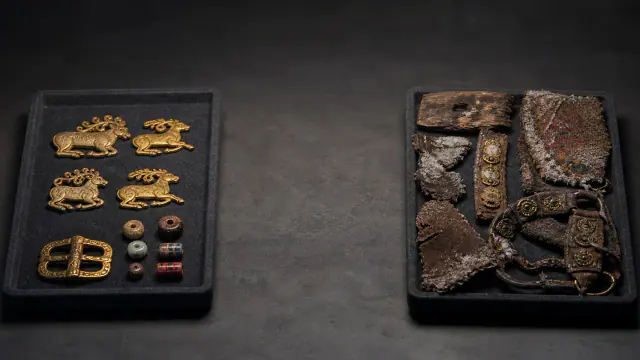
7th–4th centuries BCE
Steppe kurgans
Scythians and Saka
Comparative framework of various barrows and grave goods.
Read the record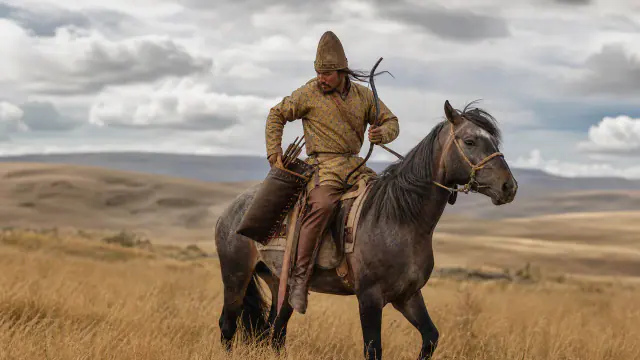
5th–4th centuries BCE
Bow and arrows in a case
Scythians and Saka
Typological set of slings; no date for a single specimen.
Read the record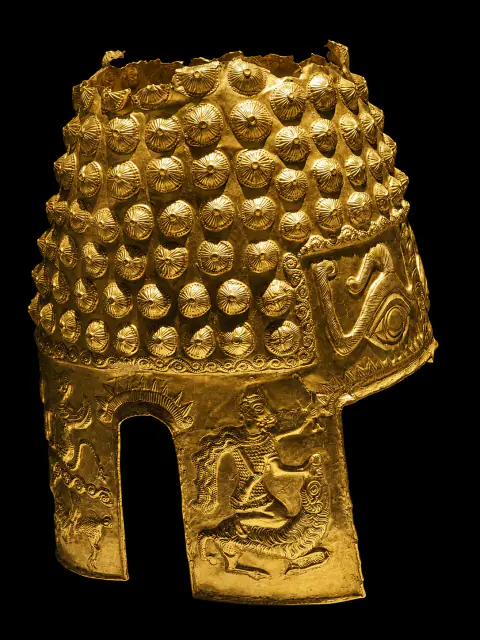
Second half of the 5th century – beginning of the 4th century BCE
Coțofenești helmet
Thracians
The full 5th–4th centuries BCE provide broad limits for chronological ordering; the record specifies the second half of the 5th and early 4th century.
Read the record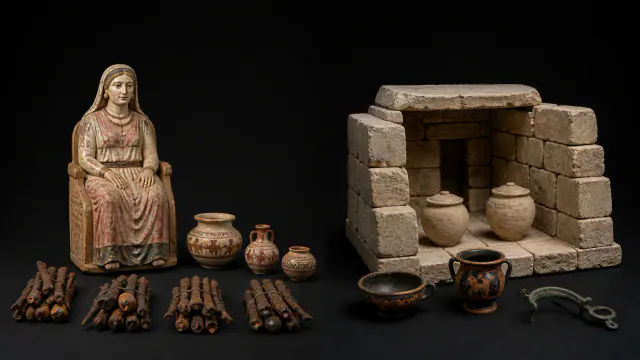
First half of the 4th century BCE
Grave goods of Baza and Toya
Iberians
First half of the 4th century BCE; date of the funerary set.
Read the record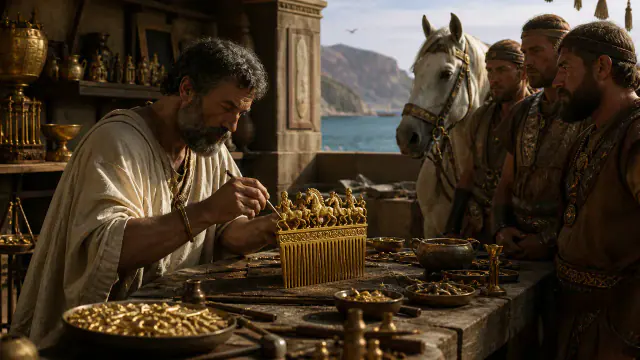
Early 4th century BCE
A battle on a comb
Scythians and Saka
The fourth century BCE is used in its full extent as an outer ordering framework; the entry specifies the beginning.
Read the record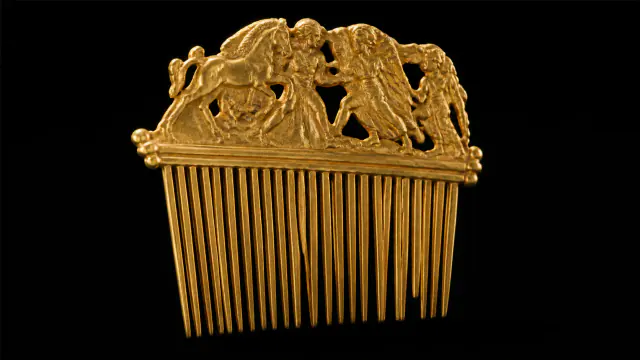
4th century BCE
The Solokha gold comb
Greek worlds
Approximate dating according to the record.
Read the record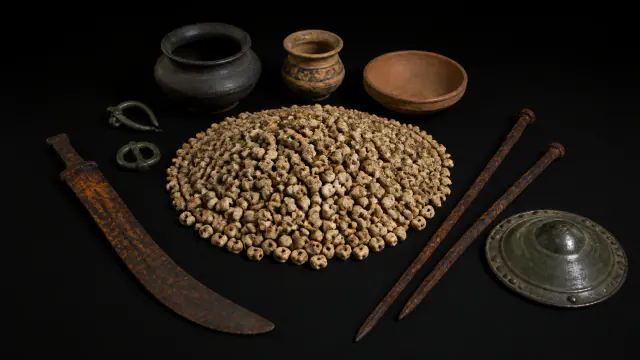
4th–3rd centuries BCE · necropolis chronology
453 astragali from Alarcos
Iberians
Funerary context chronology, not direct dating of each astragalus.
Read the record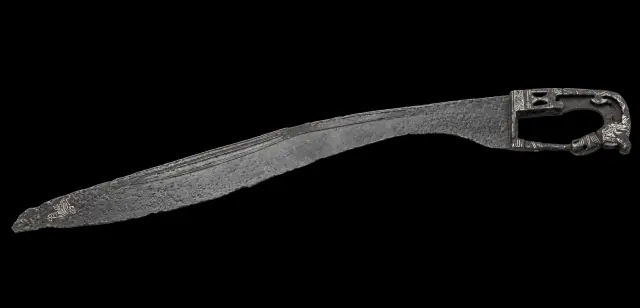
4th–3rd centuries BCE
Falcata from Almedinilla
Iberians
Approximate dating according to the record.
Read the record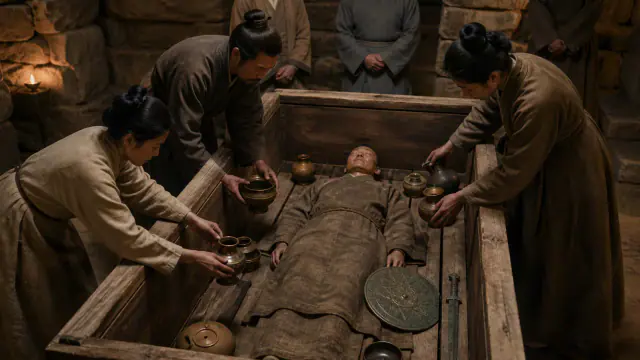
5th–1st centuries BCE
The blade became straight
Gojoseon and early Korea
Typological framework of production and deposits.
Read the record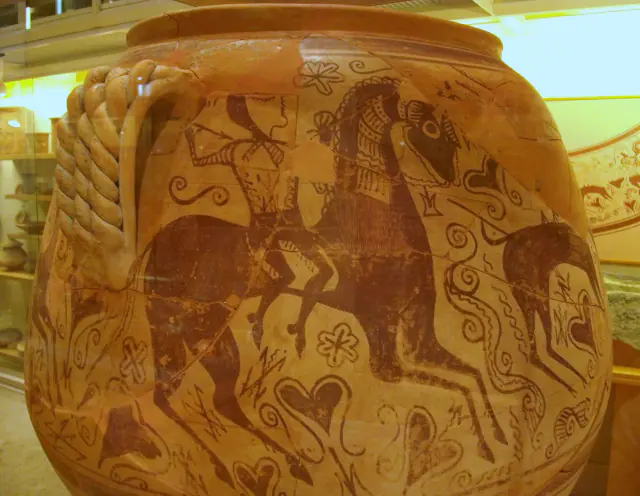
3rd–early 2nd century BCE
Vas dels Guerrers
Iberians
The full 3rd–2nd centuries BCE provide broad limits for chronological ordering; the record specifies the 3rd century and the early 2nd.
Read the record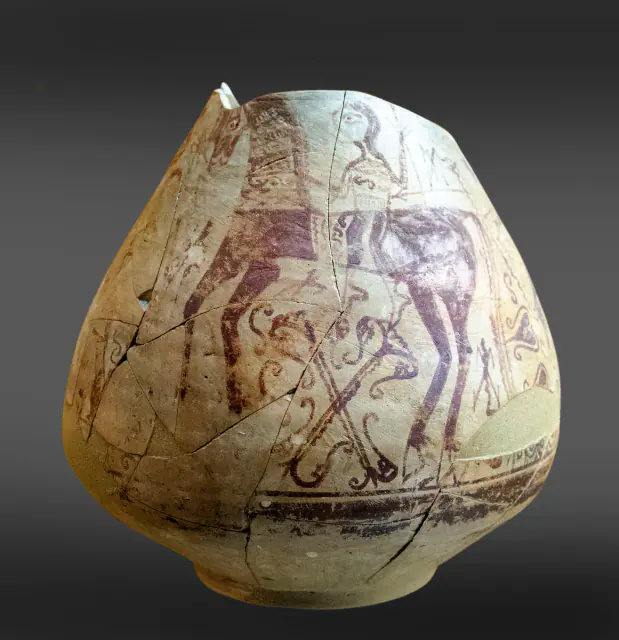
3rd–2nd centuries BCE
Warriors' Vase
Iberians
Approximate dating according to the record.
Read the record
Around 350–50 BCE
The Shield that Did Not Fight
Celtic worlds
Prestige object; actual combat use is not presupposed.
Read the record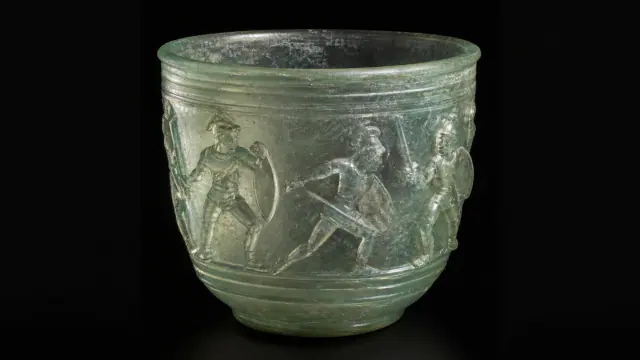
25–75 CE
Gladiators Cup of Chavagnes
Etruscans and Rome
Approximate dating according to the record.
Read the record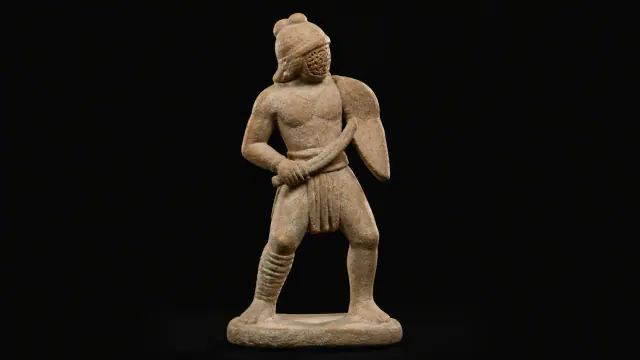
67–100 CE
Thracian Gladiator from Cádiz
Etruscans and Rome
Approximate dating according to the record.
Read the record
Also connected, without a comparable date (4)
These objects are not placed after the others: an unknown date does not mean a more recent object.
- Daegok-ri grave goodsGojoseon and early Korea · from c. 5th century BCE
- Dance with weaponsThracians · Towards 400 BCE. Xenophon's story
- Tools in relationBatwa / Twa histories · ca. 1947
- Weapons under the LakeCeltic worlds · Mainly 3rd–1st centuries BCE
A closer look
About 1 min to read · 1 section. Further reading and sources · free access. Editorial review recorded: .
A number obtained by gathering fragments
The four panoplies did not reach the researchers as complete and intact sets. Fernando Quesada reconstructed functional sets from fragmentary remains and contrasted their exceptional abundance with other necropolises. His comparison of 777 armed graves showed that 81.6% contained only between one and four weapons. In Baza, moreover, the pieces were exposed to fire and some show signs of hot folding. The researcher rejects that they were simply bent to make them fit: the pit had space. The inactivation forms part of the ritual problem that must be explained.
Location and territory
REGIONAL AREA
Mediterranean façade and peninsular south; not all Iberia was IberianMediterranean fringe and southern peninsula; not all Iberia was Iberian. The footprint indicates the orientative centre of the area, not a boundary nor an exact point.Where it is held
Museo Arqueológico Nacional (Madrid)
Item or group in the record · Permanent exhibition
Grave 155 of Baza · Room 11, case 11.17.
The holding institution is documented; public display may change. Check its official record before visiting.
Sources and references
Did you enjoy this exhibit?
Your opinion helps us improve the museum. You can change it whenever you like.
Loading your rating…