
 English
 Español
 Français
 Italiano
 Deutsch
 Русский
 Português
 Polski
 Română
 Svenska
 Norsk bokmål
 Suomi
 Türkçe
 العربية
 简体中文
 한국어
 हिन्दी
 Ελληνικά
BEFORE THE PALACES · c. 6000–1900 BCE
Before the Greeks
The island was already sailing before it had palaces
Before the palaces, the communities of Crete already lived in villages, cultivated and maintained contacts by sea.
Museum documentation · free public access, no account required.
Generated reconstruction · Declared visual hypothesis
Declared visual reconstruction for museographic context; it is not a photograph of the original nor documentary evidence.
History and context
Long before the courtyards of Knossos, Crete was already an island built by arrivals, cultivation and voyages. The first Neolithic communities established permanent villages and maintained maritime contacts because materials such as obsidian had to cross the Aegean. In the Early Bronze Age, metallurgy, seals, coastal settlements and collective tombs grew; objects and raw materials linked Crete with the Cyclades, Anatolia, the Levant and Egypt.
The Vasiliki pottery demonstrates that the workshops controlled fire with enormous precision centuries before the first palaces. 'Minoan' is a modern archaeological label, not the name those people gave themselves. The palatial world arose from this prepalatial network and not from a historical King Minos.
Evidence and interpretation
Documented fact: Hand-modelled jug with elongated spout, with a red and black mottled surface produced during firing. It comes from Vasiliki, in eastern Crete, and the British Museum dates it to c. 2400–2200 BCE. Interpretation and caution: The mottled effect is related to firing, but the exact reconstruction of each kiln manoeuvre remains experimental and the intention to imitate metal is not demonstrated. Historical transition: Permanent villages, navigation, collective tombs, seals and specialised workshops preceded the concentration of resources and ceremonies in the first Cretan palaces. Limit of the transition: 'Minoan' is a modern label; prepalatial connections do not prove a unified kingdom nor the historical existence of King Minos.
Catalogue facts
- Previous period
- c. 6000–1900 BCE
- Sphere of influence
- Crete and its maritime corridors towards the Cyclades, Anatolia, Egypt and the Levant
- Threshold element
- 'Teapot' of Vasiliki style
- Element date
- c. 2400–2200 BCE
- Location
- Vasiliki, Ierapetra, Crete
- Material or support
- fired pottery with red and black mottled surface
- Time frame
- c. 6000–1900 BCE
- Documented fact 01
- Minoan is a modern label popularised by Arthur Evans.
- Documented fact 02
- The Vasiliki pottery is prepalatial, approximately 2400–2200 BCE.
- Documented fact 03
- The first Cretan palaces are situated around 1900 BCE, not at the beginning of the Bronze Age.
- Visual credit
- Jebulon · CC0
A SHARED TOPIC, DIFFERENT MOMENTS
Objects connected through time
Follow a topic across the collections. A shared tag is a way to compare objects, not proof that one culture influenced another.
The order uses the midpoint of each approximate date range; ranges can overlap. Spacing does not represent elapsed time. Swipe, scroll or use the arrows. With the sequence focused, use ← / →, Home or End.
Ceramics39 dated objects
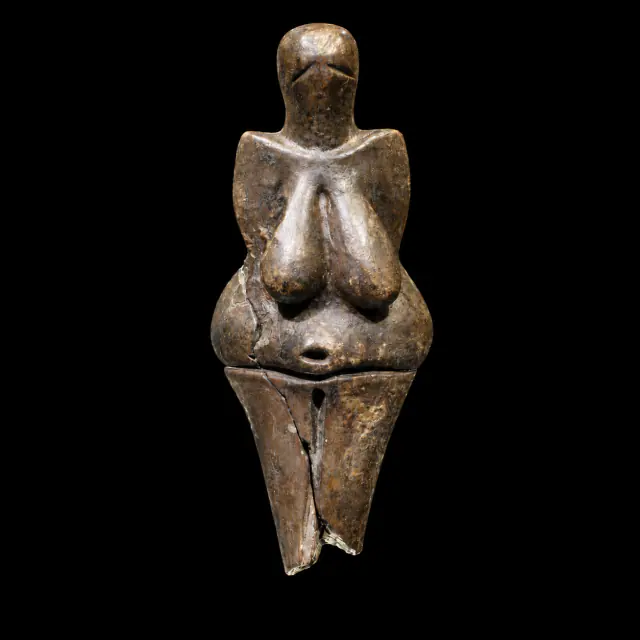
≈29,000–27,000 years
Dolní Věstonice I
Prehistory
Approximate catalogue age; editorial reference 2026 for ordering only, not calibrated dating.
Read the record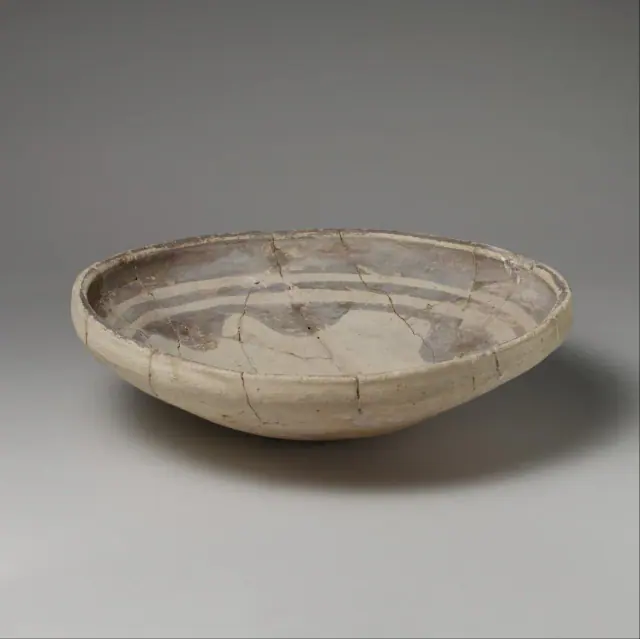
mid-6th–5th millennium BCE
Before Sumer
Sumer
The full 6th–5th millennia BCE provide broad limits for chronological ordering; the record qualifies the date as ‘mid’; the item's date is used, not the broader preceding period.
Read the record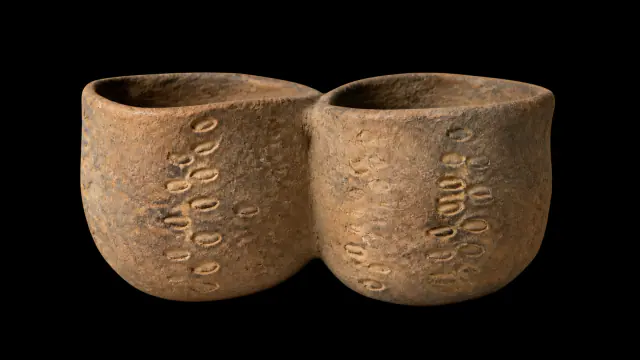
Early Neolithic · VI–V millennia BCE
Twin-chambered vessel from Cova de l’Or
Prehistory
Interval of the VI–V millennia BCE; no precise annual date.
Read the record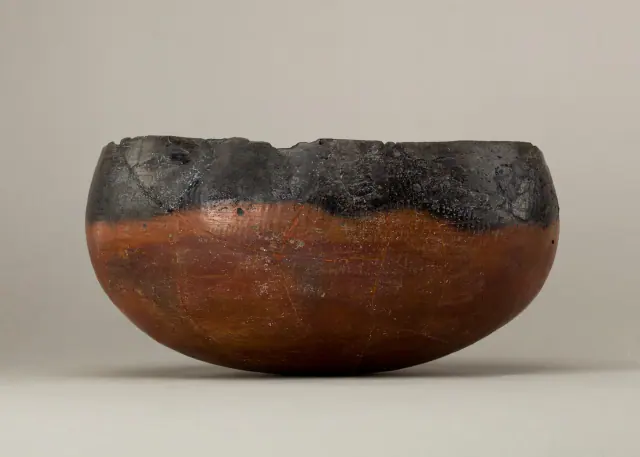
ca. 4400–3800 BCE
Before Egypt
Ancient Egypt
Date of the representative vessel, not of the entire predynastic period.
Read the record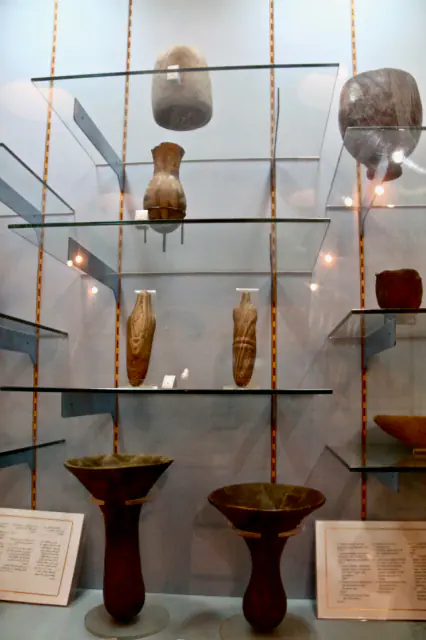
V–IV millennium BCE
Before Nubia
Nubia, Kerma and Kush
Interval of the V–IV millennia BCE of the element, not of the entire preceding period.
Read the record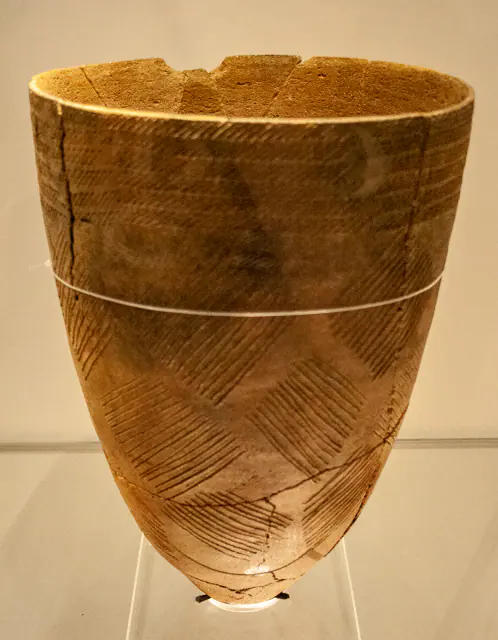
Middle Neolithic, c. 4000 BCE
Before Gojoseon
Gojoseon and early Korea
Date of the ceramic element, not of the preceding period.
Read the record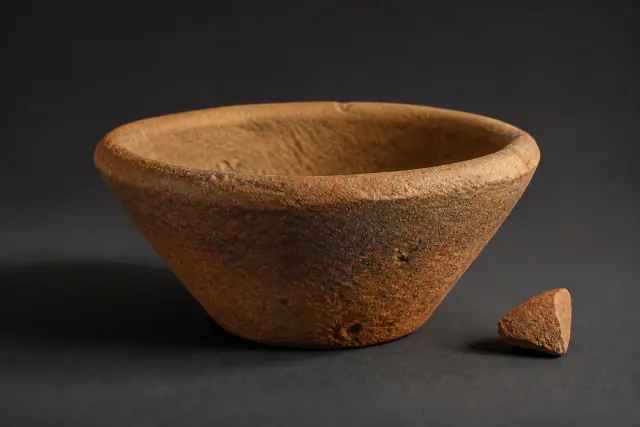
ca. 3500–3000 BCE
Bevel-rimmed bowl
Sumer
The wage ration hypothesis is not used as a functional label.
Read the record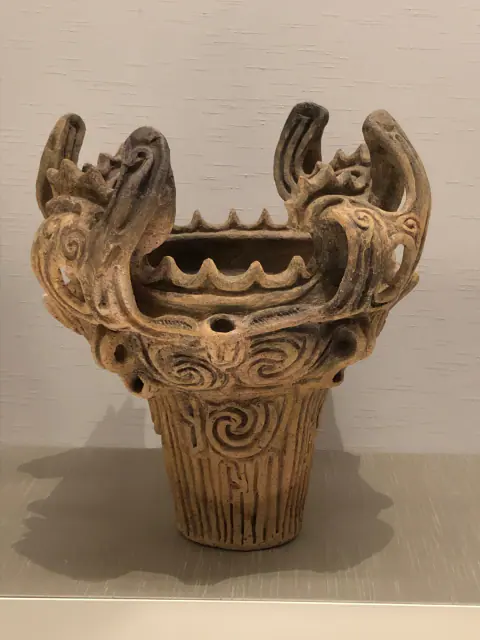
Middle Jōmon, ca. 3000 BCE
Before Yayoi
Yayoi Japan
Date of the Jōmon element, not of the entire preceding period.
Read the record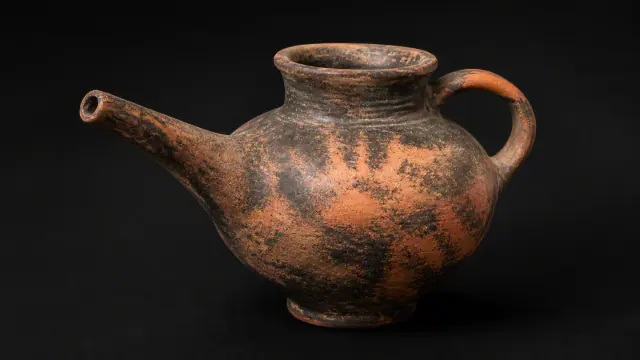
ca. 2500–2200 BCE
Overlapping datesVasiliki
Greek worlds
Date range for the regional pottery assemblage.
Read the record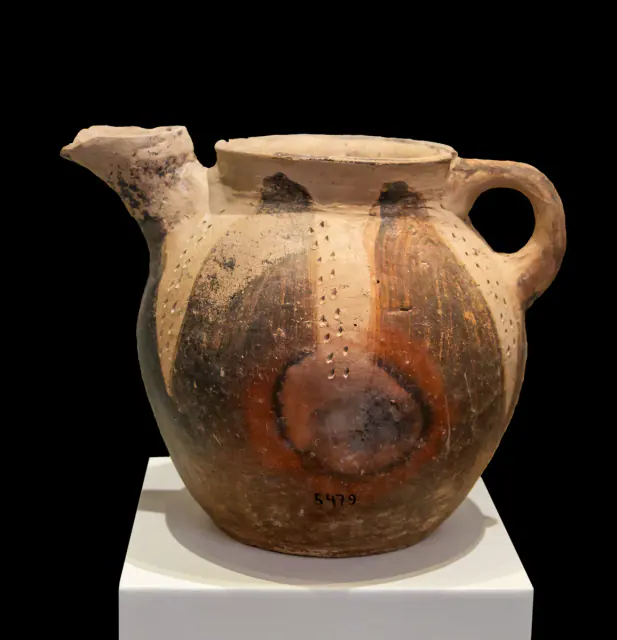 You are viewing
c. 2400–2200 BCE
Before the Greeks
Greek worlds
Approximate dating according to the record.
Current record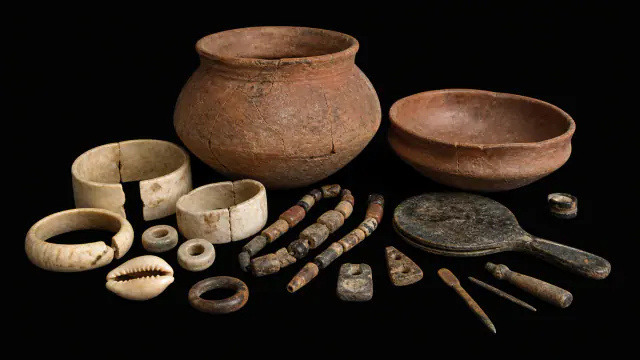
ca. 2550–2030 BCE
Overlapping datesCemetery R-37
Indus civilisation
Interval of the cemetery and its funerary group.
Read the record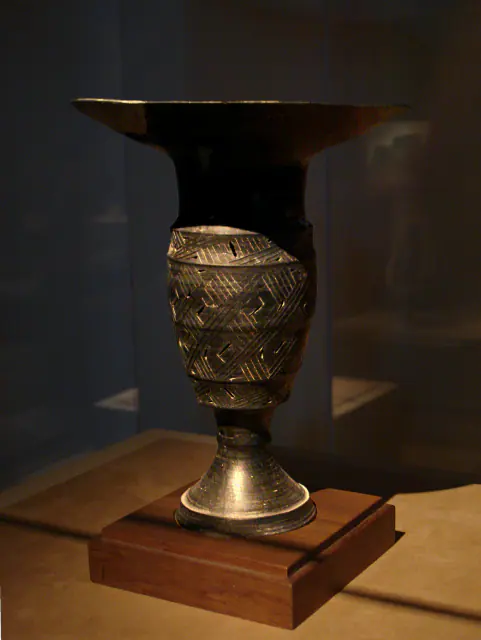
c. 2500–2000 BCE
Overlapping datesBefore Ancient China
Ancient China
Approximate dating according to the record.
Read the record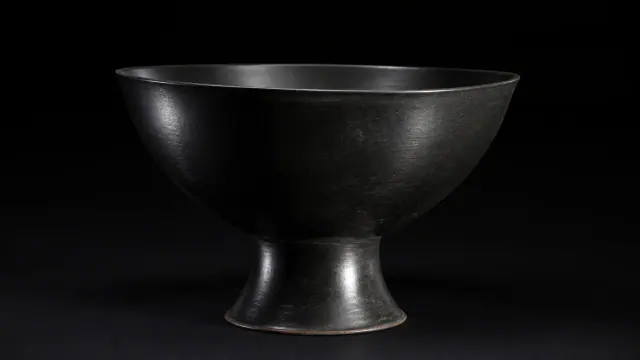
c. 2500–2000 BCE
Overlapping datesLongshan
Ancient China
Date range for the Longshan pottery assemblage.
Read the record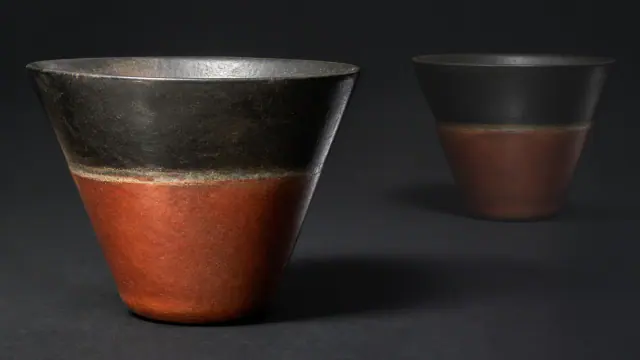
c. 1802–1640 BCE
Kerma vessel
Nubia, Kerma and Kush
Approximate dating according to the record.
Read the record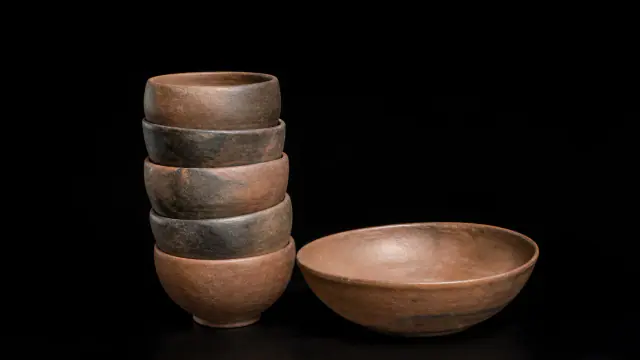
circa 1750–1550 BCE
Burial at K IV
Nubia, Kerma and Kush
Chronology of the funerary assemblage.
Read the record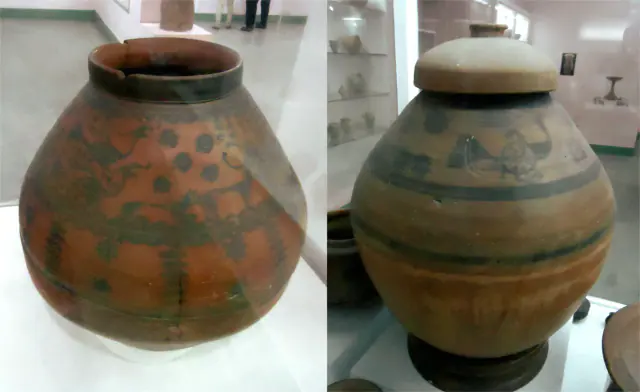
c. 1900–1300 BCE
Before Vedic India
Vedic and later Indian worlds
Approximate dating according to the record.
Read the record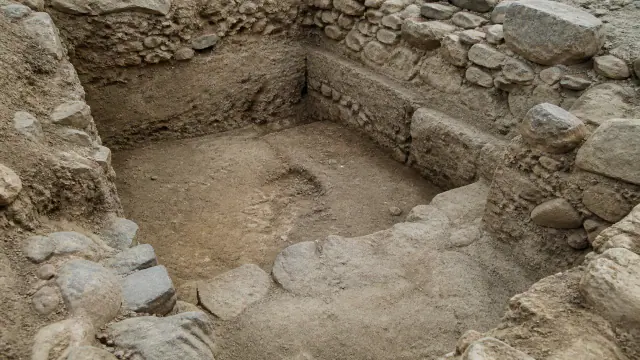
ca. 1700/1650–1200 BCE
Osmankayası and Ilıca
Hittites
The envelope of the explicit numerical alternatives is used as an orientative ordering framework: start towards 1700 or 1650 BCE and end towards 1200 BCE; framework of funerary assemblages, not a single manufacturing date.
Read the record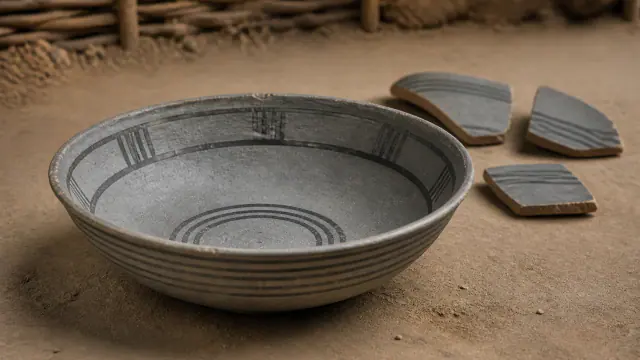
c. 1100–800 BCE in the classical sequence of Hastinapura
Grey bowl from Hastinapura
Vedic and later Indian worlds
Range of the Hastinapura pottery sequence, not the date of each vessel.
Read the record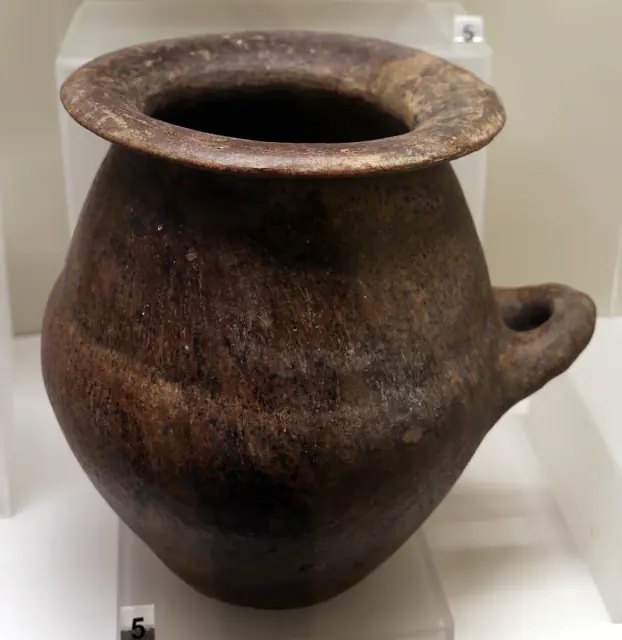
ca. 850–800 BCE
Before Etruscans and Rome
Etruscans and Rome
Approximate dating according to the record.
Read the record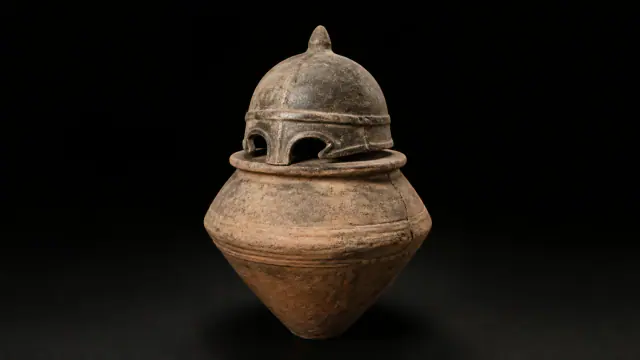
9th–8th centuries BCE
The urn under the helmet
Etruscans and Rome
Approximate dating according to the record.
Read the record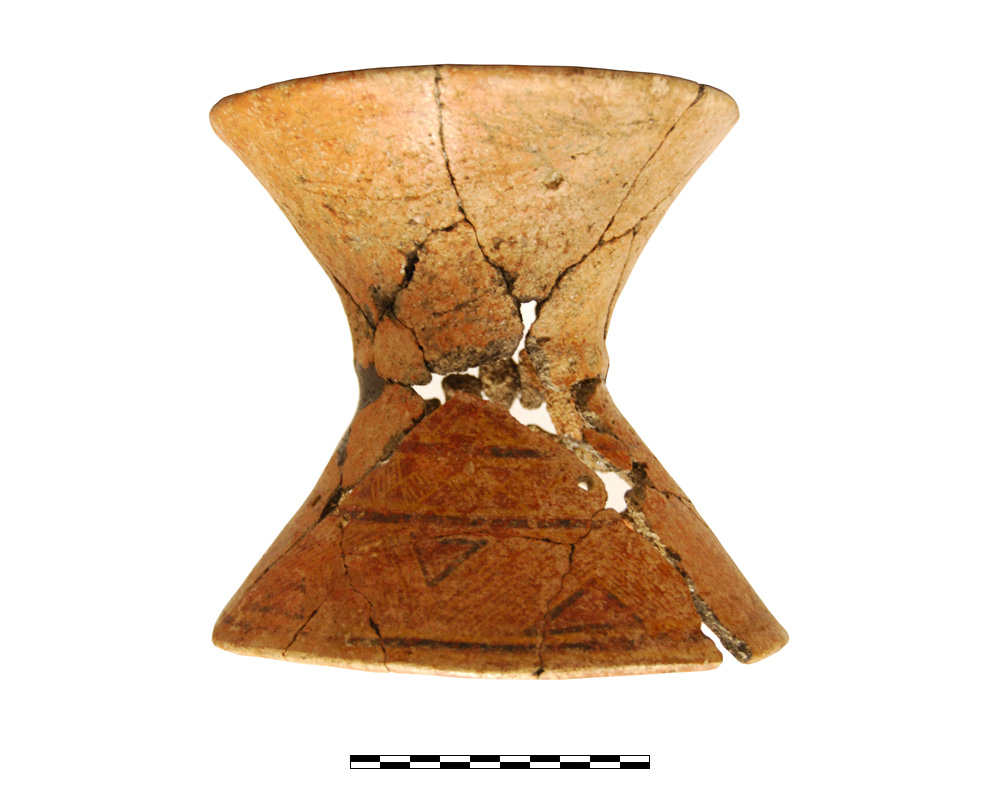
8th–7th centuries BCE · orientalizing
Ceramic stand 1010
Iberians
Chronology of the funerary context of Tomb 5, Orientalising horizon.
Read the record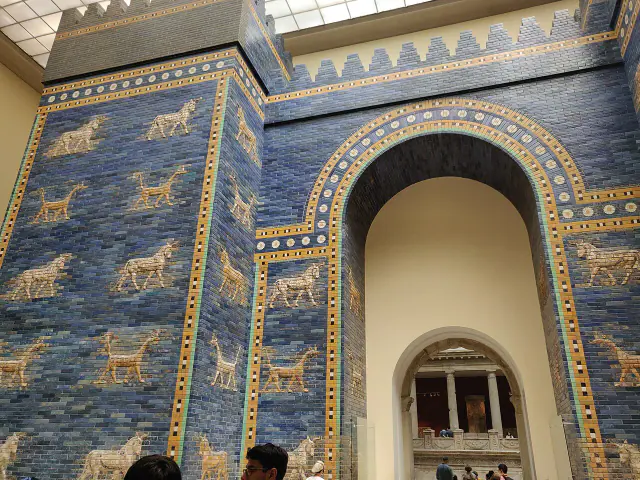
7th–6th centuries BCE · work of Nebuchadnezzar II
Ishtar Gate
Sumer
Wide interval of the piece and its phases; The museum setup is modern.
Read the record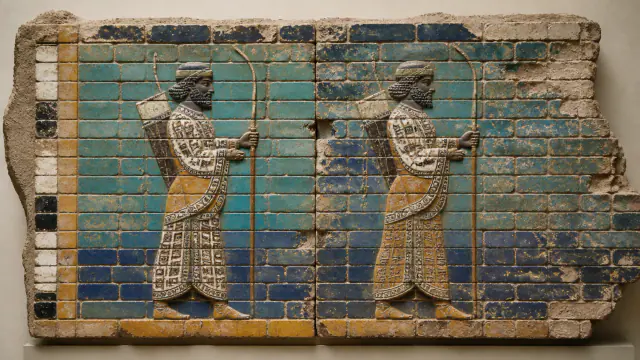
522–486 BCE
Glazed brick guards
Achaemenid Persia
Date range associated with the reign of the decoration.
Read the record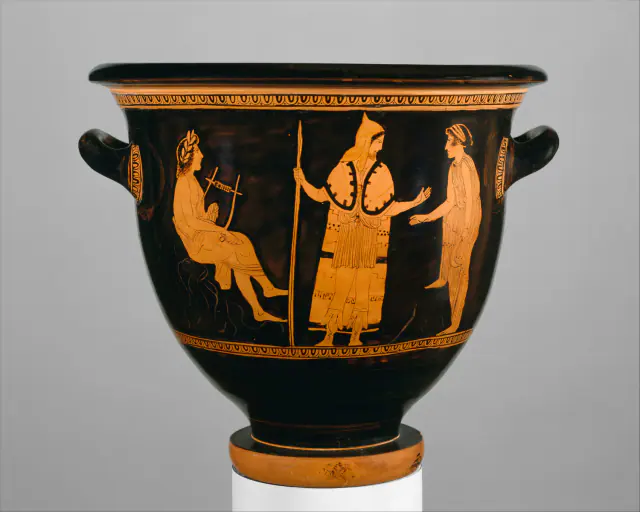
circa 440 BCE; attributed to the London Painter E 497.
Orpheus among the Thracians
Thracians
Approximate dating according to the record.
Read the record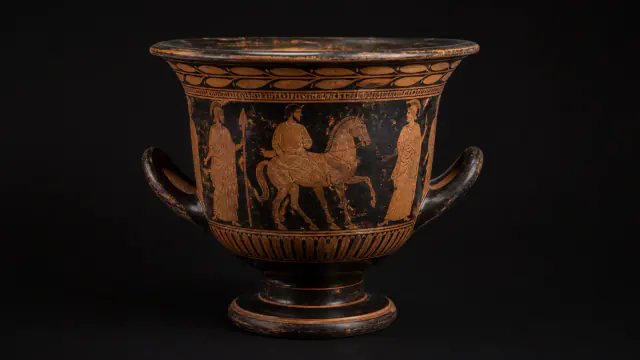
4th century BCE
The Attic krater that took on a new life in Cástulo
Greek worlds
Approximate dating according to the record.
Read the record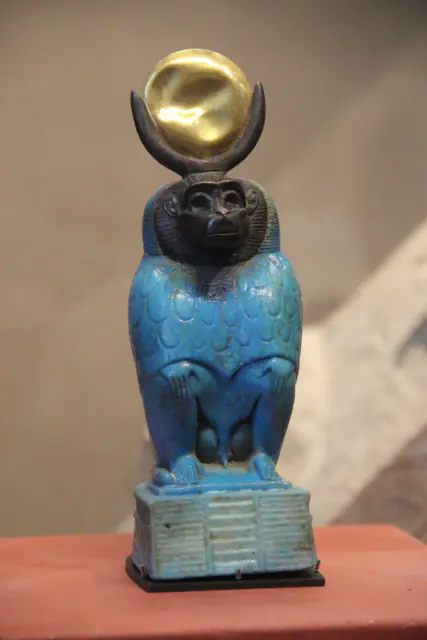
664–30 BCE
Thoth in the form of a baboon
Ancient Egypt
Approximate dating according to the record.
Read the record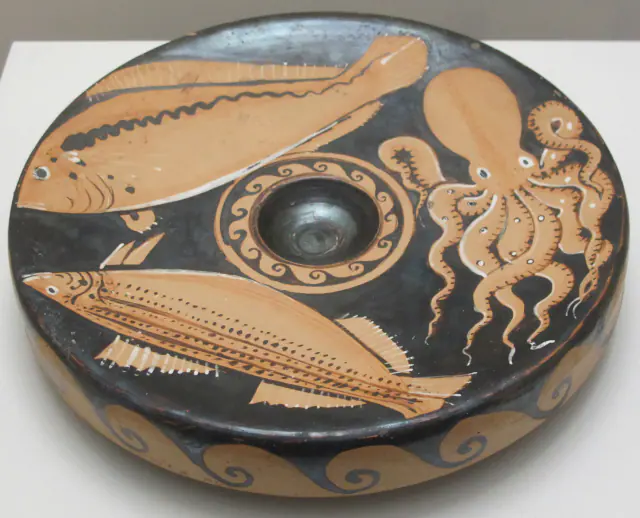
Last third 4th–early 3rd century BCE
Leipzig Fish Plate
Greek worlds
The full 4th–3rd centuries BCE provide broad limits for chronological ordering; the record specifies the last third of the 4th century and the early 3rd.
Read the record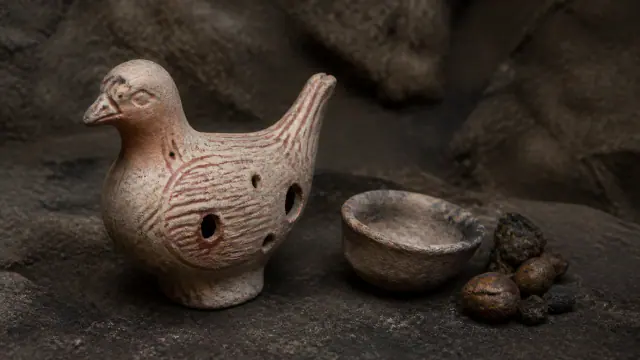
3rd century BCE
Dove of the Amarejo
Iberians
Approximate dating according to the record.
Read the record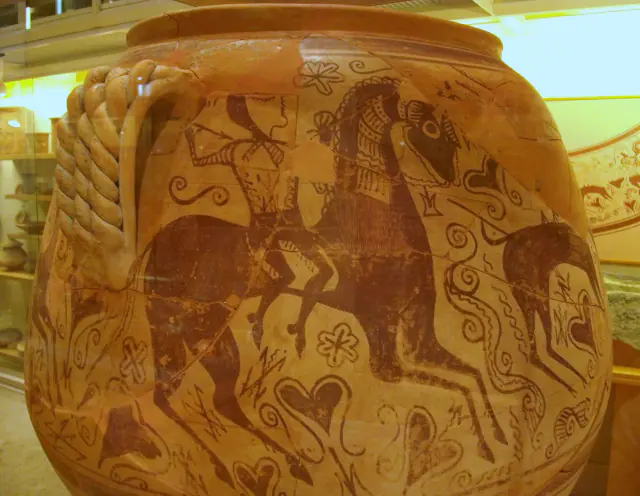
3rd–early 2nd century BCE
Vas dels Guerrers
Iberians
The full 3rd–2nd centuries BCE provide broad limits for chronological ordering; the record specifies the 3rd century and the early 2nd.
Read the record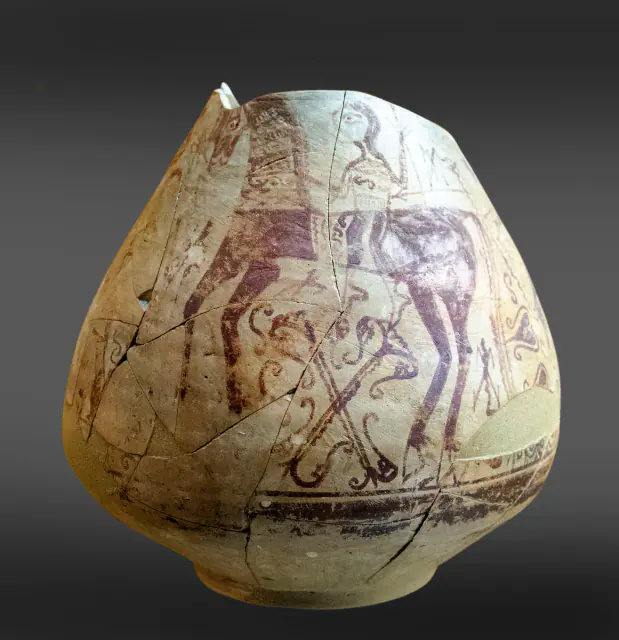
3rd–2nd centuries BCE
Warriors' Vase
Iberians
Approximate dating according to the record.
Read the record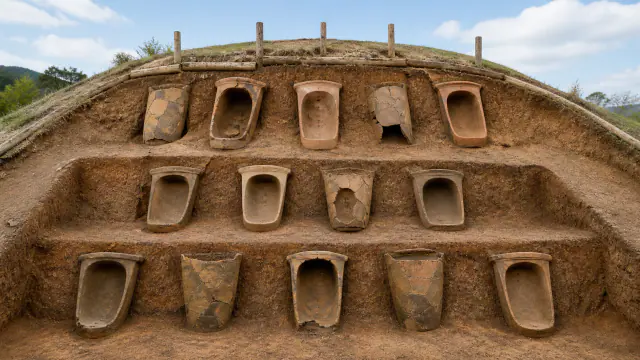
2nd–1st centuries BCE
Northern mound
Yayoi Japan
Date of the funerary assemblage.
Read the record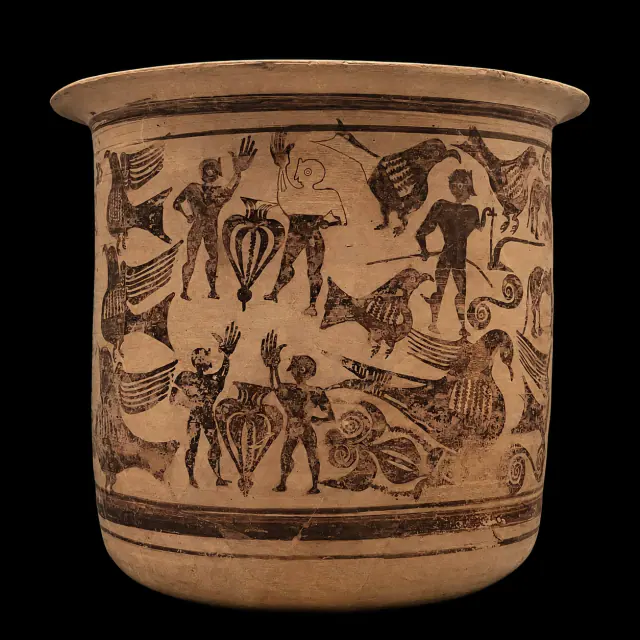
2nd–1st centuries BCE
Kalathos of Alcorisa
Iberians
Approximate dating according to the record.
Read the record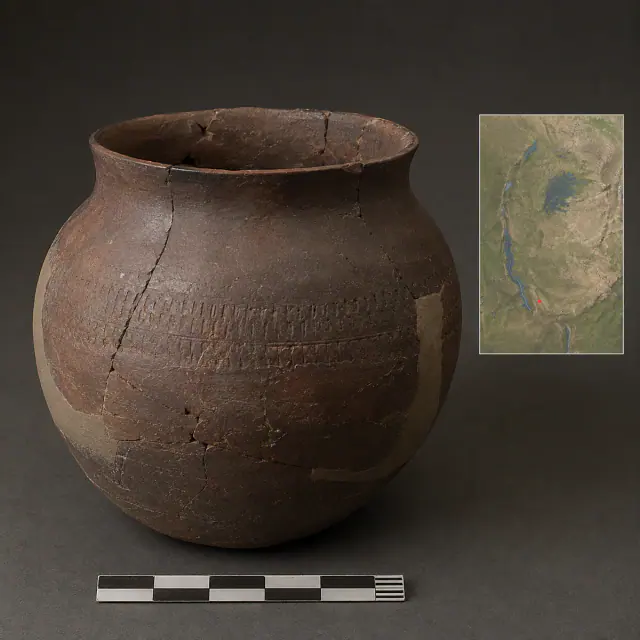
regional range c. 800 BCE–650 CE
Urewe vessel
Bantu-speaking worlds
Regional date range for the Urewe type, not an individual date for each vessel.
Read the record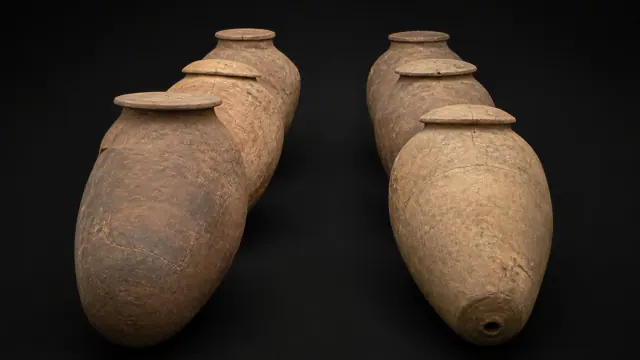
Mainly Middle Yayoi, 2nd century BCE–1st century CE
Two rows of coffins
Yayoi Japan
Framework of the cemetery and its ceramic coffins.
Read the record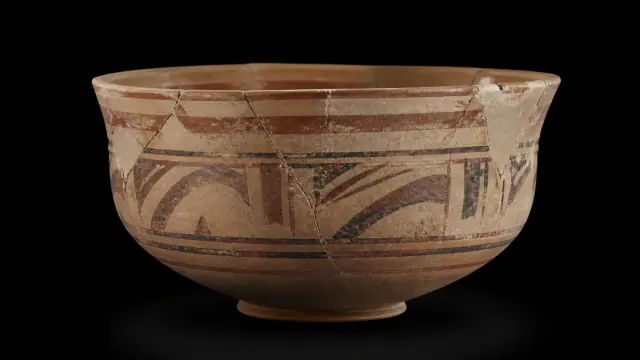
Last third of the 2nd century BCE–1st century CE
Ceramics that continued
Iberians
The full 2nd century BCE–1st century CE provide broad limits for chronological ordering; the record specifies the last third of the 2nd century BCE and the 1st century CE; this is a production date range, not the date of an individual object.
Read the record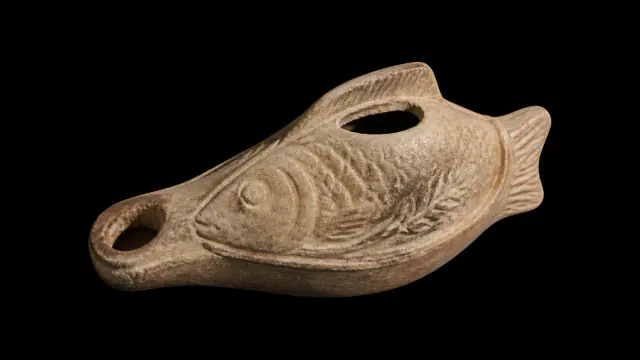
3rd–4th centuries CE
Egyptian oil lamp with a fish, held in Laon
Ancient Egypt
3rd–4th centuries CE
Read the record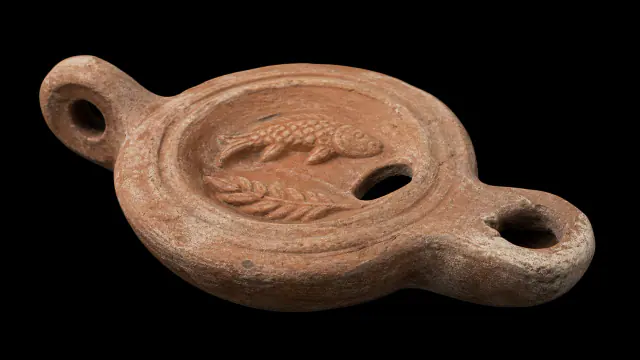
3rd–4th centuries CE
Laon lamp with fish
Etruscans and Rome
Approximate dating according to the record.
Read the record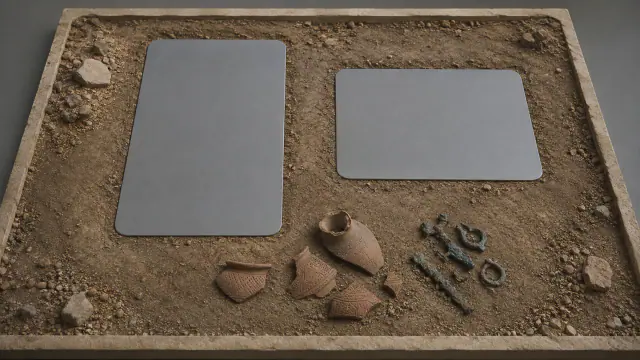
ca. 400 CE
Kabusanza, ca. 400
Batwa / Twa histories
Approximate date of the Kabusanza context; no automatic ethnic attribution.
Read the record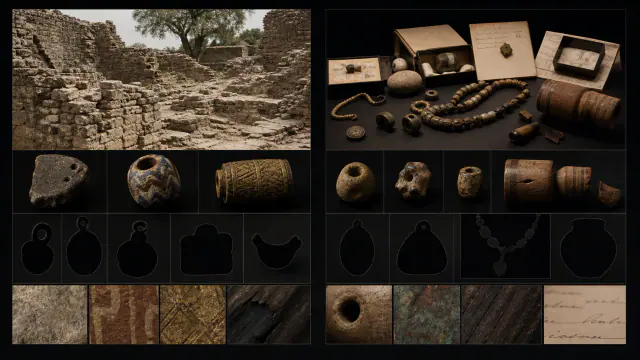
13th–15th centuries according to the heritage overview
Missing grave goods
Bantu-speaking worlds
Date range of the burial assemblage; incomplete individual inventories.
Read the record
Also connected, without a comparable date (17)
These objects are not placed after the others: an unknown date does not mean a more recent object.
- A Kerma vessel deposited at AbydosAncient Egypt · Second Intermediate Period
- A tradition that inventsBatwa / Twa histories · collected in 1993 or 1995
- A vase travels; the rite changesIberians · No individual dating published on this record
- AkrotiriGreek worlds · c. 1700–1500 BCE
- Dia’s strataMande Worlds · 9th century BCE–2nd millennium CE
- Early potteryMande Worlds · before ca. 9400 cal BCE
- Jenne-jeno contextsMande Worlds · ca. 250 BCE–1400 CE
- Liédena FlaskEtruscans and Rome · Roman period · individual chronology not published in the entry
- LothalIndus civilisation · ca. 2400–1600 BCE
- Made in GaramaGaramantes · I millennium BCE–I millennium CE
- Nile towards NubiaAncient Egypt · ca. 3300–2800 BCE
- The unfinished gestureBatwa / Twa histories · 1947
- Three hundred lives in the sandYayoi Japan · Mainly 4th century BCE–3rd century CE
- Travelling objectsGaramantes · Mainly Roman period
- Trumpet from NumantiaIberians · No individual dating published on this record
- Urns from AdichanallurVedic and later Indian worlds · Iron Age · samples towards 665 and 467 BCE
- Vessels without a languageBantu-speaking worlds · Urewe, broad regional range ca. 800 BCE–650 CE
A closer look
About 1 min to read · 1 section. Further reading and sources · free access. Editorial review recorded: .
Beneath the palace were bones and wheat
Excavations at Knossos during the 1950s and 1960s descended to the base of a hill formed by millennia of human occupation. In the lower levels appeared bones of cattle, sheep, goat and pig, together with charred wheat grains. The Ashmolean places these testimonies in the seventh millennium BCE. Some bones were reused to make utensils, including a spoon. They are evidence of husbandry, cultivation and food preparation thousands of years before the monumental stores: a story of subsistence that was physically buried beneath the most celebrated architecture.
- Museum · Andrew Shapland · Dining with the Minoans, Ashmolean MuseumAccess recorded: .
The region before this culture
c. 6000–1900 BCE · Crete and its maritime corridors towards the Cyclades, Anatolia, Egypt and the Levant
c. 6000–4500 BCE · Documented
The Neolithic village of Knossos
Permanent farming communities settled in Crete and maintained contacts that necessarily crossed the sea.
c. 4500–2600 BCE · Documented
From Final Neolithic to Early Bronze
Maritime contacts continued and, from c. 3200 BCE, metallurgy, seals, coastal settlements and collective tombs expanded the scale of the communities.
ca. 2600–1900 BCE · Documented
Prepalatial Crete
Workshops such as those of Vasiliki and long-distance networks preceded the first palatial complexes.
What changes and what we should not assume
Permanent villages, navigation, collective tombs, seals and specialised workshops preceded the concentration of resources and ceremonies in the first Cretan palaces.
'Minoan' is a modern label; prepalatial connections do not prove a unified kingdom nor the historical existence of King Minos.
'Teapot' of Vasiliki style
c. 2400–2200 BCE · Vasiliki, Ierapetra, Crete
Vasiliki jar with elongated spout whose red and black surface was not painted as a drawing: the mottled effect arose from uneven control of oxygen and temperature inside the kiln. It comes from Vasiliki, in eastern Crete, a settlement destroyed towards 2200 BCE. Its profile has suggested comparisons with metal vessels, but what is demonstrable is prepalatial experimentation and an extraordinarily steady hand from the workshop. The fire created the colour pattern and, paradoxically, a fire preserved the context of the settlement that produced it.
Hand-modelled jug with an elongated spout, with a mottled red and black surface produced during firing. It comes from Vasiliki in eastern Crete, and the British Museum dates it to c. 2400–2200 BCE.
The mottled effect is related to firing, but the exact reconstruction of each kiln manoeuvre remains experimental, and the intention to imitate metal is not demonstrated.
fired pottery with red and black mottled surface
Wikimedia Commons · Vasiliki_ware_tea_pot_archmus_Heraklion.jpg · Jebulon · CC0
- Time frame
- c. 6000–1900 BCE
- Documented fact 01
- Minoan is a modern label popularised by Arthur Evans.
- Documented fact 02
- The Vasiliki pottery is prepalatial, approximately 2400–2200 BCE.
- Documented fact 03
- The first Cretan palaces are situated around 1900 BCE, not at the beginning of the Bronze Age.
Where it is held
The British Museum
Reference material evidence · Documented collection
Vasiliki ware used as a material anchor for the prepalatial period; it does not by itself represent the entire threshold.
The holding institution is documented; public display may change. Check its official record before visiting.
Sources and references

Did you enjoy this exhibit?
Your opinion helps us improve the museum. You can change it whenever you like.
Loading your rating…