
 English
 Español
 Français
 Italiano
 Deutsch
 Русский
 Português
 Polski
 Română
 Svenska
 Norsk bokmål
 Suomi
 Türkçe
 العربية
 简体中文
 한국어
 हिन्दी
 Ελληνικά
Neo-Babylonian
Ishtar Gate
The Ishtar Gate and the entrance to Babylon
Colored bricks and animals decorated one of the great entrances to Babylon.
Museum documentation · free public access, no account required.
Physical replica · Exact correspondence
Partial view of the museum assembly of the Ishtar Gate in Berlin: physical reconstruction with ancient fragments and modern additions.
Kurt Kaiser · Staatliche Museen zu Berlin, Vorderasiatisches Museum, Pergamonmuseum · Inventory: Sin inventario unitario en la ficha de conjunto · Componentes: VA Bab 01408–01456 y VA Bab 07661 · CC0 1.0
History and context
The relief animals and glaze were part of a monumental entrance to Babylon. The door reminds us that architecture communicated: the visitor did not find just a passage between walls, but a carefully constructed image of the city.
What is seen in Berlin is a reconstruction of the outer door, the smallest one. It brings together ancient fragments and extensive modern parts. Recognizing this montage does not diminish its interest: it allows us to understand how much work was required to study, organize and display the remains.
Evidence and interpretation
Museographic reconstruction with original material, not complete transfer of the entire old door. The components have their own inventories; The linked sheet describes the set.
Catalogue facts
- Date of piece
- 7th–6th centuries BCE · work of Nebuchadnezzar II
- Culture and period
- Neo-Babylonian
- Provenance
- Babylon, Iraq
- Material
- Glazed brick; museographic setup with modern additions
- Inventory
- Ischtar-Tor assembly · SMB object 1744146
A SHARED TOPIC, DIFFERENT MOMENTS
Objects connected through time
Follow a topic across the collections. A shared tag is a way to compare objects, not proof that one culture influenced another.
The order uses the midpoint of each approximate date range; ranges can overlap. Spacing does not represent elapsed time. Swipe, scroll or use the arrows. With the sequence focused, use ← / →, Home or End.
Architecture8 dated objects
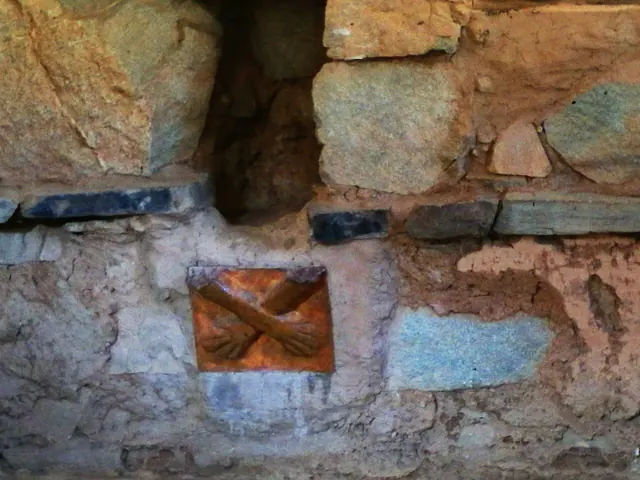
Kotosh-Mito Tradition, c. 2200–1500 BCE; the enclosure is usually situated around 1800 BCE.
Before Pre-Inca Cultures
Pre-Inca cultures
Element tradition interval; "around 1800" orients the enclosure.
Read the record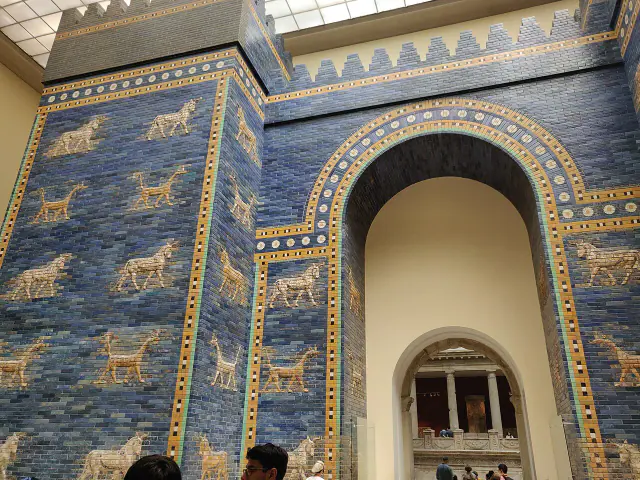 You are viewing
7th–6th centuries BCE · work of Nebuchadnezzar II
Ishtar Gate
Sumer
Wide interval of the piece and its phases; The museum setup is modern.
Current record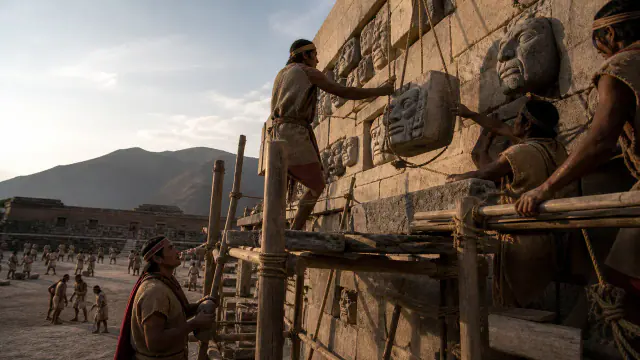
c. 800–300 BCE
Overlapping datesHeads on the wall
Pre-Inca cultures
Framework of the set of architectural heads.
Read the record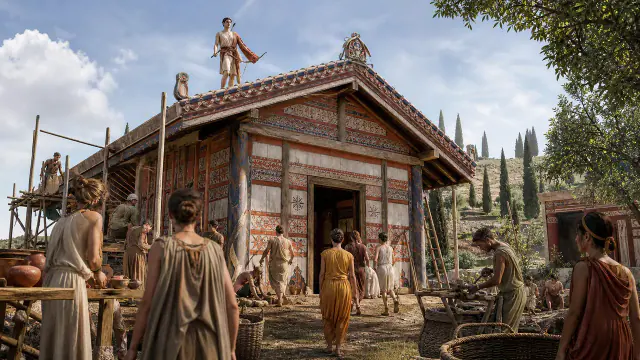
Towards 510–500 BCE
Overlapping datesThe god on the roof
Etruscans and Rome
Approximate dating according to the record.
Read the record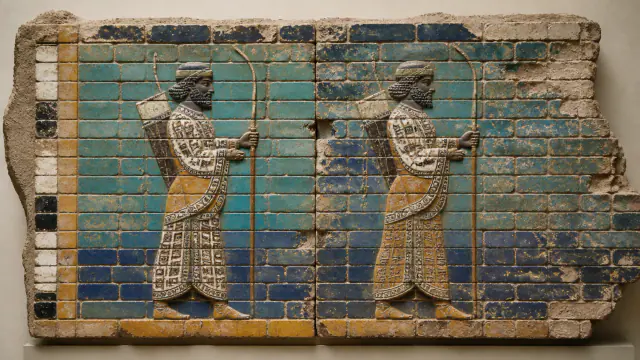
522–486 BCE
Overlapping datesGlazed brick guards
Achaemenid Persia
Date range associated with the reign of the decoration.
Read the record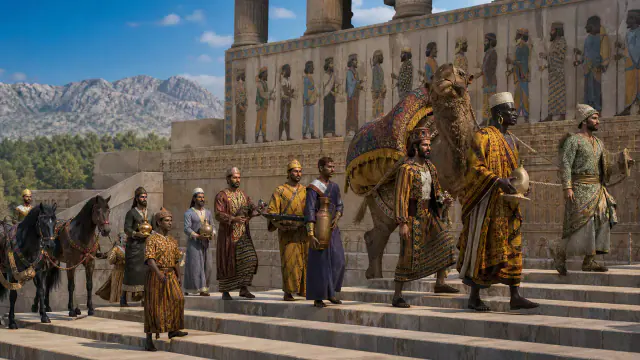
6th–5th centuries BCE, mainly under Darius and Xerxes
Overlapping datesTwenty-three delegations
Achaemenid Persia
Interval of the monumental programme under several reigns.
Read the record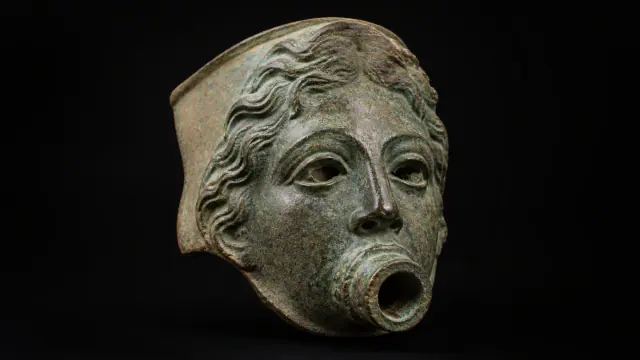
101–125 CE
Torreáguila fountain spout
Etruscans and Rome
Approximate dating according to the record.
Read the record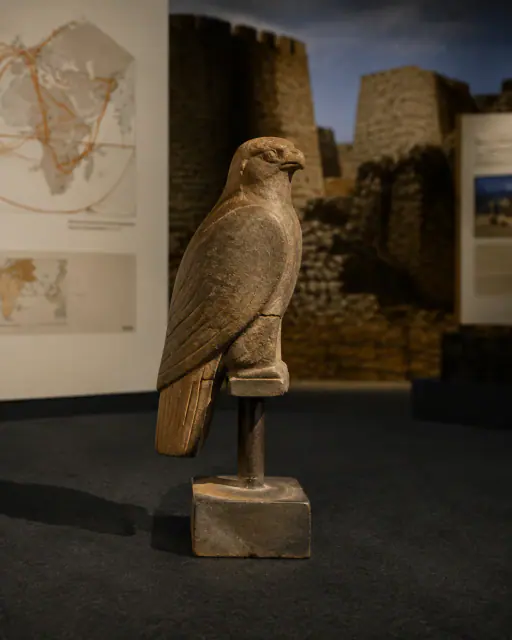
main period of Great Zimbabwe, c. 12th–15th centuries
Zimbabwe birds
Bantu-speaking worlds
Main period of the architectural complex, not the simultaneous manufacture of the birds.
Read the record
Also connected, without a comparable date (13)
These objects are not placed after the others: an unknown date does not mean a more recent object.
- A White Wall on the DanubeCeltic worlds · 6th century BCE
- CemeteryIndus civilisation · ca. 2600–1900 BCE
- Dia’s strataMande Worlds · 9th century BCE–2nd millennium CE
- Four gardens and waterAchaemenid Persia · 6th century BCE
- Jenne-jeno contextsMande Worlds · ca. 250 BCE–1400 CE
- Kumbi SalehMande Worlds · medieval occupation; prominent phases between the 11th and 13th centuries
- Livestock and moundsNubia, Kerma and Kush · c. 2050–1500 BCE
- LothalIndus civilisation · ca. 2400–1600 BCE
- Rice on stiltsYayoi Japan · Especially 1st–3rd centuries CE
- Rome learns in terracottaEtruscans and Rome · End of the sixth century BCE
- The altar cordVedic and later Indian worlds · Approximate composition and transmission c. 800–500 BCE, with revisions
- The quarry remained visibleGojoseon and early Korea · Mainly 6th–5th centuries BCE
- Tichitt wallsMande Worlds · II–I millennia BCE
A closer look
About 1 min to read · 1 section. Further reading and sources · free access. Editorial review recorded: .
Divine animals in a fortified entrance
Bulls and dragons were not interchangeable ornaments: the catalog links the former to Adad and the latter to Marduk. The name Ishtar does not mean that every animal represents that goddess. The old entrance was double; Crossing it meant traveling about forty-eight meters. Its guard quarters included its own cistern. The complex brought together military protection, urban circulation and religious images: different aspects of the same monumental door.
- Museum · Staatliche Museen zu Berlin · Ischtar-TorAccess recorded: .
Where it is held
Vorderasiatisches Museum, Staatliche Museen zu Berlin
Item or group in the record · Documented collection
Institution that preserves the piece; Check with the museum about its availability to visit.
The holding institution is documented; public display may change. Check its official record before visiting.
Sources and references
Did you enjoy this exhibit?
Your opinion helps us improve the museum. You can change it whenever you like.
Loading your rating…