
 English
 Español
 Français
 Italiano
 Deutsch
 Русский
 Português
 Polski
 Română
 Svenska
 Norsk bokmål
 Suomi
 Türkçe
 العربية
 简体中文
 한국어
 हिन्दी
 Ελληνικά
HISTORIOGRAPHICAL ARCHIVE · FROM HECATAEUS TO AVENIUS
49 Classical Voices
Forty-nine gazes, none neutral
Much of what was written about Iberia originated outside Iberia and long after the events.
Museum documentation · free public access, no account required.
Generated reconstruction · Declared visual hypothesis
Declared visual reconstruction; not a photograph of the original nor documentary evidence.
History and context
The archive brings together forty-nine testimonies: Greek geographical accounts, Punic and Roman war narratives, ethnographies, descriptions of weapons, mining and mercenaries, and the archaizing memory of the coast. Hecataeus, Herodotus, Polybius, Diodorus, Strabo, Livy, Pliny, Appian and Avienus do not form a single tradition nor did they write at the same time.
They are not forty-nine Iberian voices. They are external authors who selected the strange, the useful or the exemplary for their own readers. Some knew of nearby events; others compiled lost texts or projected Roman categories onto earlier societies.
The most surprising effect of the corpus is temporal: a late passage may be the sole surviving window onto a much earlier report. This gives it immense value and, at the same time, obliges one to reconstruct the transmission chain before treating it as fact.
The room preserves the complete inventory in its master document. Each testimony is used with four questions: when was it written, where does the news come from, what does it actually assert, and what cannot be demonstrated without archaeology.
Evidence and interpretation
Documented fact: the corpus supplied identifies 49 ancient passages or fragments and preserves their textual location and historiographical value. Interpretation and caution: literary repetition does not equal independent confirmation, and no generalisation by an external author should be automatically attributed to all Iberian communities.
Catalogue facts
- Narrative date
- Authors and traditions between the 6th century BCE and 4th century CE
- Location
- Greek and Roman Mediterranean · accounts on Iberia/Hispania
- Material
- Texts transmitted by manuscripts, fragments and critical editions
- Context
- Historiographical archive of 49 testimonies · obligatory archaeological contrast
- Classification
- Iberian collection or explicit interpretive resource
- Visual reference
- Manuscript, critical edition and provenance map of the authors; avoid pretending they are Iberian eyewitness portraits
A SHARED TOPIC, DIFFERENT MOMENTS
Objects connected through time
Follow a topic across the collections. A shared tag is a way to compare objects, not proof that one culture influenced another.
The order uses the midpoint of each approximate date range; ranges can overlap. Spacing does not represent elapsed time. Swipe, scroll or use the arrows. With the sequence focused, use ← / →, Home or End.
THE CURRENT OBJECT
Its date is not sufficiently established to place it on the timeline. We keep it here, separate from the dated objects.
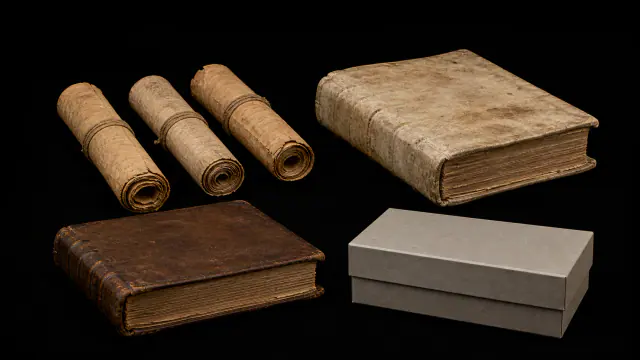 You are viewing
Authors and traditions between the 6th century BCE and 4th century CE
49 Classical Voices
Iberians
Archive of authors and traditions, not a dated piece.
Current recordWriting35 dated objects
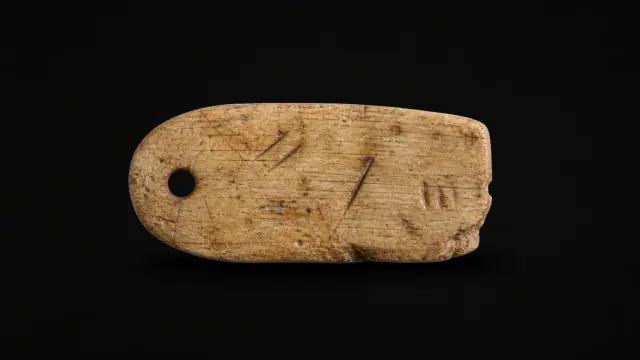
ca. 3300–3100 BCE
Naqada labels
Ancient Egypt
Date range for the assemblage of labels and inscribed materials, not a single object.
Read the record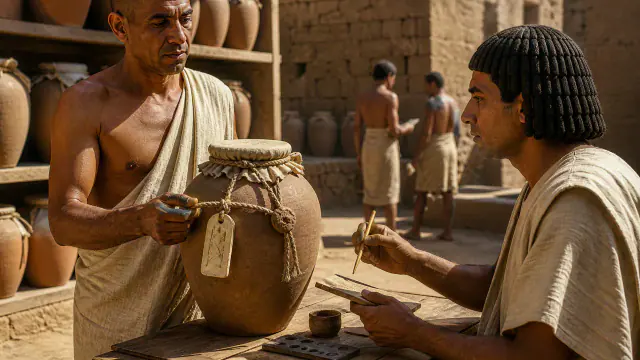
c. 3100–2900 BCE
Ivory tablets
Ancient Egypt
Date range for the assemblage of tablets and labels.
Read the record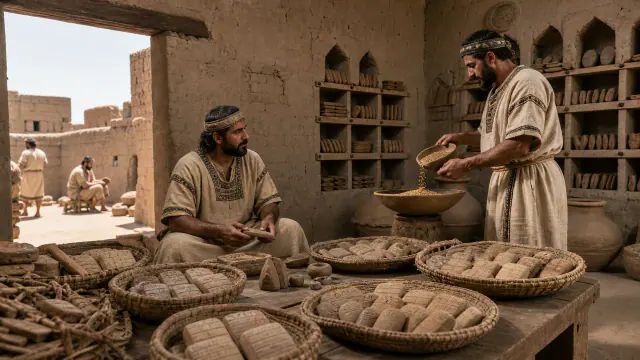
c. 3100–2900 BCE
Jemdet Nasr
Sumer
Approximate dating according to the record.
Read the record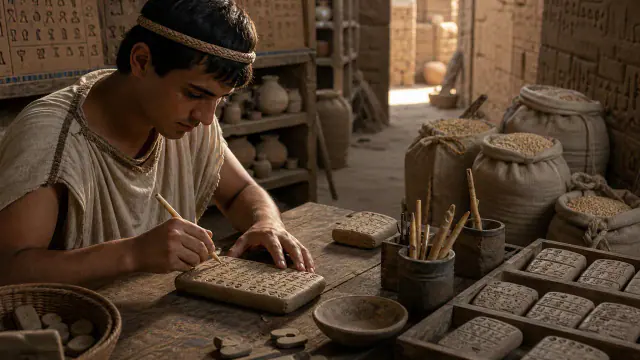
c. 3100–2900 BCE
Account of malt and barley
Sumer
Approximate dating according to the record.
Read the record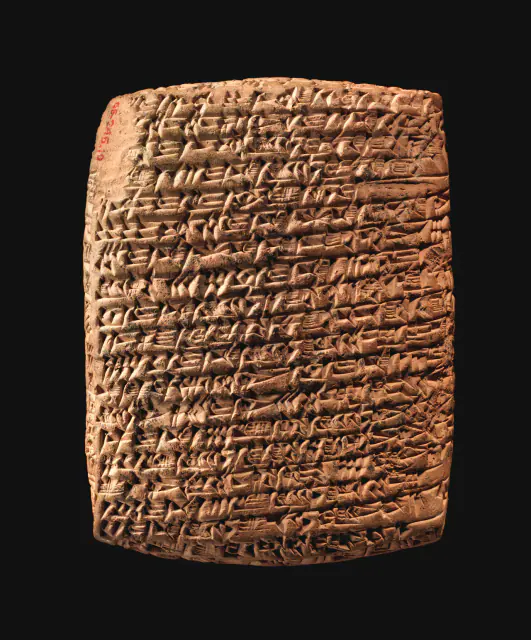
c. 19th century BCE
Before the Hittites
Hittites
Date of the representative document, not of the entire preceding period.
Read the record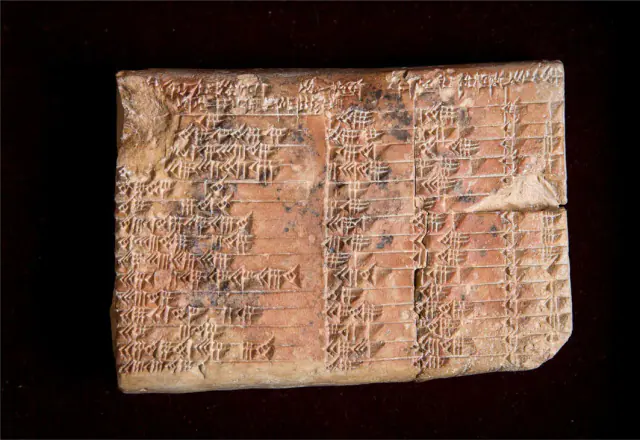
Paleo-Babylonian period · around 1800 BCE
Plimpton 322
Sumer
Approximate dating according to the record.
Read the record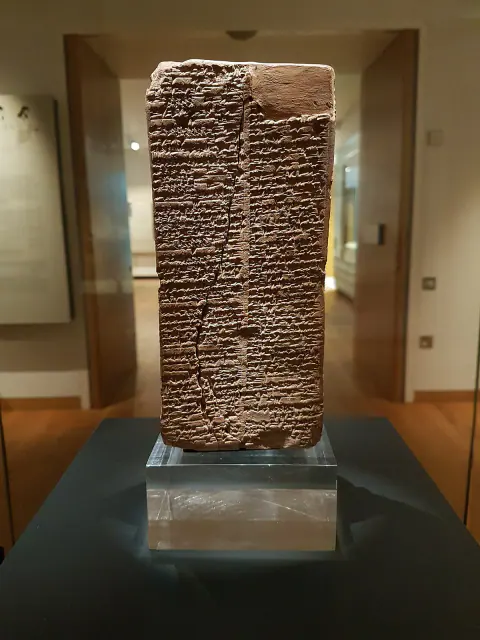
Towards 1800 BCE
Sumerian King List
Sumer
Date of preserved copy, not of reigns listed.
Read the record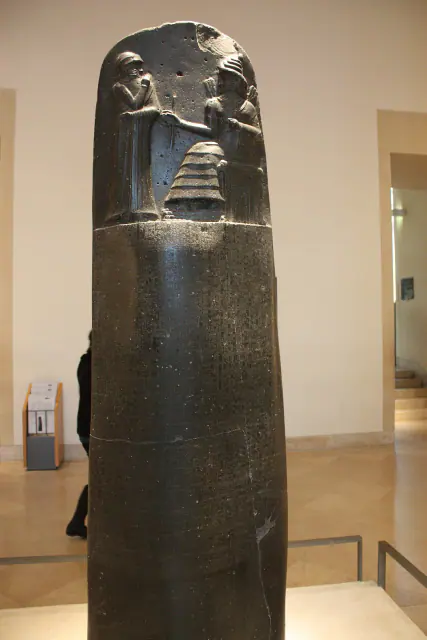
Towards 1750 BCE
Stele of Hammurabi
Sumer
Approximate dating according to the record.
Read the record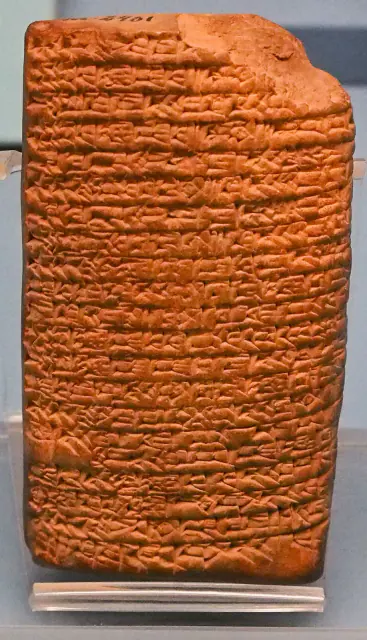
Paleo-Babylonian copy, around 1900–1600 BCE according to CDLI
Love song to Shu-Sin
Sumer
Date of the preserved Paleo-Babylonian copy, not of the origin of the song.
Read the record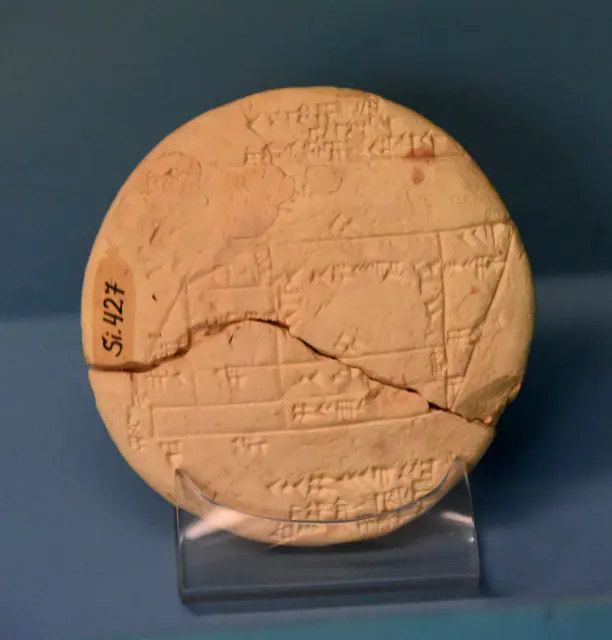
Towards 1900–1600 BCE · paleobabylonian; uncertain chronological attribution in CDLI
Si.427 tablet
Sumer
Unclear chronological attribution in CDLI.
Read the record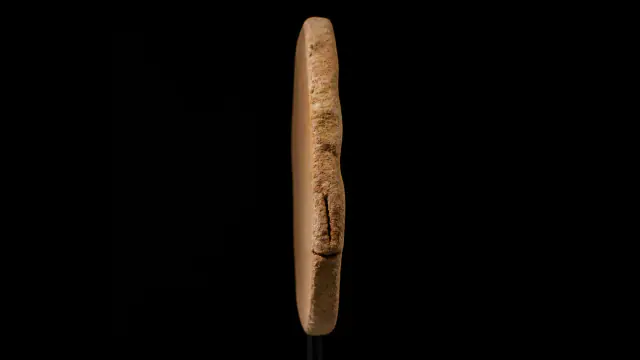
≈1700–1650 BCE
Phaistos Disc
Greek worlds
The signs have no accepted reading.
Read the record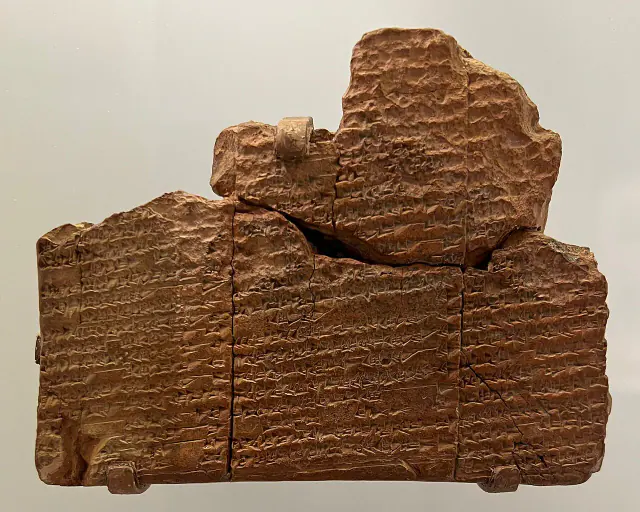
Towards 1650 BCE
Sumerian Flood of Nippur
Sumer
Approximate dating according to the record.
Read the record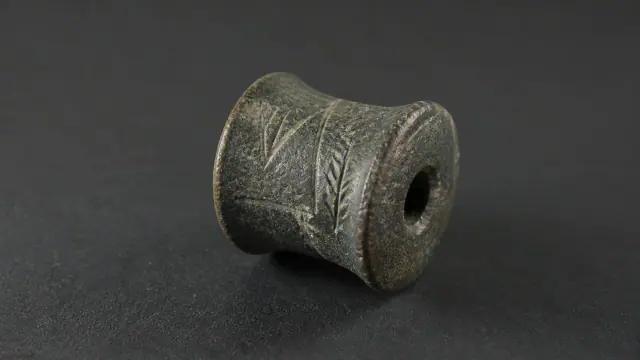
c. 1700–1500 BCE
Linear A
Greek worlds
Date range for the inscribed object; its language has not been securely deciphered.
Read the record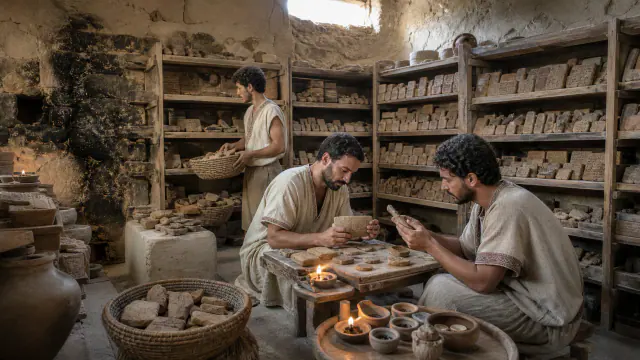
Above all 17th–13th centuries BCE
Boğazköy Archive
Hittites
Main date range for the archive, not a single date for all the tablets.
Read the record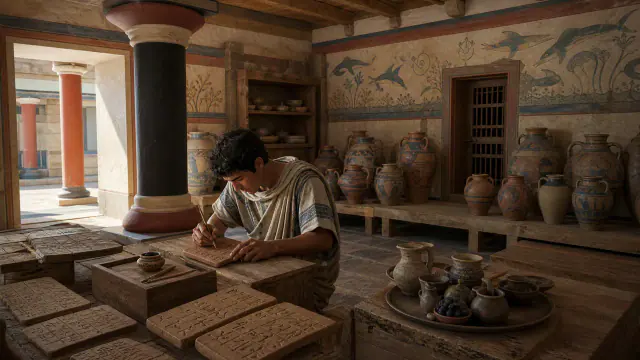
c. 1375 BCE
Linear B
Greek worlds
Approximate dating according to the record.
Read the record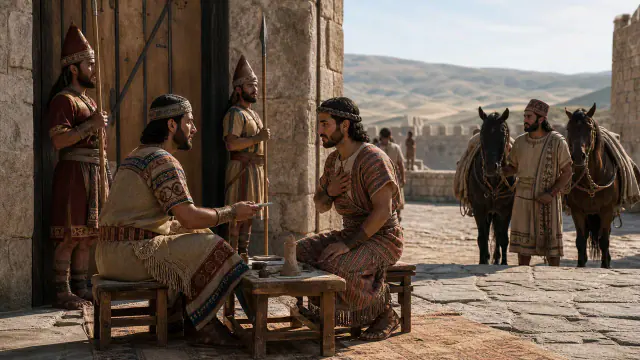
c. 1300 BCE
Alaksandu of Wilusa
Hittites
Approximate dating according to the record.
Read the record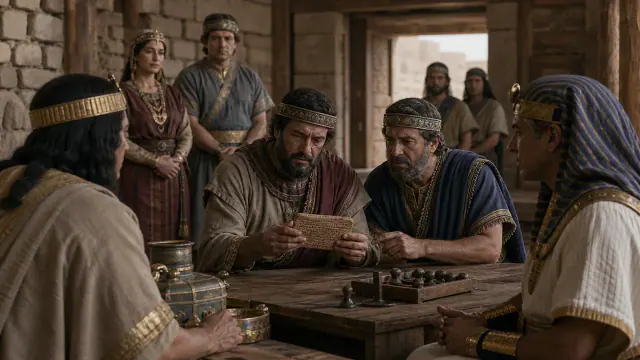
c. 1259 BCE, year 21 of Ramesses II
Treaty with Egypt
Hittites
Date of the treaty and its copy; not of the origin of relations between the two kingdoms.
Read the record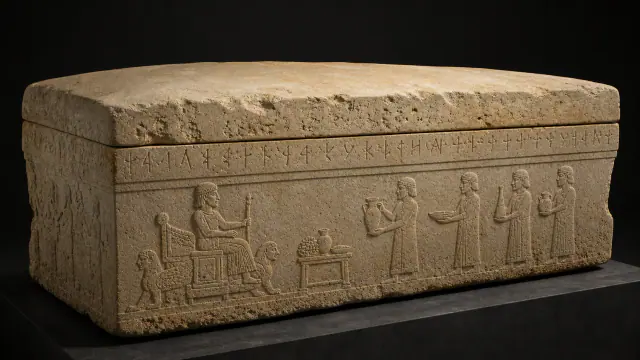
c. 11th–10th century BCE
The voice of Ahiram
Phoenicians
Approximate dating according to the record.
Read the record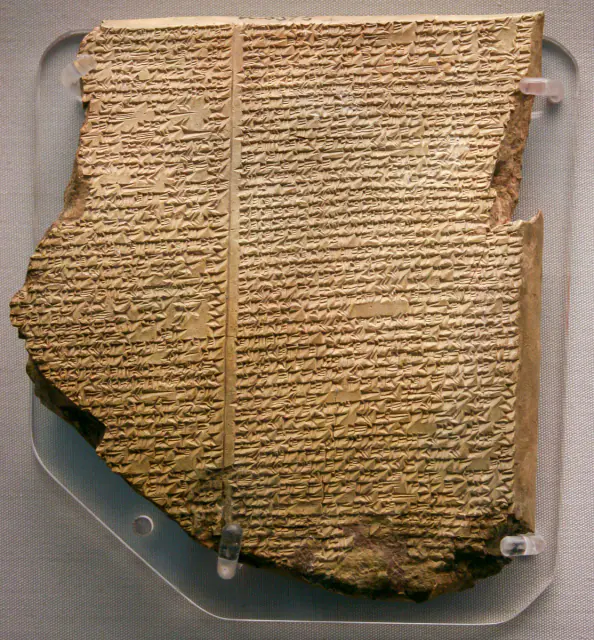
7th century BCE
Flood Tablet
Sumer
Approximate dating according to the record.
Read the record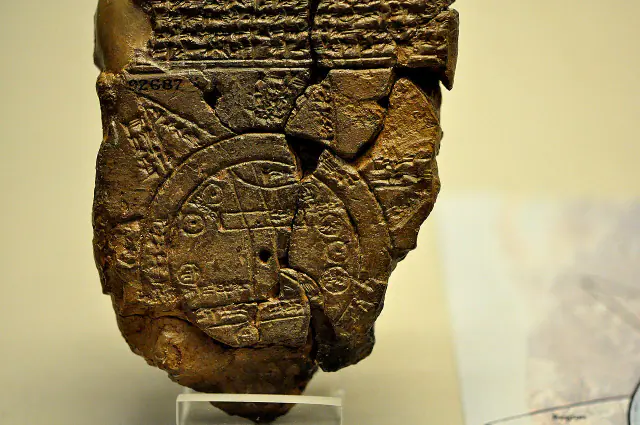
Towards 700–500 BCE
Babylonian map of the world
Sumer
Approximate dating according to the record.
Read the record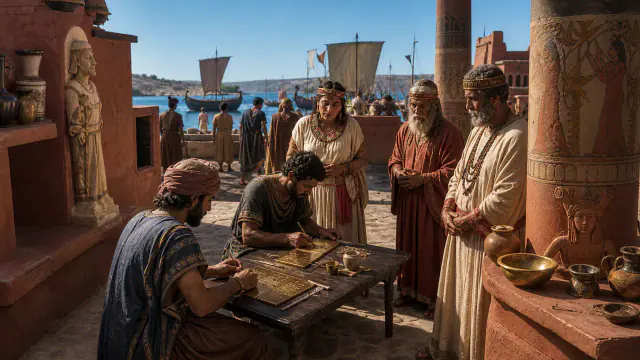
Towards 510 BCE
Uni was also Astarte
Etruscans and Rome
Approximate dating according to the record.
Read the record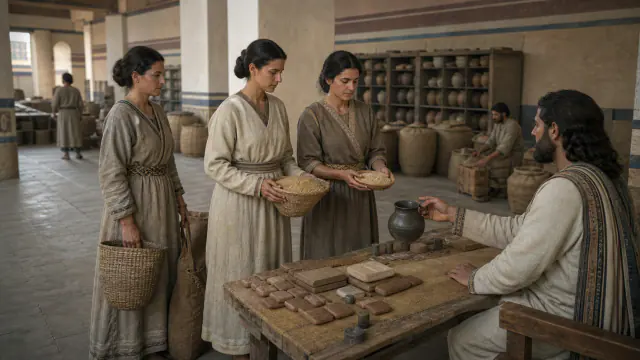
Towards 509–493 BCE
Rations for women and children
Achaemenid Persia
Date range of the archive and its documents.
Read the record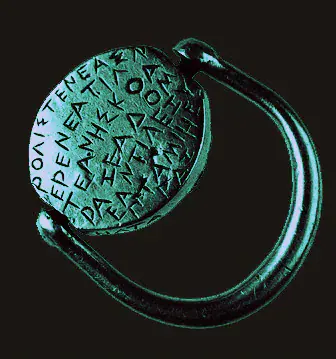
5th century BCE · chronology discussed in the bibliography
Ezerovo Ring
Thracians
The attribution to the 5th century BCE is discussed.
Read the record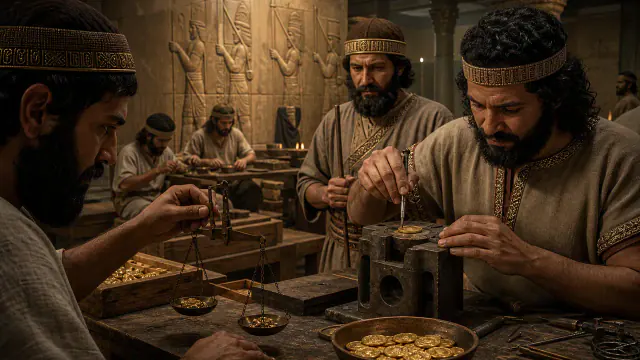
Type introduced from the late 6th century; specimen from the 4th century BCE.
The archer in gold
Achaemenid Persia
Century of the specimen; not an earlier introduction date of the type.
Read the record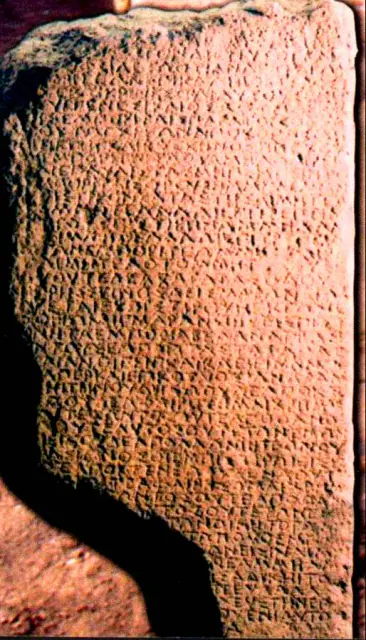
4th century BCE
The inscription of Pistiros
Thracians
Approximate dating according to the record.
Read the record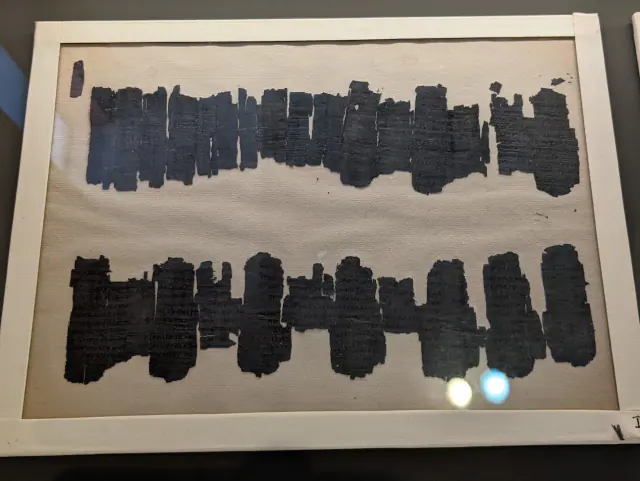
copy conserved towards 340–320 BCE; comments on a previous text.
Derveni Papyrus
Thracians
Date of preserved copy; The commented text is previous.
Read the record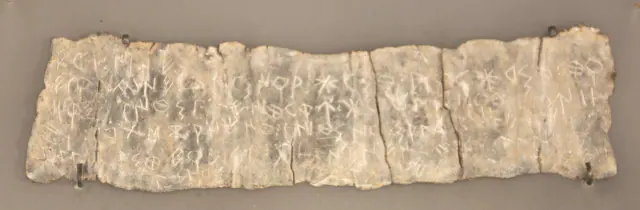
4th–3rd centuries BCE
Lead tablet
Iberians
Approximate dating according to the record.
Read the record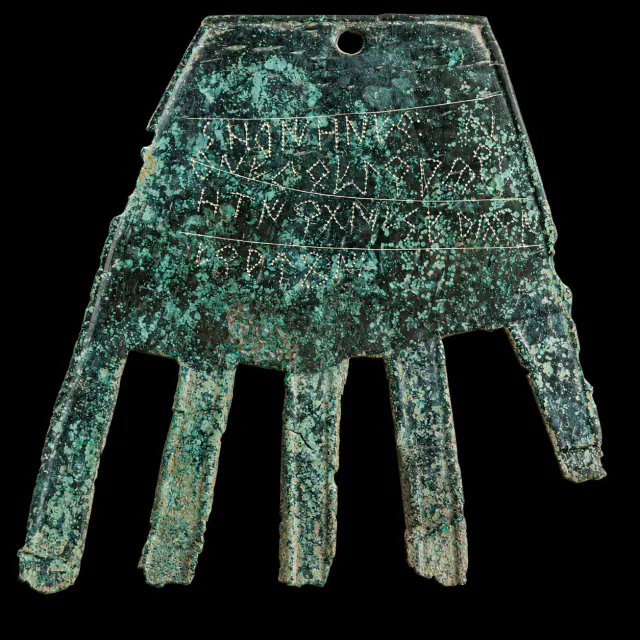
First third of the 1st century BCE
Hand of Irulegui
Iberians
First third of the 1st century BCE; date of the destroyed dwelling beside whose entrance it appeared.
Read the record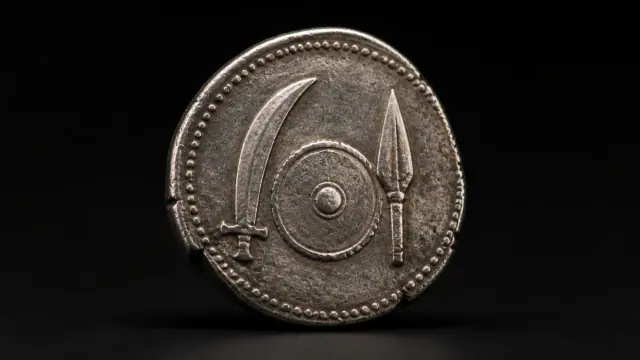
≈25–23 BCE
Denarius of Carisius
Iberians
Approximate dating according to the record.
Read the record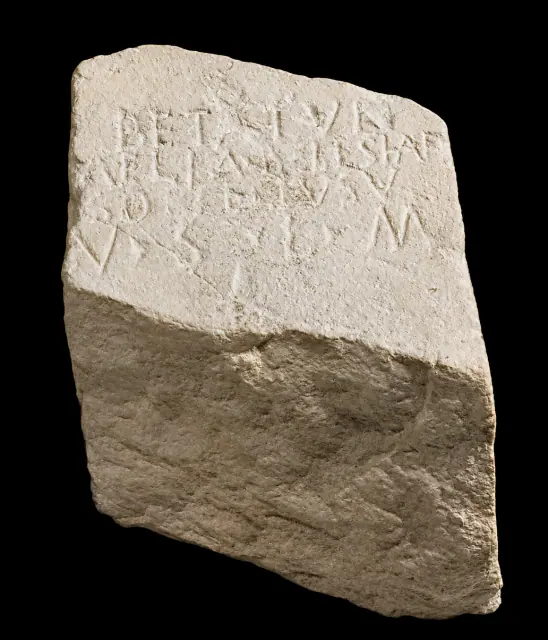
1st century BCE–1st century CE
Betatun altar
Iberians
Interval crossing the era change; there is no year zero.
Read the record
292 CE
The date of 292
Maya worlds
Long Count date translated into the Common Era.
Read the record
Preserved manuscript: Postclassic, probably 13th–14th centuries; earlier knowledge
Venus in the codex
Maya worlds
Probable date of the preserved manuscript, not of the origin of its knowledge.
Read the record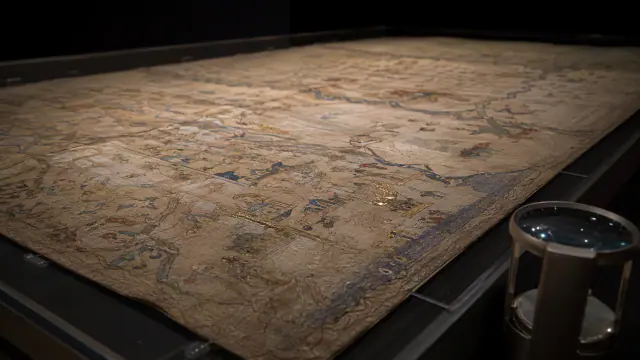
after 1375 and before November 1380
Catalan Atlas
Mande Worlds
Documented chronological limits: after 1375 and before November 1380; the exact year of production is not known.
Read the record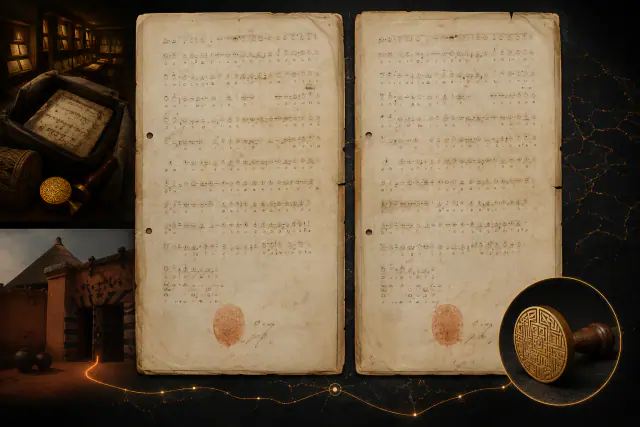
28 April 1922
Bamum document
Bantu-speaking worlds
Year of the document dated 28 April.
Read the record
Adopted April–May 2022; public portal 2025
Eleven articles
Batwa / Twa histories
Year of adoption of the decision; the portal's publication in 2025 is subsequent.
Read the record
Also connected, without a comparable date (8)
These objects are not placed after the others: an unknown date does not mean a more recent object.
- Cyrus speaks as king of BabylonAchaemenid Persia · After the conquest of Babylon in 539 BCE
- Indian Ocean KiswahiliBantu-speaking worlds · from the first millennium CE; major development in medieval and modern times
- Oracle bonesAncient China · from ca. 1200 BCE
- The cost of transcriptionSan histories · 19th century–current digital edition
- Translating faithBantu-speaking worlds · 16th–18th centuries
- Voices from outsideGaramantes · Fifth century BCE–Late Antiquity
- Writing with gapsGaramantes · Diverse chronologies
- ZalmoxisThracians · testimony of Herodotus, 5th century BCE; no biographical date of the divinity.
A closer look
About 1 min to read · 1 section. Further reading and sources · free access. Editorial review recorded: .
Six thousand years of laws: what one author says others claimed
Strabo attributes to the Turdetani histories, poems and laws in verse whose antiquity they claimed to trace back to six thousand years. The passage itself presents that figure as an external claim; the Loeb edition notes that some scholars have proposed reading a stretch of six thousand verses. It is not an archaeologically usable date without discussion. In the same chapter he distinguishes peninsular languages and scripts. Critical reading thus separates three levels: what the text preserves, how it has been transmitted, and what can be contrasted with inscriptions and excavated contexts.
Sources and references
Did you enjoy this exhibit?
Your opinion helps us improve the museum. You can change it whenever you like.
Loading your rating…