
 English
 Español
 Français
 Italiano
 Deutsch
 Русский
 Português
 Polski
 Română
 Svenska
 Norsk bokmål
 Suomi
 Türkçe
 العربية
 简体中文
 한국어
 हिन्दी
 Ελληνικά
TRAVELLING OBJECT · INTERCULTURAL BIOGRAPHY
Astarte from El Carambolo
The figure bears a Phoenician dedication and appeared in the sanctuary of El Carambolo.
Museum documentation · free public access, no account required.
Generated reconstruction · Declared visual hypothesis
Declared visual reconstruction; not a photograph of the original nor documentary evidence.
History and context
El Carambolo · Tartessian context: Appeared in a Tartessian sanctuary; Tartessos is not equivalent to Iberian culture, and the entry is included as an explicit peninsular connection.
The same piece also appears in Phoenician language and tradition. Duplicating the entry does not duplicate authorship: it allows reading manufacture, use, deposit and discovery from both trajectories.
Evidence and interpretation
Phoenician language and tradition [documented]: The inscription dedicates the figure to Astarte and employs Phoenician language and writing. El Carambolo · Tartessian context [documented]: Appeared in a Tartessian sanctuary; Tartessos is not equivalent to Iberian culture, and the entry is included as an explicit peninsular connection.
Catalogue facts
- Role in this museum
- deposit
- Location
- Beds, Seville
- Date
- 8th century BCE
- Certainty
- documented
A SHARED TOPIC, DIFFERENT MOMENTS
Objects connected through time
Follow a topic across the collections. A shared tag is a way to compare objects, not proof that one culture influenced another.
The order uses the midpoint of each approximate date range; ranges can overlap. Spacing does not represent elapsed time. Swipe, scroll or use the arrows. With the sequence focused, use ← / →, Home or End.
Sculpture51 dated objects
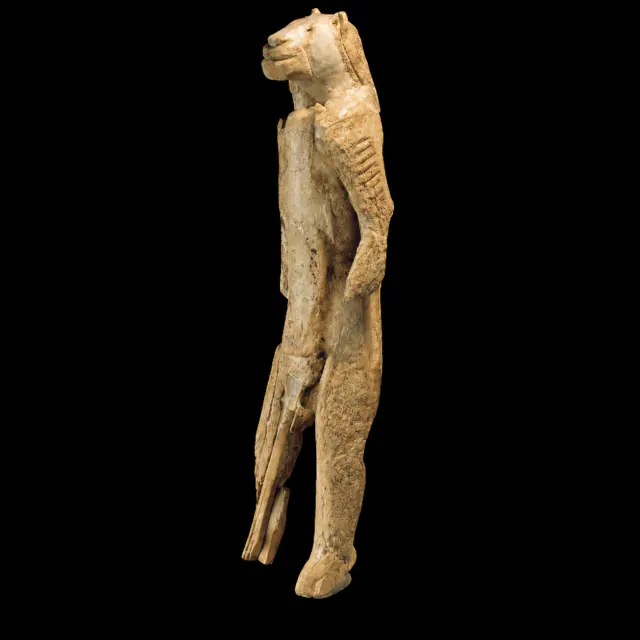
≈40,000 years · Aurignacian
Lion-man
Prehistory
Approximate catalogue age; editorial reference 2026 for ordering only, not calibrated dating.
Read the record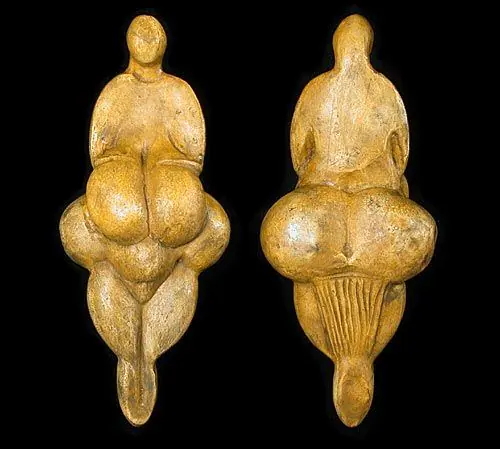
≈28,000 years
Lespugue
Prehistory
Approximate catalogue age; editorial reference 2026 for ordering only, not calibrated dating.
Read the record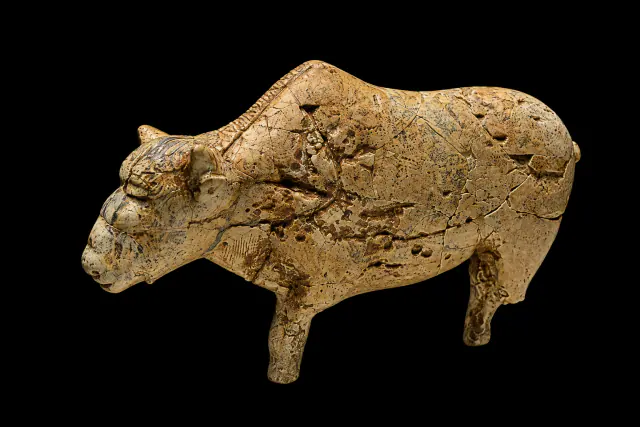
≈23,000–21,000 years
Zaraysk Bison
Prehistory
Approximate catalogue age; editorial reference 2026 for ordering only, not calibrated dating.
Read the record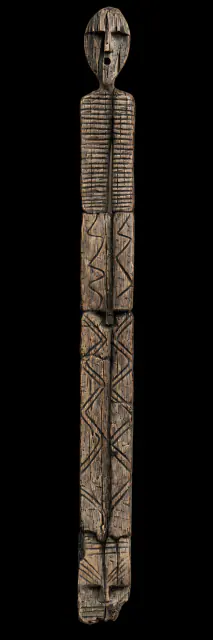
C. 10,000 BCE · approximation; debated dating
Shigir Idol
Prehistory
Approximation expressed in the record; dating debated.
Read the record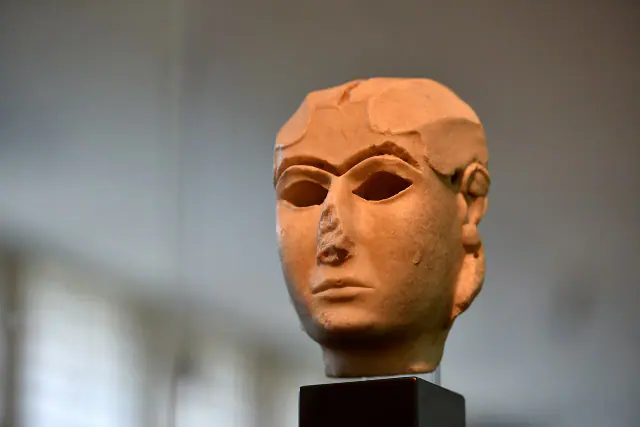
End of the 4th millennium BCE
Warka Mask
Sumer
The full 4th millennium BCE provides broad limits for chronological ordering; the record specifies the end of the millennium.
Read the record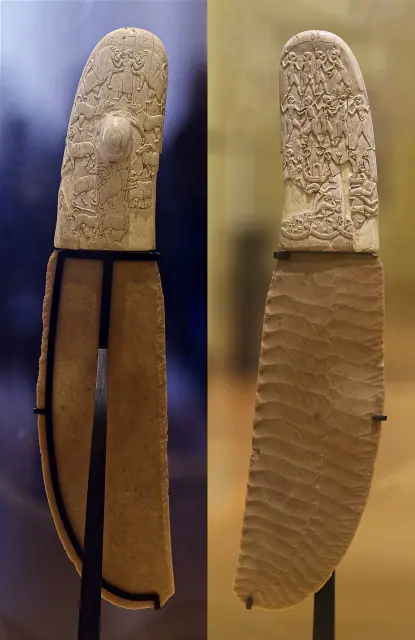
3600–3200 BCE · Naqada II C–D
Gebel el-Arak knife
Ancient Egypt
Approximate dating according to the record.
Read the record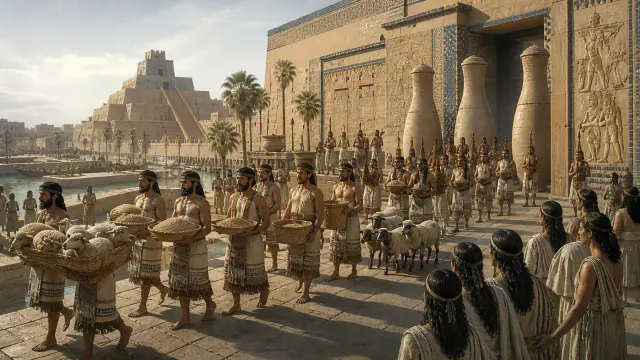
ca. 3300–3000 BCE
Uruk Vase
Sumer
Approximate dating according to the record.
Read the record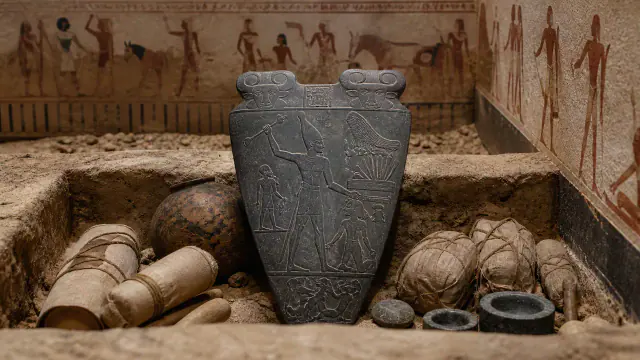
ca. 3100 BCE
Narmer Palette
Ancient Egypt
Approximate dating according to the record.
Read the record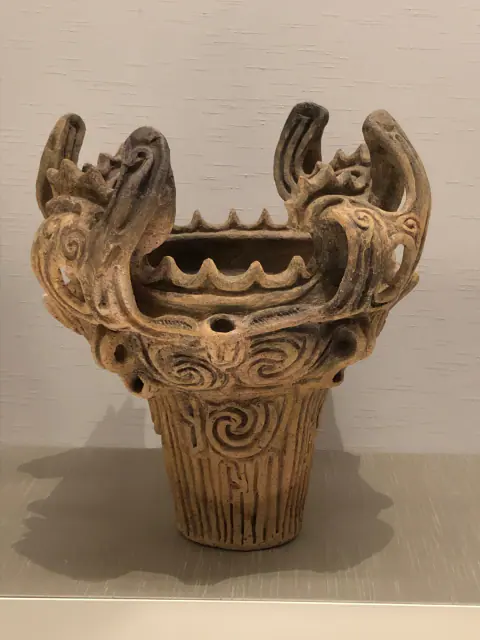
Middle Jōmon, ca. 3000 BCE
Before Yayoi
Yayoi Japan
Date of the Jōmon element, not of the entire preceding period.
Read the record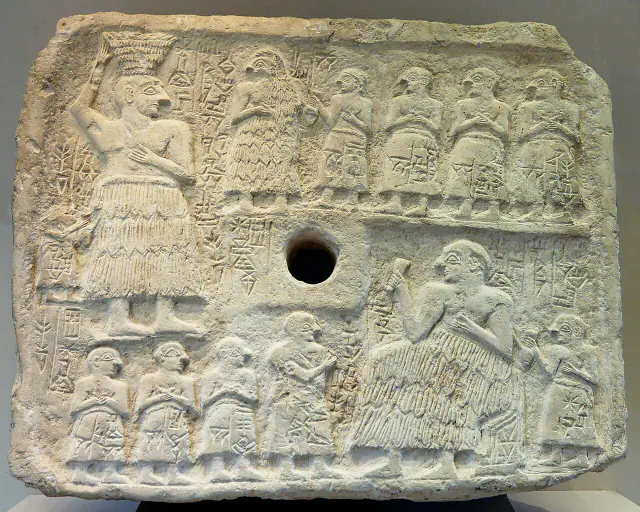
Mid-3rd millennium BCE · reign of Ur-Nanshe
Ur-Nanshe relief
Sumer
The full 3rd millennium BCE provides broad limits for chronological ordering; the record specifies the middle of the millennium, in the reign of Ur-Nanshe.
Read the record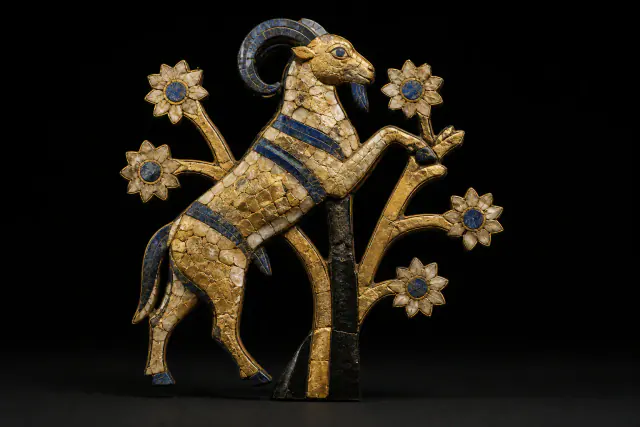
ca. 2600–2400 BCE
The goat from PG 1237
Sumer
The function as support is not resolved.
Read the record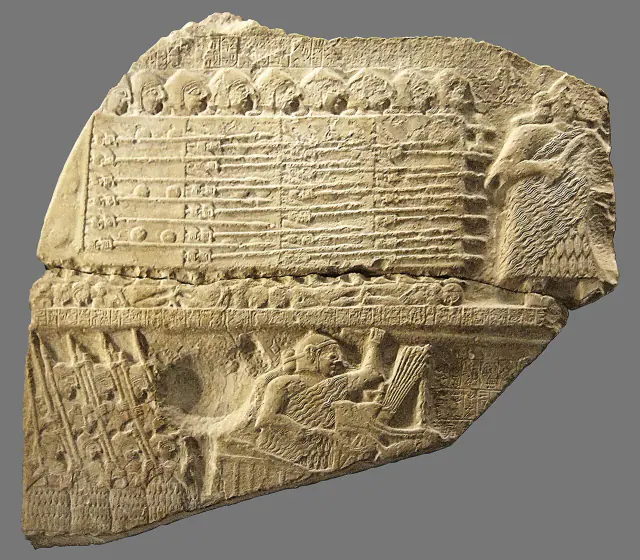
Towards 2450–2425 BCE
Stele of the Vultures
Sumer
Approximate dating according to the record.
Read the record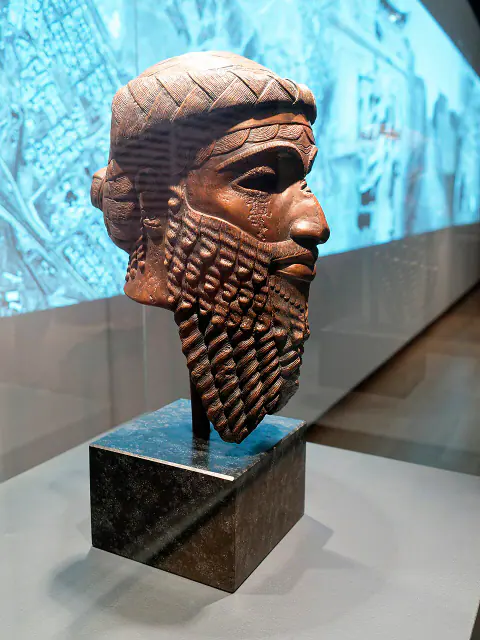
Akkadian period · 23rd century BCE
Akkadian sovereign head
Sumer
Approximate dating according to the record.
Read the record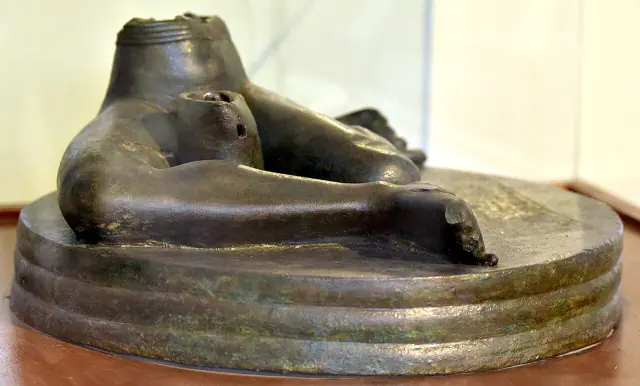
Akkadian period · 23rd century BCE
Bassetki Statue
Sumer
Approximate dating according to the record.
Read the record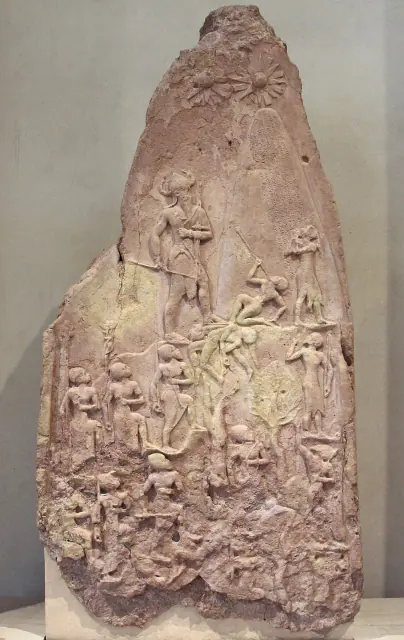
Reign of Naram-Sin, 2254–2218 BCE
Naram-Sin Stele
Sumer
Reign interval associated with the piece; the Elamite reuse is later.
Read the record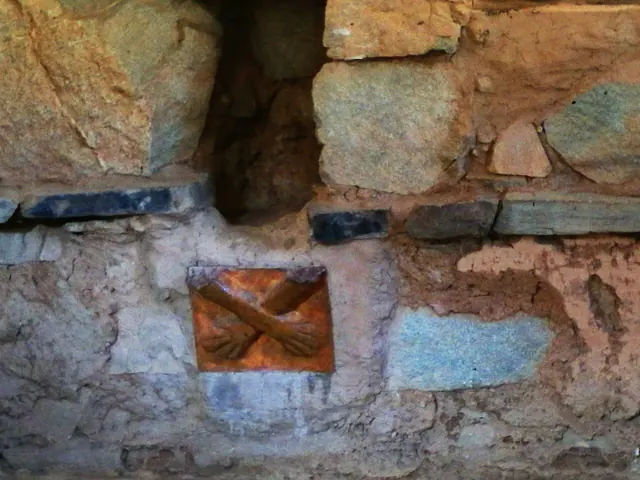
Kotosh-Mito Tradition, c. 2200–1500 BCE; the enclosure is usually situated around 1800 BCE.
Before Pre-Inca Cultures
Pre-Inca cultures
Element tradition interval; "around 1800" orients the enclosure.
Read the record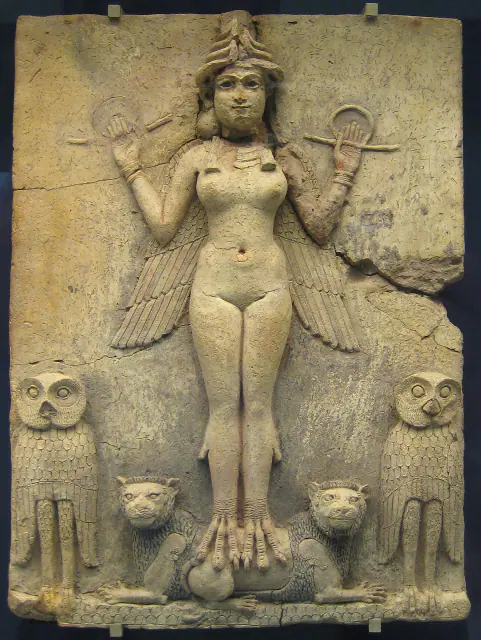
19th–18th centuries BCE
Queen of the Night
Sumer
Approximate dating according to the record.
Read the record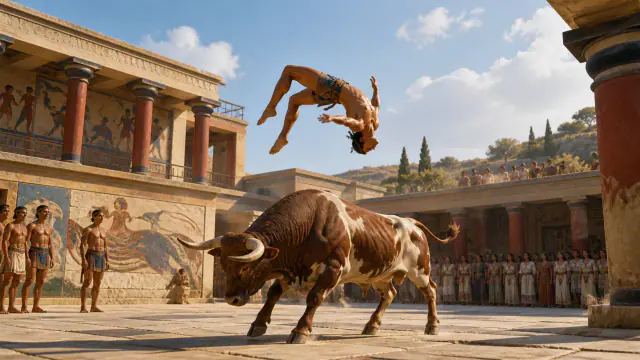
c. 1600–1450 BCE
Bull-leaping
Greek worlds
The iconography does not by itself determine a precise ritual.
Read the record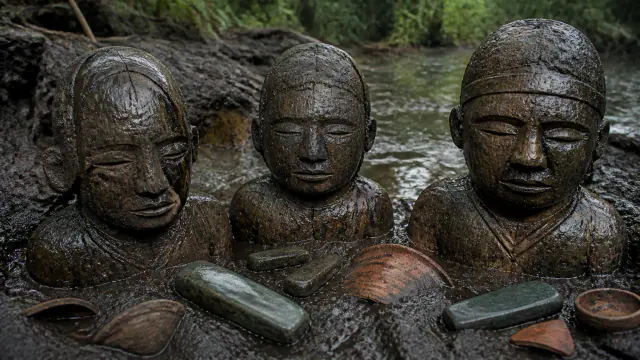
c. 1600–1000 BCE, in several phases
Wooden faces
Maya worlds
Deposit made in several phases; not simultaneous manufacture.
Read the record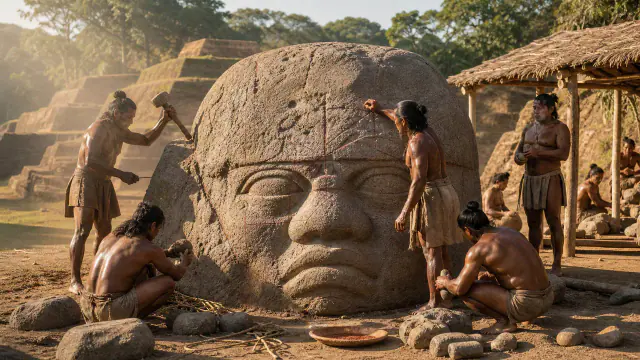
c. 1200–900 BCE
Head 2
Maya worlds
Approximate dating according to the record.
Read the record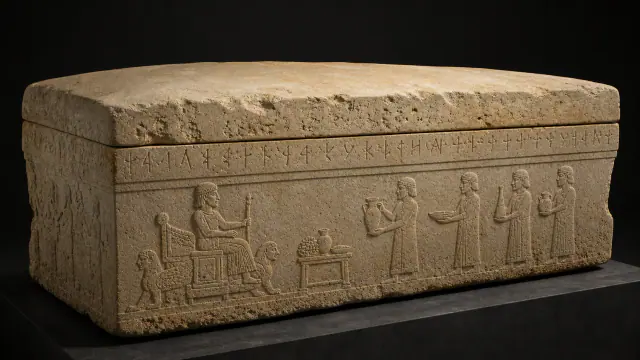
c. 11th–10th century BCE
The voice of Ahiram
Phoenicians
Approximate dating according to the record.
Read the record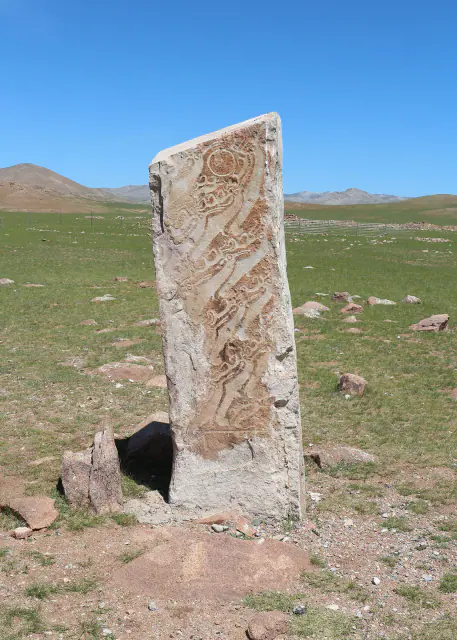
Final Bronze–Initial Iron, ca. 1200–600 BCE
Overlapping datesBefore the Scythians and Sakas
Scythians and Saka
Framework of the representative monument, not of the entire preceding period.
Read the record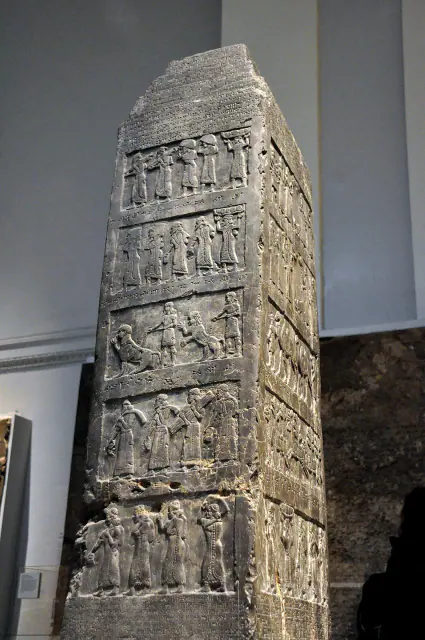
825 BCE
Black Obelisk
Sumer
Approximate dating according to the record.
Read the record
9th–8th centuries BCE
Overlapping datesIvory in Nimrud
Phoenicians
Frame of a set of ivories, not a single carving.
Read the record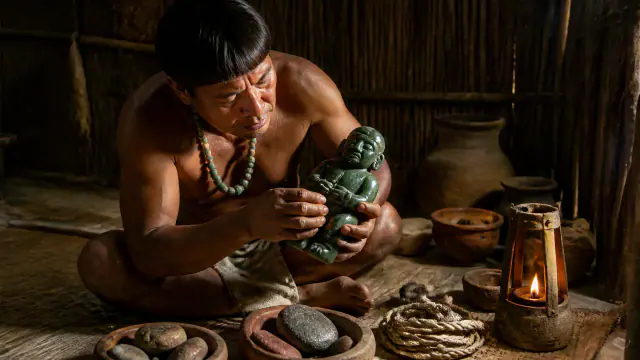
c. 1000–600 BCE
Overlapping datesLas Limas
Maya worlds
Approximate dating according to the record.
Read the record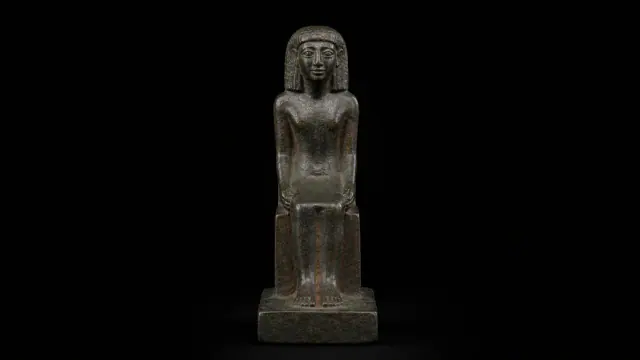
8th century BCE
Overlapping datesAstarte from El Carambolo
Phoenicians
Approximate dating according to the record.
Read the record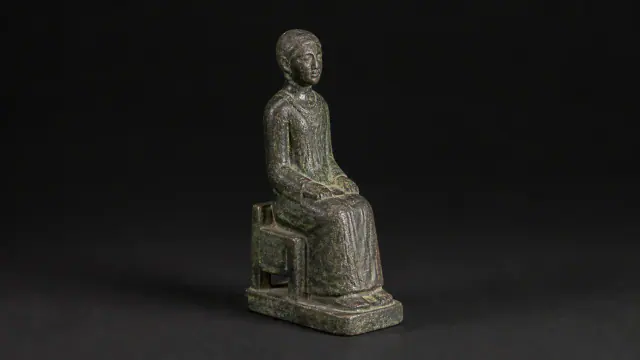 You are viewing
8th century BCE
Astarte from El Carambolo
Iberians
Approximate dating according to the record.
Current record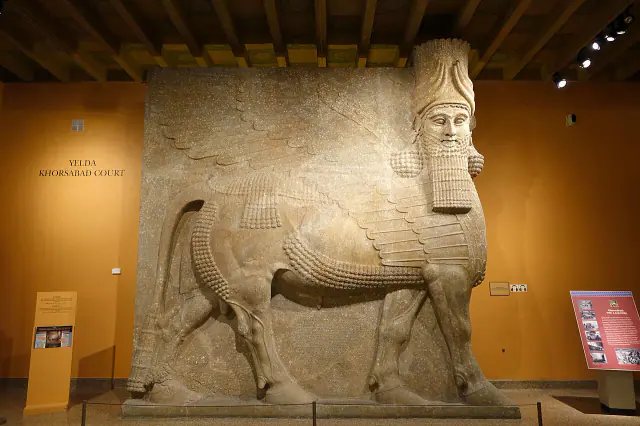
Reign of Sargon II · 721–705 BCE
Overlapping datesLamassu of Khorsabad
Sumer
Reign interval associated with the piece.
Read the record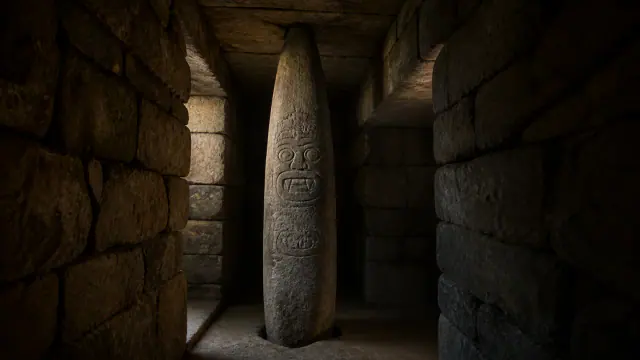
c. 900–500 BCE
Overlapping datesThe Lanzón
Pre-Inca cultures
Approximate dating according to the record.
Read the record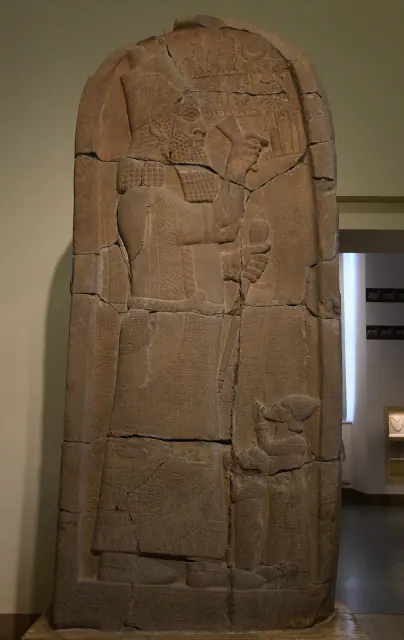
7th century BC C. · 671 campaign BCE
Stele of Esarhaddon
Sumer
Campaign dated explicitly on the record; indicative date of the commemoration.
Read the record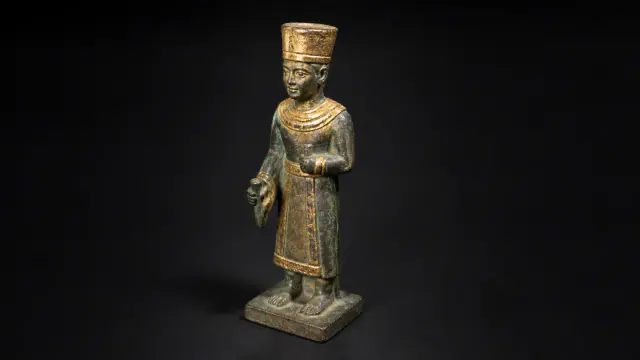
7th century BCE
The so-called ‘Priest of Cádiz’
Phoenicians
Approximate dating according to the record.
Read the record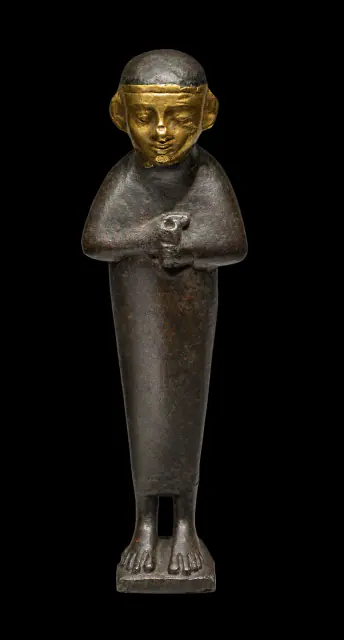
7th century BCE
The so-called ‘Priest of Cádiz’
Iberians
Approximate dating according to the record.
Read the record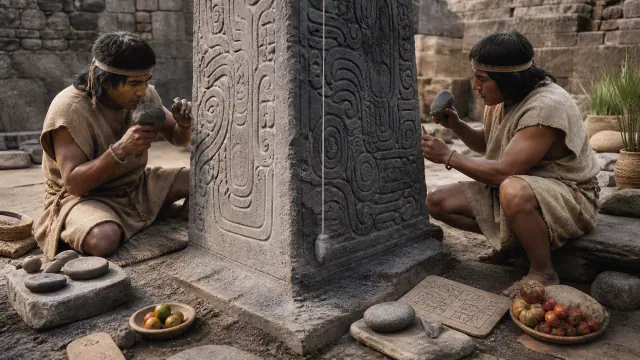
c. 800–500 BCE
Overlapping datesThe Tello Obelisk
Pre-Inca cultures
Approximate dating according to the record.
Read the record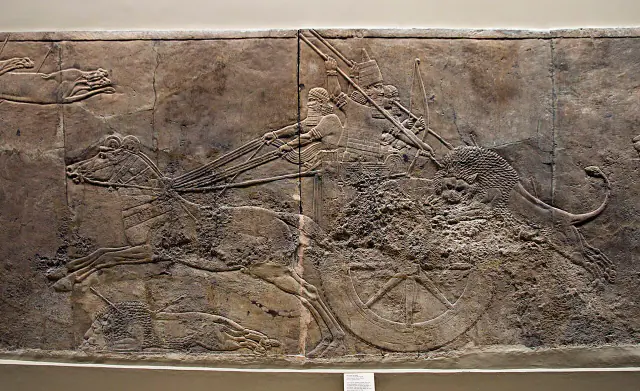
645–635 BCE
Ashurbanipal Hunt
Sumer
Approximate dating according to the record.
Read the record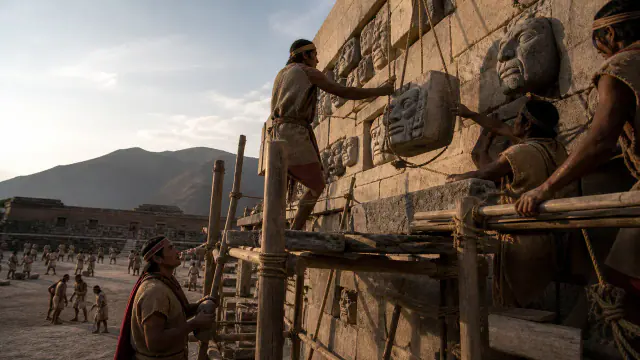
c. 800–300 BCE
Overlapping datesHeads on the wall
Pre-Inca cultures
Framework of the set of architectural heads.
Read the record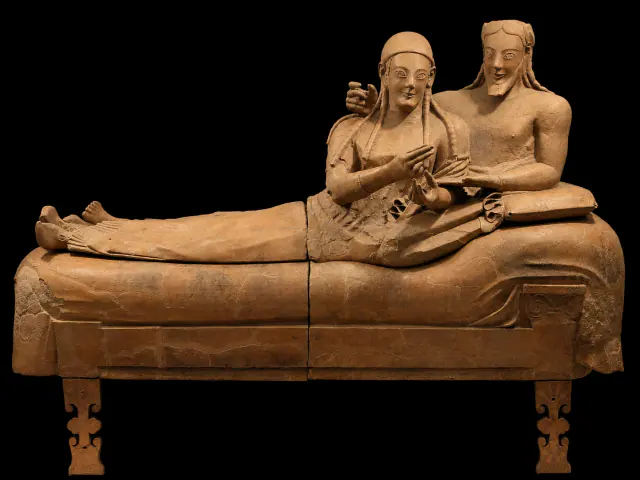
530–520 BCE
Two voices in an urn
Etruscans and Rome
Approximate dating according to the record.
Read the record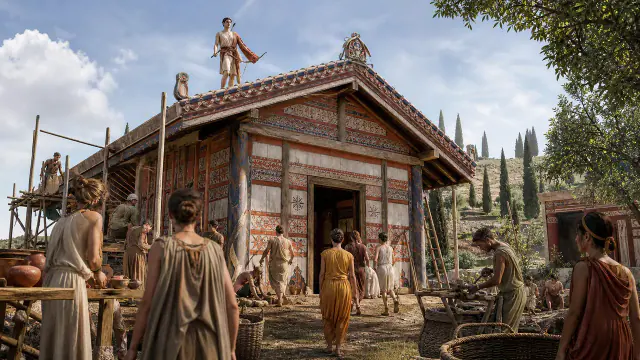
Towards 510–500 BCE
The god on the roof
Etruscans and Rome
Approximate dating according to the record.
Read the record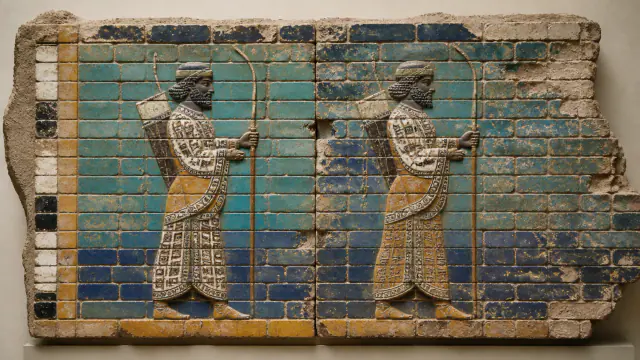
522–486 BCE
Glazed brick guards
Achaemenid Persia
Date range associated with the reign of the decoration.
Read the record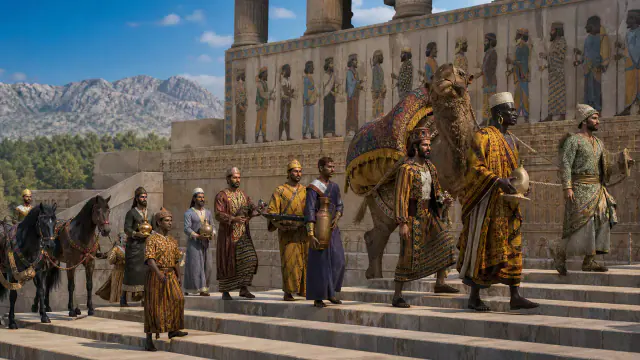
6th–5th centuries BCE, mainly under Darius and Xerxes
Twenty-three delegations
Achaemenid Persia
Interval of the monumental programme under several reigns.
Read the record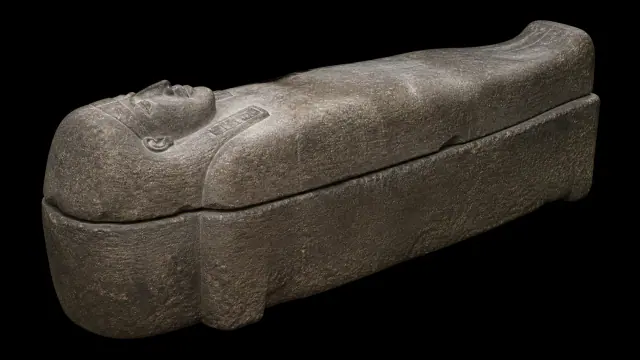
first quarter of the 5th century BCE
Sarcophagus of Eshmunazar
Phoenicians
First quarter of the 5th century BCE
Read the record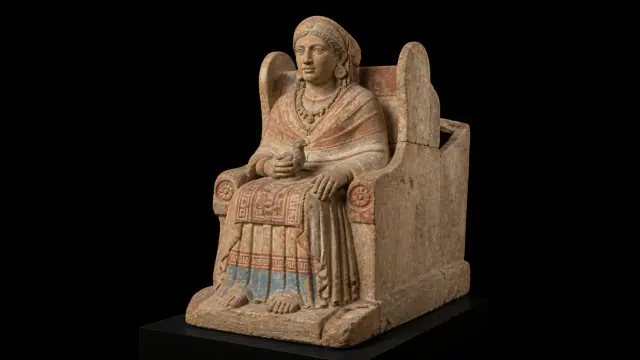
First half of the 4th century BCE
The statue was the urn
Iberians
First half of the 4th century BCE; date of the funerary context.
Read the record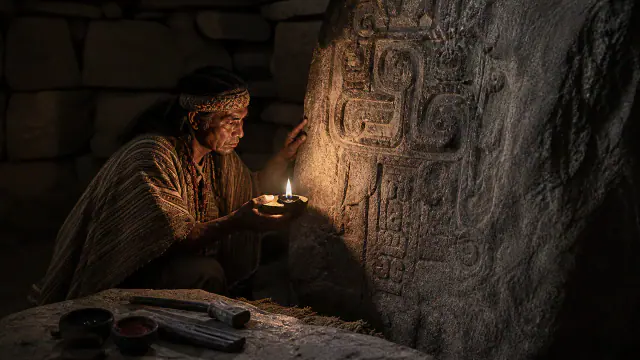
c. 400–200 BCE according to MNAAHP
The Raimondi Stele
Pre-Inca cultures
Approximate dating according to the record.
Read the record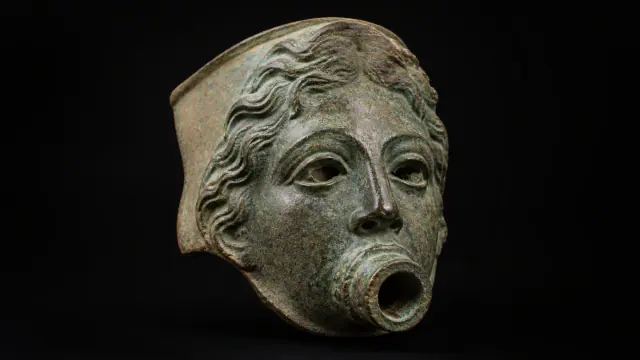
101–125 CE
Torreáguila fountain spout
Etruscans and Rome
Approximate dating according to the record.
Read the record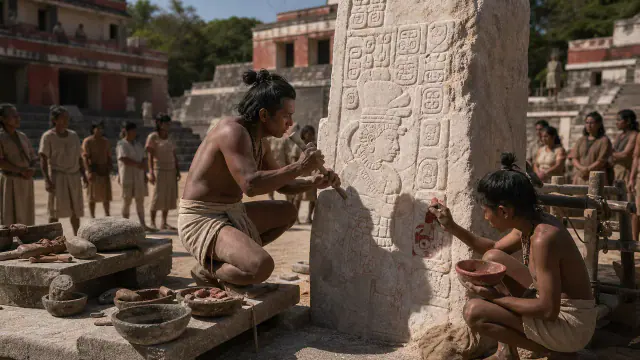
292 CE
The date of 292
Maya worlds
Long Count date translated into the Common Era.
Read the record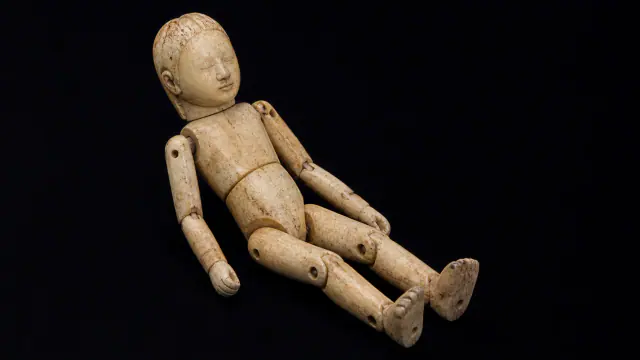
Late 3rd–4th century CE
Articulated doll from Tarragona
Etruscans and Rome
Used in the 3rd–4th centuries CE in its full extent as an external ordering framework; the entry specifies the late 3rd and 4th century.
Read the record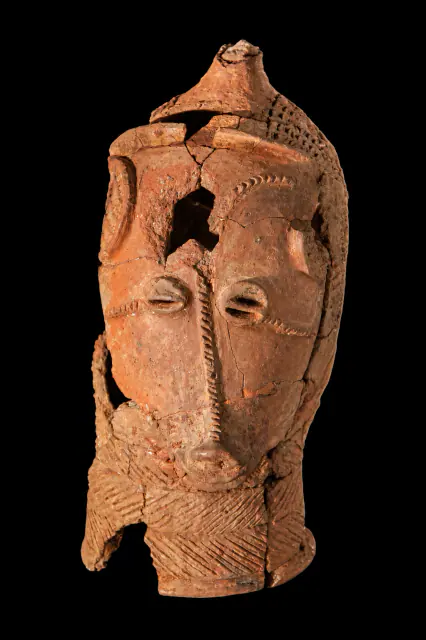
c. 500–700 CE
Seven heads
Bantu-speaking worlds
Dating of the group of seven heads; function debated.
Read the record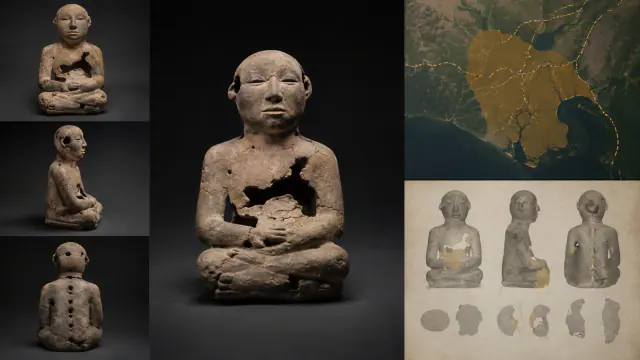
13th century, date attributed by the museum
Seated figure
Mande Worlds
Museum attribution; no demonstrated excavation context.
Read the record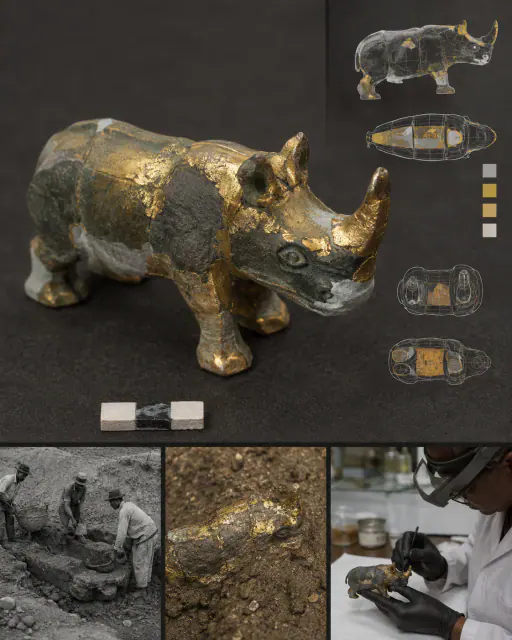
ca. 1220–1290; found in 1933
Gold rhinoceros
Bantu-speaking worlds
Date of the object/context; 1933 is the year of discovery.
Read the record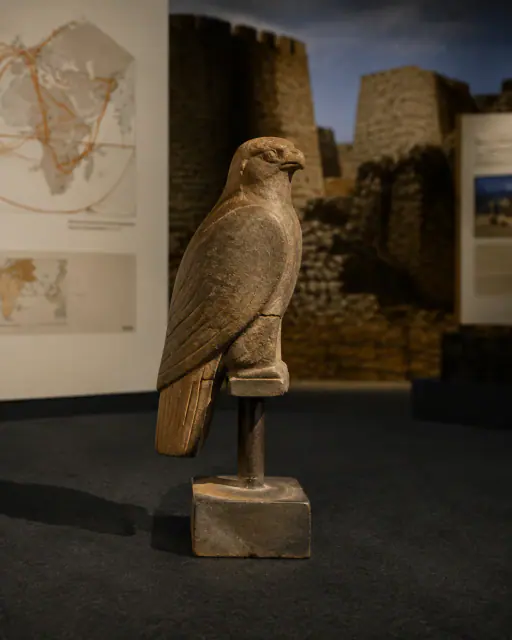
main period of Great Zimbabwe, c. 12th–15th centuries
Zimbabwe birds
Bantu-speaking worlds
Main period of the architectural complex, not the simultaneous manufacture of the birds.
Read the record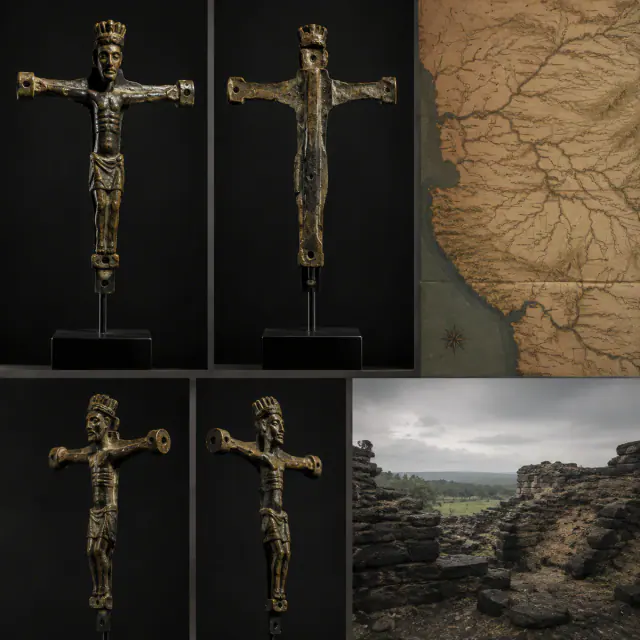
16th–17th centuries
Kongo crucifix
Bantu-speaking worlds
Read the record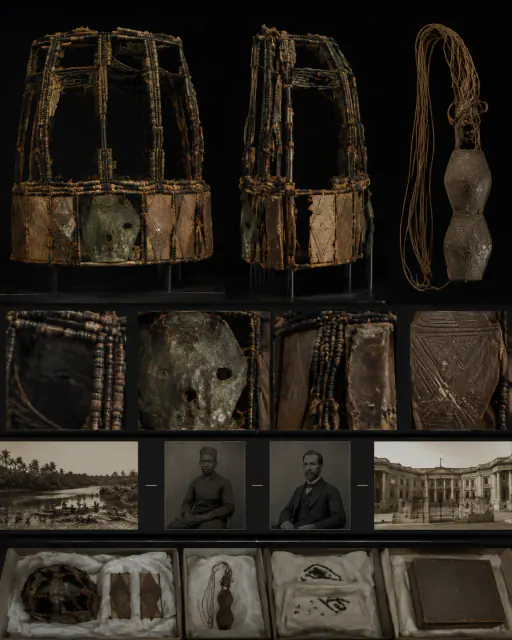
ca. 1760
Kuba ndop
Bantu-speaking worlds
Approximate dating according to the record.
Read the record
Also connected, without a comparable date (3)
These objects are not placed after the others: an unknown date does not mean a more recent object.
- Before PersiaAchaemenid Persia · Central core c. seventeenth century BCE; Neo-Elamite additions between the ninth and sixth centuries BCE
- Lararium of VilaubaEtruscans and Rome · Roman period
- The Thracian HorsemanThracians · Roman era · diffusion especially in the 2nd–3rd centuries CE
A closer look
About 1 min to read · 1 section. Further reading and sources · free access. Editorial review recorded: .
Signs of missing accessories
Ana Navarro observes marks on the head that could have corresponded to an added headdress. The bouffant hairstyle and facial treatment allow comparisons with Eastern ivories, but not certain reconstruction of that crown. A hole in the left shoulder likewise suggests that the lost arm was articulated. The author proposes that it could have moved during liturgical acts; it is a hypothesis, not a documented ritual. Examining these junction points changes the perception of the bronze: the conserved figure could have formed part of a composite image, with accessories and capacities now absent.
Location and territory
LOCATED SITE
El Carambolo · CamasMarker of the sanctuary and archaeological context.Where it is held
Seville Archaeological Museum
Item or group in the record · Documented collection
Institutional record of the Astarte of El Carambolo.
The holding institution is documented; public display may change. Check its official record before visiting.
Cultural connections
Phoenician language and tradition →
The inscription dedicates the figure to Astarte and employs Phoenician language and writing.
Documented
Sources and references
Did you enjoy this exhibit?
Your opinion helps us improve the museum. You can change it whenever you like.
Loading your rating…