
 English
 Español
 Français
 Italiano
 Deutsch
 Русский
 Português
 Polski
 Română
 Svenska
 Norsk bokmål
 Suomi
 Türkçe
 العربية
 简体中文
 한국어
 हिन्दी
 Ελληνικά
03 · ROCK ART · MALOTI-DRAKENSBERG
Game Pass Shelter
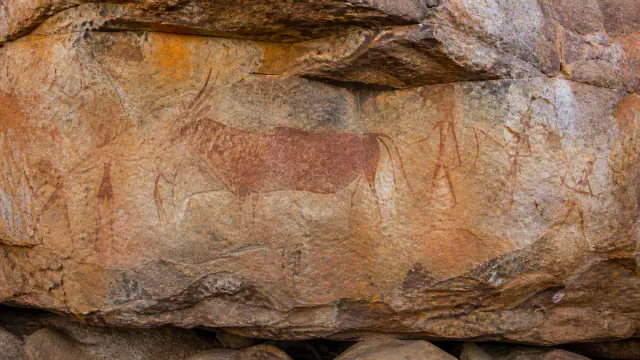
The eland in the Game Pass panel
San accounts help interpret the figures, but do not allow us to know with certainty what each scene means.
Museum documentation · free public access, no account required.
Generated reconstruction · Declared visual hypothesis
Declared visual reconstruction, created for museographic contextualisation; not a photograph of the original nor does it constitute documentary evidence.
History and context
The celebrated panel includes eland and human figures in a complex composition from the Drakensberg.
Historical San accounts and practices have informed readings of transformation and healing, but they do not function as a literal caption for each ancient figure.
The panel became celebrated due to the proposed relationship between eland, bodily posture and transformation. That reading combines iconographic observation with historical testimonies from specific communities.
Ethnographic analogy is a comparative tool, not an automatic dictionary. The date, author and meaning of each figure must remain differentiated.
Evidence and interpretation
Painting and landscape are documented; the ritual reading depends on graduated historical analogies. Documented expansion: Painting and landscape are documented. Expanded interpretation and caution: The ritual reading depends on graduated historical analogies.
Catalogue facts
- Narrative date
- Regional rock art chronology · panel not dated in isolation
- Location
- Game Pass Shelter · South Africa
- Material
- Pigment on rock
- Context
- Rock art and cautious analogy
- Curatorial reading
- The documented fact and its interpretation appear separately in the evidence block.
- Protection
- Rock art site in Maloti-Drakensberg
- Method
- Iconography and graduated historical analogy
- Documentary coverage
- 3 museum, heritage, primary corpus or research sources for this stop.
A SHARED TOPIC, DIFFERENT MOMENTS
Objects connected through time
Follow a topic across the collections. A shared tag is a way to compare objects, not proof that one culture influenced another.
The order uses the midpoint of each approximate date range; ranges can overlap. Spacing does not represent elapsed time. Swipe, scroll or use the arrows. With the sequence focused, use ← / →, Home or End.
THE CURRENT OBJECT
Its date is not sufficiently established to place it on the timeline. We keep it here, separate from the dated objects.
 You are viewing
Regional rock art chronology · panel not dated in isolation
Game Pass Shelter
San histories
Panel not dated in isolation; the regional chronology is not converted into a date for the work.
Current recordPigments14 dated objects
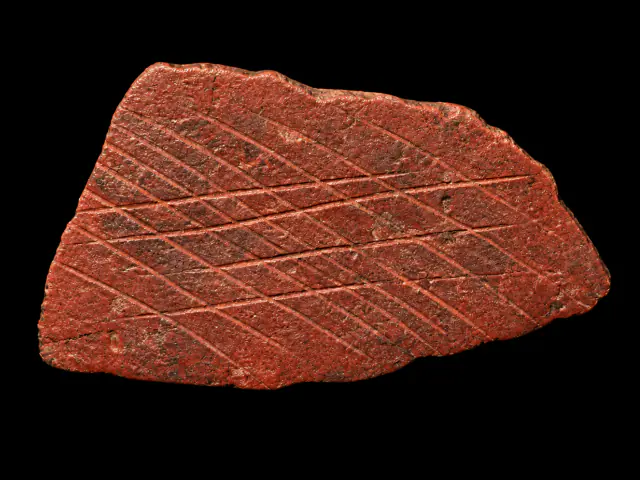
≈77,000–75,000 years
Engraved ochre from Blombos
Prehistory
Approximate catalogue age; editorial reference 2026 for ordering only, not calibrated dating.
Read the record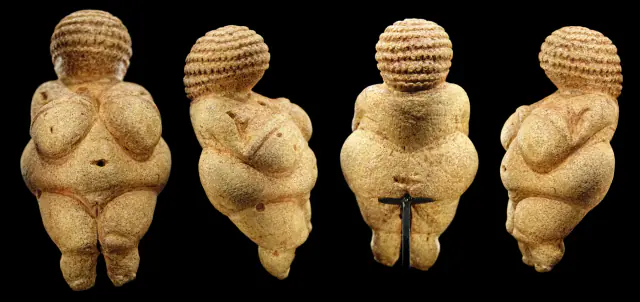
≈29,500 years
Willendorf
Prehistory
Approximate catalogue age; editorial reference 2026 for ordering only, not calibrated dating.
Read the record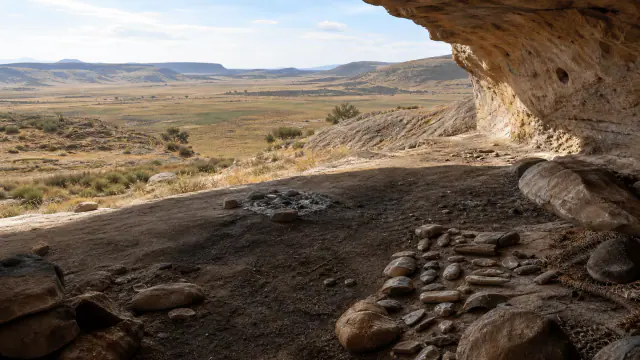
≈25.500–23.500 BCE
Before the San
San histories
Date of the representative element, not ethnic attribution of its authors.
Read the record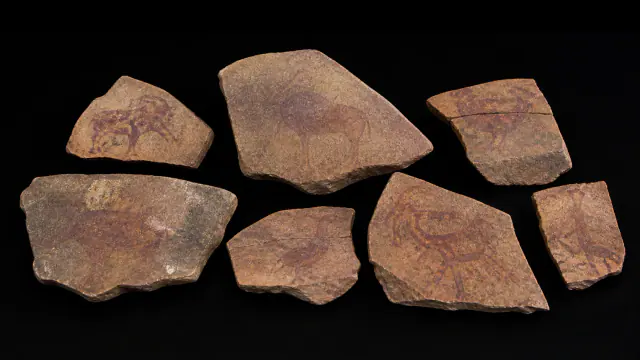
≈25.500–23.500 BCE
Before the name San
San histories
Dating of the context of the slabs; anonymous authors.
Read the record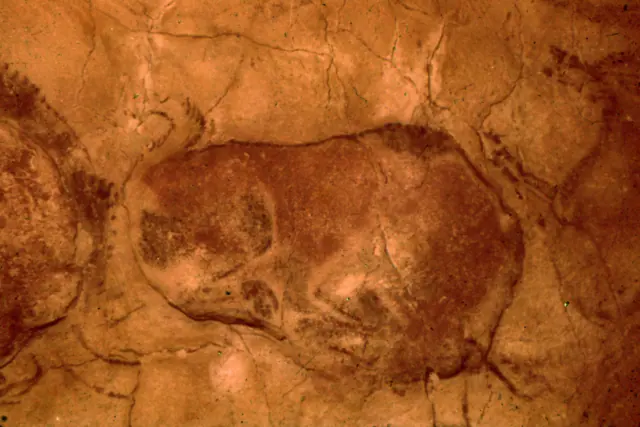
Assemblage ≈36,000–13,000 BP · bison ≈18,400–15,300 cal BP
Altamira
Prehistory
Assemblage range ≈36,000–13,000 BP, converted with 1950 origin; not a single date for the bison. It is an approximate scale conversion for ordering; not a new radiocarbon calibration.
Read the record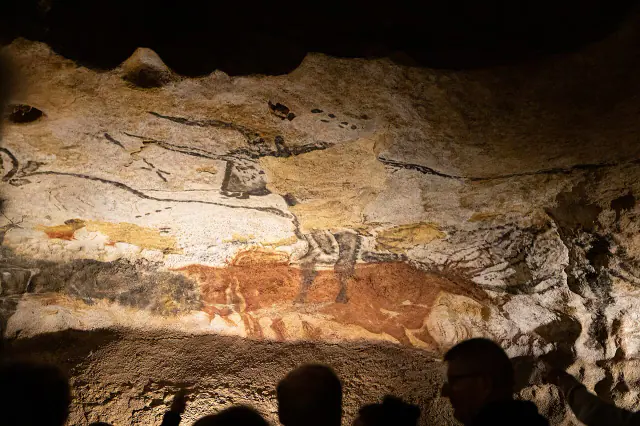
≈23,500–21,000 cal BP · debated contextual estimate
Lascaux
Prehistory
≈23,500–21,000 cal BP with 1950 origin; debated contextual estimate, replica image. It is an approximate scale conversion for ordering; not a new radiocarbon calibration.
Read the record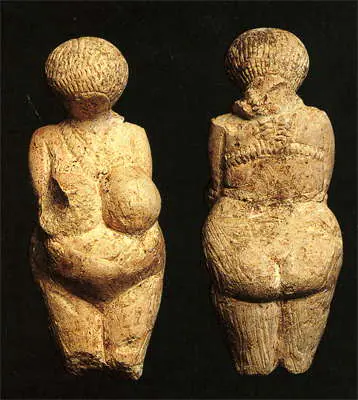
≈23,000–21,000 years
Kostenki I
Prehistory
Approximate catalogue age; editorial reference 2026 for ordering only, not calibrated dating.
Read the record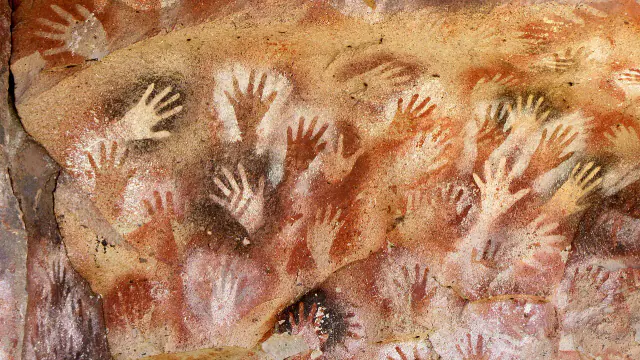
Sequence ≈9300–1300 BP
Cueva de las Manos
Prehistory
Sequence ≈9300–1300 BP converted with 1950 origin; not a single date for all images. It is an approximate scale conversion for ordering; not a new radiocarbon calibration.
Read the record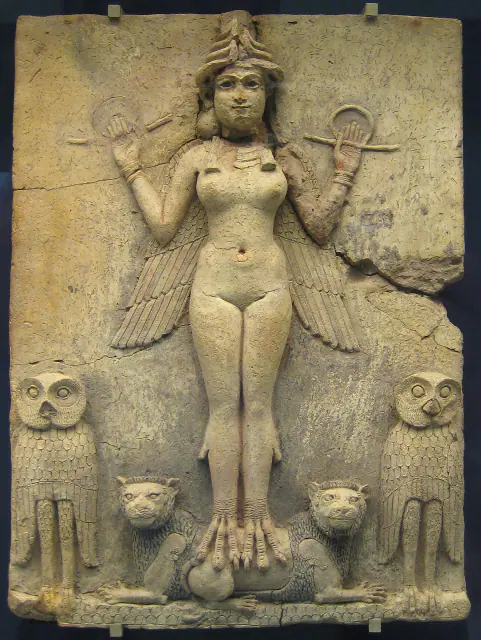
19th–18th centuries BCE
Queen of the Night
Sumer
Approximate dating according to the record.
Read the record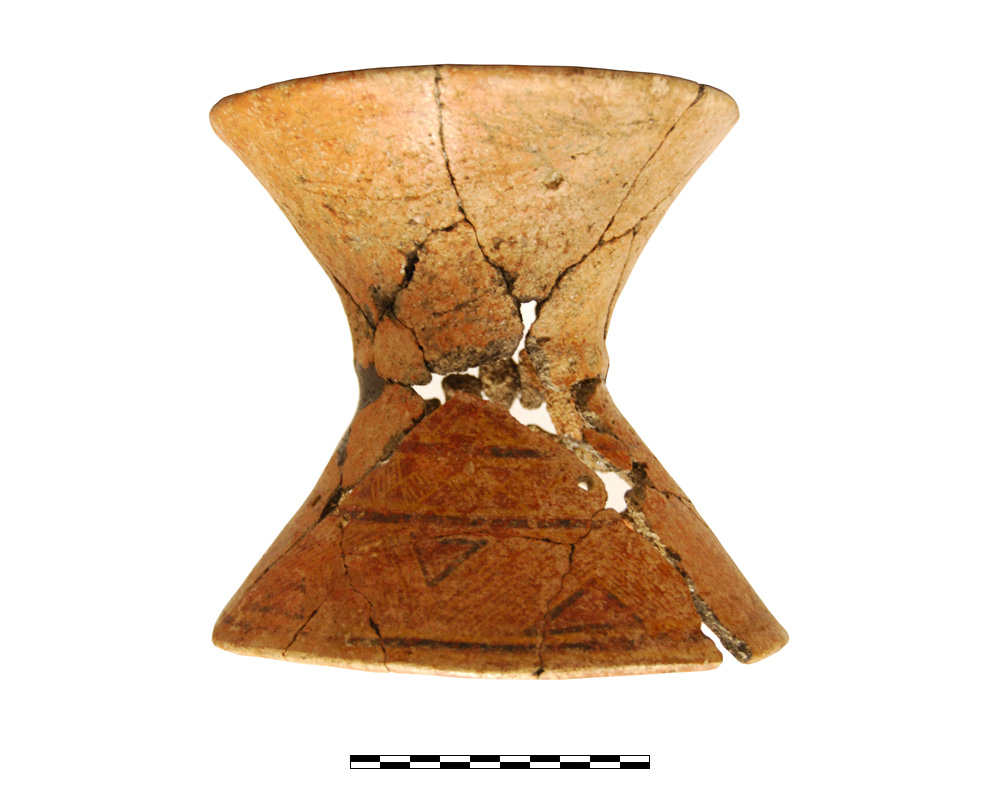
8th–7th centuries BCE · orientalizing
Ceramic stand 1010
Iberians
Chronology of the funerary context of Tomb 5, Orientalising horizon.
Read the record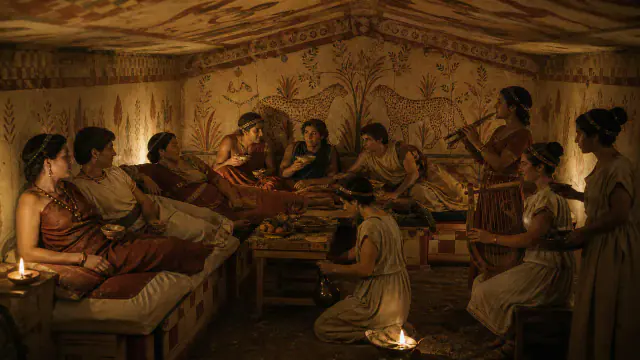
Around 480–470 BCE
Banquet under leopards
Etruscans and Rome
Approximate dating according to the record.
Read the record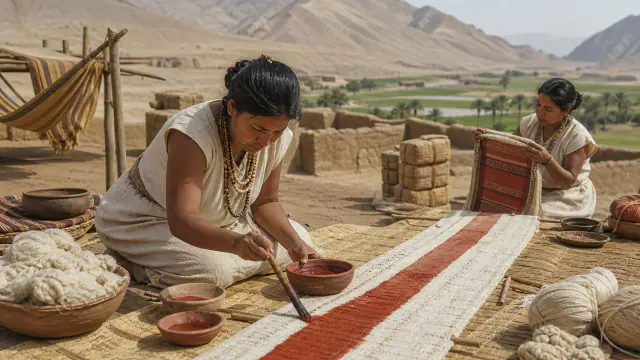
4th–3rd centuries BCE
The Karwa textile
Pre-Inca cultures
Approximate dating according to the record.
Read the record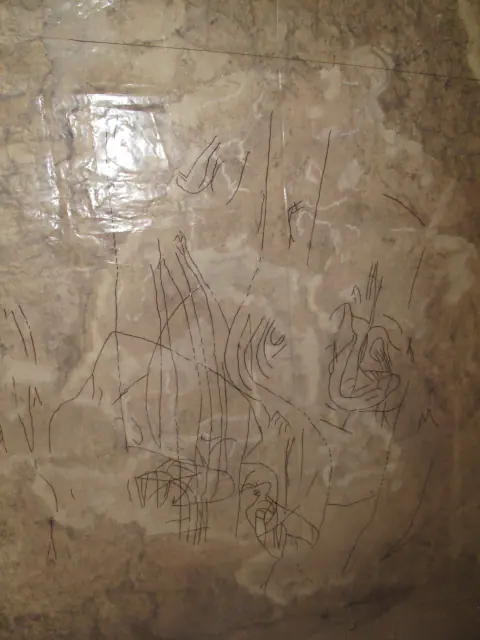
c. 100 BCE
The walls of San Bartolo
Maya worlds
Approximate dating according to the record.
Read the record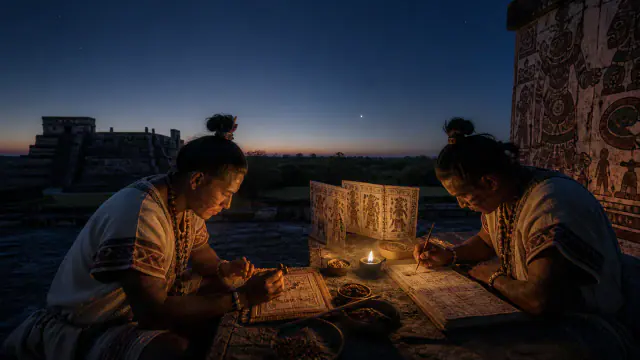
Preserved manuscript: Postclassic, probably 13th–14th centuries; earlier knowledge
Venus in the codex
Maya worlds
Probable date of the preserved manuscript, not of the origin of its knowledge.
Read the record
Also connected, without a comparable date (8)
These objects are not placed after the others: an unknown date does not mean a more recent object.
- BhimbetkaPrehistory · Mesolithic–historical and medieval period
- Blue that does not yieldMaya worlds · Documented use from the Classic, c. 300–1500 CE
- Eland CavePrehistory · Regional tradition of ≈4,000 years · up to historical period
- KakaduPrehistory · Regional corpus ≈20,000 BP–contemporary era
- Leang KarampuangPrehistory · Minimum 51,200 years · dating published in 2024
- Quinkan CountryPrehistory · Regional art up to ≈27,000 BP · modern continuity
- Sierra de San FranciscoPrehistory · Broad tradition with direct dates ≈5290–295 BP
- Tassili n’AjjerPrehistory · Corpus ≈6000 BCE–first centuries CE
A closer look
About 1 min to read · 1 section. Further reading and sources · free access. Editorial review recorded: .
A painting in a place people visited
The University of Witwatersrand documents that Game Pass receives pilgrimages from Zulu healers and Khoesan descendants. In its description, entering barefoot expresses respect for the shelter. Some days access is reserved for private local ceremonies, while public visits provide employment to the Thendela community. These current uses add a concrete history to the contemplation of the panel: conserving it also involves organising encounters, work and moments of intimacy. The file allows one to view the painting as part of a space to which different people continue to attribute obligations.
Sources and references
Did you enjoy this exhibit?
Your opinion helps us improve the museum. You can change it whenever you like.
Loading your rating…