
 English
 Español
 Français
 Italiano
 Deutsch
 Русский
 Português
 Polski
 Română
 Svenska
 Norsk bokmål
 Suomi
 Türkçe
 العربية
 简体中文
 한국어
 हिन्दी
 Ελληνικά
OCEANIA · CAPE YORK
Quinkan Country
Ancestral beings of Quinkan Country
These figures remain part of the traditions of the region's Aboriginal communities.
Museum documentation · free public access, no account required.
Documentary original · Exact correspondence
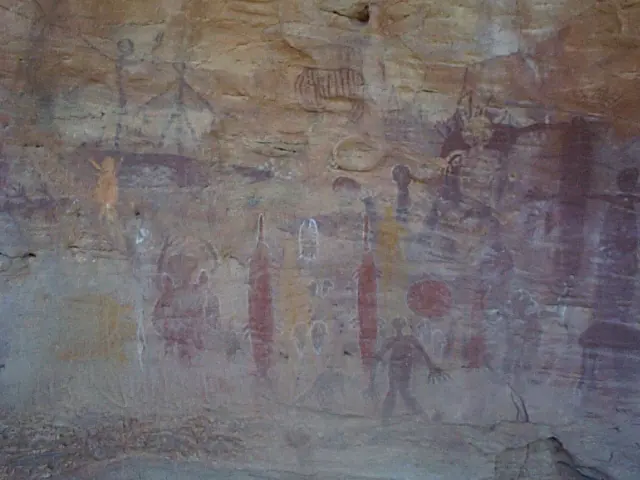
Documentary photograph published as Quinkan2.jpg. Its 4:3 framing and native resolution of 640 × 480 pixels are preserved, without enlargement or reconstruction of details. The copyright licence does not replace respect for the traditional custodians of the cultural landscape.
Michael Gardner (MichaelGG) · Quinkan Country · Inventory: Quinkan2.jpg · Public domain · author dedication (PD-user)
History and context
In the shelters of Quinkan Country appear tall, slender beings, and others with broad bodies and surprising forms. The names Timara, Imjim or Anurra belong to knowledge systems linked to the land; calling them simply "ghosts" erases the living relationship between image, place and custodians.
The region preserves evidence of occupation of around 34,000 years and rock art up to around 27,000 BP. Those figures describe the cultural landscape, not every visible figure. Continuity into modern times makes the ensemble a conversation, not a closed capsule.
Evidence and interpretation
The panel shown is not individually dated and should not automatically receive the maximum regional age. The photograph is reusable by copyright, but the image still belongs to a living cultural landscape: its dissemination must respect the guidelines and decisions of the traditional custodians.
Catalogue facts
- Date
- Regional art up to ≈27,000 BP · modern continuity
- Location
- Quinkan Country · Laura area, Queensland, Australia
- Material
- Pigments on rock shelters
- Landscape
- Regional occupation documented from ≈34,000 BP
- Subject
- Ancestral beings Timara and Imjim/Anurra
- Status
- Heritage of a living culture
- Caution
- No individual date for the photographed panel
A SHARED TOPIC, DIFFERENT MOMENTS
Objects connected through time
Follow a topic across the collections. A shared tag is a way to compare objects, not proof that one culture influenced another.
The order uses the midpoint of each approximate date range; ranges can overlap. Spacing does not represent elapsed time. Swipe, scroll or use the arrows. With the sequence focused, use ← / →, Home or End.
THE CURRENT OBJECT
Its date is not sufficiently established to place it on the timeline. We keep it here, separate from the dated objects.
 You are viewing
Regional art up to ≈27,000 BP · modern continuity
Quinkan Country
Prehistory
Regional continuity and maximum age do not equate to an individual date for the panel.
Current recordPigments14 dated objects
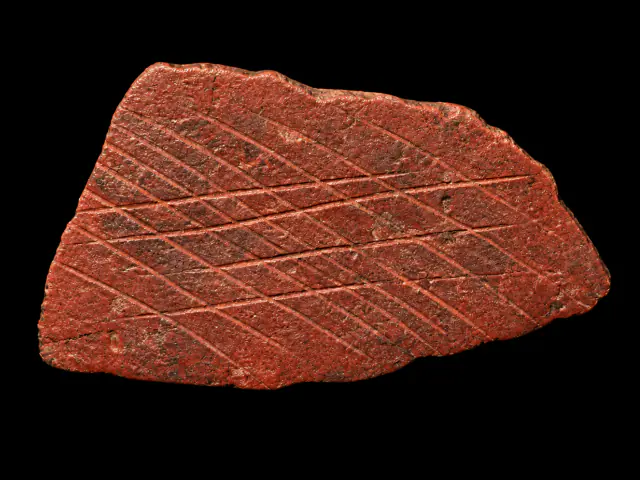
≈77,000–75,000 years
Engraved ochre from Blombos
Prehistory
Approximate catalogue age; editorial reference 2026 for ordering only, not calibrated dating.
Read the record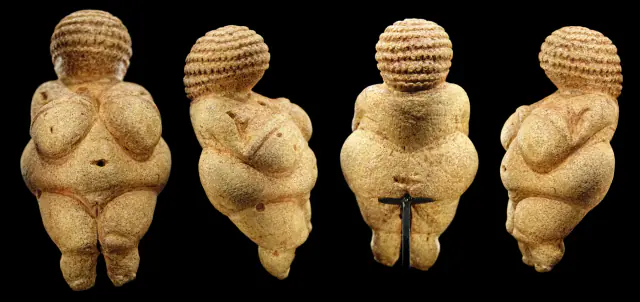
≈29,500 years
Willendorf
Prehistory
Approximate catalogue age; editorial reference 2026 for ordering only, not calibrated dating.
Read the record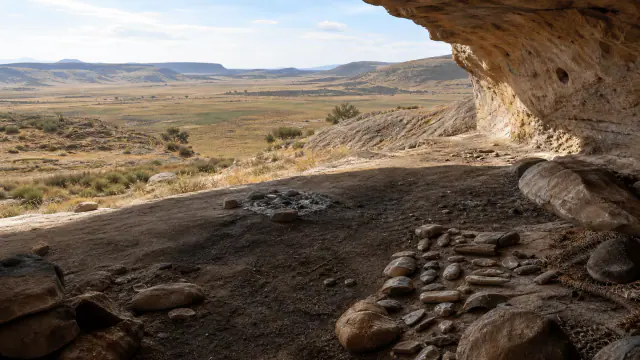
≈25.500–23.500 BCE
Before the San
San histories
Date of the representative element, not ethnic attribution of its authors.
Read the record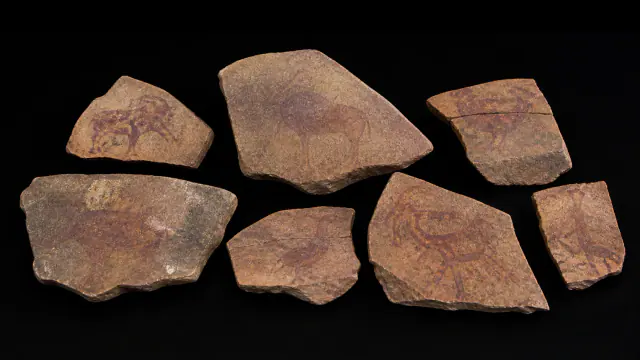
≈25.500–23.500 BCE
Before the name San
San histories
Dating of the context of the slabs; anonymous authors.
Read the record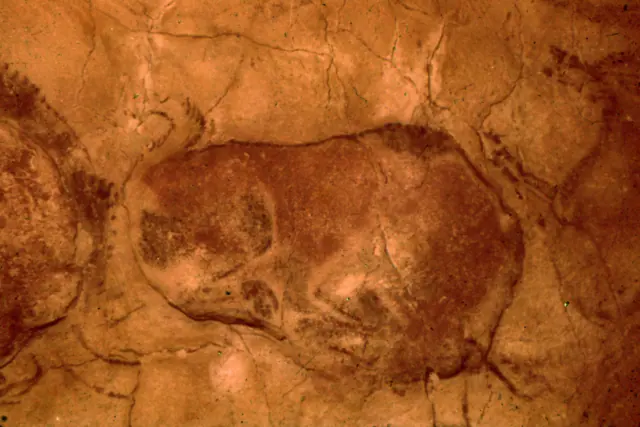
Assemblage ≈36,000–13,000 BP · bison ≈18,400–15,300 cal BP
Altamira
Prehistory
Assemblage range ≈36,000–13,000 BP, converted with 1950 origin; not a single date for the bison. It is an approximate scale conversion for ordering; not a new radiocarbon calibration.
Read the record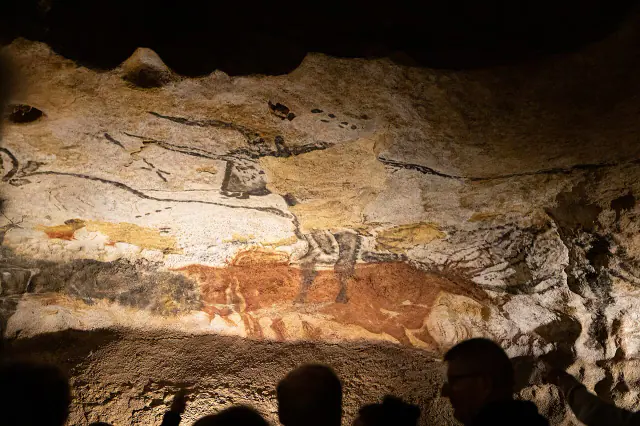
≈23,500–21,000 cal BP · debated contextual estimate
Lascaux
Prehistory
≈23,500–21,000 cal BP with 1950 origin; debated contextual estimate, replica image. It is an approximate scale conversion for ordering; not a new radiocarbon calibration.
Read the record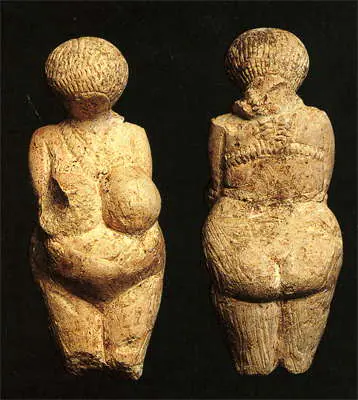
≈23,000–21,000 years
Kostenki I
Prehistory
Approximate catalogue age; editorial reference 2026 for ordering only, not calibrated dating.
Read the record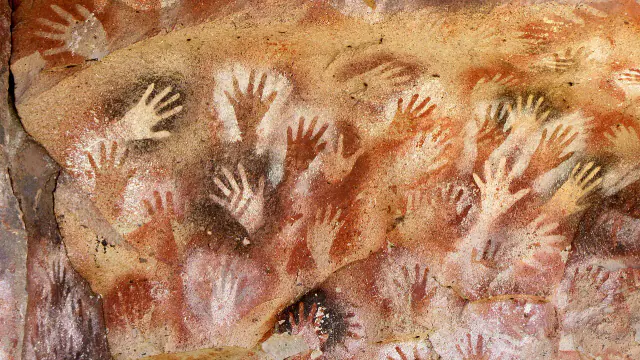
Sequence ≈9300–1300 BP
Cueva de las Manos
Prehistory
Sequence ≈9300–1300 BP converted with 1950 origin; not a single date for all images. It is an approximate scale conversion for ordering; not a new radiocarbon calibration.
Read the record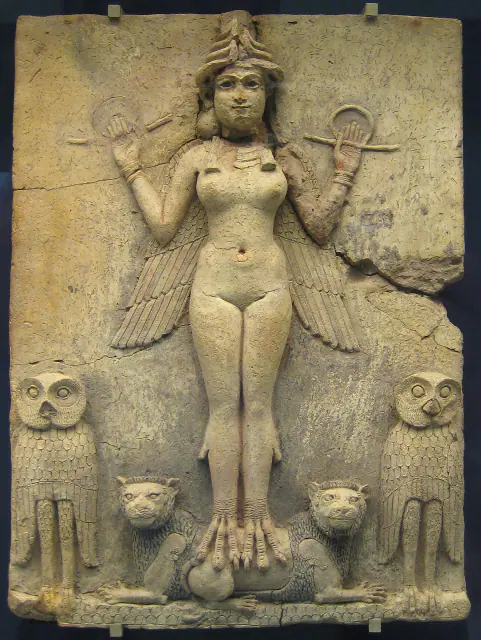
19th–18th centuries BCE
Queen of the Night
Sumer
Approximate dating according to the record.
Read the record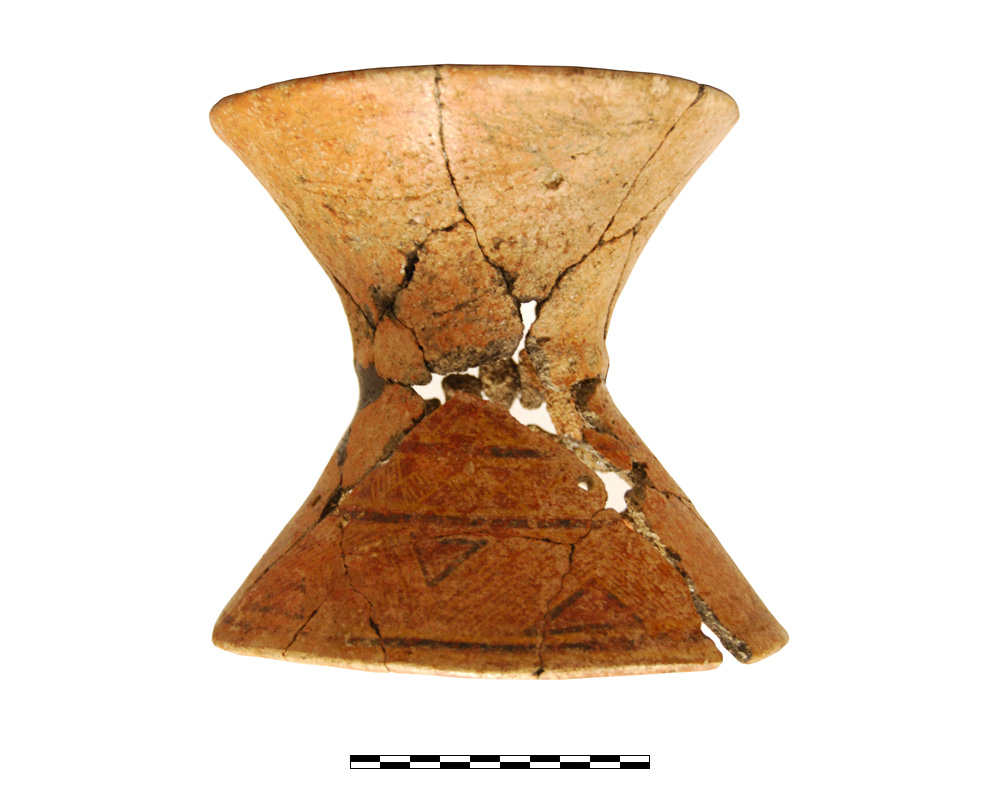
8th–7th centuries BCE · orientalizing
Ceramic stand 1010
Iberians
Chronology of the funerary context of Tomb 5, Orientalising horizon.
Read the record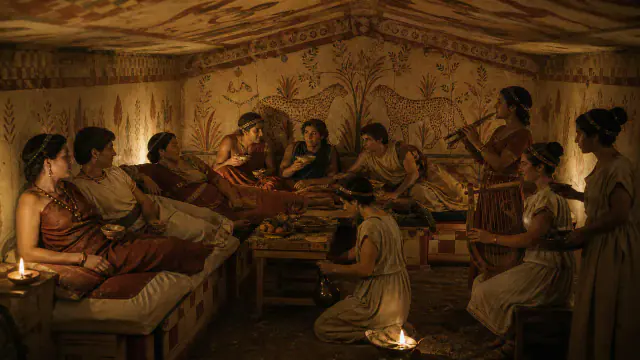
Around 480–470 BCE
Banquet under leopards
Etruscans and Rome
Approximate dating according to the record.
Read the record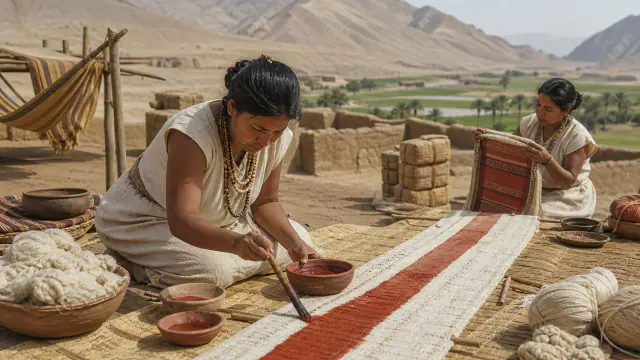
4th–3rd centuries BCE
The Karwa textile
Pre-Inca cultures
Approximate dating according to the record.
Read the record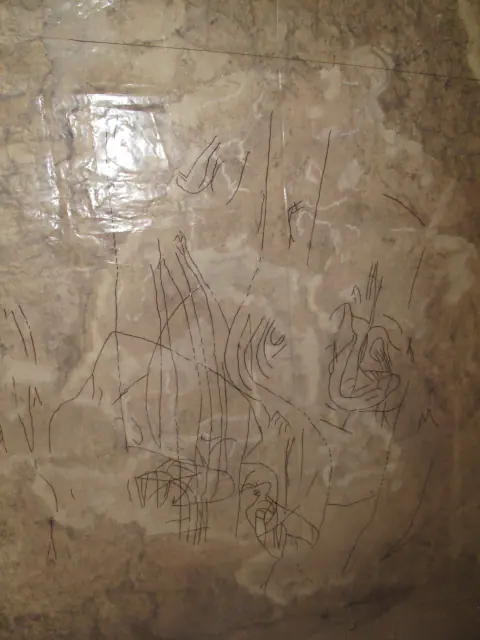
c. 100 BCE
The walls of San Bartolo
Maya worlds
Approximate dating according to the record.
Read the record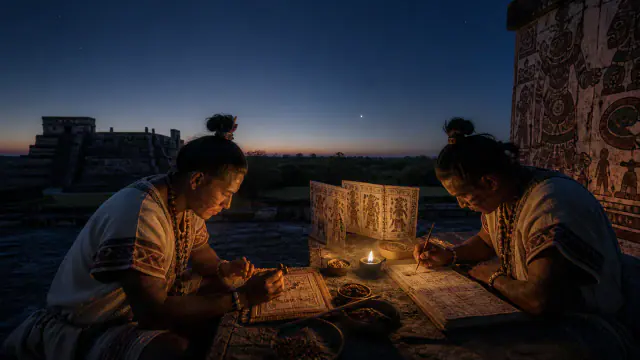
Preserved manuscript: Postclassic, probably 13th–14th centuries; earlier knowledge
Venus in the codex
Maya worlds
Probable date of the preserved manuscript, not of the origin of its knowledge.
Read the record
Also connected, without a comparable date (8)
These objects are not placed after the others: an unknown date does not mean a more recent object.
- BhimbetkaPrehistory · Mesolithic–historical and medieval period
- Blue that does not yieldMaya worlds · Documented use from the Classic, c. 300–1500 CE
- Eland CavePrehistory · Regional tradition of ≈4,000 years · up to historical period
- Game Pass ShelterSan histories · Regional rock art chronology · panel not dated in isolation
- KakaduPrehistory · Regional corpus ≈20,000 BP–contemporary era
- Leang KarampuangPrehistory · Minimum 51,200 years · dating published in 2024
- Sierra de San FranciscoPrehistory · Broad tradition with direct dates ≈5290–295 BP
- Tassili n’AjjerPrehistory · Corpus ≈6000 BCE–first centuries CE
A closer look
About 1 min to read · 1 section. Further reading and sources · free access. Editorial review recorded: .
Knowing the place also requires listening to its custodians
Heritage documentation acknowledges the collaboration of Tommy George, George Musgrave, Percy Trezise and Dick Roughsey in the research and dissemination of Quinkan Country. Their work reminds us that a photographic archive does not by itself contain the knowledge of a landscape. Communities maintain laws, stories and relationships with specific places, and not all their values are publicly mapped. The entry presents an accessible approximation; it does not substitute the authority of the custodians to decide what knowledge may be shared and how.
- Heritage · DCCEEW · Quinkan Country, national heritageAccess recorded: .
Reference images and provenance
 View full-size photograph ⛶
Full documentary panoramic view of Split Rock, preserved uncropped. Provides the context of the panel; the regional age does not individually date each visible figure.
Documentary original · Contextual correspondence
Ianpwhite · Quinkan Country · Split Rock · Inventory: Split rock panorama

Location and territory
REGIONAL AREA
Quinkan Country · QueenslandThe marker indicates the Laura area within a living cultural landscape that is much broader.Sources and references

Did you enjoy this exhibit?
Your opinion helps us improve the museum. You can change it whenever you like.
Loading your rating…