
 English
 Español
 Français
 Italiano
 Deutsch
 Русский
 Português
 Polski
 Română
 Svenska
 Norsk bokmål
 Suomi
 Türkçe
 العربية
 简体中文
 한국어
 हिन्दी
 Ελληνικά
15 · Treasure · technique
Tools in relation
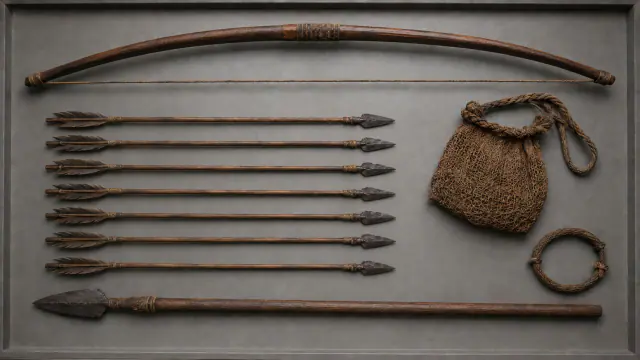
Bow, arrows, spear, bag and dog collar
The bow, spear and accessories form a hunting set collected in Kaninya.
Museum documentation · free public access, no account required.
Generated reconstruction · Declared visual hypothesis
AI RECONSTRUCTION · visually verified inventory, forms not exact
History and context
The Kaninya set brings together bow, arrows, spear, bag and dog collar collected by John Lister.
It can dialogue with testimonial vocabulary from Mgahinga if both provenances remain separate and visible.
Evidence and interpretation
British Museum Af1948,08.202, .209 and .257–.265.
Catalogue facts
- Narrative date
- ca. 1947
- Location
- Kaninya, Rwanda; today London
- Material
- wood, iron, fibres, leather and materials to be verified in each record
- Context
- Do not stage generic hunting, slain animal or present activity.
- Curatorial reading
- The documented fact and its interpretation appear separately in the evidence block.
- Dossier axis
- treasures
- Research record
- BATWA · treasure-kaninya-hunting-ensemble
- Documentary coverage
- 2 museum, heritage, primary corpus or research sources for this stop.
A SHARED TOPIC, DIFFERENT MOMENTS
Objects connected through time
Follow a topic across the collections. A shared tag is a way to compare objects, not proof that one culture influenced another.
The order uses the midpoint of each approximate date range; ranges can overlap. Spacing does not represent elapsed time. Swipe, scroll or use the arrows. With the sequence focused, use ← / →, Home or End.
THE CURRENT OBJECT
Its date is not sufficiently established to place it on the timeline. We keep it here, separate from the dated objects.
 You are viewing
ca. 1947
Tools in relation
Batwa / Twa histories
Ca. 1947 documents the collection of the set; not manufacture nor antiquity of the practice.
Current recordWood13 dated objects
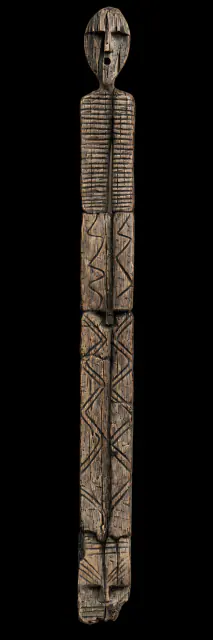
C. 10,000 BCE · approximation; debated dating
Shigir Idol
Prehistory
Approximation expressed in the record; dating debated.
Read the record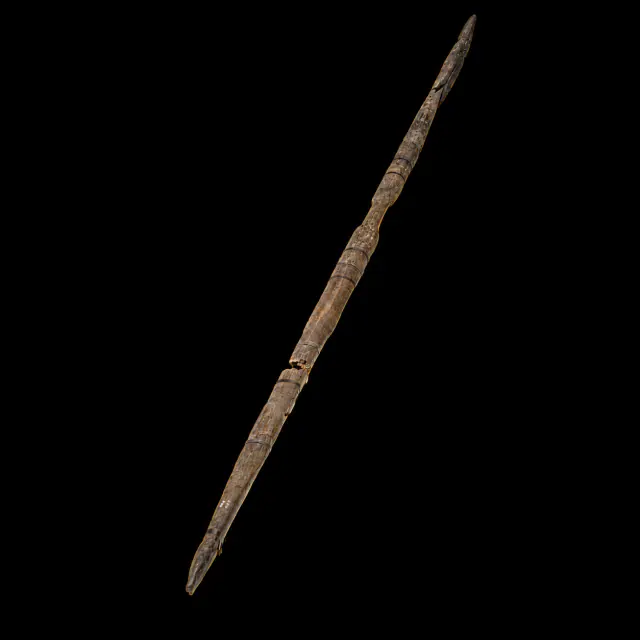
≈7000 BCE
Holmegaard bow
Prehistory
Date of the Holmegård bow; the Albuñol strings compared in the record date to ≈5300–4900 BCE.
Read the record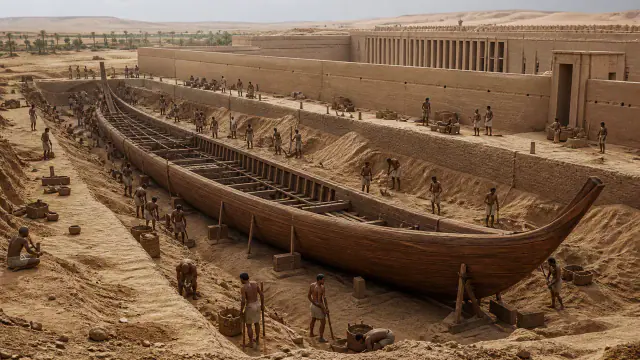
ca. 3000 BCE
Abydos Boats
Ancient Egypt
Approximate dating of the set of boats.
Read the record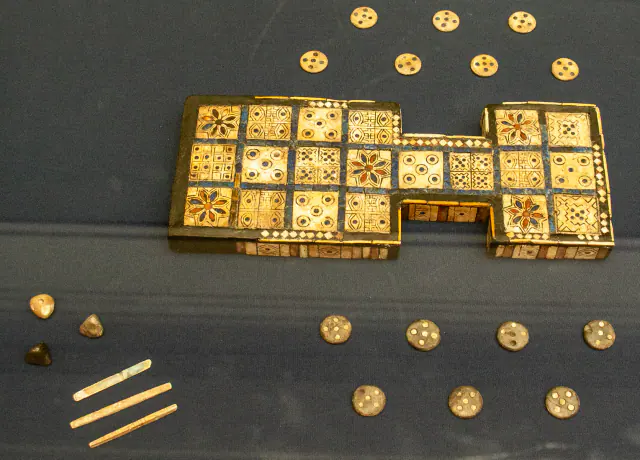
2600–2400 BCE
Royal Game of Ur
Sumer
Approximate dating according to the record.
Read the record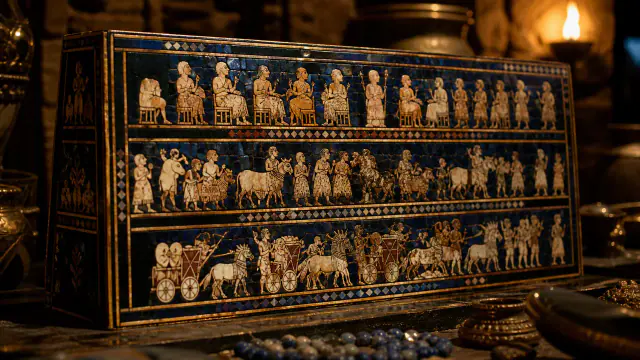
ca. 2600–2400 BCE
Standard of Ur
Sumer
Unknown function; The scenes do not prove that it was a banner.
Read the record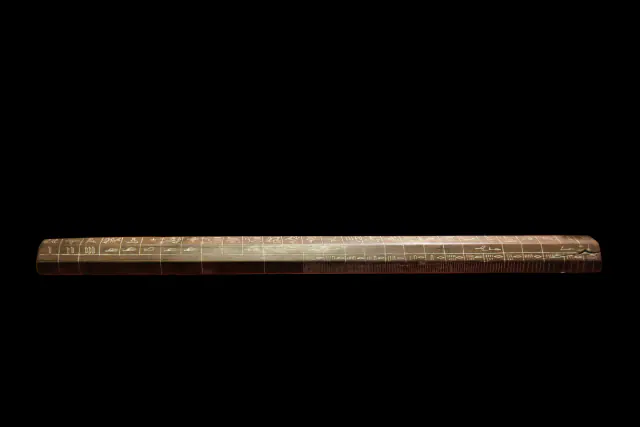
1330–1295 BCE · end of the 18th dynasty
Maya's cubit
Ancient Egypt
Approximate dating according to the record.
Read the record
c. 1600–1000 BCE, in several phases
Wooden faces
Maya worlds
Deposit made in several phases; not simultaneous manufacture.
Read the record
Second half of the 7th century BCE
Mazarrón 1
Phoenicians
Second half of the 7th century BCE
Read the record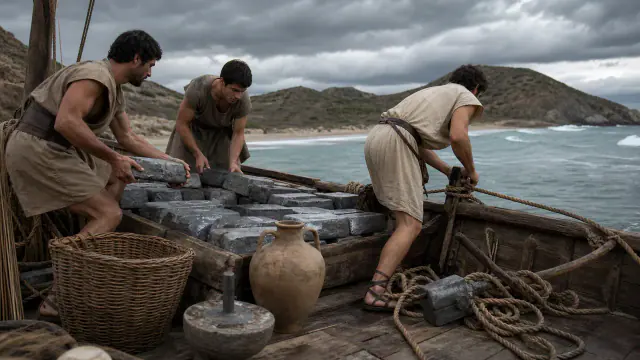
Second half of the 7th century BCE
Mazarrón 2
Phoenicians
Date of the shipwreck and its context; the cargo brings together several objects.
Read the record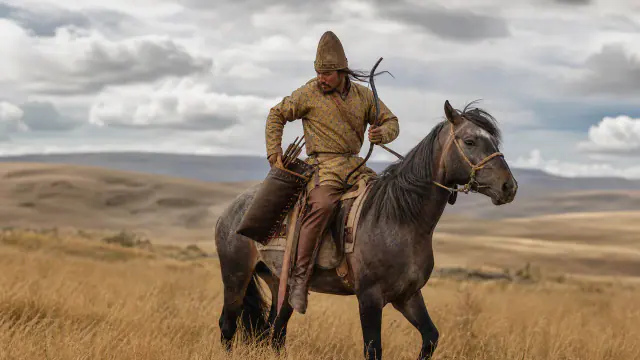
5th–4th centuries BCE
Bow and arrows in a case
Scythians and Saka
Typological set of slings; no date for a single specimen.
Read the record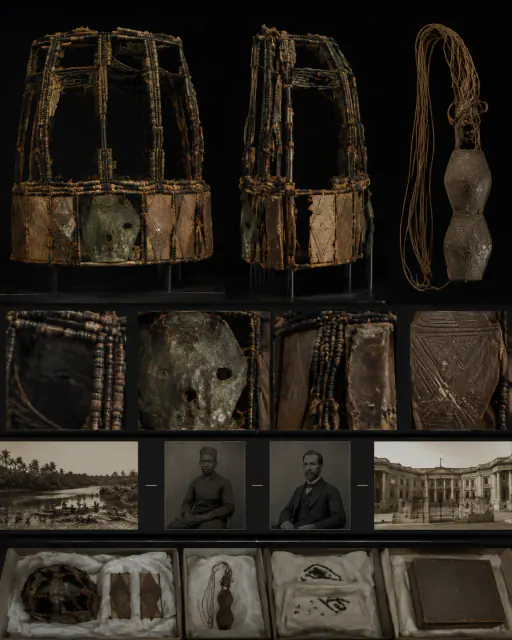
ca. 1760
Kuba ndop
Bantu-speaking worlds
Approximate dating according to the record.
Read the record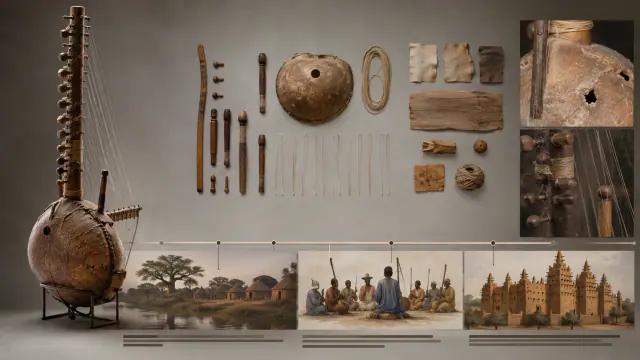
19th century
19th-century kora
Mande Worlds
The century of the surviving instrument, not the origin of the musical tradition.
Read the record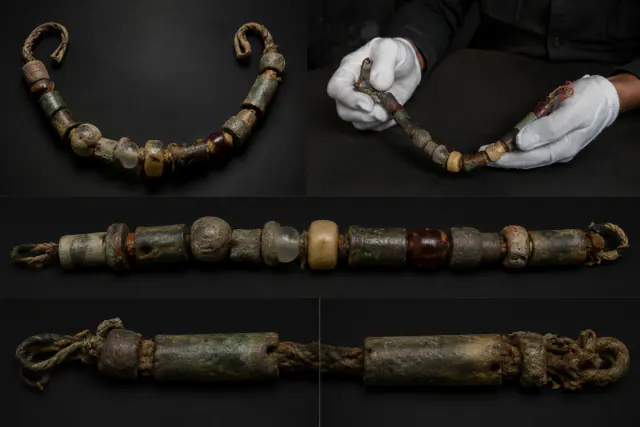
19th–20th centuries
Lukasa
Bantu-speaking worlds
Date range of the catalogued object, not the origin of the memory tradition.
Read the record
Also connected, without a comparable date (3)
These objects are not placed after the others: an unknown date does not mean a more recent object.
- Memory in performanceBantu-speaking worlds · 19th–20th centuries and transmitted practice
- Rice on stiltsYayoi Japan · Especially 1st–3rd centuries CE
- Rome learns in terracottaEtruscans and Rome · End of the sixth century BCE
A closer look
About 1 min to read · 1 section. Further reading and sources · free access. Editorial review recorded: .
The hunting equipment also belonged to exchange networks
For Batwa communities in southwest Uganda, the study by Rose Nakayi identifies meat, skins and honey among the traded goods; also medicinal plants and aromatic woods could obtain cultivated food, metal or money. This regional context helps interpret the Kaninya equipment beyond animal capture: its products could sustain relations with other crafts and communities. The comparison does not attribute these exchanges to the unknown owners of these Rwandan pieces. It shows a regional economy documented in which hunting, gathering and trading were not exclusive activities.
Where it is held
The British Museum
Component of the group · Documented collection
The link brings together pieces attributed to Twa communities of Kaninya. The virtual file recomposes a comparative set and does not assert that all its components are displayed together.
The holding institution is documented; public display may change. Check its official record before visiting.
Sources and references
Did you enjoy this exhibit?
Your opinion helps us improve the museum. You can change it whenever you like.
Loading your rating…