
 English
 Español
 Français
 Italiano
 Deutsch
 Русский
 Português
 Polski
 Română
 Svenska
 Norsk bokmål
 Suomi
 Türkçe
 العربية
 简体中文
 한국어
 हिन्दी
 Ελληνικά
KING ODRISIO · DIPLOMACY AND CAMPAIGNS
Sitalces
Sitalces: alliances and limits of a great army
His alliance with Athens and his campaign against Macedonia show the scope and limits of the Odrysian kingdom.
Museum documentation · free public access, no account required.
Reconstruction · Declared visual hypothesis
AI-recreated portrait of Sitalces. The clothing is supported by the historical context of the card; the face, age depicted, coloration, and unpreserved details are interpretive. It is neither an authentic photograph nor a scientific facial reconstruction.
Tracekeepers
History and context
Sitalces, son of Teres, allied himself with Athens in 431 BCE thanks to the mediation of Nymphodorus of Abdera. The Odrysian kingdom thus participated in the politics of the Peloponnesian War.
In 429 BCE he advanced against Macedonia and the Chalcidian cities. Food shortages and winter contributed to his withdrawal: assembling fighters did not guarantee that he could sustain them far from their homes.
Evidence and interpretation
Thucydides’ account is essential, but it also reflects an Athenian view of Athens’ allies. No identified portrait of Sitalces is known. He should not be confused with namesakes linked to Alexander in the 4th century BCE.
AI-recreated portrait of Sitalces. The clothing is supported by the historical context of the card; the face, age depicted, coloration, and unpreserved details are interpretive. It is neither an authentic photograph nor a scientific facial reconstruction.
Catalogue facts
- Chronology
- Documented as king in 431–424 BCE
- Location
- Thrace odrysia · connections with Abdera and Macedonia
A closer look
About 1 min to read · 3 sections. Further reading and sources · free access. Editorial review recorded: .
Distinguishing the two figures named Seuthes
After Sitalces died during a campaign against the Triballi in 424 BCE, he was succeeded by his nephew Seuthes, son of Sparadocus. This was Seuthes I: King Seuthes III, associated with the famous bronze portrait, belongs to a later period.
An image made from Athens
A jug made in Athens around 425 BCE and found near Karnobat shows Thracian warriors. It serves to study how objects and images circulated between both regions. None of its figures can be identified as Sitalces due to this chronological proximity.
- Museum · Getty · Attic jug with Thracian warriors, circa 425 BCEAccess recorded: .
The army as a supply problem
The story invites us to consider resources and decisions, as well as battles. Thucydides' soldier figures must be attributed to the author: they are not an archaeologically verified count.
One history, two perspectives
What connects Sitalces with other people, and how the view changes from the other side. These interpretations are based on sources; they are not quotations or reconstructions of private thoughts.
FAMILY · DOCUMENTED RELATIONSHIP
Sitalces ↔ Terēs I
Son of Teres I
Sitalces belongs to the dynasty that Thucydides relates to Teres. Family continuity does not imply that both governed exactly the same territories or through identical agreements.
From Sitalces’s perspective
Since the actions of Sitalces, Teres is the dynastic antecedent of a kingdom that needs new alliances. Inheriting a name and position does not eliminate the need to negotiate with neighbors and communities that maintain their own interests.
Read Terēs I’s perspective on Sitalces →Reference images and provenance
You can enlarge the documentary photograph of the piece related to this figure. It is not listed as an input of a generated portrait. The identification of the figure, when discussed, is explained in the file.
 View full-size photograph ⛶
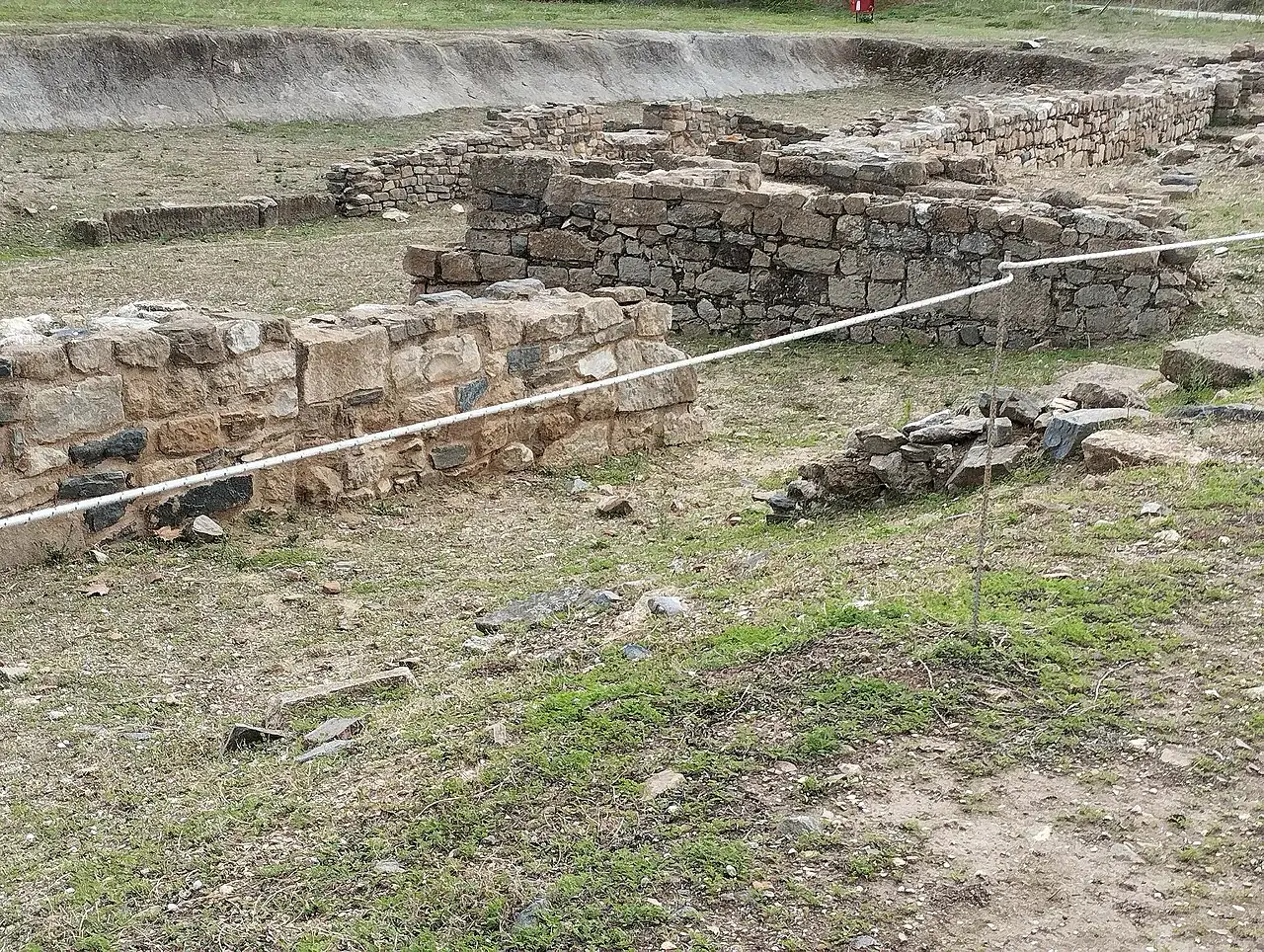
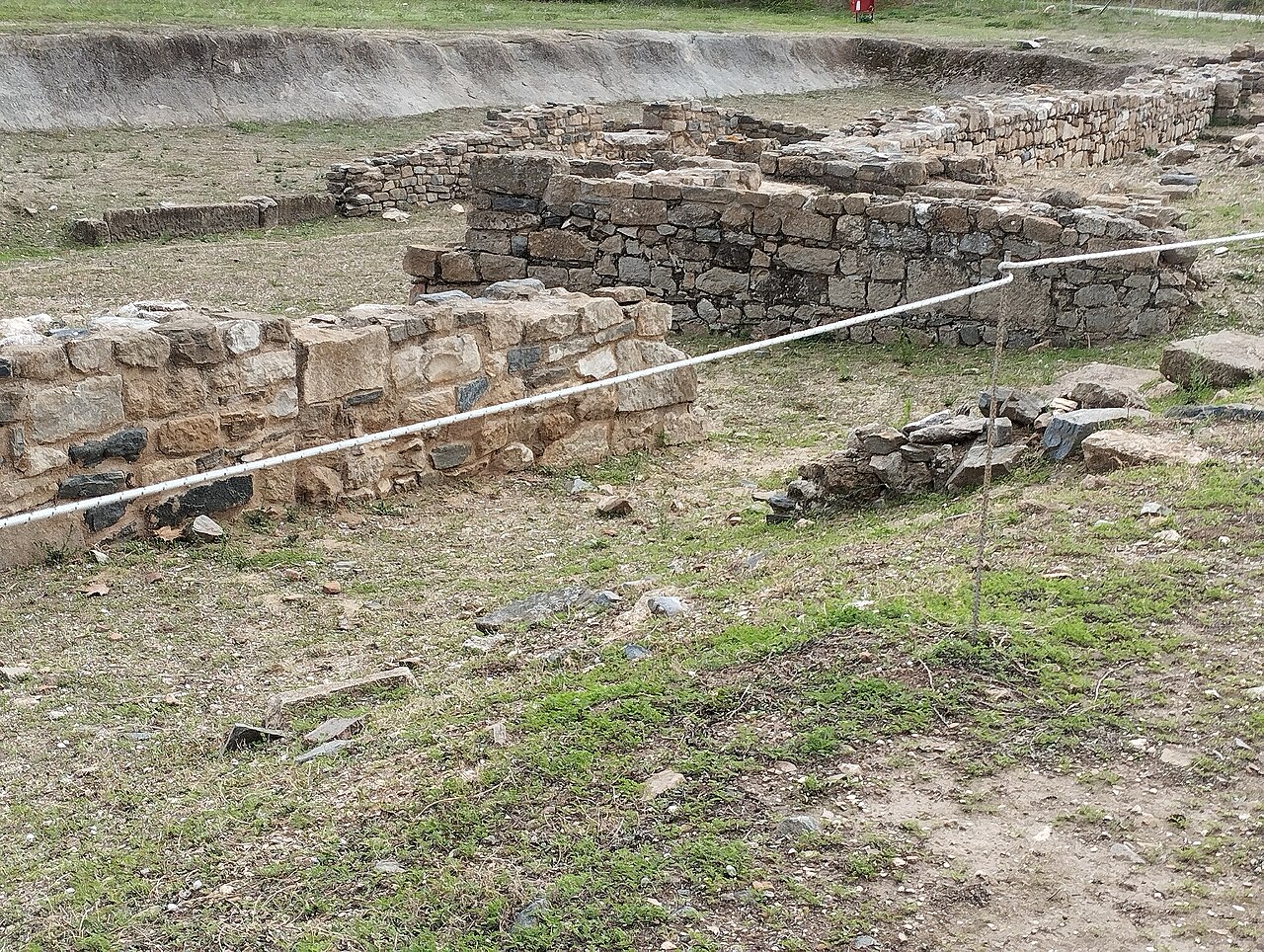
Site of Abdera, geographical context of Nymphodorus's mediation for the alliance with Athens. It is neither a portrait nor a capital attributed to Sitalces. Modern view of the site, no portrait of Sitalces nor identification of a building he inhabited. The visible remains may belong to later phases; the historical relationship is with the city, not with each photographed structure.
Contextual image · Contextual correspondence
Gepsimos

 View full-size reference ⛶
Documentary photograph of the reference object
This photograph is the registered source of the documentary image currently displayed; it is not presented as an input photograph for another generated portrait.
This photograph is the registered source of the documentary image currently displayed; it is not presented as an input photograph for another generated portrait.
Documentary original · Contextual correspondence
Gepsimos
Additional visual documentation
A cited publication does not establish which image was used to create the character.
Location and territory
REGIONAL AREA
Thrace odrysia · connections with Abdera and MacedoniaAbdera, approximate marker of diplomatic connection; not capital of Sitalces.Sources and references
Did you enjoy this exhibit?
Your opinion helps us improve the museum. You can change it whenever you like.
Loading your rating…