
 English
 Español
 Français
 Italiano
 Deutsch
 Русский
 Português
 Polski
 Română
 Svenska
 Norsk bokmål
 Suomi
 Türkçe
 العربية
 简体中文
 한국어
 हिन्दी
 Ελληνικά
DROMIQUETES · GETA POWER
Dromichaetes
Dromichaetes: victory and negotiation
Greek sources recount that he defeated Lysimachus and then negotiated his release.
Museum documentation · free public access, no account required.
Reconstruction · Declared visual hypothesis
AI-recreated portrait of Dromiquetes. The clothing is supported by the historical context of the card; the face, age depicted, coloration, and unpreserved details are interpretive. It is neither an authentic photograph nor a scientific facial reconstruction.
Tracekeepers
History and context
Dromiquetes ruled among the Getae of the Danubian area. Diodorus and Strabo preserve the memory of his victory over Lysimachus and the liberation of the monarch. A king whom Greek sources placed among the barbarians was able to impose conditions on a powerful successor to Alexander.
Diodorus places a banquet at the end and contrasts both tables. The scene functions as a moral lesson in its story: it transmits an ancient literary tradition, not an inventory of tableware or a verified transcription of speeches.
Evidence and interpretation
Geta king documented in ancient sources. A personal portrait is not credited here. The association of Sveshtari's tomb with Dromiquetes and the identification of its capital Helis should not be presented as certainties.
AI-recreated portrait of Dromiquetes. The clothing is supported by the historical context of the card; the face, age depicted, coloration, and unpreserved details are interpretive. It is neither an authentic photograph nor a scientific facial reconstruction.
Catalogue facts
- Chronology
- Towards 292 BCE · episodes of the conflict with Lysimachus
- Location
- Geta world of the Lower Danube · Sveshtari as archaeological context
A closer look
About 1 min to read · 3 sections. Further reading and sources · free access. Editorial review recorded: .
What the comparison provides
Strabo also mentions the capture and subsequent release of Lysimachus. The coincidence allows the confrontation to be presented as a historical relationship. It does not independently confirm every scenic detail of the banquet that Diodorus develops.
- Ancient text · Strabo VII.3.14 · Geography, edition H. L. Jones, LoebAccess recorded: .
Sveshtari and Getic culture
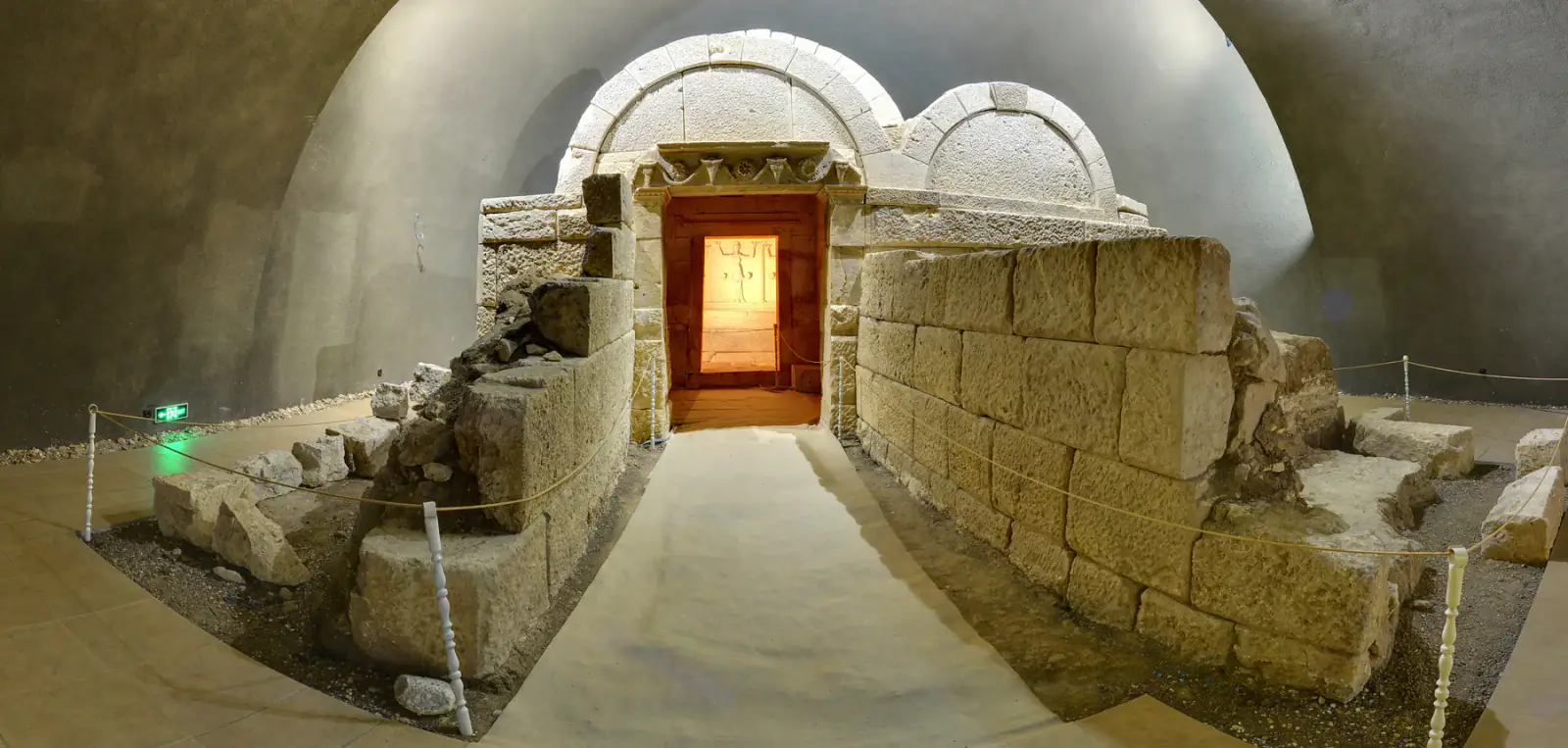
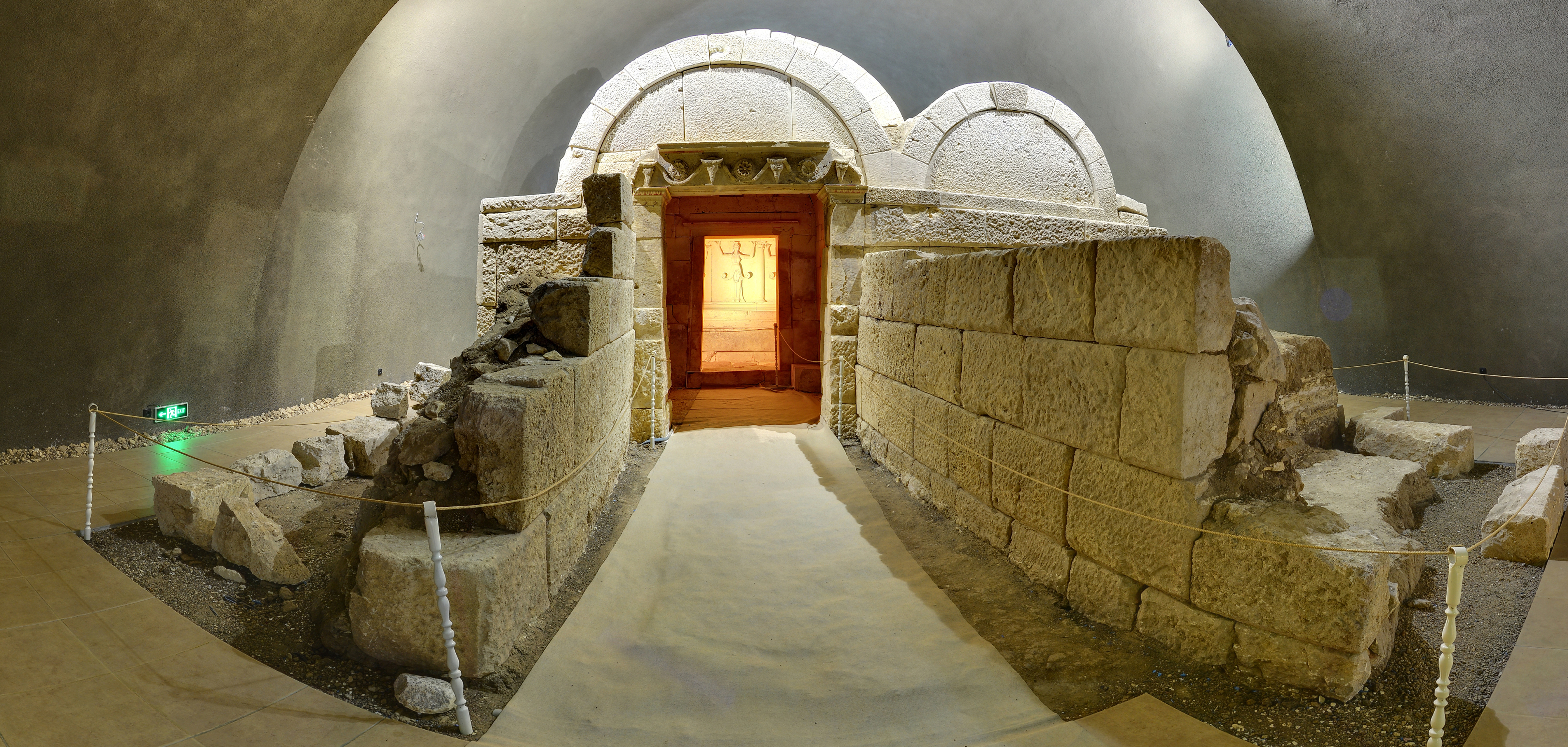
UNESCO dates the tomb to the 3rd century BCE and identifies it as a testimony of the Geta culture. Its ten female figures combine human and plant forms. The monument allows us to discover an artistic environment without automatically attributing it to a king with a well-known name.
- Heritage · UNESCO · Thracian tomb of SveshtariAccess recorded: .
The date of a campaign
The Loeb edition dates the campaign to 292 BCE. Maintaining an approximate date avoids transferring excessive precision to the record regarding episodes transmitted in fragments.
- Ancient text · Diodorus XXI.11–12 · Historical Library, Loeb editionAccess recorded: .
One history, two perspectives
What connects Dromichaetes with other people, and how the view changes from the other side. These interpretations are based on sources; they are not quotations or reconstructions of private thoughts.
CONFLICT · DOCUMENTED RELATIONSHIP
Dromichaetes ↔ Lysimachus
Victor who negotiates liberation
Dromichaetes negotiated with Lysimachus from the position of the victor. The relationship combines war and agreement; It is not reduced to permanent hostility nor does it test every discourse transmitted by tradition.
From Dromichaetes’s perspective
Since the victory of Dromichaetes, Lysimachus is a captive whose return can serve as a negotiation. This reading of the outcome distinguishes the political utility of freeing a rival from the exemplary speeches that ancient authors place on the scene.
Read Lysimachus’s perspective on Dromichaetes →Reference images and provenance
You can enlarge the documentary photograph of the piece related to this figure. It is not listed as an input of a generated portrait. The identification of the figure, when discussed, is explained in the file.
 View full-size photograph ⛶
Sveshtari architecture as a geta context. It is neither a confirmed tomb of Dromiquetes nor a portrait of the ruler. Panoramic heritage photography; do not attribute individual identity to the figures.
Contextual image · Contextual correspondence
Interact-Bulgaria

 View full-size reference ⛶
Documentary photograph of the reference object
This photograph is the registered source of the documentary image currently displayed; it is not presented as an input photograph for another generated portrait.
This photograph is the registered source of the documentary image currently displayed; it is not presented as an input photograph for another generated portrait.
Documentary original · Contextual correspondence
Interact-Bulgaria
Additional visual documentation
A cited publication does not establish which image was used to create the character.
Location and territory
REGIONAL AREA
Geta world of the Lower Danube · Sveshtari as archaeological contextUNESCO location for Sveshtari, shown as Getic context. It does not securely identify Helis or the burial place of Dromichaetes.Sources and references
- Diodorus XXI.11–12 · Historical Library, Loeb edition
- Strabo VII.3.14 · Geography, edition H. L. Jones, Loeb
- UNESCO · Thracian tomb of Sveshtari
- Diodorus XXI · capture and banquet; translation by George Booth (1814)
- Diodorus XXI · the two tables; George Booth (1814)
- The Met · The Thracians
- The Met · Man and the Horse
Did you enjoy this exhibit?
Your opinion helps us improve the museum. You can change it whenever you like.
Loading your rating…